LVP Wear-Layer Chemistry: Coatings, Cores and Test Limits
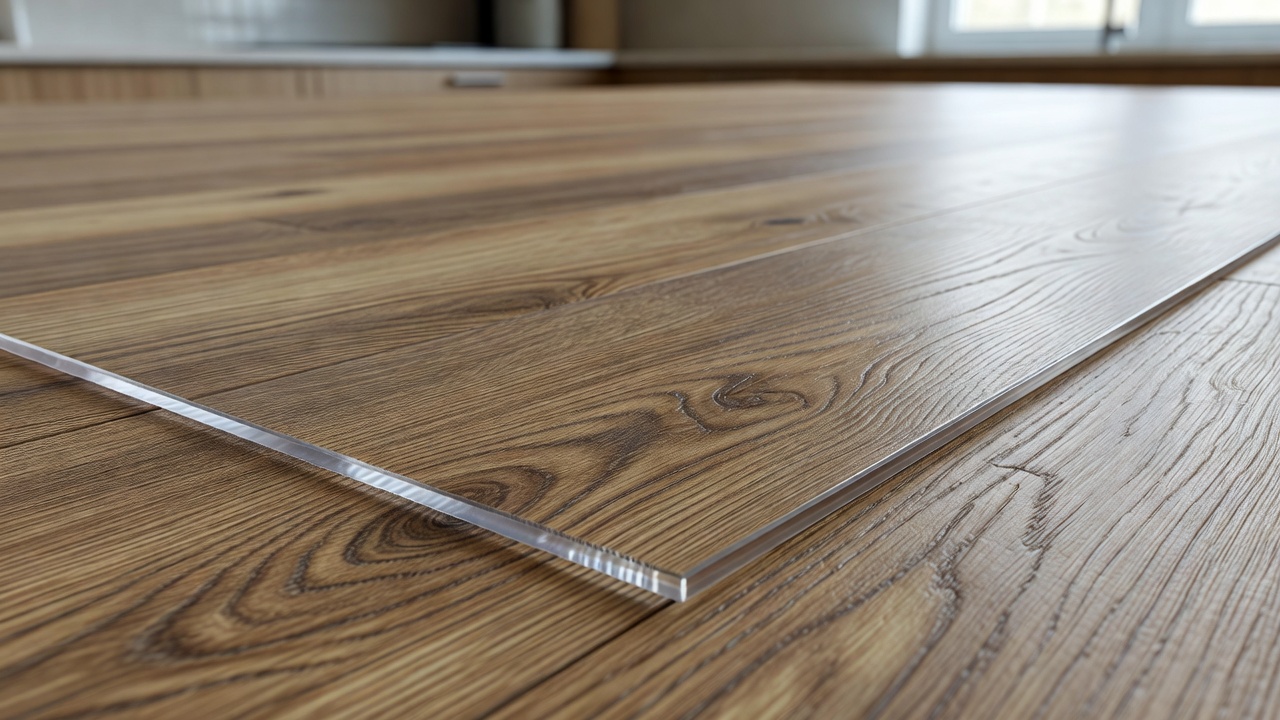
A vinyl flooring wear layer is the clear, engineered polymer film bonded above the decorative layer of vinyl plank or tile; its job is to resist scratch, stain, and abrasive wear, and its thickness is measured in mils (1 mil = 0.001 inch). Everything else — feel underfoot, acoustic dampening, dimensional stability — belongs to the core and backing. The wear layer is pure surface science.
What is a vinyl flooring wear layer made of?
Wear-layer construction varies by manufacturer and can include polymer films or coatings plus proprietary surface treatments. Some product literature names ceramic or aluminum-oxide additives; other products do not disclose a comparable formulation. Treat an additive claim as product-specific and ask for the associated test method and warranty language.
When a chair or grit moves across the floor, load, particle hardness, coating properties and contact geometry determine whether the result is polishing, haze, a scratch or a deeper gouge. ASTM D4060 demonstrates why abrasion comparisons require a stated method and controlled conditions; it does not validate every proprietary flooring claim.
If you’re comparing products, look for language like “ceramic bead wear layer” or “aluminum oxide coating” rather than mils in isolation. That composition story is also why LVP vs laminate durability conversations get messy — laminate’s melamine overlay fails differently than vinyl’s flexible wear film.
Is a thicker wear layer always better for LVP?
No. A thicker film provides more material, but products with different formulations or test disclosures are not directly comparable on thickness alone. Point-load damage, joint support and surface abrasion are also different failure modes.
So when someone tells you “just buy the highest mil number,” smile politely and ask about additive package and UV package. You’ll sound like a nerd. I consider that a compliment.
Does wear layer matter more than overall plank thickness?
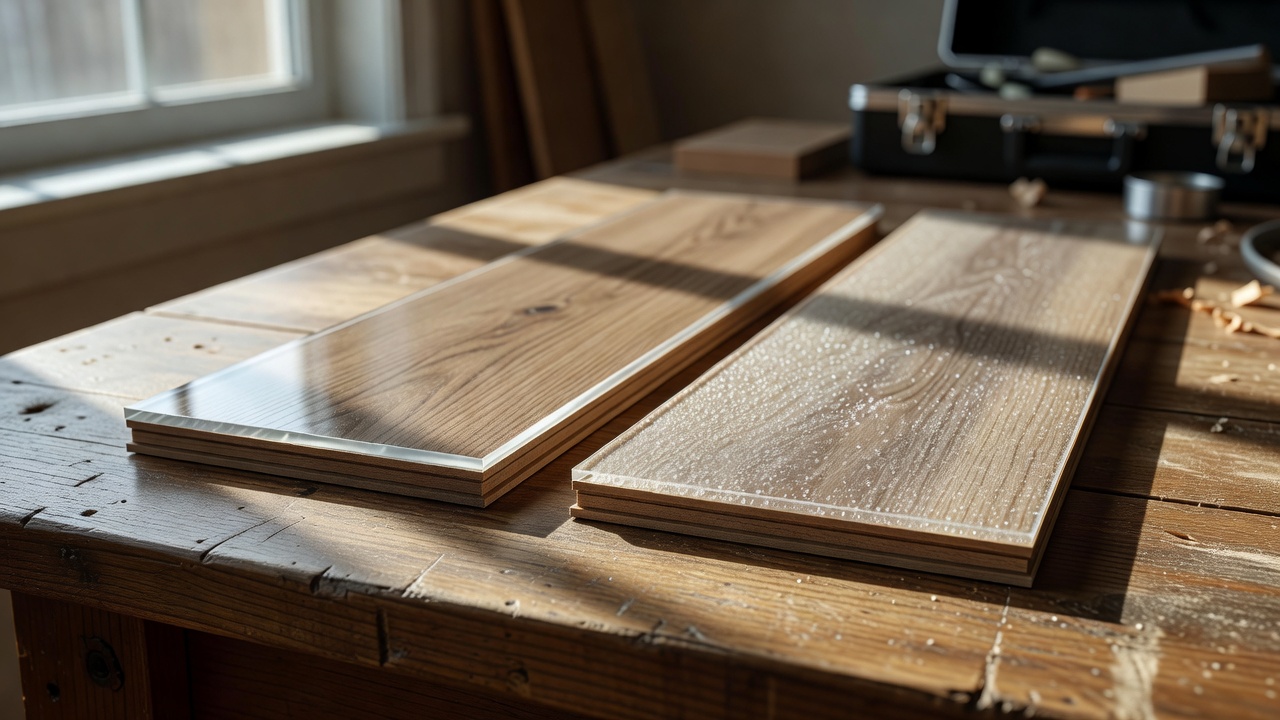
For scratches, scuffs and staining, the surface construction is central. Overall plank thickness describes the larger plank assembly and may influence feel or acoustic behavior, but it does not excuse a subfloor outside the manufacturer’s flatness limits.
Wear layer and overall thickness describe different parts of the assembly. Compare surface performance, core construction, acoustic requirements and substrate limits separately. More on substrate and core conditions appears in SPC vs WPC core differences.
What wear layer thickness do I need for residential vinyl flooring?
Rules of thumb that actually map to abrasion reality:
Manufacturers commonly position thinner wear layers for lighter use, mid-range layers for general residential use and thicker constructions for heavier residential or commercial use. Those are marketing groupings, not a universal performance standard. Compare coating composition, declared test method, intended-use classification and warranty.
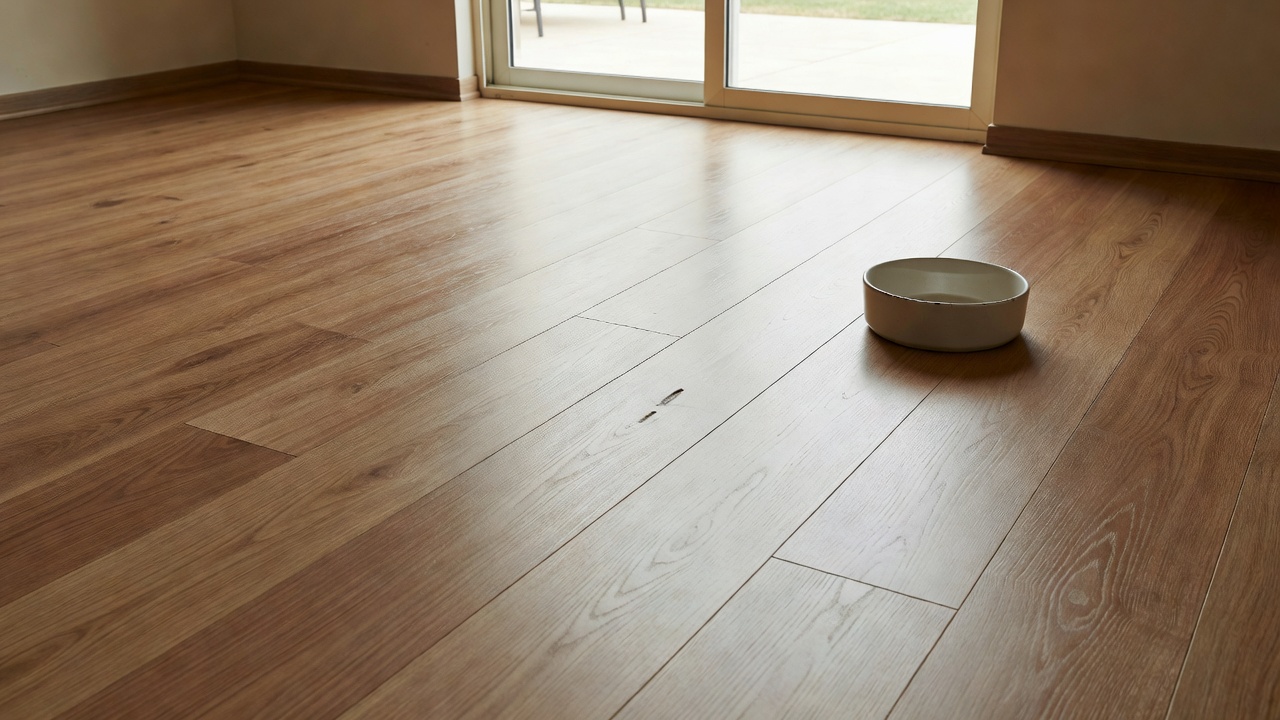
Pet claws and tracked grit create repeated surface contact. Entry mats and routine grit removal benefit any wear-layer thickness. Do not assume that moving between two nearby mil values will compensate for unmanaged abrasive particles or an unapproved cleaner.
Price does not make undocumented coating claims comparable. Ask for the wear-layer construction, test method, intended-use classification and warranty—not just the largest mil callout.
How vinyl floors actually fail (the unglamorous bit)
Floors rarely die from uniform thinning the way a pencil eraser does. They fail locally:
- Micro-scratch haze from grit — light scatters, floor looks dull.
- Point-load gouges that pierce the wear layer and admit staining liquids into the print or core.
- UV embrittlement that turns a once-tough film chalky and crack-prone.
- Edge wear at plank joints where slight height mismatch concentrates abrasion.
Once the wear layer is breached, cleanup chemicals and dyed liquids can reach the decorative film. That’s when you get permanent stains that no amount of “luxury vinyl is waterproof” marketing will reverse. Waterproof core ≠ immortal surface.
FAQ
What wear layer thickness do I need for residential vinyl flooring?
Start with the manufacturer’s intended-use classification and warranty for the room, then compare coating information and thickness among products tested on a comparable basis.
Is a thicker wear layer always better for LVP?
Not across unlike products. More material can help when formulation and testing are comparable; proprietary additives and unsupported claims do not create an automatic ranking.
Does wear layer matter more than overall plank thickness?
For scratch and stain resistance, yes — wear layer chemistry and thickness control surface life. Overall plank thickness mainly affects feel, sound, and subfloor forgiveness. You want both chosen intentionally, not one substituted for the other.
What is a vinyl flooring wear layer made of?
Typically a clear urethane or PVC film loaded with ceramic beads or aluminum oxide particles and UV stabilizers, cured into a hard, transparent coat over the printed design. The polymer provides flexibility and adhesion; the mineral additives provide scratch resistance.
Can I refinish a worn vinyl wear layer?
Generally no — unlike hardwood, you cannot sand and recoating a factory LVP wear layer back to original performance. Prevention (mats, felt pads, reasonable mil + additive choice) is the actual strategy. Some topical refreshers exist for haze, but they are temporary cosmetics, not structural repairs.
Sources & standards
- ASTM D4060 — what Taber abrasion testing measures and why coatings cannot be compared on thickness alone.
- Federal Trade Commission warranty guidance — compare written coverage, exclusions and claims procedures before purchase.
Checked August 30, 2026. Product instructions and local conditions control whenever they are more specific.