Subfloor Preparation Sequence for Any Flooring Installation
What Happens If You Skip Subfloor Preparation?
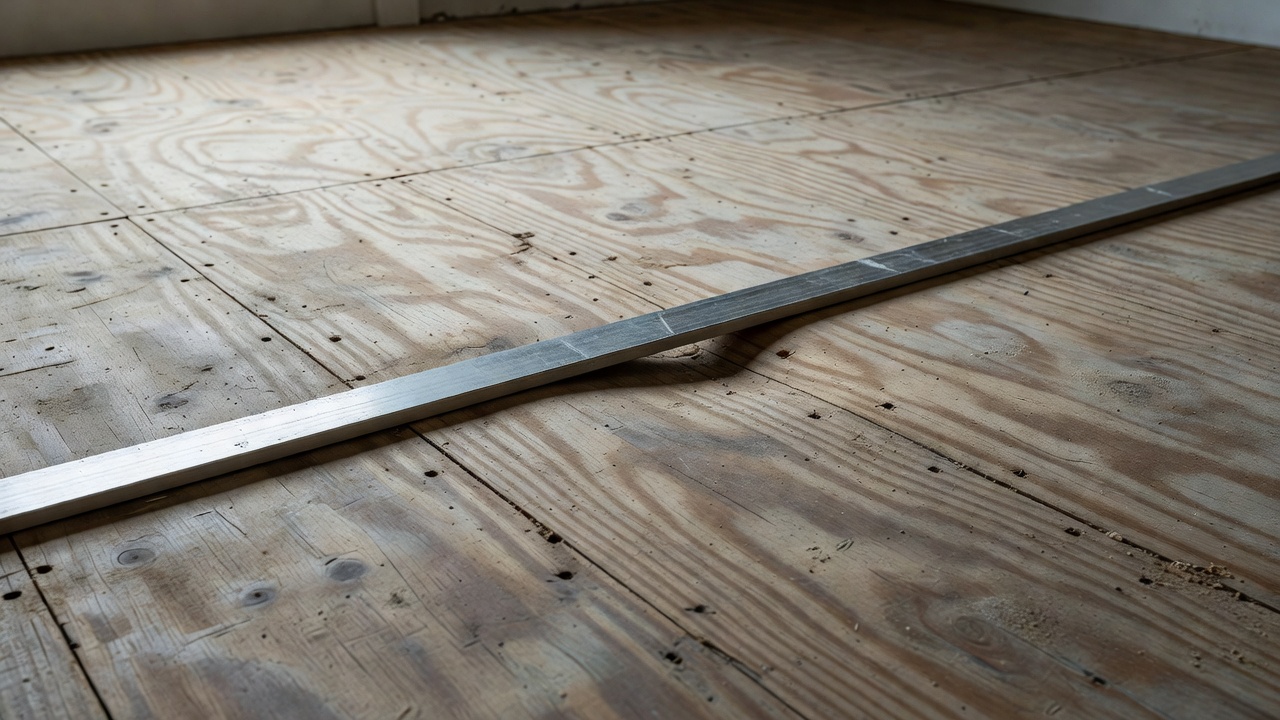
The finish floor can telegraph high and low spots, move at weak joints, sound hollow, lose bond or fail a warranty inspection. The exact failure depends on the flooring and attachment method, which is why substrate measurements belong in the job record.
Skipping preparation can also shift the cause of a later problem into an argument. If no one records the original substrate, moisture, flatness or approved repair products, it becomes difficult to separate a manufacturing issue from site conditions or workmanship. Preparation is both physical work and evidence.
Do I Need to Acclimate Flooring Before Installation?
Follow the exact product instructions. Some wood products need conditioning until flooring, subfloor and service environment meet stated criteria; other products specify different storage or no traditional acclimation. Leaving boxes in a room for a generic period does not correct a wet slab or unconditioned building. Record indoor conditions and use the subfloor moisture-testing methods that the system requires.
Is Professional Flooring Installation Worth It?
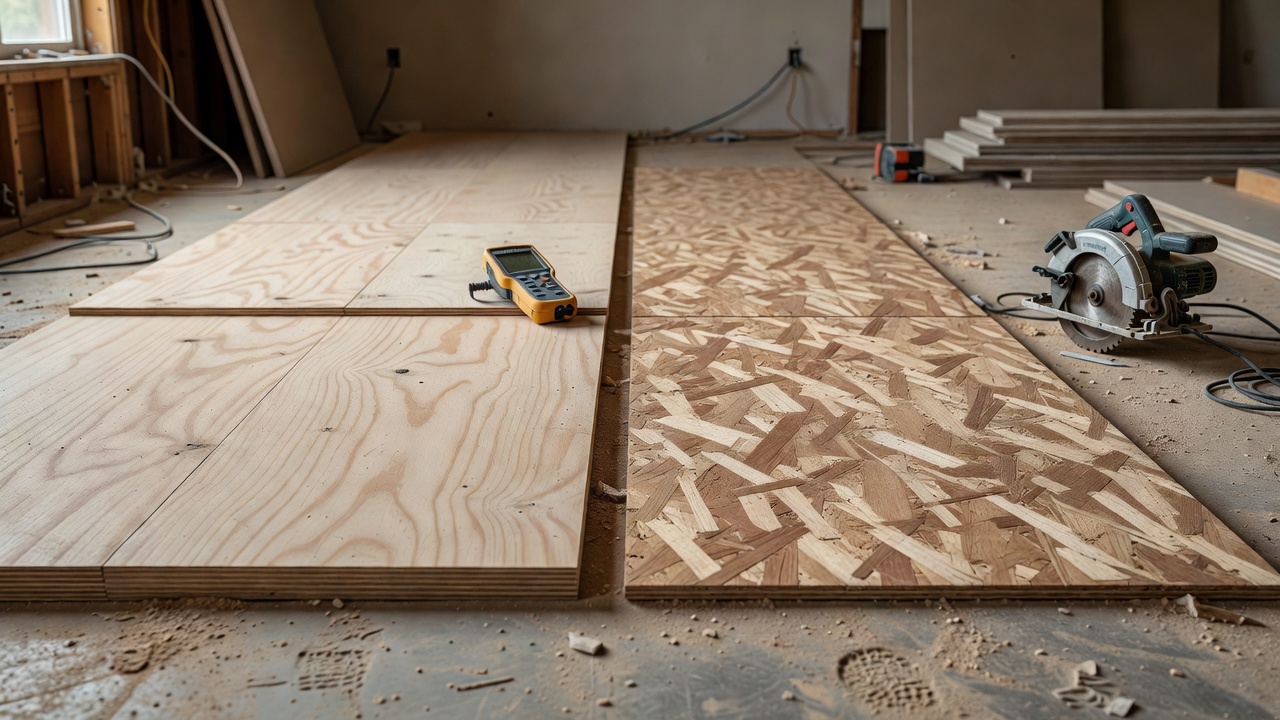
Professional installation can be worthwhile when diagnosis, structural work, moisture mitigation, specialized preparation, stairs or radiant heat exceed the owner’s tools and experience. A straightforward floating floor over an accepted substrate may be within a careful DIY scope. Compare written proposals and the consequences of error; do not assume professional labor costs more than the product or that a professional title guarantees correct preparation.
For the closest related guidance, see professional vs DIY flooring cost breakdown.
- Clean to bare subfloor — no dust, no adhesive islands, no paint chips.
- Moisture test and document the numbers.
- Level to manufacturer tolerance with a straightedge, not your eye.
- Fasten or repair anything that moves.
- Acclimate the product in the conditioned space.
- Only then open the first box of flooring.
Write an acceptance record
The record should identify substrate type and layers, structural repairs, contaminants removed, flatness measurements, moisture test method and results, preparation products, application details, cure time, room conditions and final acceptance. Photograph the exposed substrate, repairs and measurements. List who approved any deviation from a manufacturer instruction.
For a glue-down system, confirm primer, patch, mitigation and adhesive compatibility. For a floating system, confirm underlayment, vapor-control and transition requirements. For nail- or staple-down wood, confirm panel and fastener suitability. These are different assemblies; “subfloor prep” cannot be one generic line item.
Stop-work conditions
Stop when the substrate is structurally loose, visibly wet, contaminated, unidentified or outside the written flatness or moisture limits. Stop when a crack or joint has no approved treatment, a correction product is incompatible, or a required cure time conflicts with the schedule. Also stop when finished height creates an unresolved door, appliance, stair or transition problem. Approval before installation is cheaper than explaining a visible failure afterward.
Before releasing the floor for installation, perform a final walk with the product instructions in hand. Confirm that repairs are cured, dust and debris are removed, readings still meet acceptance, transitions and perimeter details are marked, and every required accessory is on site. Both installer and owner should know who can approve a deviation. If the final check produces an unknown, the correct next step is documentation and resolution—not opening cartons to keep the schedule moving.
FAQ
What happens if you skip subfloor preparation?
Possible outcomes include movement, visible unevenness, stressed joints or bond loss. The exact result and warranty effect depend on the system and documented deviation.
Do I need to acclimate flooring before installation?
Follow the product instructions. Some flooring requires conditioning in the installation environment; other products specify different timing or no traditional acclimation. Record site temperature and humidity and do not substitute a universal hour count.
How long does flooring installation take?
Installation duration depends on room geometry, removal, substrate repair, moisture mitigation, curing times, transitions and the specified flooring system. A written proposal should separate preparation from plank-laying time.
Is professional flooring installation worth it?
It can be when diagnosis or correction exceeds the owner’s tools and experience. Compare qualifications, written method, exclusions and responsibility—not labor title alone.
Can I install hardwood over concrete without extra steps?
Only with an approved assembly. Concrete requires the specified moisture testing, preparation, vapor-control or adhesive system and installation method for the exact hardwood product.
Identify every layer and approve the preparation sequence before demolition or installation.
Sources & standards
- NWFA Installation Guidelines — wood-floor site conditions, subfloors, moisture and installation.
- USDA Forest Products Laboratory Wood Handbook — wood structure, moisture behavior and dimensional change.
- ASTM F2170 and ASTM F710 — concrete relative-humidity testing and resilient-floor substrate preparation.
Checked August 30, 2026. Product instructions and local conditions control whenever they are more specific.