Laminate AC Ratings: What the Classification Can—and Cannot—Tell You
The laminate flooring AC rating is an abrasion-class designation used to communicate surface-wear performance under a specified test framework. It does not measure water resistance, joint strength, impact behavior or every other way a laminate floor can fail. Confirm the standard version and declared class on the exact product rather than relying on retailer shorthand.
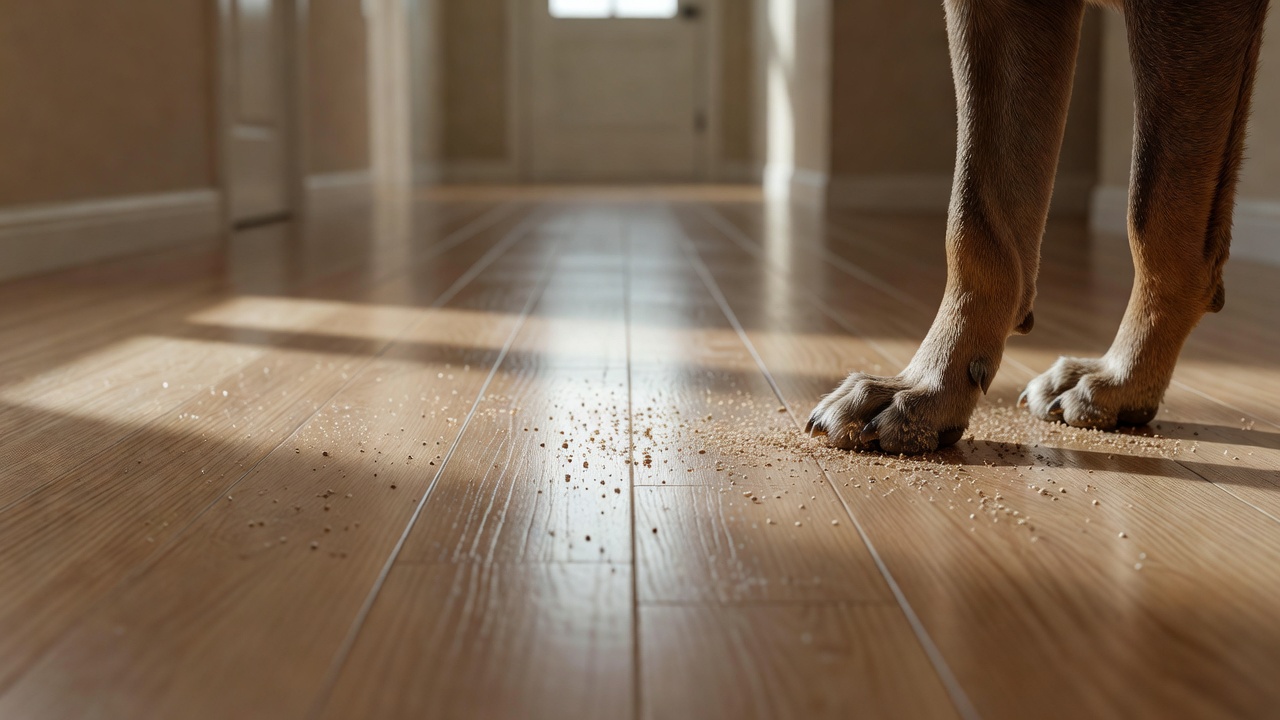
What does AC rating mean on laminate flooring?
AC stands for Abrasion Class. Standardized testing exposes a specimen to controlled abrasive action and evaluates surface wear against defined criteria. A higher declared class represents a more demanding surface-wear category within that framework; it does not turn the entire plank into a higher-quality assembly. Common product literature uses a sequence such as:
- AC1 — very light residential (think closet or guest room you almost never enter)
- AC2 — light residential
- AC3 — general residential, including living rooms and bedrooms with normal traffic
- AC4 — general commercial / heavy residential (kitchens, entries, active family zones)
- AC5 — heavy commercial
- AC6 — very heavy commercial (some newer product lines; still built on the same abrasion logic)
How is the AC rating of laminate flooring tested?
The controlled sequence, stripped of brochure language, conditions a specimen, applies the abrasion apparatus named by the standard, inspects the wear track at defined stages and evaluates the result against the class criteria. Exact apparatus, load, media and endpoints belong to the cited standard—not a retailer’s paraphrase.
The important shopping distinction is scope: the class summarizes the specified abrasion evaluation. Other declarations may address stain, impact or water behavior, but the AC label should not be stretched to cover them.
What you’re really watching is micro-fracture and pull-out of the aluminum-oxide particles, followed by erosion of the surrounding resin matrix. Once enough particles are gone, the softer resin abrades faster and the printed layer appears. That’s surface failure. It is not the same as a gouge from a dropped cast-iron pan or swelling from a pet bowl left overnight—those are different failure modes entirely, and no AC rating will save you from them. (If you want the moisture side of the story, the waterproof laminate vs vinyl comparison is worth ten minutes.)
One dry caveat: a controlled test isolates variables that a hallway does not. Use the rating as one comparative tool, not a prophecy.
What AC rating do I need for residential use?
Match the class to the actual abrasion load, not the room’s emotional importance.
Start with the manufacturer’s declared use for the exact room, then compare AC class among products documented to the same standard. A quiet dry bedroom and a gritty entry do not ask the surface to do the same work. Higher is not automatically better when water claims, joint design, substrate requirements, appearance or complete cost are weaker.
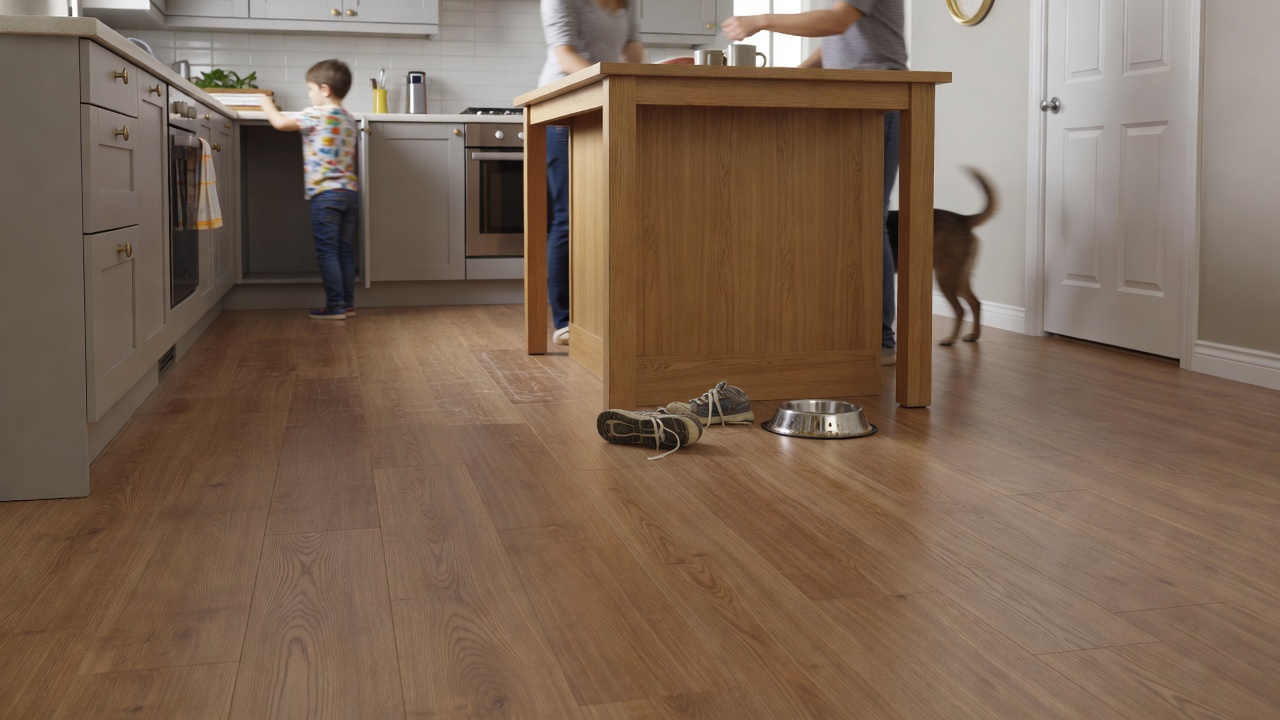
Is AC4 better than AC3 for homes with pets and kids?
For the closest related guidance, see matte vs glossy laminate finishes.
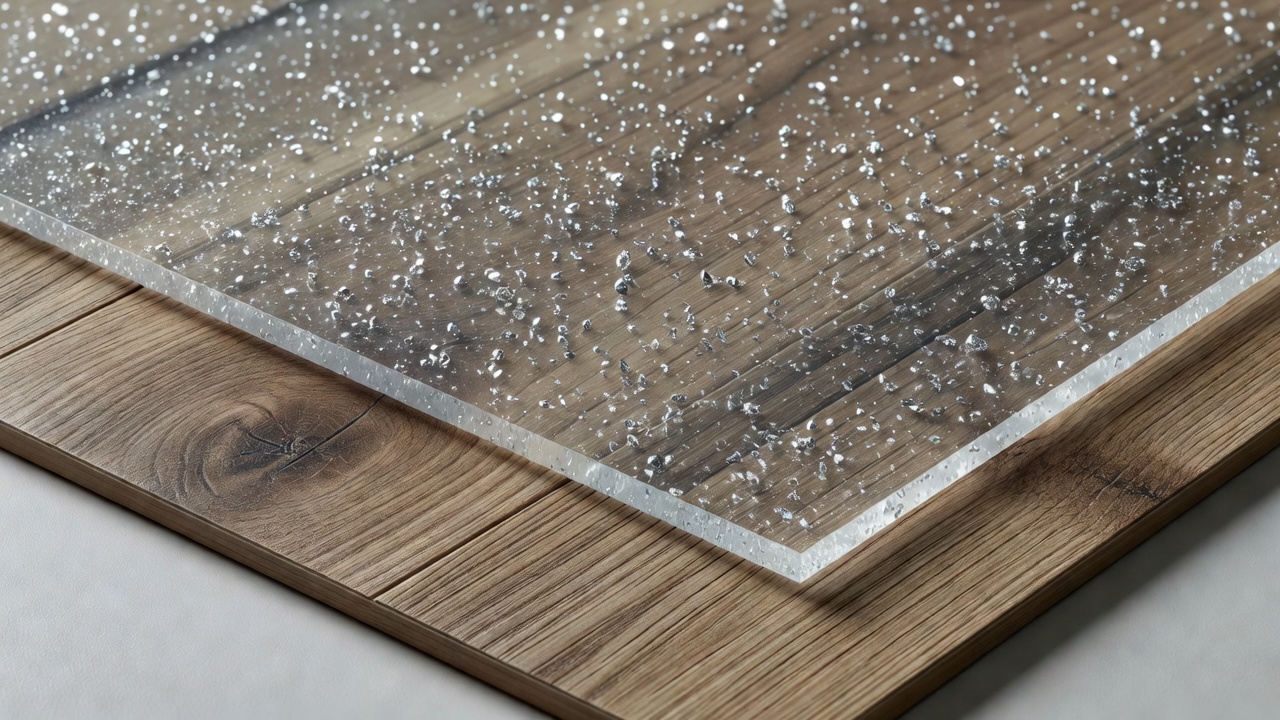
When a higher laminate wear layer AC rating is overkill
AC classification addresses surface abrasion. It does not summarize:
- Thickness of the wear layer in mils (that’s a vinyl conversation)
- Core swell when water sits on the joints
- UV yellowing of the resin
- Gloss change that makes micro-scratches obvious even when the décor is intact
If the main risk is a leak, investigate water claims and joint design first. If the main risk is chair casters and sand, the AC declaration becomes more relevant. Buying a higher class “just in case” can still leave joint, moisture or substrate risks unresolved. The standard is a tool, not a personality trait.
FAQ
What does AC rating mean on laminate flooring?
It is an abrasion-class designation under a stated laminate test framework. It compares surface-wear performance; it does not establish water, joint or impact performance.
What AC rating do I need for residential use?
Use the manufacturer’s room and use classification, then compare documented AC class among products evaluated to the same framework. Do not adopt a universal room-to-class chart without current product documentation.
Is AC4 better than AC3 for homes with pets/kids?
A higher declared class represents a higher abrasion category within the applicable framework, but it does not prove a particular coating recipe or pet outcome. Compare the complete product and room risk.
How is the AC rating of laminate flooring tested?
A controlled abrasion method evaluates surface wear against the applicable class criteria. Real floors also face moisture, joints, impact and substrate conditions that the AC designation does not summarize.
Is a higher AC rating always better?
Only for surface wear. Once the wear layer outlasts the core, the joints, or the finish aesthetics you care about, extra AC class is unused capacity you still paid for.
Sources & standards
- ASTM D4060 — what Taber abrasion testing measures and why coatings cannot be compared on thickness alone.
- U.S. EPA TSCA Title VI — labeling and certification for regulated composite-wood products.
- ANSI/NALFA LF-01 listing — laminate flooring specifications and test methods.
Checked August 30, 2026. Product instructions and local conditions control whenever they are more specific.