When Refinishing Hardwood Beats Replacing It
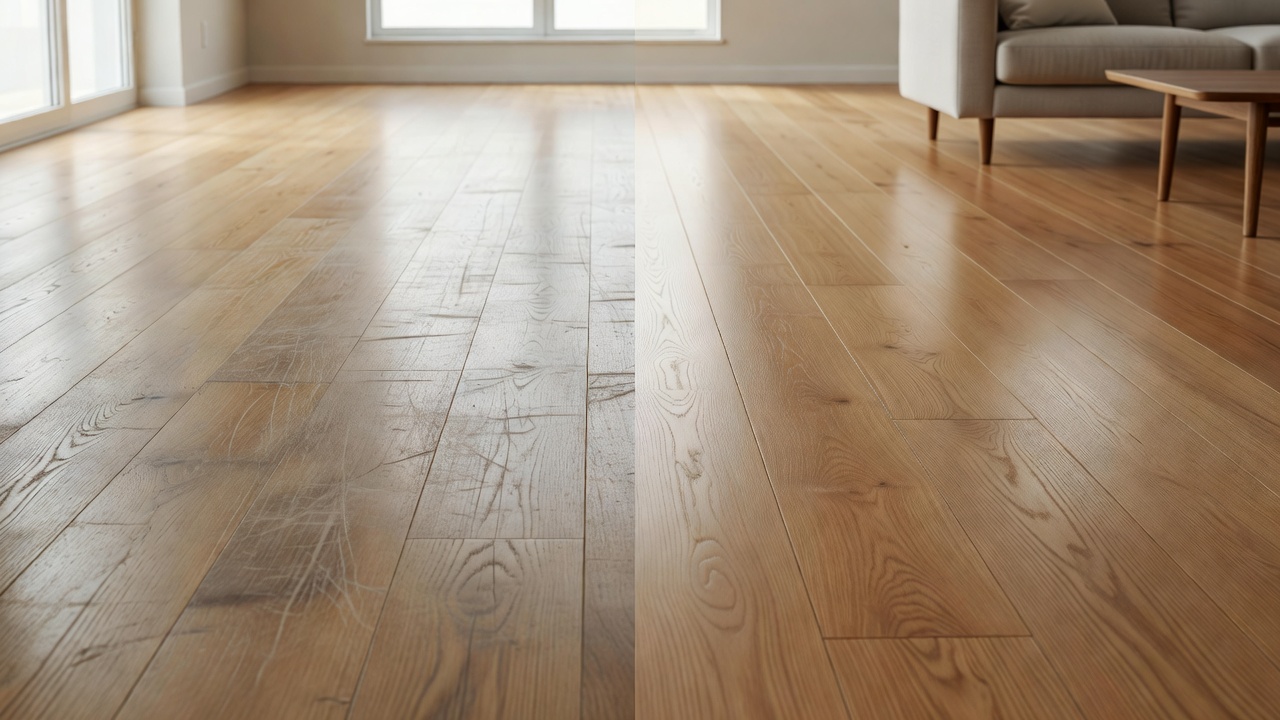
Is refinishing hardwood floors worth it for resale?
Refinishing can be worthwhile when the boards are structurally sound, the remaining wear surface can accept the proposed process and a coherent finish solves the visible problem. It is not a guaranteed return. Deep movement, active moisture, severe cupping, contaminated boards or an insufficient wear surface can turn a cosmetic plan into repair or replacement. Have the floor assessed before pricing the sale outcome, then compare the scope with solid and engineered replacement tradeoffs.
Does new flooring increase home value?
New flooring may improve presentation or remove a condition objection, but cost recovery depends on the starting condition, local expectations and complete project cost. Continuity through connected rooms can be useful, while clean bedroom carpet may be acceptable in many markets. Do not replace a serviceable surface solely because a national report describes an average remodeling result.
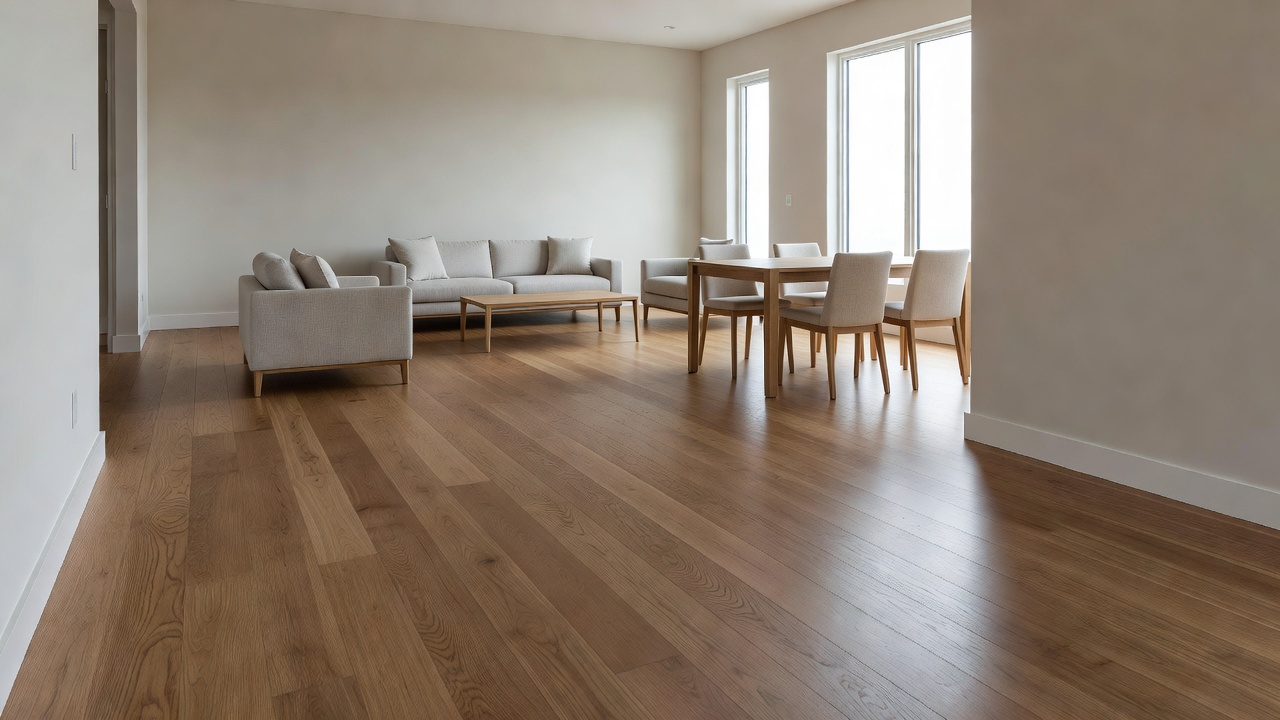
Hardwood or LVP: which has better ROI?
Existing hardwood often deserves the first repair estimate because refinishing preserves the material already in place. LVP can be a practical replacement when wood cannot be repaired or when moisture and budget conditions support the exact product. Neither guarantees a better appraisal or offer. Compare current local listings, written proposals and the finished-height and transition consequences.
- Walk the entry and main sightlines first—record damage, movement and abrupt transitions.
- Match finish tone to the majority of existing trim and cabinets so nothing fights.
- Stage with low furniture and light rugs so the floor stays visible in every photo.
- Price the improvement into the list strategy, not as a seller concession later.
- Document the work (receipts, before/after) for the appraisal packet.
That sequence creates a documented presentation plan. It does not promise higher or faster offers; those depend on the whole property and market.
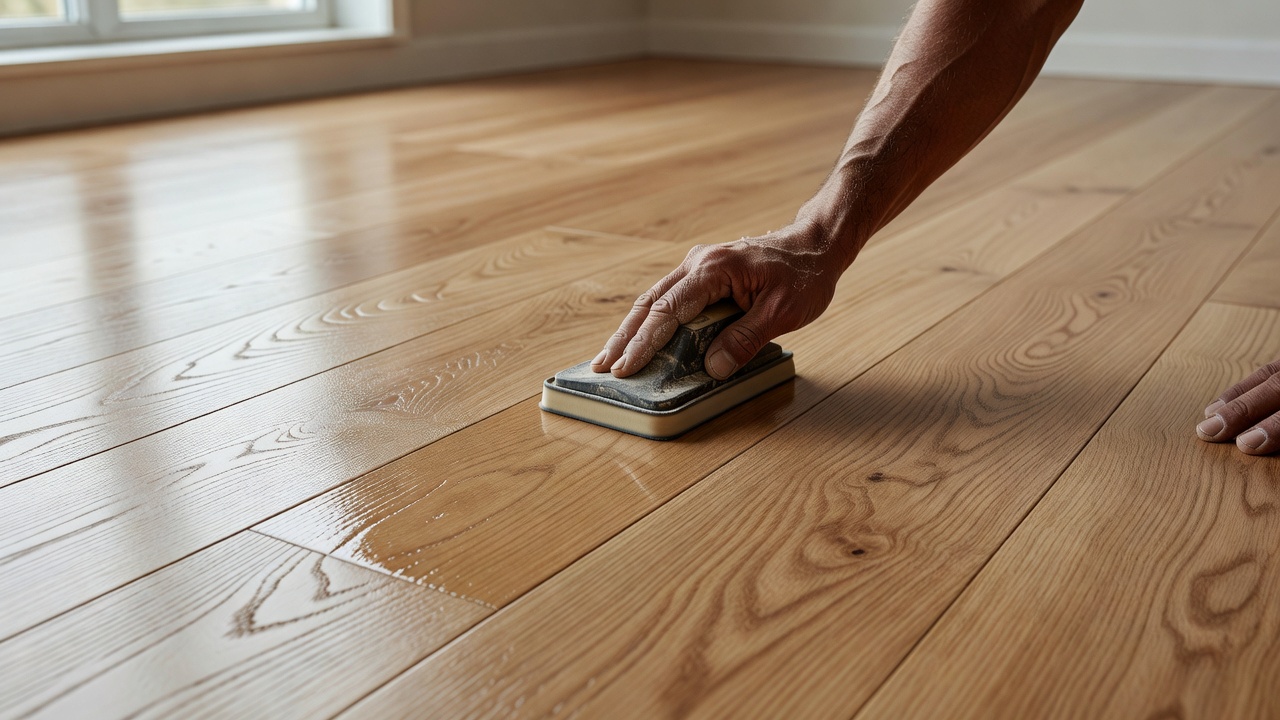
Refinish, repair or replace: a written test
Ask a qualified floor professional to identify solid or engineered construction, remaining wear surface, board movement, moisture condition, previous coatings and contamination. Then price three scopes where feasible: targeted repair plus cleaning, screen-and-recoat, and full sand-and-finish. Replacement is a fourth option, not the automatic alternative.
For each scope, record rooms included, board repair, dust containment, finish system, color samples, baseboard or shoe molding, furniture handling, cure time, reoccupancy, touch-up responsibility and exclusions. Compare that full cost with local sale evidence and the time available before photography. If the chosen finish cannot be sampled on the actual floor, uncertainty belongs in the decision.
Refinishing failure checks
Stop when active moisture, severe movement, loose boards, lead or other hazardous coatings, an unknown engineered wear surface, incompatible contaminants or an unresolved color expectation remains. Do not promise that dark pet stains will disappear, that every board will take stain evenly or that a recoating product will bond without testing. Put repair limits and sample approval in writing. Keep the product data, invoices and before-and-after photos for the property file.
FAQ
Does new flooring increase home value?
It can remove a visible objection, but value change is not guaranteed. Compare complete scope, original condition and local comparable sales.
What flooring increases home value the most?
There is no universal winner. Existing repairable hardwood may justify refinishing; a compatible replacement may suit a damaged assembly. Local evidence controls.
Is refinishing hardwood floors worth it for resale?
It may be when the floor can accept the process and the completed surface addresses a real condition problem. Do not assume full cost recovery or a particular offer effect.
Hardwood or LVP: which has better ROI?
No reliable universal percentage separates them. Price refinishing first when sound hardwood exists; compare LVP only as an exact product and installation system supported by local expectations.
Should I refinish before listing or offer a credit?
Refinish when the floor is a clear objection and the scope is feasible before listing. A credit may be more transparent when condition, timing or buyer preference makes the result uncertain.
Selling soon and staying long-term are different decisions. A near-term sale emphasizes local buyer objections and written bids; a long-term decision can give more weight to daily use and future maintenance.
For the broader market and condition screen, use the resale flooring comparison before assigning any return to the refinishing scope.
Sources & standards
- NWFA Installation Guidelines — wood-floor site conditions, subfloors, moisture and installation.
- USDA Forest Products Laboratory Wood Handbook — wood structure, moisture behavior and dimensional change.
- National Association of REALTORS® Remodeling Impact — national remodeling cost-recovery research; local sale results still vary.
Checked August 30, 2026. Product instructions and local conditions control whenever they are more specific.