Solid vs Engineered Hardwood: Where the Premium Matters
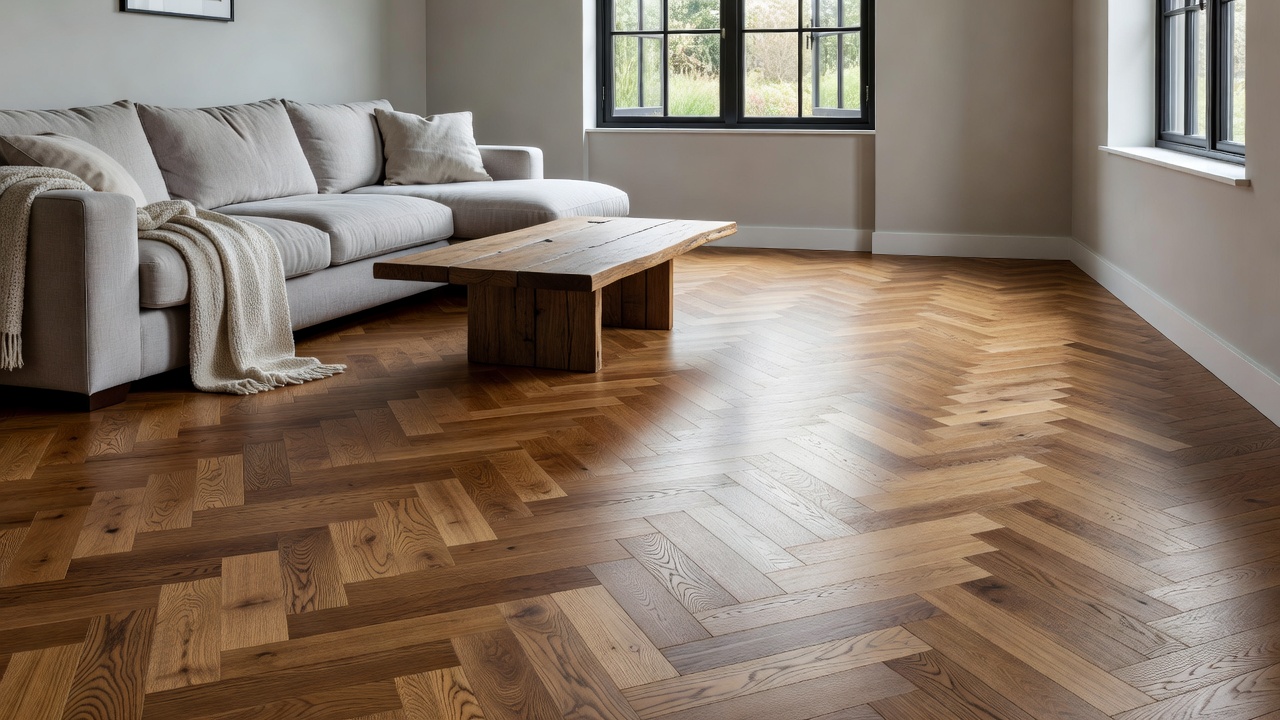 One does not simply walk on a floor of this caliber. One experiences it—the grain variation, the repairable surface, the quiet authority underfoot. Solid hardwood is milled from a single piece of timber; engineered hardwood bonds a real-wood wear surface to a layered core. Solid may offer more material for future sanding, while engineered construction can be better suited to some moisture, height or installation constraints. The premium matters only when those differences serve the room.

Is solid hardwood better than engineered hardwood?
Better is a vulgar word, yet one must occasionally descend to the marketplace. Solid hardwood generally offers more wood above the tongue for future sanding; engineered hardwood varies widely by veneer thickness and construction. Neither earns a universal lifespan or refinishing count. Have the actual wear surface measured, confirm the manufacturer’s refinishing guidance, and match the construction to moisture and installation conditions.
For the closest related guidance, see engineered hardwood vs solid comparison.
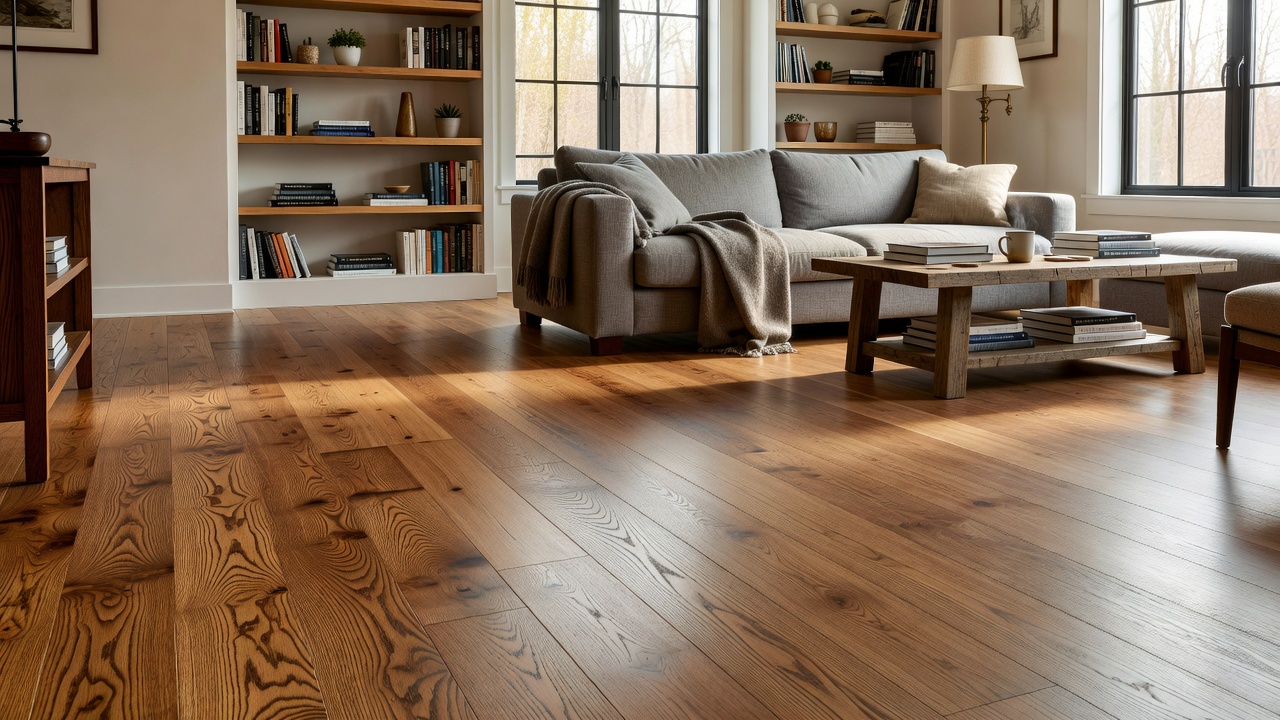
Can you refinish engineered hardwood like solid?
If your lifestyle involves heavy traffic, large dogs or hard point impacts, compare finish system, species, repairability and maintenance—not merely “solid” versus “engineered.” In moisture-sensitive or height-constrained assemblies, a compatible engineered construction may be the more defensible choice. The snobbery, darling, still has to survive the specifications.
Refinishing depends on remaining wear surface, construction, bevel, previous sanding and the manufacturer’s guidance. Screening and recoating are not the same as sanding through the finish. Have the exact floor assessed before promising either process.
Does solid hardwood add more value than engineered?
For the closest related guidance, see hardwood flooring snobbery.
How can you tell solid hardwood from engineered in the wild? Examine a labeled board end or an exposed cutout: solid shows the same wood through its thickness, while engineered construction shows a hardwood wear surface over a layered core. Sound and appearance alone are unreliable; confirm the product label and technical sheet.
A solid-versus-engineered decision matrix
Compare exact products across six fields:
- Approved location and method: above, on or below grade; nail, glue or float; radiant-heat permission.
- Wear surface: usable wood above the joint and the maker’s stated renewal options.
- Moisture response: site conditions, plank width and the construction’s dimensional behavior.
- Finished height: doors, stairs, appliances and transitions into adjacent rooms.
- Repair plan: board replacement, color matching, screening, recoating or sanding.
- Composite-wood documentation: applicable labeling and certification for engineered cores.
Solid can win when future sanding depth and traditional construction matter. Engineered can win when dimensional design, thickness or an approved glue-down or floating method solves a site constraint. The species name and surface photo cannot answer those questions.
Failure checks before paying the premium
Reject a proposal that calls all engineered wood “veneer” without stating wear-surface thickness, promises a fixed number of refinishes, or claims solid wood adds a guaranteed resale premium. Stop when moisture, flatness, structural support or installation method remains unresolved. Verify matching transitions and stair parts before ordering; a premium plank without the required accessories can force an improvised finish. Keep the technical sheet, label, lot, moisture record and spare boards.
FAQ
Is solid hardwood better than engineered hardwood?
Neither is universally better. Solid usually provides more wood for future sanding; engineered products vary by wear-surface thickness, core and approved installation. Compare the exact products, site moisture, installation method and manufacturer refinishing guidance.
Can you refinish engineered hardwood like solid?
Sometimes. An engineered floor may be eligible for screening, recoating or sanding when its wear surface and manufacturer instructions allow it. Have the remaining wear surface assessed before any abrasive work; neither “engineered” nor “solid” guarantees a particular refinishing count.
Does solid hardwood add more value than engineered?
Not automatically. Buyers may value solid hardwood in some markets and historic homes, but condition, species, finish, continuity and local comparable sales matter. Ask a local valuation professional to support any claimed premium.
How can you tell solid hardwood from engineered?
Look at a labeled board end or cutout: solid shows the same wood through its thickness; engineered shows a hardwood wear surface over a layered core. Confirm the construction and dimensions on the manufacturer’s technical sheet.
Is the snobbery around solid hardwood actually justified?
In the rooms that matter and the homes one intends to keep, yes. Material honesty, refinishability, and that ineffable thunk under a leather sole are not affectations; they are the difference between furniture and architecture.
Sources & standards
- NWFA Installation Guidelines — wood-floor site conditions, subfloors, moisture and installation.
- USDA Forest Products Laboratory Wood Handbook — wood structure, moisture behavior and dimensional change.
- U.S. EPA TSCA Title VI — labeling and certification for regulated composite-wood products.
Checked August 30, 2026. Product instructions and local conditions control whenever they are more specific.