Can LVP Look Convincingly Like Hardwood?
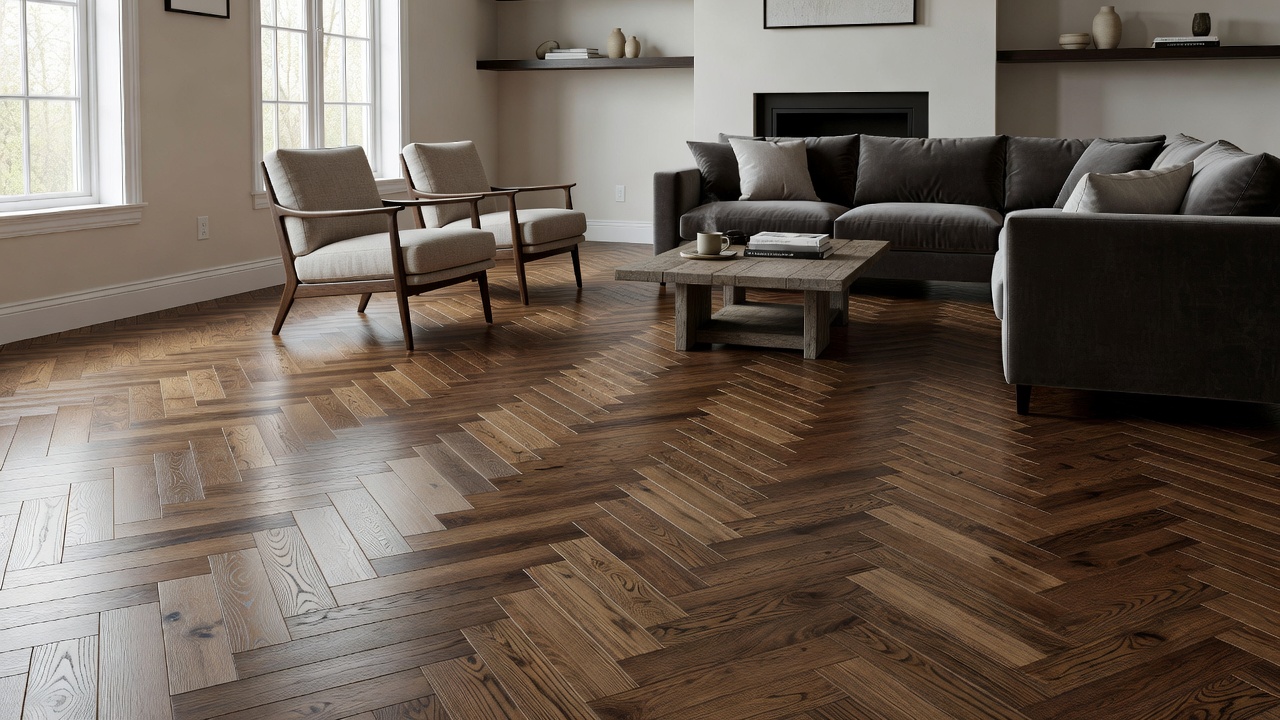 One does not simply walk on a floor of this caliber and render a verdict. One experiences it—heel first, then the full sole—while the mind catalogues every micro-bevel and photographic grain. Can LVP fool hardwood snobs? The answer, delivered with the clarity of a properly decanted Burgundy, is this: yes, luxury vinyl plank can fool neighborhood snobs, casual dinner guests, and even certain realtors clutching open-house clipboards, yet it will never truly satisfy a discerning sole who has known the living rebound of solid white oak. It performs an exquisite pantomime. It does not become the thing itself.
Luxury vinyl plank (LVP) is a multi-layered synthetic flooring constructed of a rigid core, a high-resolution photographic wear layer depicting wood grain, and a protective topcoat, engineered to imitate hardwood’s visual and tactile presence while remaining waterproof and comparatively inexpensive.
Does LVP look like real hardwood?
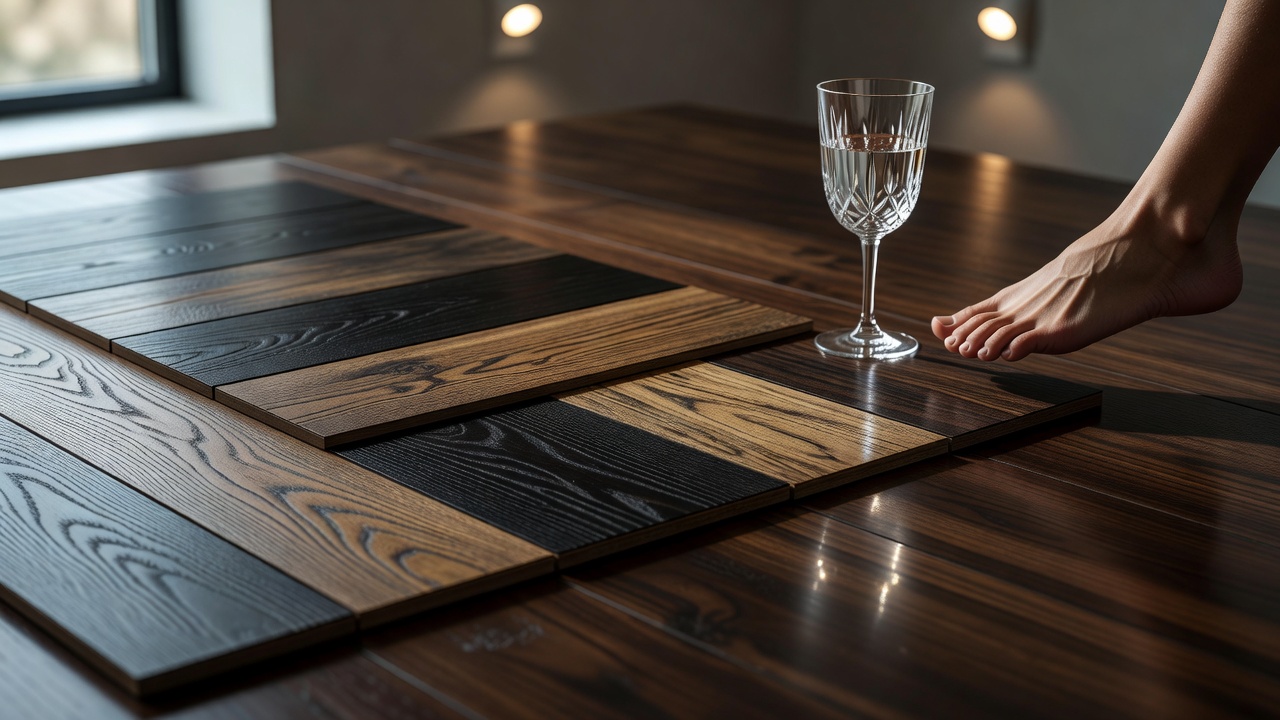
On the better specimens, yes, to a degree that borders on impertinence. A strong print, aligned embossing, restrained sheen, varied plank art and believable bevels can produce a convincing wood visual. The illusion weakens when identical knots repeat nearby, bevel paint looks printed, transitions expose the layered construction or the surface texture misses the grain. Judge several joined planks in the room, not one heroic sample under retail light.
Certain budget-conscious flooring content creators—one thinks inevitably of the relentlessly practical Marnie Delgado set—will insist that “looks identical” is sufficient victory. They settle. I do not settle. I discern.
Can vinyl planks fool neighborhood snobs?
Some visitors will read a well-installed LVP as wood at a glance; others will notice print repeats or exposed edges. That is an aesthetic observation, not a performance test. The more useful comparison is whether the exact floor meets the room, maintenance and repair priorities. The solid-versus-engineered hardwood guide explains what the genuine wood alternatives actually offer.
How to tell hardwood from LVP?
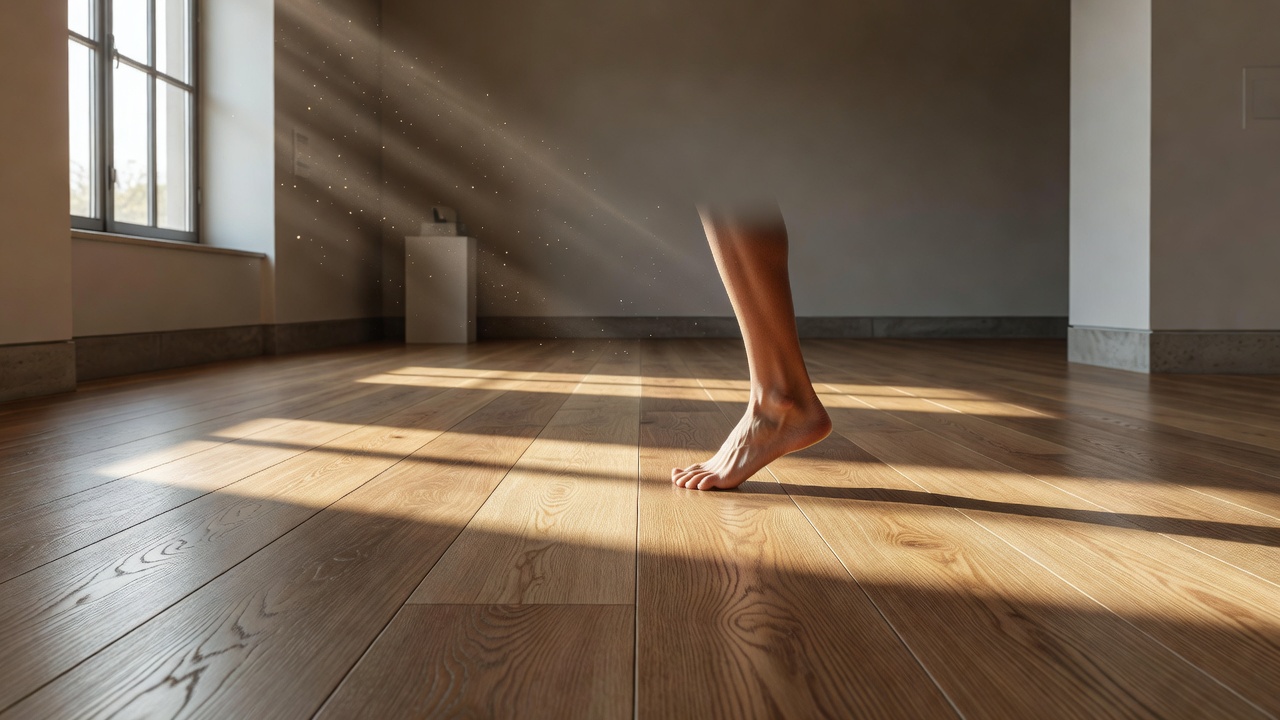
Use non-destructive evidence. Read the product label and technical sheet. At a loose sample, inspect the board edge: solid wood shows the same wood through its thickness, engineered wood shows a real-wood wear surface over a layered core, and LVP shows a printed design and polymer surface over its core. Across several installed pieces, repeated knots can reveal printed artwork. Do not rely on sound, touch or temperature alone, and never test an installed floor with an abrasive or dropped object.
Those seeking a fuller technical comparison of longevity and water resistance may find the companion piece on LVP wear-layer science illuminating, though I warn you it contains fewer tasting notes and more spreadsheets—a tragicomic genre.
Is hardwood flooring worth it?
Hardwood can be worth it when authentic variation, potential surface renewal and the approved wood-floor assembly justify the complete cost and maintenance. LVP can be worth it when its exact water claims, installation method and care fit the household and repairability is less important. The editorial verdict: the understudy can be excellent without pretending it has become the lead.
FAQ
Can vinyl planks fool neighborhood snobs?
Some convincing LVP can resemble wood at standing height, especially when pattern repetition, sheen, bevels and transitions are handled well. Edge inspection, repeated prints, touch and exposed cuts can still reveal the construction. Appearance does not prove water-event performance.
Does LVP look like real hardwood?
It can. Convincing print variation, aligned embossing, restrained sheen and clean transitions improve the result. Repeated artwork and exposed layered edges reveal the construction.
How to tell hardwood from LVP?
Use the label, technical sheet and a loose board edge. Do not rely on sound or touch, and do not perform a destructive sanding or impact test.
Is hardwood flooring worth it over LVP?
Hardwood is worth it when refinishability, multi-decade aging, and resale poetry matter more than waterproofing and low maintenance. For homes with heavy moisture risk or temporary occupancy, LVP is the rational, if less romantic, choice.
Can any LVP ever satisfy a true hardwood snob?
No. It may entertain, impress houseguests, and protect the subfloor, but satisfaction requires the living material’s capacity to record time. A snob wants a biography underfoot, not a brochure.
Sources & standards
- NWFA Installation Guidelines — wood-floor site conditions, subfloors, moisture and installation.
- USDA Forest Products Laboratory Wood Handbook — wood structure, moisture behavior and dimensional change.
- ASTM F2170 and ASTM F710 — concrete relative-humidity testing and resilient-floor substrate preparation.
- ASTM D4060 — what Taber abrasion testing measures and why coatings cannot be compared on thickness alone.
Checked August 30, 2026. Product instructions and local conditions control whenever they are more specific.