what floor is best for my project
Floor Condition Audit Before Home Staging
Floor condition is the visual and tactile cue buyers use, usually in under ten seconds, to decide whether the entire home has been maintained or deferred. Staging amplifies whatever is already underfoot. Good floors make the staged rooms feel intentional. Worn, mismatched, or dated floors make the same rooms feel like expensive camouflage.
How important is flooring when selling a house?
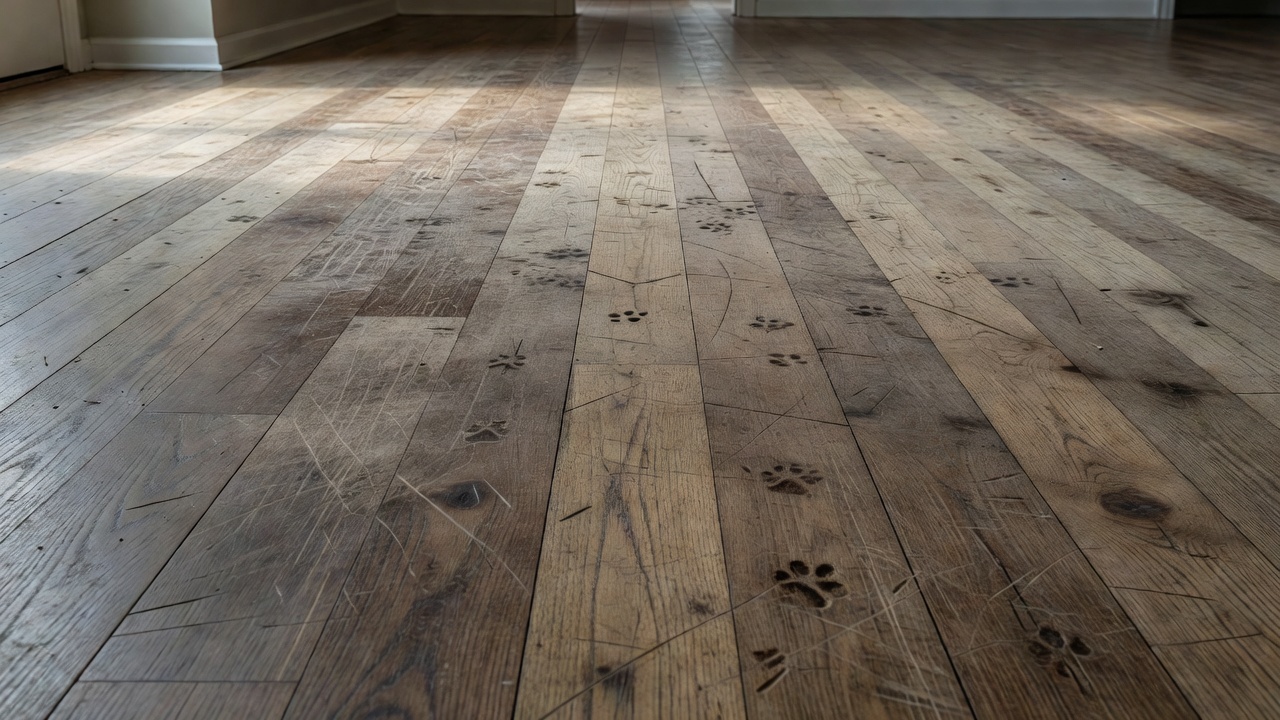
Flooring is one of the largest continuous surfaces in listing photographs and the first physical finish buyers encounter at an entry. Its importance still depends on local expectations and the condition of competing homes. Treat visible damage, odor, movement and abrupt material changes as issues to price with local evidence—not as proof that every house needs new flooring.
Should I refinish hardwood floors before listing?
Red flags that mean refinish is non-negotiable before you stage:
- Deep scratches or pet claws that catch light from every angle
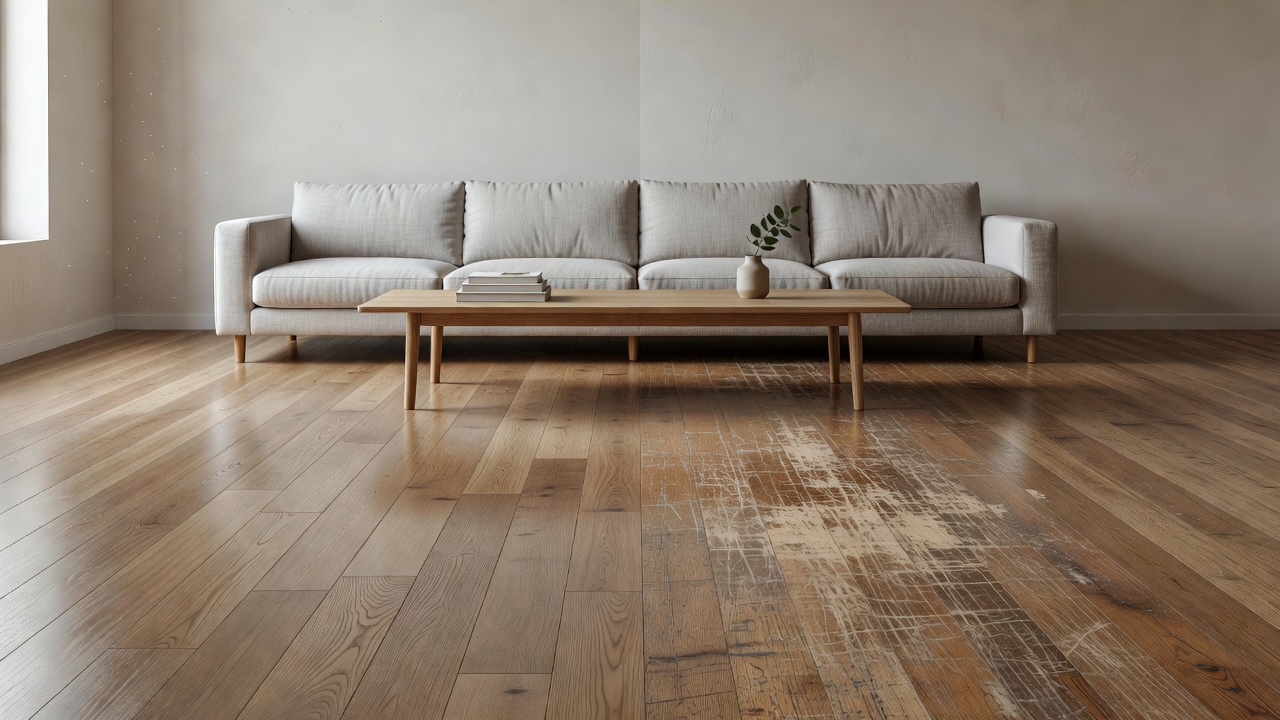
- Inconsistent sheen (high-traffic dull patches next to glossy edges)
- Water stains or cupping near exterior doors and sinks
- Visible nail heads or previous bad sanding swirls
If the wear is only cosmetic and the species is still thick enough for another sanding, do it. Then stage. Do not stage first and hope the area rugs do the heavy lifting. Rugs help; they do not rewrite first impressions.
For more on the actual process and timing, see refinishing hardwood costs and timeline.
Should I replace my flooring before selling?
Only when refinishing cannot fix it or the material itself is a liability. Think crumbling vinyl sheet, pet-destroyed carpet, or a labyrinth of transitions that makes the floor plan feel chopped up.
Best flooring for home staging in the current market is still consistent hardwood or a high-quality LVP that reads as wood from standing height. I am not married to either. I am married to what removes objections.
LVP vs hardwood staging is not a purity test. Hardwood remains the gold standard for perceived value. Good LVP is the smart budget play that photographs clean and feels solid underfoot. Either beats apologizing for the floor that is already there. Details on material choice live in LVP vs hardwood for resale.
Does new flooring increase home value?
It can remove a visible objection, but it does not guarantee a particular sale price or timeline. Compare the floor’s starting condition, local competing listings and the complete project cost.
Focus money where eyes and feet go first. Entry and sightlines from the front door. Kitchen. Primary suite access. If the budget remains, continue. Do not blow the entire staging fund on a basement rec room nobody will fight over.
FAQ
Before choosing work, create a room log with condition, odor, movement, moisture concern, transition safety and photo visibility. Price the least invasive correction that resolves each issue, then compare it with recent local listings. Reject any plan that hides a defect, assumes a national return, or replaces a serviceable floor only to chase a color trend. Keep invoices, product details and repair records for the listing file.
The stop conditions are active water, unexplained movement, persistent odor, a suspected hazardous material or a proposed replacement without a compatible substrate plan. Those are investigation items, not staging tricks. The companion room-by-room staging plan helps turn the log into a prioritized scope.
Should I replace my flooring before selling?
Replace when cleaning, repair or refinishing cannot resolve a meaningful safety, odor, moisture or condition problem and local evidence supports the complete scope.
Does new flooring increase home value?
It protects value more than it magically creates it. Expect stronger offers and fewer credits when floors no longer signal deferred maintenance. Exact dollars depend on neighborhood comps and how bad the before condition was.
Should I refinish hardwood floors before listing?
Refinish when the remaining wear surface and site conditions allow the proposed process, and when a written bid is supported by the listing plan. Otherwise repair, disclose or price another option.
How important is flooring when selling a house?
It is one of the top three instant condition signals buyers use. Bad floors make them assume the roof, HVAC, and plumbing were also neglected. Good floors let your staging and pricing do their actual jobs.
What is the best flooring for home staging?
Consistent, neutral wood or wood-look surfaces with a low-to-medium sheen. Avoid high-contrast patterns and anything that requires a story. The floor should disappear so the staged life on top of it can sell.
Sources & standards
- NWFA Installation Guidelines — wood-floor site conditions, subfloors, moisture and installation.
- USDA Forest Products Laboratory Wood Handbook — wood structure, moisture behavior and dimensional change.
- National Association of REALTORS® Remodeling Impact — national remodeling cost-recovery research; local sale results still vary.
Checked August 30, 2026. Product instructions and local conditions control whenever they are more specific.