what floor is best for my project
Room-by-Room Flooring Plan for Home Staging
The best flooring for home staging is the surface that is safe, clean, coherent and appropriate for the local market. Existing hardwood may merit cleaning or refinishing; LVP can be a replacement candidate when its appearance and specifications fit the house. Neither material guarantees price or timing.

What is the best flooring for home staging?
Consistency across connected living areas can make the plan easier to read. Repeated material changes, damaged transitions or conflicting colors may signal future work, so evaluate the route from entry through the main rooms as one composition.
The first choice is often not a new material at all: cleaning, targeted repair or a safe transition can preserve a serviceable floor and protect the sale budget.
How important is flooring when selling a house?
When wood boards are sound, price cleaning, screening or refinishing before replacement. When they are not repairable, compare replacement candidates with recent local listings and written product requirements. The companion resale and staging field guide covers the market-triage decision.
Flooring matters most when its condition creates a safety, odor, moisture or obvious maintenance question. It matters less as a speculative style upgrade unsupported by the home’s price tier.

Should I replace flooring before selling my home?
Replace when cleaning, repair or refinishing cannot resolve structural damage, missing material, persistent odor, unsafe transitions or a fragmented main level—and when current local evidence supports the expense. Obtain comparable written proposals before assuming recovery.
Buyer psychology checklist (use this, not vibes)
- Entry read: continuous tone, safe transitions and no immediately distracting damage.
- Photo test: if the floor looks busy or dark on a phone screen, it will look worse on the portal.
- Credit avoidance: every visible defect becomes a line item; clean floors shrink the list.
- Furniture read: buyers should see their sectional, not your repair list.
- Exit path: same flooring language from front door through the money rooms so the brain files the house as “done.”
Should I refinish hardwood floors before listing?
Consider refinishing when the boards and remaining wear surface can safely accept the proposed process. A screen-and-recoat may address compatible surface wear; deeper damage may require sanding or targeted repair. Have the floor assessed and compare written scopes before deciding.
If you’re dealing with engineered hardwood, check the wear layer before anyone promises a full sand. Thin wear layer = LVP conversation, not a hero refinish. For deeper comparisons on material calls, see solid versus engineered hardwood.
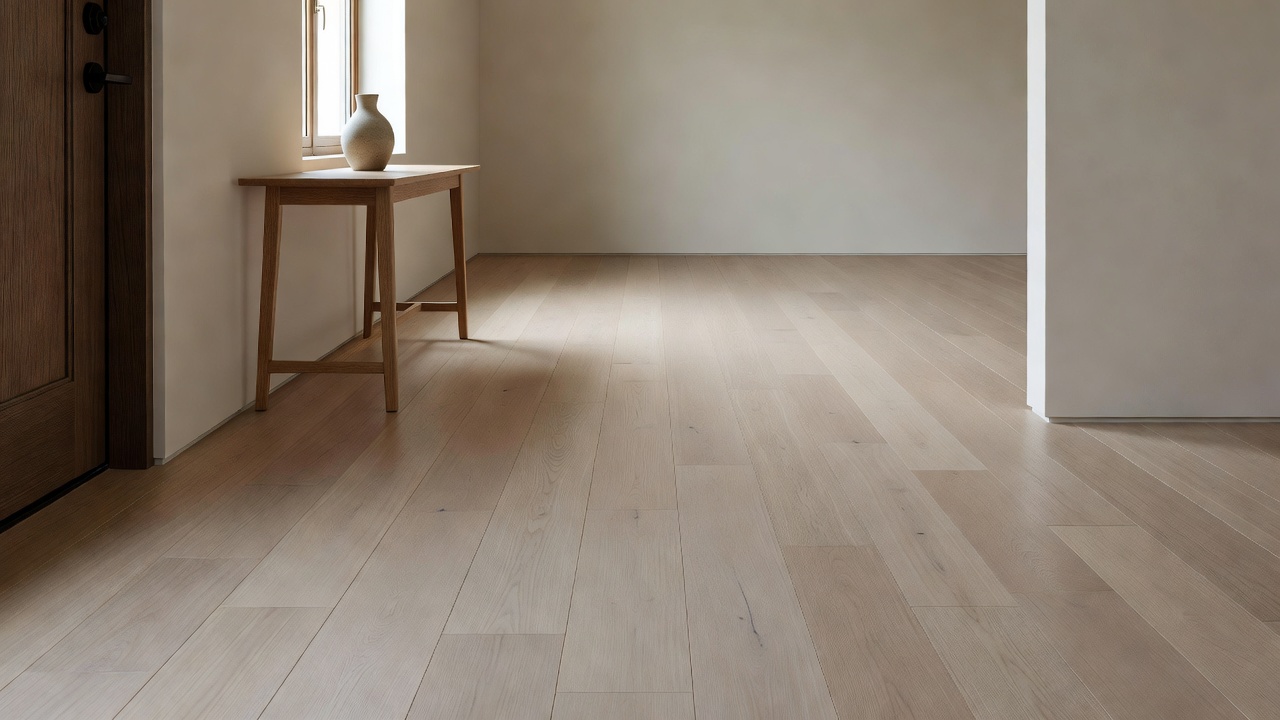
Carpet can remain in bedrooms when it is clean, neutral, intact and consistent with local expectations. Stairs are a separate safety and design decision; a coordinated runner can look intentional, while visibly worn wall-to-wall reads as deferred maintenance.
Turn the walkthrough into a room plan
Label every zone keep, clean, repair, refinish or replace. Record safety, odor, movement, moisture concern, photo visibility and the connection to adjacent rooms. Price only the necessary interventions and compare them with recent local listings. Stop when a plan hides damage, creates unsafe height changes, depends on a guaranteed return or rushes preparation to meet photography. Keep product identifiers, invoices and installation records for the buyer file.
FAQ
What is the best flooring for home staging?
Start with the safe, serviceable floor already present. When replacement is justified, restrained wood or wood-look candidates can support continuity, but architecture and local expectations control.
Should I replace flooring before selling my home?
Compare cleaning, repair and refinishing with replacement. Replace only when the existing condition creates an issue those smaller interventions cannot solve.
Should I refinish hardwood floors before listing?
Refinish when an assessment confirms the floor can accept the process and the result fits the listing plan. Price the correct scope rather than a generic “refinish.”
How important is flooring when selling a house?
It is one of the first large surfaces buyers see. Damaged floors can undermine otherwise careful staging, while clean and coherent floors remove one visible objection; neither condition guarantees a price or timeline.
Is LVP acceptable for higher-end listings?
It can be, but listing tier does not erase product quality. Compare appearance, transitions, installation and local buyer expectations.
A sale-preparation floor is one line in a local, room-by-room scope. Decide first whether the home is being prepared for sale or long-term living; that choice changes budget, material and maintenance priorities.
Sources & standards
- National Association of REALTORS® Remodeling Impact — national remodeling cost-recovery research; local sale results still vary.
- Federal Trade Commission warranty guidance — compare written coverage and exclusions when replacement material is part of the staging plan.
Checked August 30, 2026. Product instructions and local conditions control whenever they are more specific.