what floor is best for my project
How Floor Condition Shapes Buyer Perception
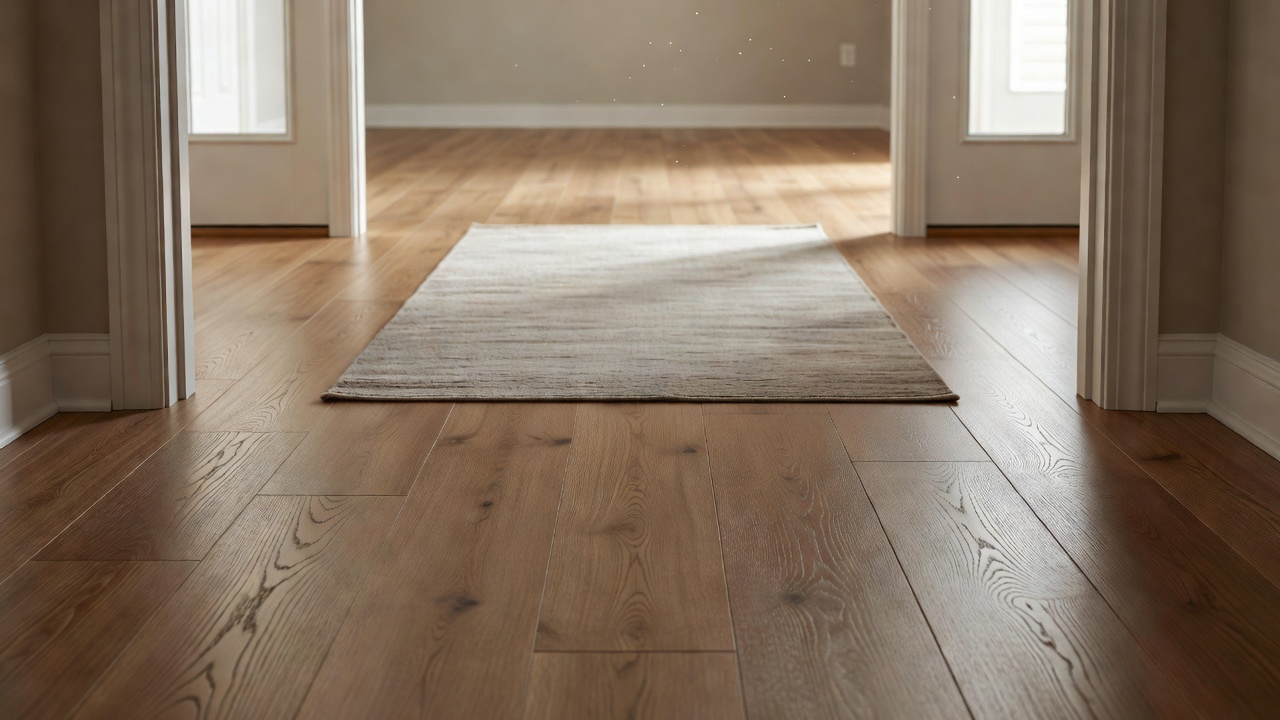
Floor condition can influence whether a buyer reads a house as maintained or as a future project, but it does not set an offer range on its own. Flooring is a large visible surface in listing photos and showings. Damage, odor, movement and abrupt transitions can create questions about repair scope; clean, coherent floors remove those particular questions. Price and timing still depend on the entire property and local market.
How important is flooring when selling a house?
Condition communicates more reliably than fashion. Continuous, well-kept floors can support an impression of maintenance, while movement, stains or improvised patches invite closer inspection. Do not claim that an appraiser or buyer will assign a particular amount; document the condition and compare it with current local competition.
Room priority matters. Entry, kitchen, and main living areas carry the heaviest psychological weight. Bedrooms can wait if the budget is tight. Buyers forgive a dated carpet upstairs far faster than they forgive a tired first impression at the front door. For deeper material comparisons that actually move numbers, see hardwood vs LVP resale performance.
Does new flooring increase home value or just buyer appeal?
New flooring may improve presentation, but increased sale value is not automatic. Cost recovery depends on the original condition, scope, material, workmanship and local expectations. The defensible question is whether cleaning, repair, refinishing or replacement removes an objection at a cost supported by comparable sales—not whether a national headline promises a return.
For the closest related guidance, see pre-listing flooring staging checklist.
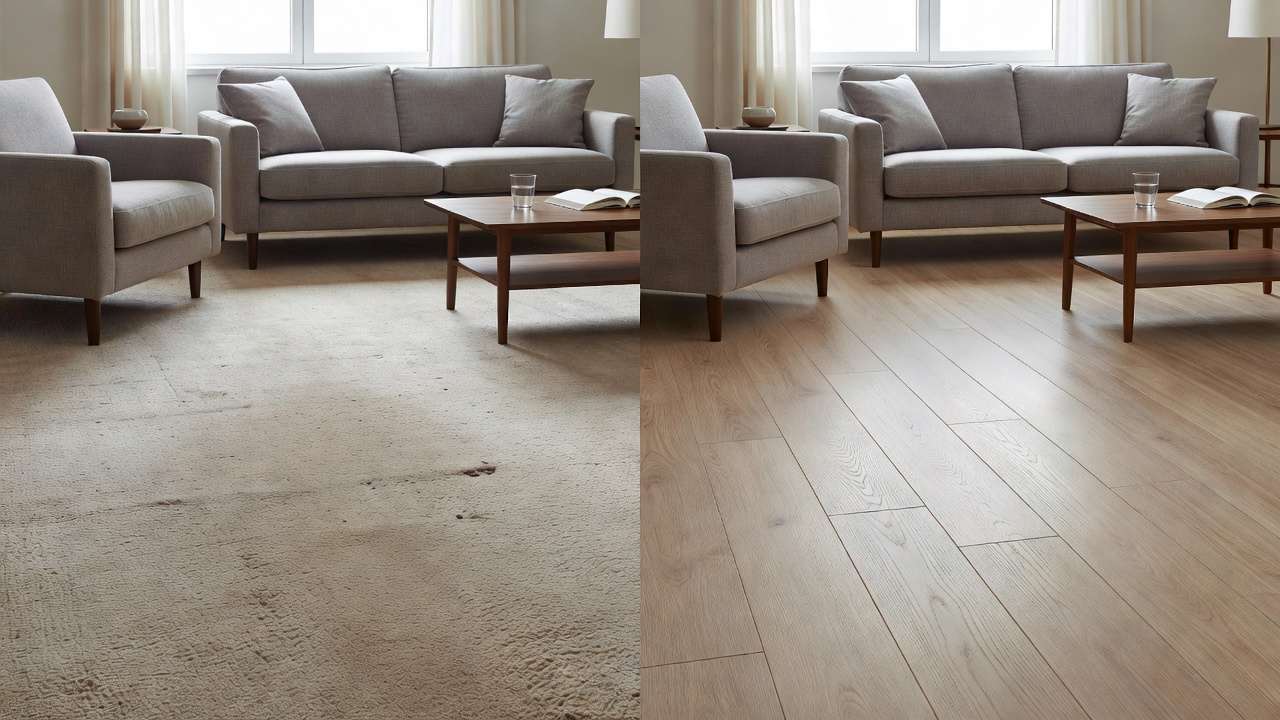
What flooring do home buyers prefer for move-in ready feel?
- Surfaces in safe, clean condition with no unexplained movement, odor or moisture damage.
- Consistent material through connected areas, or transitions that look deliberate and resolve height safely.
- A restrained color and sheen compatible with the architecture, cabinets and current local listings.
- A maintenance story a buyer can understand from product information and receipts.
LVP, engineered hardwood, solid wood, tile and clean existing carpet can all read as move-in ready when they fit the house. Category prestige does not rescue poor installation.
A condition-first sale decision
Walk the home in listing-photo order: entry, main living area, kitchen, hall, primary bedroom, secondary rooms and stairs. For each zone, mark keep, clean, repair, refinish or replace. Record visible defects, odor, movement, unsafe transitions and mismatch with adjacent rooms. Then obtain written scopes for only the zones that need intervention.
Compare those scopes with recent local listings at the same price tier. If neighboring homes retain clean carpet in bedrooms, replacement may be unnecessary. If competing main levels are continuous and the subject property has several damaged materials, a coordinated repair may matter more. A local agent can offer market context, but the seller should still ask for the comparable evidence behind the recommendation.
Avoid these resale-flooring mistakes
Do not cover active moisture, conceal damage with rugs, install a trend color unsupported by the house, or assume the cheapest material produces the best net result. Do not mix incompatible transitions merely to avoid addressing height. Keep invoices, product names, leftover material and any moisture or preparation records for the buyer packet. Most important, never advertise a guaranteed return or sale-speed outcome from flooring alone.
FAQ
How important is flooring when selling a house?
It is a large visible finish and can create repair questions, especially at the entry and through connected living spaces. Its effect varies with condition, the rest of the home and local competition.
Does new flooring increase home value or just buyer appeal?
It may improve presentation or remove a condition objection, but any value change is local and property-specific. Compare intervention cost with recent comparable sales.
Does damaged or outdated flooring lower offers?
It can influence negotiations when the condition implies immediate work, but there is no universal deduction. Document the defect and obtain a realistic repair scope before choosing repair or credit.
What flooring do home buyers prefer for move-in ready feel?
Safe, clean, coherent surfaces that fit the house. Material preference varies, so use local comparable listings rather than assuming every buyer wants LVP or hardwood.
Should I replace flooring in every room before listing?
No. Prioritize safety, odor, active damage and the main visual path. Clean secondary-room flooring can remain when it fits local expectations.
The time horizon changes the answer: a near-term sale plan should follow local evidence, while a long-term living plan can give more weight to personal maintenance and material preferences.
Sources & standards
- National Association of REALTORS® Remodeling Impact — national remodeling cost-recovery research; local sale results still vary.
- Federal Trade Commission warranty guidance — compare written coverage, exclusions and claims procedures before purchase.
Checked August 30, 2026. Product instructions and local conditions control whenever they are more specific.