Moisture Concerns and Replacing Warped Flooring
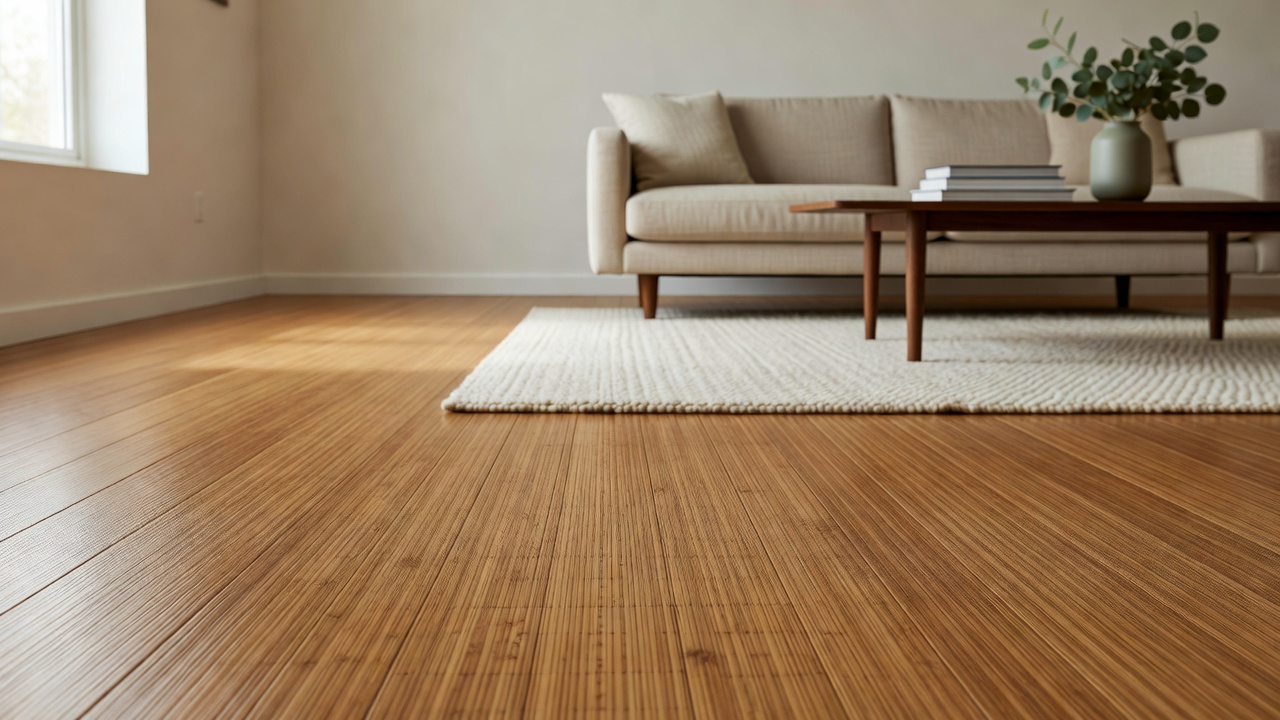
Q: Hello. I need some advice. About a year ago we installed a bamboo floor (glue down) with no moisture barrier directly on our cement slab. It completely warped. We then had a flooring expert tell us that we have 5% moisture in our floors and that our only choice was to remove the bamboo and install carpet.
We are looking into a french drain for our lot as we have a hillside behind our house and apparently a lot of moisture comes through the ground and into our cement slab. However, we are stubborn and are looking for a possibilty other than carpet. We are willing to have our cement resealed and use any type of moisture barrier necessary.
Could you recommend an alternative type of flooring that would be more resistant to moisture and an installation method that would work. We were considering engineered flooring, cork, etc.
Thank you, Audrey
A: Based on the description of your installation and the problem that occurred I would normally question a few things about the install process and time allowed for the bamboo to acclimate. In a glue down application, the adhesive itself acts as a moisture barrier so in that sense you should have been protected. The amount of moisture in your flooring does matter somewhat, but 5% is not very high. What is most important is the moisture content of your flooring versus the content of the subfloor before installation. Typically the difference between these two, regardless of installation type, should be 1 – 3% and I tend to recommend a 2% or less difference. This becomes a matter of acclimation time, giving your flooring plenty of time to acclimate to the environment of the room it is to be installed in is KEY.
I have had some personal experiences with moisture issues in my own basement to the point of getting a French drain system and various other issues with the concrete looked into, so I feel your pain here.
After you have your concrete cleaned, sealed and prepped for a floor, I would look into either a floating or glue down application. Floating would be the easier choice here as far as labor is concerned and you have lower risk of failure. Sadly glue down installations have the highest rate of failure because they must be done perfectly, for lack of a better term, to succeed.
As far as floors are concerned, I suggest looking into laminate or cork. Both of these types of flooring are a bit more water resistant that hardwood, but keep in mind no floor is water proof. Cork could very well be your best bet here as it is featured in both glue down tiles and floating planks. Cork is naturally water resistant, but keep in mind you still need to follow the rules here that wood and water do NOT mix. Ensure to clean up spills as soon as possible and ensure not water is left standing on the floor.
In the case of a floating floor ensure you use a moisture barrier (6mil polyethylene) then install your underlayment and then the floor. For a glue down application with cork, use a contact cement like Fastbond 30. My good friend Gene D. suggests using a contact cement over standard trowel adhesives as the cement performs better.
Once you choose and order your floor, give it plenty of time to acclimate. This means stacking the boxes in a lincoln log fashion to get maximum air flow around the boxes of product. This process can take time, so be prepared to give it a week or more. Pick up a moisture meter and test the subfloor and the product and make sure to record these numbers. For the subfloor, check each corner and the center. Once the floor is within 2% of the subfloor you should be ok to install. At this point, just make sure you give ample room at the edges of the floor for expansion and cover with appropriate trims and you should be golden.