what floor is best for my project
Compare Flooring Failure Modes for High-Traffic Rooms
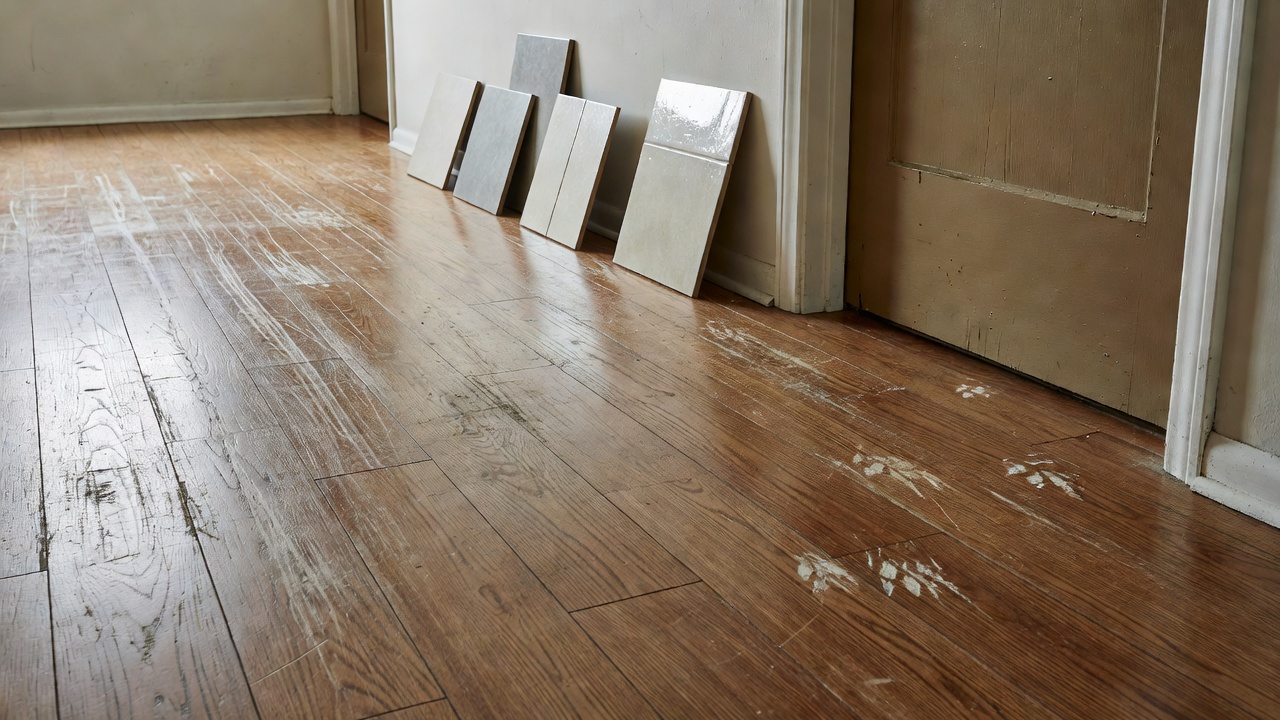
What is the most durable flooring for high traffic areas?
There is no single durability ranking because “durable” can mean resistance to abrasion, denting, water, broken joints or visible wear—or the ability to repair damage after it happens. Porcelain can resist water and surface abrasion but depends on a rigid, correctly prepared assembly. LVP can tolerate many spills but can scratch, gouge or separate at weak joints. Laminate performance depends on its classified use, edges and moisture claims. Hardwood can dent and scratch, yet some constructions can be repaired or renewed.
Skip a trend-driven visual when the product documentation does not match the room’s traffic, moisture and maintenance conditions.
How long does luxury vinyl plank (LVP) really last?
No generic lifespan is defensible. Start with the exact product’s intended-use classification and written warranty, then account for substrate preparation, rolling or point loads, tracked grit, sunlight, cleaning and water exclusions. The LVP wear-layer science guide explains why thickness alone cannot predict service life. Treat “pet-proof” as a claim to verify, not a test result.
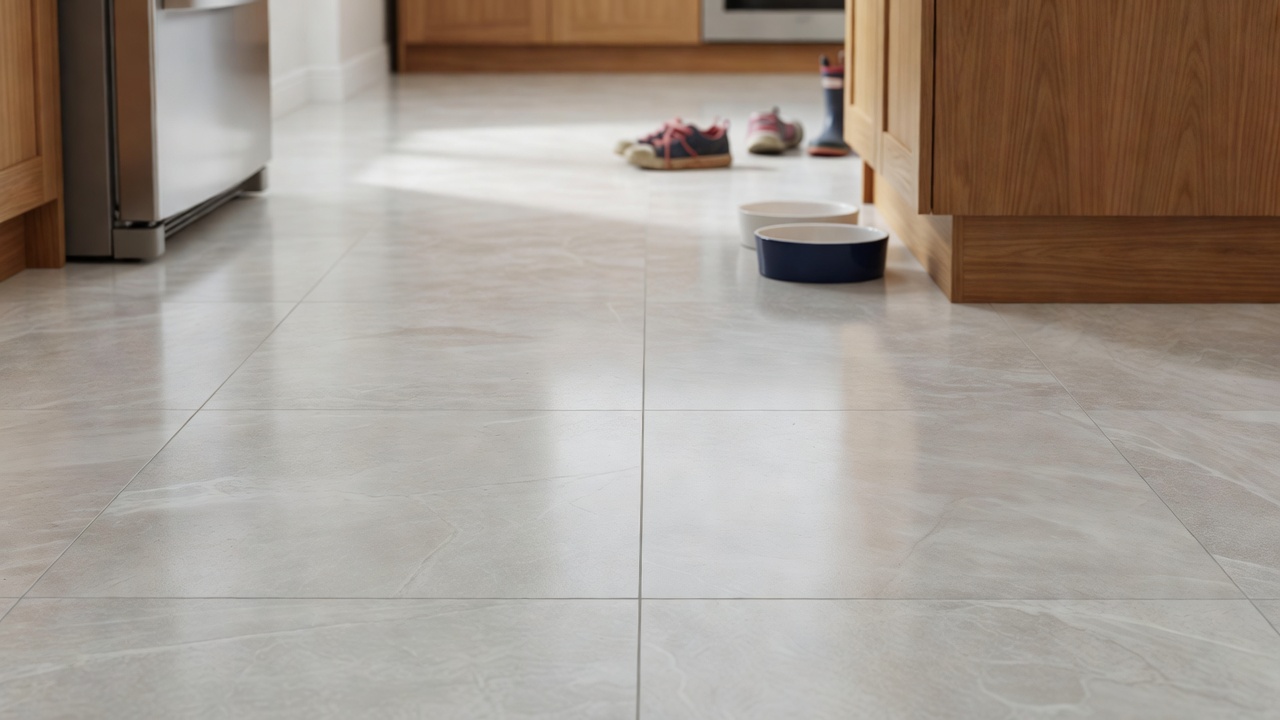
Is porcelain tile more durable than LVP or hardwood?
Porcelain is a strong candidate where surface hardness and water exposure dominate, but tile and grout can crack when the substrate or movement accommodation is wrong, and dropped objects can chip a tile. Hardwood trades greater dent and scratch sensitivity for potential repairability. LVP may feel less hard underfoot and can be easier to replace plank by plank, but repair details vary and deep gouges are not renewable. Compare those failure modes instead of declaring an unconditional winner.
For kids, pets and heavy use, add cleanability, slip behavior, sound, comfort and repair access to the durability screen. Verify permitted cleaners and stain claims. Entry mats and grit removal often protect the surface more effectively than moving one step up a marketing tier.
For the closest related guidance, see vinyl wear-layer thickness science.
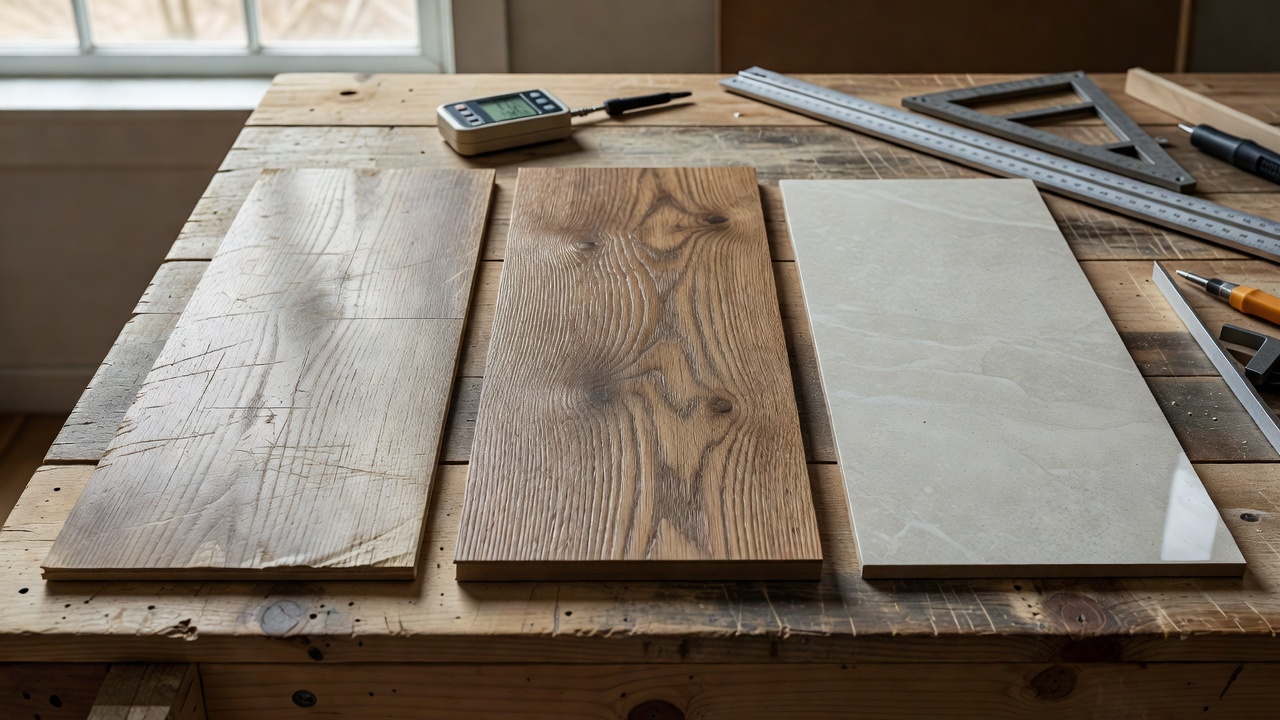
Match the material to the dominant failure
Write down the room’s most likely failure before shopping:
- Tracked grit and abrasion: compare declared use, coating or overlay data and maintenance instructions.
- Dropped objects and point loads: inspect dent, chip and repair implications; protect concentrated furniture loads.
- Standing water or leaks: read the complete water exclusions and protect the assembly below, not just the face.
- Rolling chairs or carts: verify rolling-load permission and use the specified protective mat where required.
- Sun and heat: check temperature and direct-light limits, especially at large windows.
- Substrate movement: solve deflection, flatness and joint problems before asking the finish to hide them.
Score each finalist on resistance, repairability, comfort, cleaning and total installed scope. A material that ranks second in surface hardness may be the better household floor when a damaged unit can be replaced and the family will maintain it correctly.
High-traffic installation checklist
Confirm moisture and flatness limits; compatible underlayment, adhesive or mortar; movement and perimeter details; transition support; lot and shade review; permitted rolling loads; care products; and spare material. Reject any proposal that promises durability without identifying the substrate preparation and accessories. Keep the technical sheet, warranty, test record, room map and spare pieces together.
FAQ
What is the most durable flooring for high-traffic areas?
No material wins every durability category. Porcelain is strong against water and surface wear; LVP can balance spill tolerance and comfort; hardwood offers repair options; classified laminate can suit dry traffic. Match the dominant failure.
How long does luxury vinyl plank (LVP) really last?
There is no defensible universal lifespan for high-traffic LVP. Use the specific product warranty and use classification, then account for substrate preparation, grit control, maintenance and exclusions.
Is porcelain tile more durable than LVP or hardwood?
Often for surface hardness and water exposure, but tile can chip or crack and depends on substrate stiffness and movement details. Hardwood and LVP offer different comfort and repair tradeoffs.
What flooring holds up best with kids, pets, and heavy use?
Choose from products whose written use, cleaning and warranty terms match the household. Porcelain and LVP are common candidates, but exact construction and installation matter more than the category label.
Does flooring wear layer thickness actually matter?
It matters, but it is only one variable. Compare coating chemistry, test method, intended use, maintenance, joint system and warranty alongside thickness.
Before demolition, identify the substrate and make the preparation work part of the written durability plan.
Sources & standards
- ASTM F2170 and ASTM F710 — concrete relative-humidity testing and resilient-floor substrate preparation.
- ASTM D4060 — what Taber abrasion testing measures and why coatings cannot be compared on thickness alone.
Checked August 30, 2026. Product instructions and local conditions control whenever they are more specific.