what floor is best for my project
Why Flooring Samples Change Between Showroom and Home
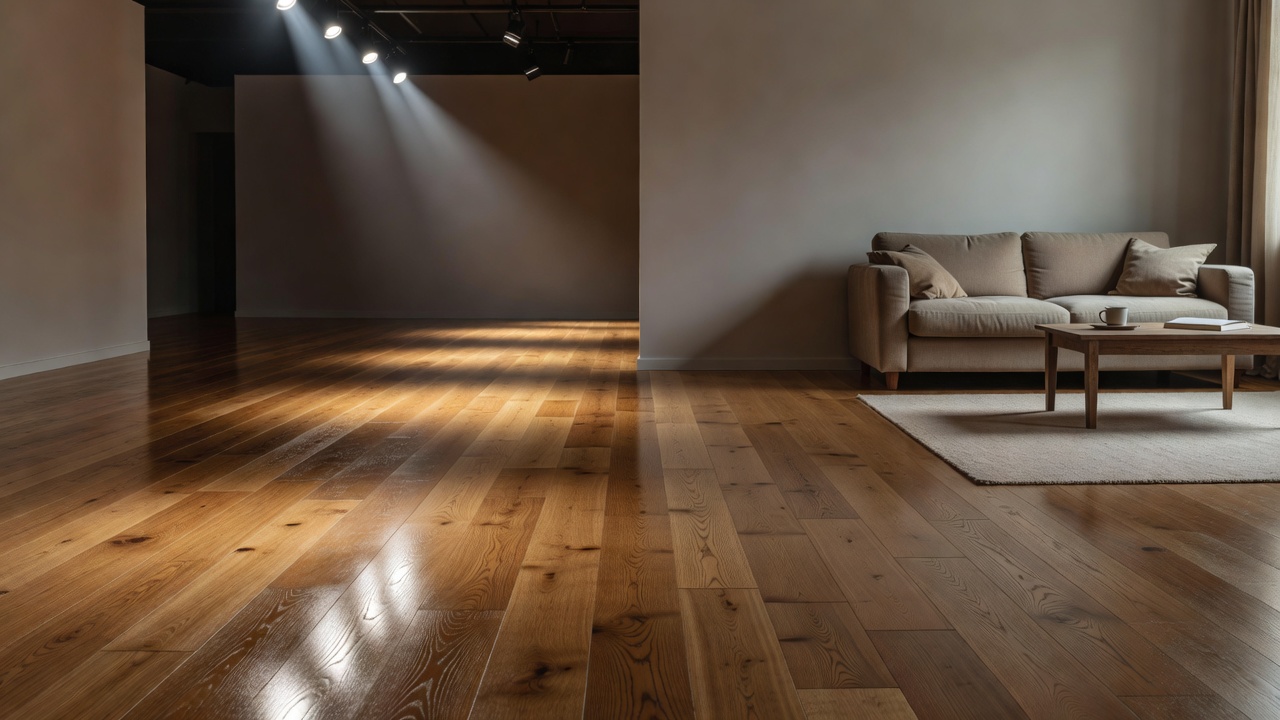
A plain definition, for those who prefer their truths unadorned: showroom flooring discrepancy is the optical difference between a plank viewed under retail lighting and surrounding displays and the same product viewed beside the home’s walls, furniture and electric light.
Why does my flooring look darker at home than it did in the showroom?
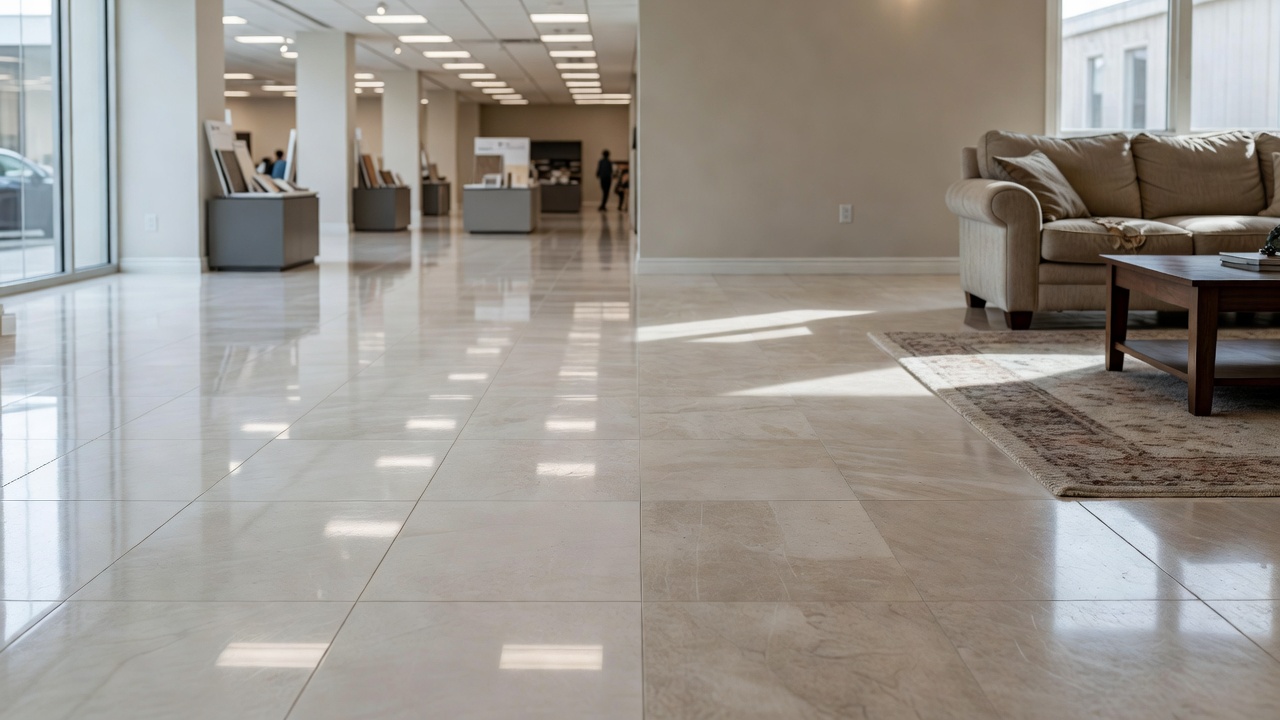
Because illuminant color, intensity, direction and surrounding colors change what the eye sees. A cool bright display and a warm residential lamp can emphasize different undertones in the same print or wood. Record the lamp specification when available, but trust the side-by-side sample test in the actual room more than a generic color-temperature assumption.
For the closest related guidance, see natural light and hardwood color shift.
Is it normal for flooring samples to look different after installation?
Some difference is normal because scale and surroundings change. Small samples cannot show the full frequency of knots, print repeats, stain variation or bevel highlights across an installed field. Use the largest representative sample available, lay several pieces together when permitted, and compare the product’s stated variation with what the room can tolerate.
Wall colors compound the betrayal. A cool gray wall will push warmth into the floor; a terracotta accent will make even a pale maple look vaguely apologetic. Furniture finishes do the same—your walnut media console will either converse with the floor or stage a quiet coup. This is why the discerning sole always takes large samples home. Not the pathetic little chips they hand you like party favors. Demand the oversized boards, the full cartons if you must. View them morning, noon, and under the lamp you actually use while doom-scrolling. how to test flooring samples at home
How can I avoid choosing the wrong flooring color?
By treating the showroom visit as reconnaissance, not romance. Arrive with your phone’s flashlight app set to warm white. Hold the sample against a photograph of your actual wall color—printed, not glowing on a screen that lies. Ask, with the chill authority of someone who has seen things, whether they can dim the overheads. Most cannot; the lighting is hard-wired into the sales liturgy. Note the time of day you visit. Note whether the “natural light” section is actually a skylight or merely a window dressed with sheer curtains that have never met real weather.
And for heaven’s sake, ignore the lifestyle vignettes. That perfectly staged reading nook with the cashmere throw and the single orchid is not your life. Your life has a dog who sheds in three colors and a coffee table that has survived two moves and one regrettable dinner party. The showroom’s job is to sell the aspiration. Yours is to buy the floor that will still look intentional when the aspiration has left the building.
Tasting Notes: A Mid-Range Engineered Oak Under Showroom and Residential Light
Under high-color-temperature retail lighting, pale wood can read cleaner and less yellow than it does beside warm residential lamps. North- and south-facing daylight can also emphasize different undertones. The useful “tasting note” is a written observation of color, grain contrast, sheen and adjacent finishes under each condition—not a judgment made from memory.
Does natural sunlight affect flooring color?
Mercilessly. Ultraviolet light is the great editor. It will bleach certain stains, amber others, and turn a carefully selected “smoked” finish into something that looks as though it spent a decade in a sunroom no one dusted. South- and west-facing rooms are particularly ruthless; north light is cooler and more forgiving but can make warm woods appear muddy. If your showroom sample never left the climate-controlled glow of retail, you have not met the real material. Demand a sample that has lived a little. Or, better, borrow a full carton for a long weekend and rotate it through every room like a debutante at a series of increasingly honest parties.
The budget-conscious flooring content creators—certain parties who shall remain nameless but whose initials may or may not be M.D.—will tell you to “just pick what you love and live with it.” How adorable. How settled. Some of us prefer to know whether the floor will still photograph well when the algorithm stops flattering us.
FAQ
Why does flooring look different in the showroom than at home?
Showroom lighting is cooler, brighter, and more directional than typical residential bulbs, while small samples ignore room scale, wall color, and furniture. The difference is staged performance versus daily reality. One simply adjusts one’s expectations—and one’s lamp temperatures—accordingly.
Is it worth taking flooring samples home?
Yes. Large samples viewed at multiple times of day under your actual lights are the only reliable defense against buyer’s remorse. Anything less is gambling with square footage you will stare at for a decade.
Can wall colors change how flooring looks?
Absolutely. Cool walls pull warmth into the floor; warm walls can mute or muddy cooler tones. Always test samples against your finished paint, not the showroom’s eternal white.
How do I know if showroom lighting is tricking me?
Compare the sample under showroom light, daylight and the electric light used at home. A major undertone or sheen shift between settings is evidence that lighting and surroundings are changing the read.
Should I still visit the showroom at all?
Yes. Use the showroom to inspect larger samples and collect exact documents, then make the final decision only after evaluating the sample in the room.
Sources & standards
- Federal Trade Commission warranty guidance — compare written coverage, exclusions and claims procedures before purchase.
- USDA Forest Products Laboratory Wood Handbook — wood color, moisture behavior and material variation relevant to sample evaluation.
Checked August 30, 2026. Product instructions and local conditions control whenever they are more specific.