Flooring for an Elevator
Q: I am looking for some light-weight eco-friendly flooring for our elevators in our condo.
Do you have suggestions. It is a contemporary building with two main elevators that get a lot of traffic. But it has to look nice and react well to people. Can you help me or suggest some ideas?
Thanks,
Mia
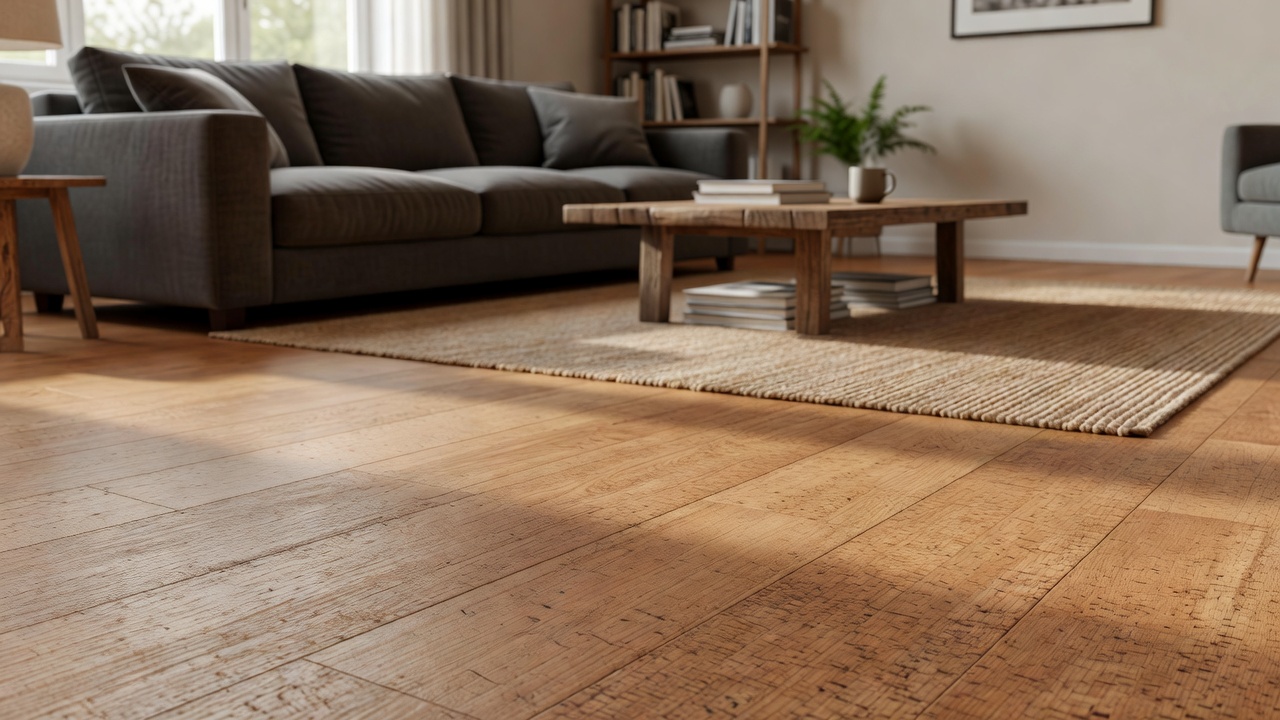
A: Depending on the maintenance routine you expect to keep on your elevator will determine what option will end up best for you. If you will only be seeing foot traffic and not a lot of movement of heavier objects like furniture, the cork can be a great option for your elevator.
Cork, although soft, naturally resists denting because it will push dents out. Now with cork, you will want to have a regular cleaning schedule to ensure grit and debris is kept off the floor. Unlike the finishes on something like laminate, the finish applied to cork is not quite as durable, because it needs to flex with the cork during impacts or else it would crack. This means the finish on cork is a bit easier to scratch, but basic foot traffic should not be an issue – unkempt pets and dragging heavier objects however will cause some problems. Most commercially installed cork floors are screened once every couple of years to ensure the finish remains tip top and this is enough to keep a good cork lasting for decades. If you choose cork, use a glue down application or float over cork underlayment to ensure the floor flexes as little as possible.
Another option here would be a good laminate, preferably European made which is meets or exceeds E1 standards. This can be tough, but there are several high-quality laminate floors out there which can make these standards. The benefit in laminate is that it is the most resilient wood flooring out there. Laminate’s finish and construction is built to take higher levels of traffic especially when it comes to abrasion. With laminate you will have a floating floor, which means a dense underlayment is crucial to keep up with high levels of traffic – this means cork or sound 6, but I would lean toward 6mm cork to handle commercial levels of traffic.
A final option would be VCT. Vinyl composition tile, which is found commonly in elevators, grocery stores and hospitals, is super durable stuff, but has a bit less of the “green” story than something like cork. VCT is light, durable, and built for traffic – which is why it is so common in places like hospitals or grocery stores where there is constant traffic and a need for lower maintenance flooring.
In the end here you will want to determine what traffic you expect to see and what maintenance schedule you want to keep. If cleaning the floor will be common, say once a week or more, and adding new finish every few years is acceptable, cork is a great choice for both design and its eco-friendly story. If you want a wood looking floor which can take a bit more abuse – go with laminate. If you expect lots of heavy traffic and want a floor which is built to handle anything thrown at it with little maintenance required, get some VCT.