Carbonized Bamboo Flooring – Durabuility Question
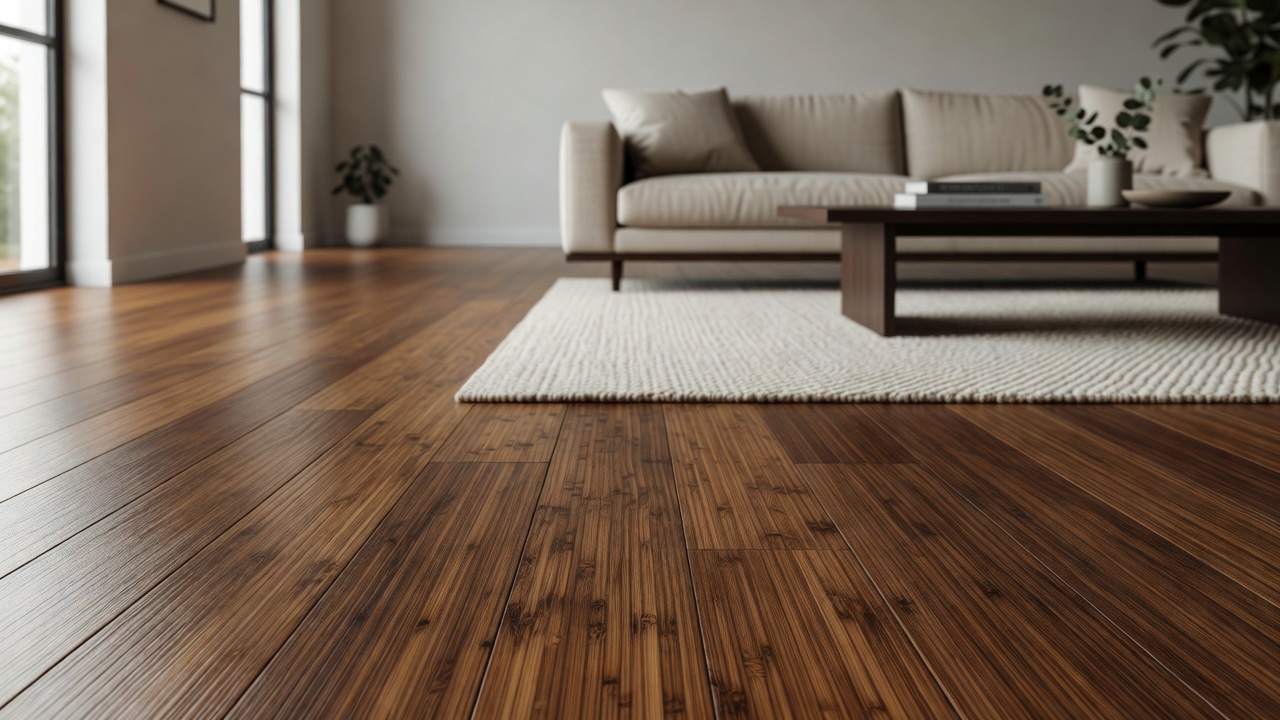
Q: I’m an architect based in New York. Few months ago I proposed your 3’ horizontal carbonized bamboo (Westhollow bamboo, style series II premium) to some clients of mine for residential use.
The bamboo was approved, purchased and installed about two months ago.
In such short time, my clients have noticed that the bamboo floor does not seem to be very durable. The floor gets dented and easily scratched (and gets very deep scratches from walking/shoes) just from normal day-to-day use.
They are now very concerned that it will not hold up in the long-term and they do not want to end up replacing the flooring a year or two down the road. Is there any suggestion or solution you can give us to improve the durability of this material?
Thank you,
Luca
A: Before we dig too deeply into how durable a floor is, let’s first define what portion of the product’s durability affects the various types of damage a floor can encounter.
Dent resistance is a matter of the floor’s hardness, which is found by looking at the Janka hardness rating for the species of flooring. The Janka hardness test measures the amount of force required to push a steel ball with a diameter of 11.28 millimeters (0.444 inches) into the wood to a depth of half the ball’s diameter. The result is expressed in pounds-force (lbf). Carbonized bamboo has a Janka rating of 1120, this means that it is more brittle than white oak (which sits at 1360). A person in stiletto heels, weighing 125 lbs. exerts approx. 2,000 lbs. of pressure per square inch. This means that any normal person wearing high heals exerts enough pressure to dent a carbonized bamboo floor just by walking over it.
Scratch resistance is primarily a matter of the finish on the floor. Certain finishes are better at resisting scratches than others – typically these are finishes containing larger quantities of aluminum oxide. The Klumpp finish, which is featured on Westhollow’s bamboo floors, is a UV cured polyurethane with aluminum oxide. It is built to help resist scratching, but no floor is impervious to damage. If grit or dirt is allowed to stay on the floor, even regular foot traffic can cause scratching as this dirt or grit is dragged over the floor.
It is possible to take a few measure to prevent these kinds of damage and to ensure a long life time for your floor, even softer floors like carbonized bamboo. Having a regular schedule of maintenance – vacuuming and mopping will help prevent particulates from remaining on your floor. Using place mats at exterior doors will help prevent grit and dirt from coming into the home. Keeping heeled shoes in good repair and ensuring the rubber pads are in place will help cushion the impact of walking over a floor. Also, having slippers or wearing socks in your home rather than normal shoes will help prevent grit and excess pressure exertion on your floor, which will help prevent denting and scratching. Use felt pads or furniture cups to protect the floor from moving furniture causing any damage.
Now, if this routine is in effect and dents and scratches are still occurring then there is a chance that something may be wrong with the product itself and the manufacturer should be contacted. This is typically very rare, but in some cases a portion of the curing process for the floor might not have happened properly and a product which appeared in proper condition could have a defect. I stress that this is rare and typically basic care practices can prevent a majority of damage a floor would receive.