Cork – Planks vs Glue Down
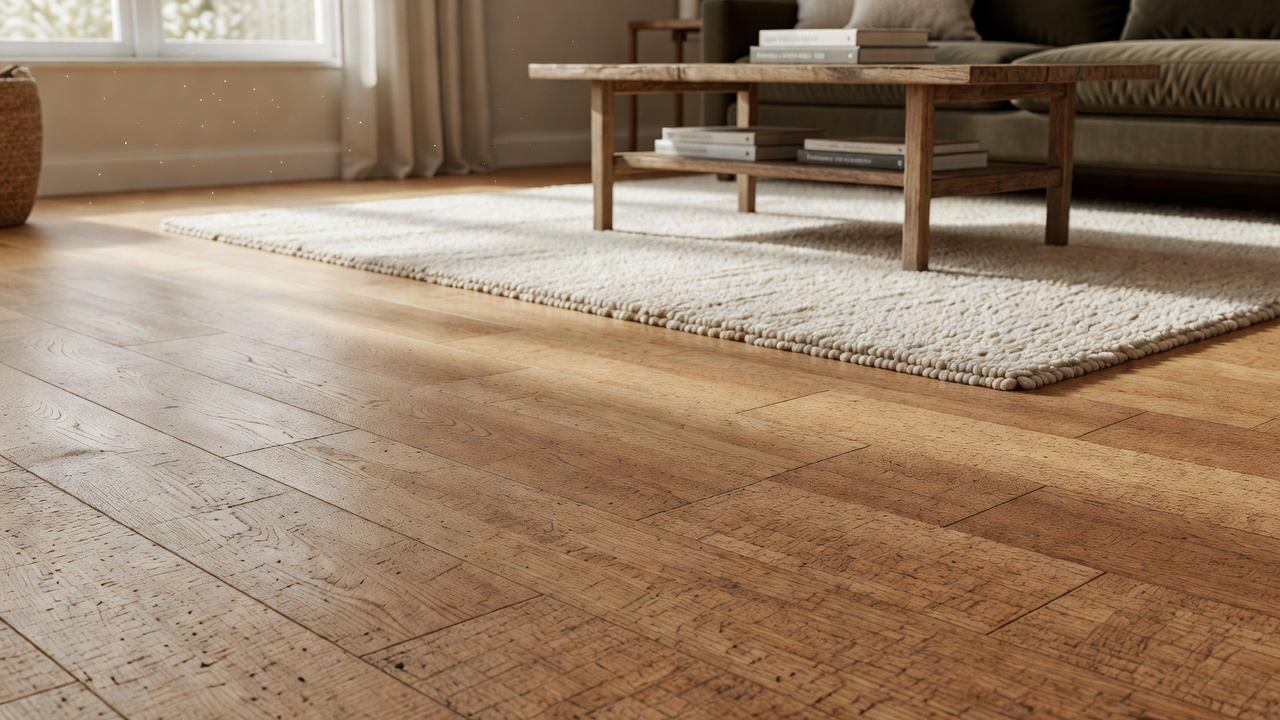
Q: I had been previously considering terra cotta colored ceramic tiles for my kitchen as we have red dirt here in Oklahoma. Lately I have been looking into cork as shipping costs are much lower.
My kitchen is slab on grade with linoleum sheet flooring. The kitchen is adjacent to the laundry room. Due to plumbing mishaps, the laundry room has flooded into the kitchen a bit several times. I don’t like the hollow sound of walking on floating floors and I am thinking that in or near wet areas floating floors are not a good idea.
1. Is glue down cork tile likely to resist flood damage better as there is no hollow space beneath it to capture and trap water?
2. Assuming I have some gouged flooring, which type of flooring, plank or glue down is easier to make a more seamless replacement of the damaged areas?
3. Can glue down or planks be installed over sheet linoleum?
Thanks in advance,
-Ed
A: In areas where you are likely to encounter a bit of water, especially if you have flooding concerns, I would not advise using any wood flooring. Typically in cases like yours it is best to use a tile or stone, but measures can be taken which will help make a wood floor such as cork more likely to succeed in your kitchen.
A cork floor which has been glued in place is more likely to resist moisture, as the adhesive itself will act as a moisture seal for the underside of the cork tiles. I would not suggest gluing tiles over sheet linoleum, as it is always better to adhere a floor directly to the subfloor itself as this promotes success far better. In some cases floors can not be glued to a current flooring surface, which is why I make this suggestion.
In the case where your flooring gets damaged, such as a gouge, it is much easier to repair a floating floor as the floating cork floors today are made with locking mechanisms, which means you can take up flooring to the damaged area and replace with new or spare flooring. With glued down cork, you would have to remove the glued down tile and its adhesive, lay new adhesive and install a new tile which can be very tedious.
One thing you should keep in mind here is that cork is a natural product. Should standing water, like a flood, get into the planks it will damage them. This means that should your home flood again, and enough water gets into the seams of the floor it can warp and distort the floor. Now, if you glue a floor into place, properly seal the edges and apply a site finish to the entire floor (this is typical of many commercially installed cork floors) you can significantly improve your chances for your floor to be able to deal with such a problem should it occur again. Although its not suggested to place a wood floor into an area which has potential for higher amounts of moisture, but it can be done with some hard work and patience.