Screening/Re-screening Floors
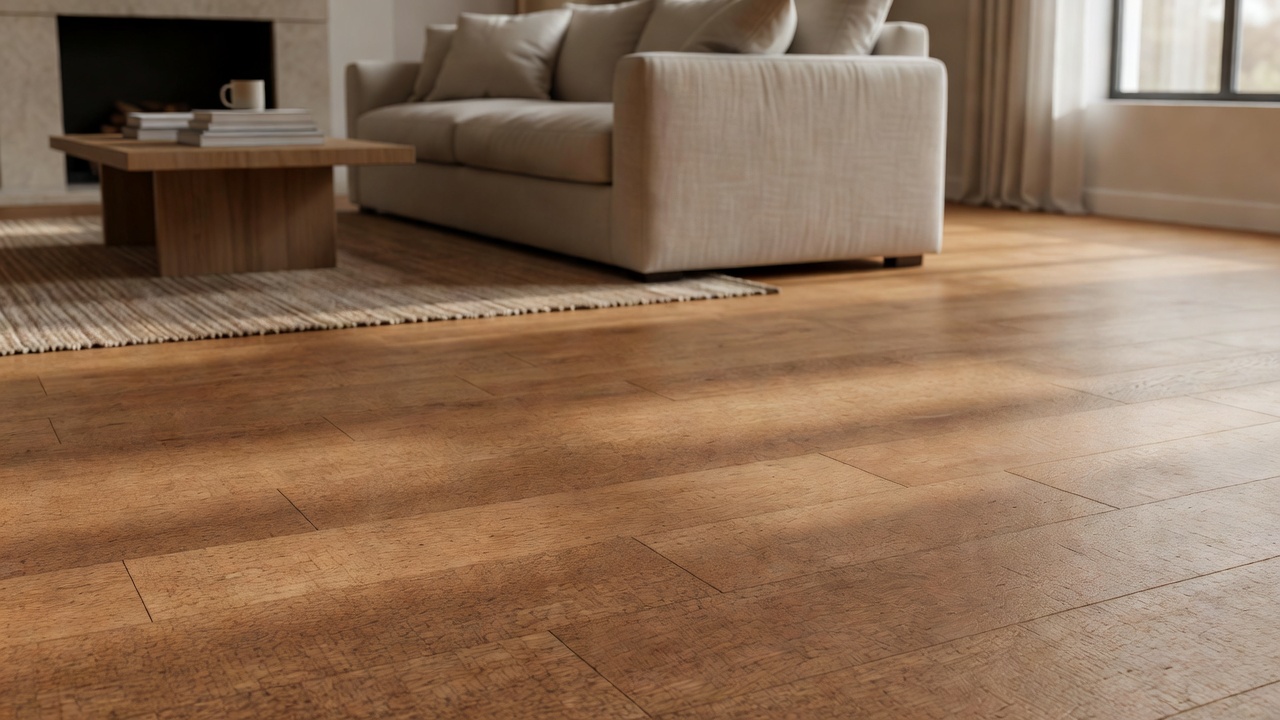
Q: What is meant when someone says “re-screen a floor?”
A: This goes back somewhat to our question from Lucy about her cork flooring. Re-screening a floor is a way to refinish a floor without actually sanding off any of the wood surface. This is typically used with bamboo or cork flooring to refresh the finish on a floor, removing the appearance of scratches or scuffs.
To screen a floor, you must keep in mind a few things. First this will more than likely void any warranty you have on your floor’s finish, so always consult your floor’s manufacturer before doing a re-screen. Secondly, I highly suggest consulting a professional floor re-finisher as this is a tedious task and it requires very exacting methods to ensure no issues occur with the new finish (such as bubbling, flaking or blotchy spots).
You will start by ensuring the floor is clean, then using a buffer or sanding block and a high grit screen/sand paper (usually 200 to 400 grit) or you can use a maroon pad (320 grit equivalent), you will lightly rough up or buff the surface of the floor. The key here is light buffing to prevent the appearance of swirl marks. If you are going to use a machine to buff, ensure this is a polisher built to remove less finish. If this is done by hand, the block you are using (typically a mop head and pole configuration similar to the ones used to clean floors) the weight of the block alone should be enough to buff the surface so there is no need to apply additional pressure. This will allow a new layer of finish to properly adhere to the floor.
Then, using a proper finish that suits your desires and your floor, apply the finish. The rule here is to keep the coats thin to allow for even distribution. It is better to use many thin coats rather than thicker coats. Always ensure to follow the instructions provided by the finish manufacturer. Normally you will want to apply 2 – 3 coats when doing a full re-screen, but make sure to buff before laying each new coat of finish. Always allow proper time to dry and ensure the temperature in your home is not too high. When finish layers dry too quickly, they will cause fish eye shaped bubbles or begin to flake off because they do not adhere properly.
Remember, always consult your floor’s manufacturer first for recommendations and exclusions and follow all instructions to apply new layers of finish.