Crawlspaces and Wood Floors
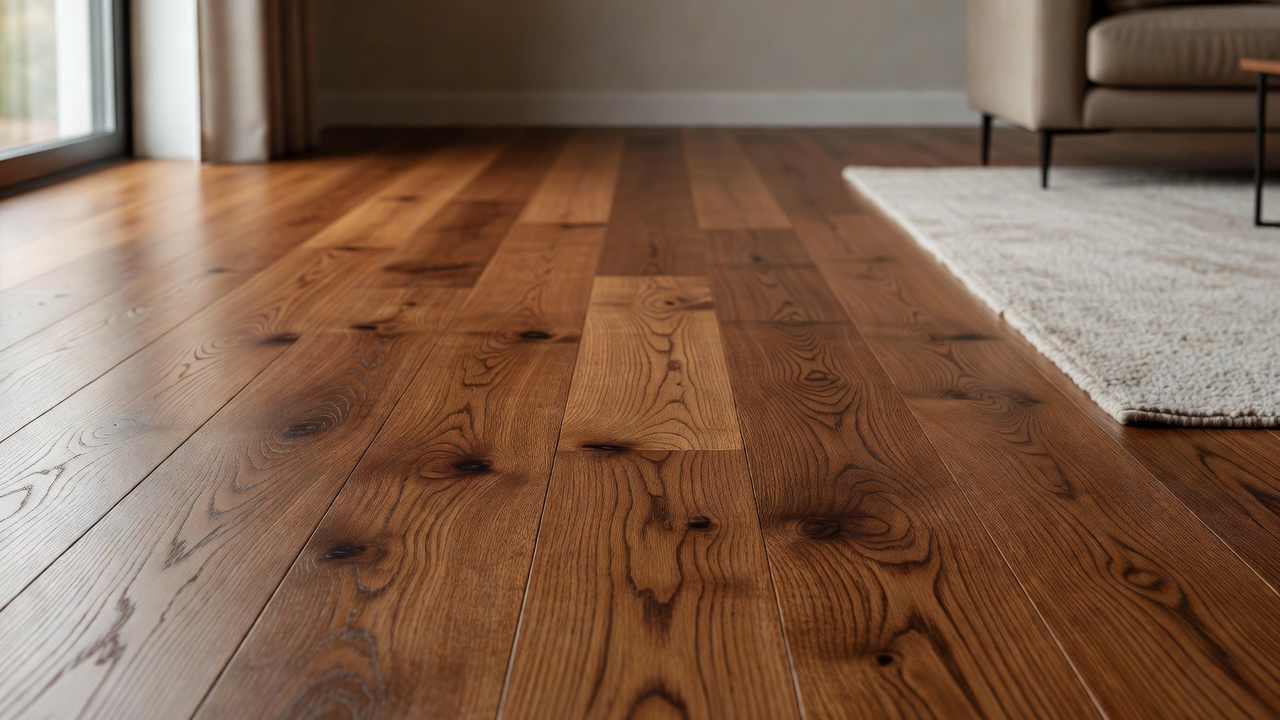
Q: We are planning on a new solid hardwood floor. In order to eliminate a height difference between rooms the new hardwood will be installed over a new sub floor (13/16″) on top of the existing plywood. We “live on the water”, in southwestern Ontario. There is a heated/AC crawl space under this floor. During the winter the house is empty, with the heat set at approx:55 degrees.
We wanted to use 5″ boards but were cautioned about cupping, warping, by a supplier. Should this be a true concern? Recommendations?
Jack
A: First of all I suggest using an engineered product. Engineered products are naturally far more stable, and the more plies the better. Stability is key when trying to combat movement in your floor. Wood being a natural product will expand and contract due to temperature and moisture which can cause nasty things like buckling, gapping or warping when proper expansion room and installation procedure is not observed. Bellefloor is an excellent example of a great engineered product that would be great for your project and will still look and feel great. Also, engineered floors are more common in wide plank appearance.
Movement will occur because of the air flow with your crawl space, but more importantly because of the temperature you leave your home at during the winter. This is an issues referred to as “Empty House Syndrome” (don’t get this confused with Empty Nest Syndrome, Empty House Syndrome is a flooring term), but basically when people leave a home for a specific season, and leave the home at lower temperature to save on bills, this temperature change causes the floor to contract and buckle. Your best protective measure will be to keep you home around 62 to 64 degrees Fahrenheit. In regards to the crawl space the Wood Flooring Manufacturer’s Association states:
NOFMA recommends that a crawlspace be kept dry. Water, mud or excessively damp earth should not be present. A good ground cover (6-mil poly or equivalent) over 100% of the crawlspace earth should be installed as an effective moisture barrier, and good cross ventilation should be present.
Now if using a solid product is your only choice, I would suggest that you use a hand scrapped to hide the movement that will occur. Mullican makes some great solid hand scrapped products which could fit this project. You can also consider Somerset’s Hand Scrapped Collection. My best suggestion to help avoid cupping or warping would be to follow a few precautions.
Initially, give the wood plenty of time to acclimate. Normally acclimation is done for 3 days to a week, but in this case, make sure the wood is in the room and is allowed to acclimate for upwards of a month. Sounds like a long time I know, but it will help to ensure the wood is accustomed to the area it will be installed. Keep your indoor temperature controlled for the same temperature all year long (low to mid 60s Fahrenheit being your best bet). Ensure your crawlspace has proper moisture protection and ventilation. Going ahead with the installation use 15 lb roofing felt instead of resin paper. Specs call out for gluing and nailing 5″ and wider boards, Large tubes of construction mastic, just a lazy “S” down the board or on the subfloor then set and nail, I would use 2″ cleats when nailing down the solid.