questions to ask flooring contractor
Flooring Contractor Red Flags: 30-Year Pro Guide
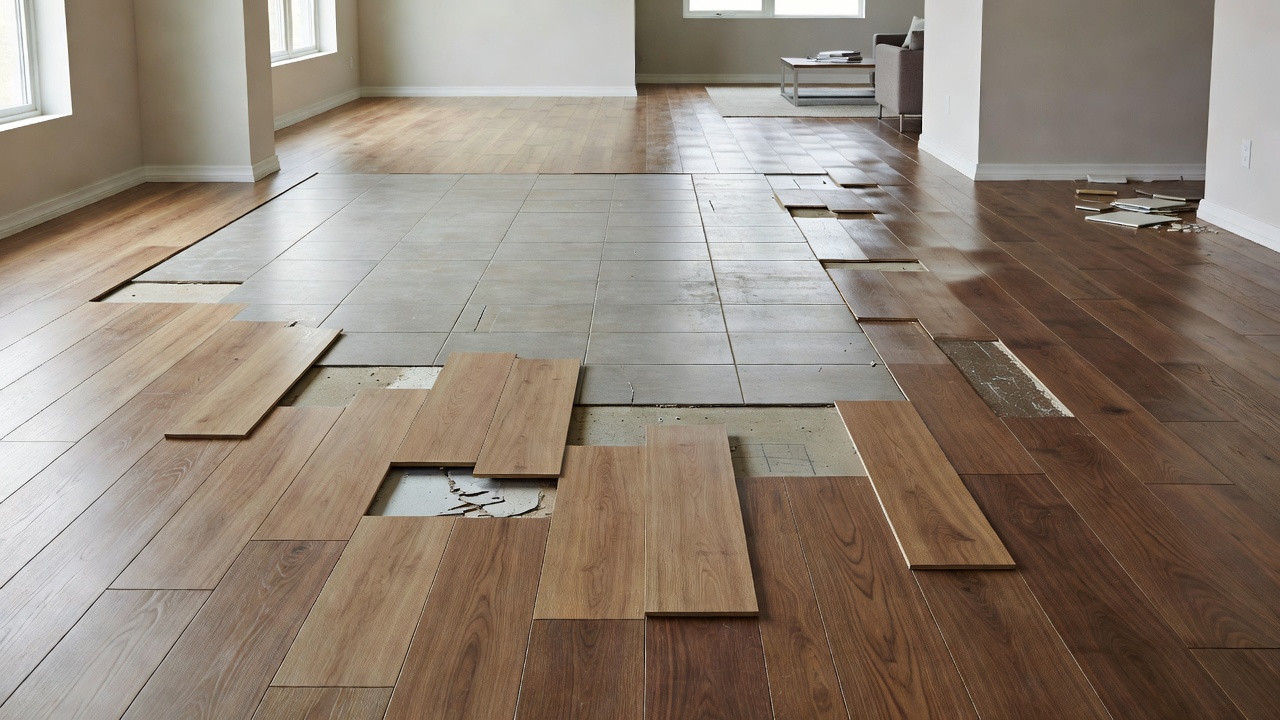 The biggest flooring contractor red flags aren’t the ones on those shiny hiring checklists. They’re the crew that never opens a moisture meter, the bid that somehow skips subfloor work, and the guy who wants half the money before he’s scraped a single nail. Flooring contractor red flags are the job-site behaviors and contract gaps that predict failed installs, voided warranties, and floors that cup, peak, or peel within two seasons — not whether their truck has a logo.
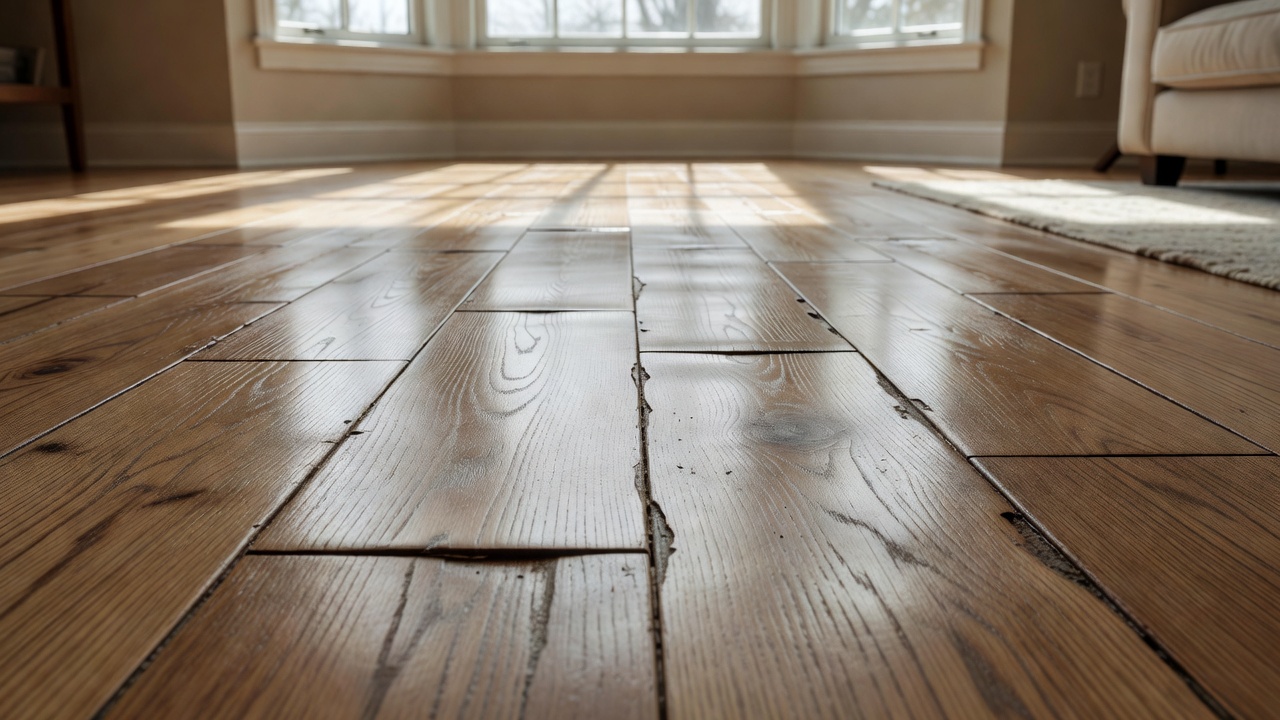
I was on my second cup of gas-station coffee outside a ranch in West Allis when the homeowner waved me into a living room that smelled like a wet basement wearing perfume. Brand-new engineered oak, installed six months prior by “a really nice crew, very fast.” Boards were peaking at every joint. He wanted me to “just sand it.” I wanted to find the original installer and explain physics with a straightedge.
What are the biggest red flags when hiring a flooring contractor?
If they won’t put moisture testing and subfloor prep in writing, walk. That’s the hard rule. Everything else is noise.
Licensing and insurance matter — sure. References matter. A fat deposit demand before materials hit the driveway is a classic warning. But I’ve watched fully insured, five-star-reviewed outfits destroy a floor because they treated the slab like a suggestion. Generic lists stop at paperwork. Real damage starts when nobody tests the concrete or the plywood.
Watch for these on the actual walkthrough:
- They glance at the subfloor and say it “looks fine” without a meter, a straightedge, or a flashlight in the crawl space. Never trust a floor that “looks fine” in the showroom lighting — and never trust a contractor who uses the same phrase on a dirty jobsite.
- The bid has one line for “install” and zero lines for leveling, patching, vapor barrier, or acclimation days. Subfloor prep is 80% of the job and nobody wants to pay for it. When the price feels like a steal, you’re the one funding the shortcut.
- They promise same-week install on material that still needs 48–72 hours in the house. Rushed acclimation is how you get gaps in winter and buckles in July.
- Cash-only, no written scope, or “we’ll figure the transitions later.” Transitions are where bad installs confess.
- They dismiss your existing floor’s failure as “just old product” without asking about the slab, the crawl, or the humidifier you never run.
I once watched a crew float LVP over a slab that read 94% RH because the homeowner had already paid for the material and “just wanted it done before the in-laws.” Eight months later the locking joints looked like a washboard. The contractor’s text said the product was defective. The product was fine. The moisture was not.
That’s the rant I give every spring: moisture testing isn’t optional theater. Concrete wicks. Plywood moves. If your guy doesn’t own a calcium chloride kit or a quality in-situ probe — or worse, owns one and leaves it in the truck — he is gambling with your floor. I still remember a kitchen in ’09, white oak over a slab that “felt dry.” No test. No poly. By Thanksgiving the boards had cupped hard enough you could catch a sock on the edges. Homeowner cried. Manufacturer denied the claim. Contractor had already moved to Florida. I spent three days tearing it out and two more grinding high spots the first crew never touched. The second install held. The first one never had a chance. If they skip the meter, they’re not saving you money. They’re selling you a future tear-out.
For the boring-but-real side of vetting — insurance certificates, lien waivers, how deposits should actually work — see our notes on [LINK: hiring a flooring contractor the right way]. Don’t skip that paper. Just don’t stop there.
Do flooring contractors properly prep the subfloor and test moisture?
Most of the time? No. Not the way the manufacturer’s instructions and every warranty page demand.
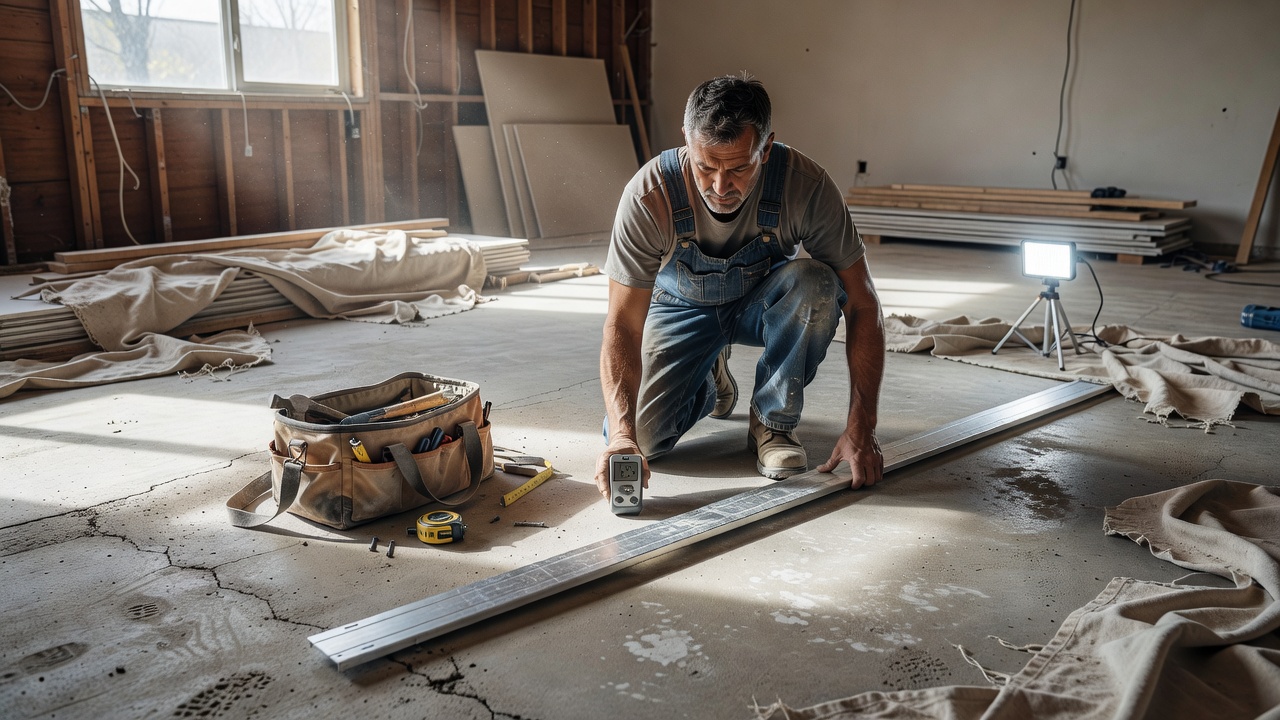
A proper pro will measure RH or MVER on concrete, check wood subfloors for deflection and moisture content, grind or patch until a 6-foot straightedge doesn’t rock, and document the numbers. A hack will sweep once, shoot a few fasteners into a soft spot, and start clicking planks because the schedule said Tuesday.
Ask to see the meter reading. Ask what flatness tolerance they’re building to — usually 3/16" in 10 feet for a lot of floating floors, tighter for some glue-downs. If they shrug, you’re not hiring an installer. You’re hiring a material delivery service with kneepads.
Subfloor lies are the quietest red flag. “It’s within tolerance” without a photo of the straightedge is a story. “We’ll use the underlayment to hide it” is how you get vertical movement that breaks click joints in eighteen months. Underlayment is not a magic carpet. It does not fix a potato-chip slab.
Same goes for old adhesive, cutback, and mystery vinyl. If they don’t talk about encapsulation or removal before a new glue-down, they’re planning to invent a method on your dime. I’ve seen that method. It fails in a pattern that matches the old trowel ridges.
When you’re comparing [LINK: subfloor prep flooring contractor] scopes, the longer prep line is usually the honest one. Cheap bids bury prep in silence.
What questions should I ask a flooring contractor before hiring?
Skip the softballs. Ask the questions that make lazy crews uncomfortable.
Who is actually on their knees tomorrow — the estimator or a subcontracted crew you’ve never met? How many days of acclimation are built into the schedule, and where will the material sit? What moisture numbers will make you stop the job instead of “going ahead careful”? How are transitions, undercuts, and existing baseboards handled in the price? What does the warranty exclude the day after you sign — and does their labor warranty outlive their LLC?
Ask who buys the moisture test and who keeps the printout. Ask what happens if the slab fails. A pro has a plan. A red-flag outfit has a shrug and a change order.
Get the scope in writing with prep called out by name. Verbal “yeah we’ll take care of it” dies the morning the truck shows up light on patch compound.
One more: ask how they handle the last 10%. Punch lists separate grown-ups from guys who ghost when the big check clears.
Is hiring a professional flooring contractor worth it?
Yes — if you hire the kind that still owns a moisture meter and isn’t allergic to grinding. No — if “pro” just means they have a vinyl wrap on the van and a coupon for this month’s wide-plank obsession.
DIY vs professional flooring installation isn’t a morality play. I’ve fixed enough floating floors installed by careful homeowners that I won’t pretend a weekend warrior always fails. I’ve also torn out enough “pro” work that smelled like a race to the next bid. The difference worth paying for is subfloor honesty, layout that doesn’t leave a trianguar sliver at the doorway, and adhesive that matches the product instead of whatever was on sale.
Trend floors make this worse. Everyone wants the pale, wide, matte board that photographs like a Swedish loft and forgives nothing on an imperfect slab. Installers who chase that look without fixing the floor underneath are why your friend is already shopping rugs “for interest.” Interest. Right. That’s one way to say camouflage.
Pay for prep. Pay for time. Don’t pay for charm.
FAQ
What are the biggest red flags when hiring a flooring contractor?
No written moisture testing, no subfloor prep line on the bid, heavy deposit before materials arrive, and a walkthrough that never uses a meter or straightedge. Those predict failure better than a missing logo on the truck.
Do flooring contractors always test moisture and prep the subfloor?
No. Many skip both to hit a low number and a fast schedule. If it’s not documented in the contract and you don’t see the tools on day one, assume it isn’t happening.
What questions should I ask a flooring contractor before hiring?
Ask who performs the work, what moisture readings stop the job, how flatness will be corrected, what’s excluded from warranty, and whether prep and transitions are itemized. Vague answers are answers.
Is hiring a professional flooring contractor worth it versus DIY?
Worth it when the pro prices real prep and stands behind moisture numbers. Not worth it when “professional” means speed and a thin bid that leaves the slab untouched.
What flooring installation mistakes do contractors hide?
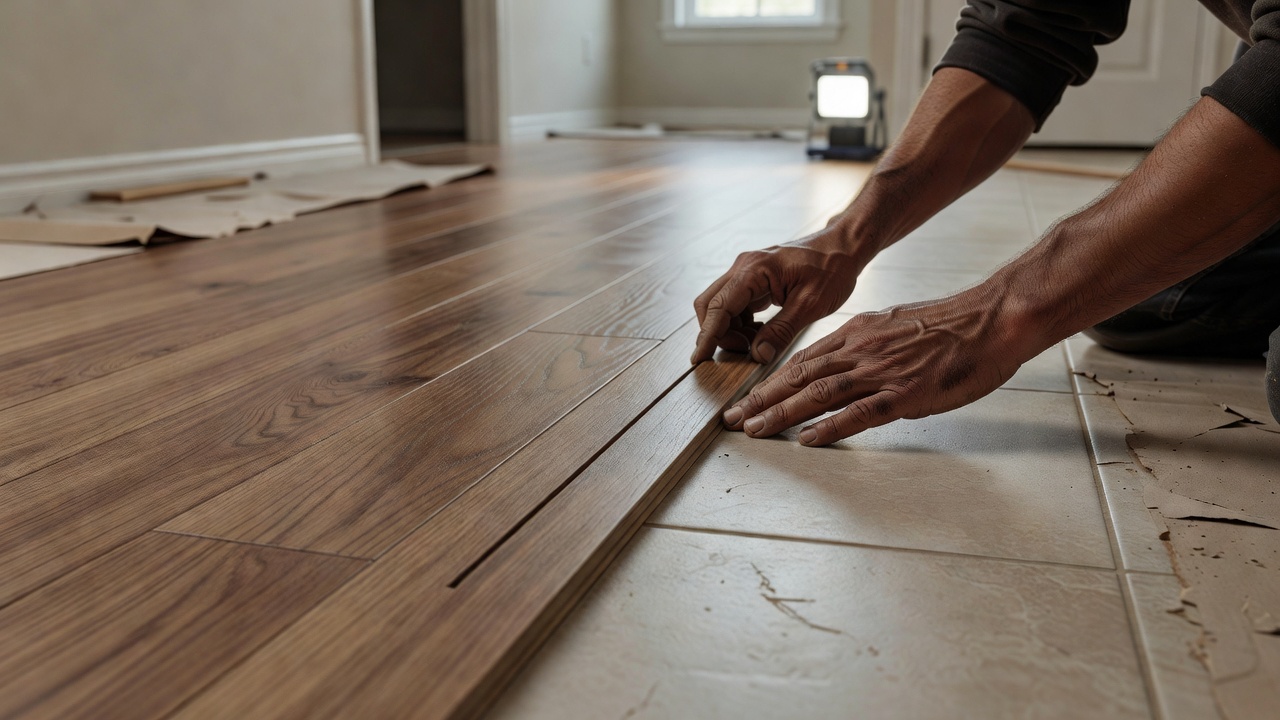
Skipped acclimation, underlayment used to mask unlevel subfloors, wrong adhesive over old cutback, and transitions left as a weekend afterthought. The floor looks fine at handoff and tells on them after the first season.
Anyway. Call somebody before you rip anything out. Doesn’t have to be me. Should probably be me.