Refinishing Hardwood Floors ROI Before Selling
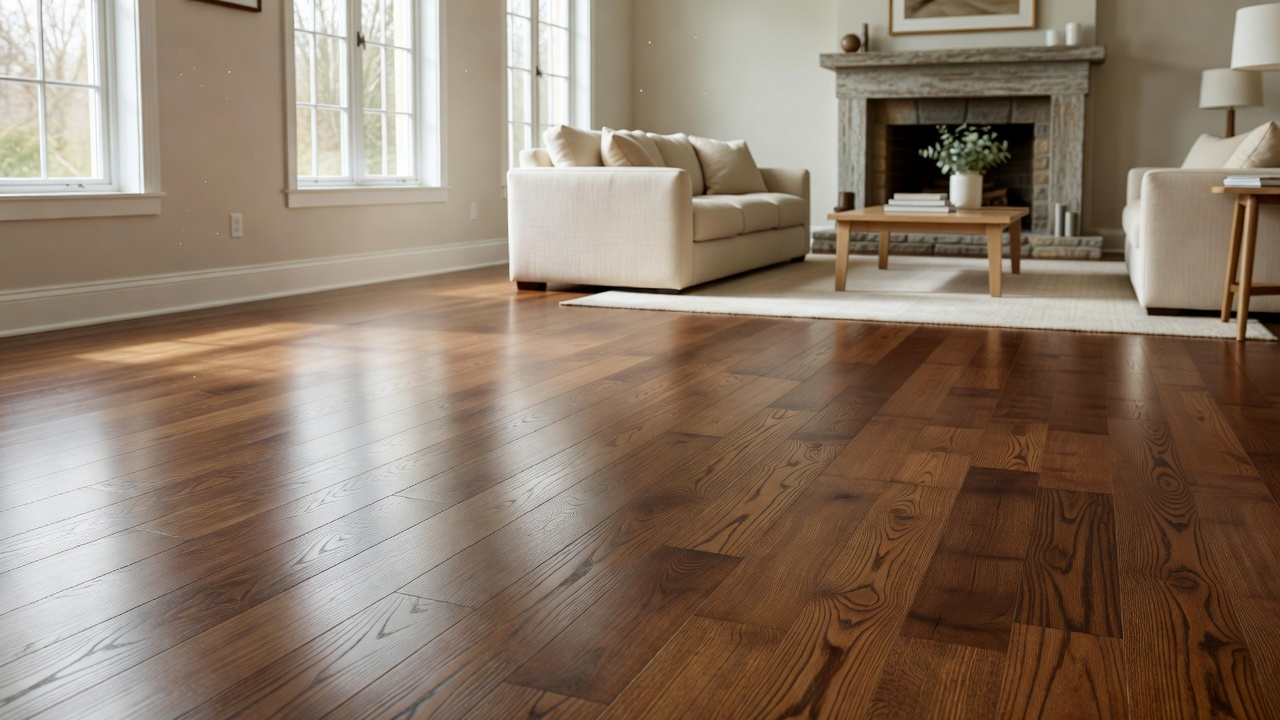 The Henderson listing sat for 47 days with scratched oak and a $19,000 price cut. We sanded and recoated for $3,800. It went pending in nine days at full ask. That is refinishing hardwood floors ROI in the wild: NAR still pegs it near 147%, and when the boards are sound, it beats most new installs and a lot of LVP swaps for net proceeds before you sell.
Refinishing hardwood floors ROI is the percentage of your sanding, staining, and sealing cost you typically recover at sale—through a higher offer, fewer concessions, or a faster close—versus leaving worn wood as-is.
I do not care that you “love the patina.” Buyers see deferred maintenance. Appraisers see condition. I see what hits the HUD-1.
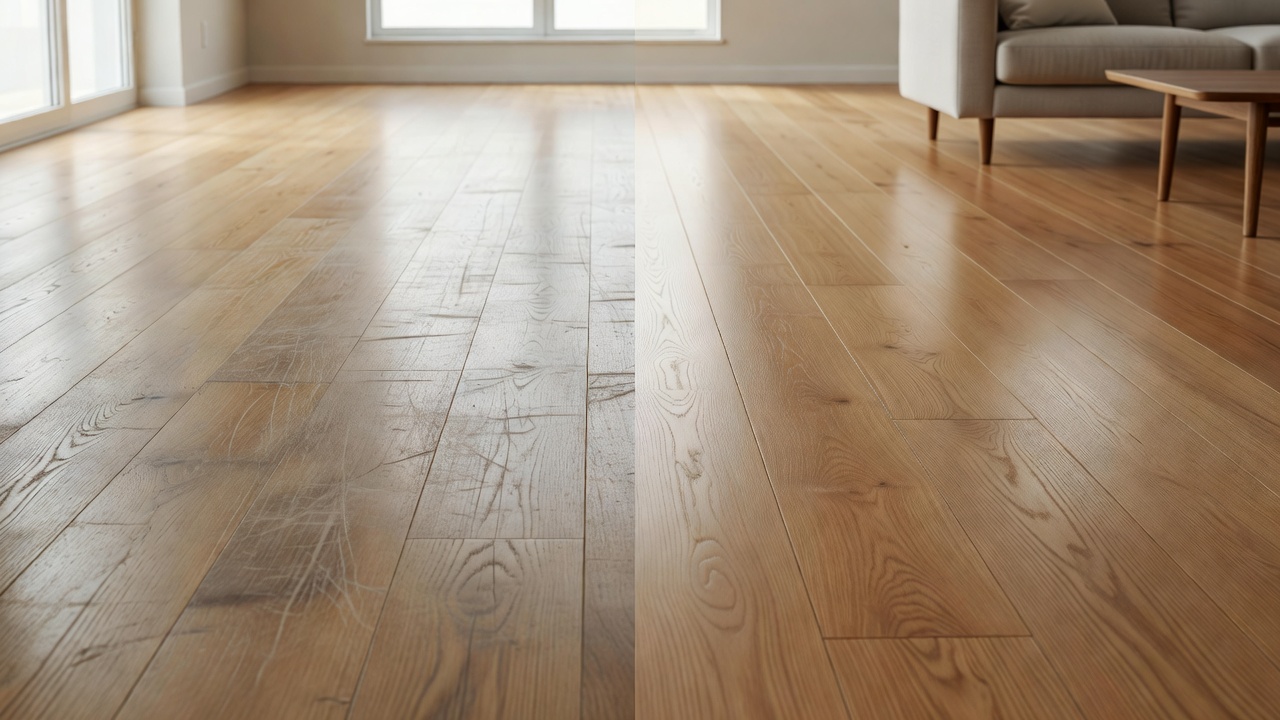
Is refinishing hardwood floors worth it before selling?
Usually yes—if the wood is thick enough, consistent room to room, and not water-logged under the fridge line.
On a mid-market ranch I staged last spring, the main-level red oak was original, worn gray in traffic paths, but still had enough wear layer. Full refinish ran $4,100. We listed $12,000 higher than the “as-is” comps with carpet and pet stains. Offer came in $9,500 over the as-is path after two weekends. Call it roughly 230% on that job once you stop romanticizing the old finish.
NAR’s Remodeling Impact numbers have floated around 147% cost recovery for refinishing existing hardwood for years. New hardwood installs often land closer to 70–118%, depending on the report year and market. You are not inventing value from nothing. You are removing the discount buyers automatically apply when floors look tired.
When it is not worth it:
- Boards are cupped, blackened, or already sanded paper-thin.
- You have three different species and three different stains across sightlines.
- The house is a tear-down play and the buyer is pricing land, not finish.
I once watched a seller pour $11,200 into a full strip-and-stain on a house that still needed a roof. Buyers walked the floors, nodded, then hammered the roof estimate. Gorgeous does not always mean it appraises. I wish it did.
If the wood is salvageable, refinish before you even think about ripping it out. For the decision tree on when to keep wood versus replace, see [LINK: when to refinish vs replace hardwood].
Does new flooring increase home value?
Yes—sometimes. Not always the way Instagram renovators sell it.
New flooring can increase home value when it fixes a clear defect: pet-destroyed carpet, cracked vinyl from the ’90s, or a patchwork of leftovers from three prior owners. The lift shows up as higher list price support, stronger first offers, and fewer “we’ll need a credit for floors” demands at inspection.
But “new” is not a magic multiplier. A full main-level hardwood install at $12–18 per sq ft installed can run $14,000–$22,000 on a typical 1,200 sq ft footprint. If the market only pays you back 80%, you just donated four figures to the next owner’s equity.
LVP has closed the gap on absolute-dollar returns in a lot of mid-market listings I work. Neutral, mid-tone LVP at $4–7 per sq ft installed often costs $5,000–$9,000 for the same footprint. Buyers in the $350k–$550k band accept it without blinking—especially in kitchens, baths, basements, and rental-adjacent product. They care that it looks continuous and clean. They do not hold a species certificate up to the light.
Where new hardwood still wins: upper-tier listings, historic districts, and any house where the rest of the finishes already signal “quality, not flip.” Where LVP protects more net: dated secondaries, moisture-prone zones, and any room where the existing wood is shot and you need the listing live in three weeks.
I am allergic to trend-forward floors that photograph like a magazine and appraise like a liability. Wide gray planks with a blue undertone that “felt current” two seasons ago? I have watched them cost sellers $6,000–$10,000 in stalled negotiations when the comps were warm oak and quiet LVP. Designer logic is not resale logic.
How much value do hardwood floors add to a home?
Enough to matter—if they look intentional.
Appraisers do not hand you a fixed “hardwood bonus” line item in most residential forms the way sellers fantasize. What they do is match condition and quality to comps. Homes with consistent, well-kept hardwood routinely support stronger adjusted values than identical floor plans buried under stained berber.
In practice, across the last few dozen listings I have prepped:
- Worn original hardwood, unaddressed — buyers discount $5,000–$15,000 or demand credits; days on market stretch.
- Professionally refinished, neutral stain, continuous sightlines — supports list price; often recovers 100–150%+ of the refinish cost via price or speed.
- New mid-grade hardwood in key living areas — can add perceived quality, but ROI often lands under refinishing because the cost basis is higher.
- Quality LVP replacing destroyed floors — frequently nets more cash-in-pocket than a heroic hardwood save when the old wood is doomed.
- Mixed materials with no plan — tile here, laminate there, carpet on the stairs — reads as deferred decisions; value softens even if each material was “nice” alone.
Hardwood floors increase home value most when they reduce friction. First impression at the threshold. Open-house flow. Inspection objections that never get written because the floors do not look like a project.
One open house still lives in my head: seller refused to touch the orange polyurethane from 1994. Three couples left muttering about “how much it would cost to fix.” We finally refinished after a price drop. Next open house, nobody mentioned floors. They argued about the primary closet. That is the job.
For comps on material mix and buyer reaction by price band, [LINK: LVP vs hardwood resale] is the deeper breakdown.
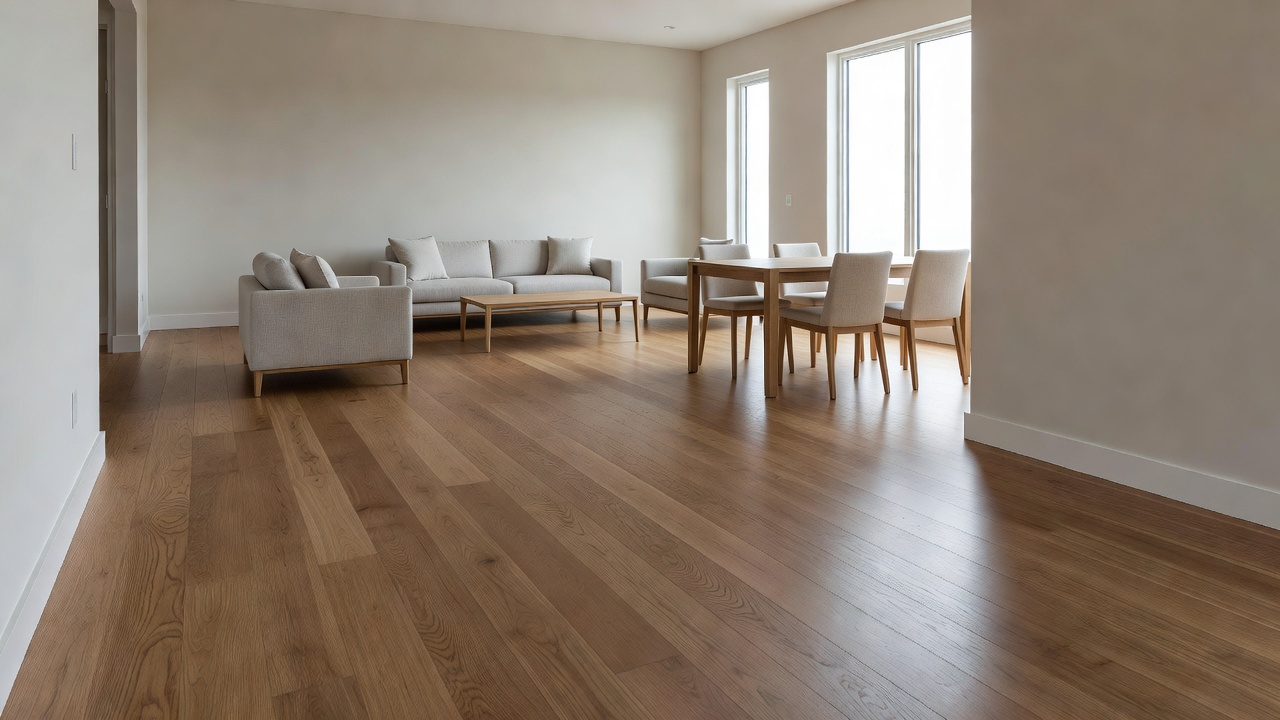
What is the best flooring for resale value?
The best flooring for resale value is the one that looks finished, matches the price point of the house, and does not invite a buyer credit.
Ranked the way I actually advise sellers—not the way showrooms rank aspiration:
- Existing hardwood in good bones, refinished neutral — still the highest ROI play when it is possible. Low cost basis, high recognition, strong appraisal comfort.
- Consistent LVP in mid-market and moisture zones — best dollars-in, dollars-out when wood is dead or the timeline is brutal.
- New hardwood in primary living spaces on higher-end stock — worth it when the rest of the house already competes at that tier.
- Tile in wet areas only — expected, not a value rocket.
- Carpet — bedrooms sometimes; anywhere else you are explaining yourself.
Condition and consistency beat material prestige. A clean, continuous LVP run will outsell patchy “real wood” every day of the week. Neutral tones sell faster than statement stains. Satin and matte read newer than candy gloss.
Staging impact is not soft. Floors are the largest continuous surface in the frame. Bad floors make expensive furniture look like it is apologizing. Good floors make average furniture look deliberate. I have spent $800 on rental furniture that photographed like $8,000 because the oak finally matched wall to wall.
Quick sequencing if you are listing in under 60 days
- Walk every room in socks at noon and at dusk. Mark every transition that makes you wince.
- Get a refinisher and an LVP installer to bid the same week. Numbers, not vibes.
- Refinish anything with life left. Replace only what is structurally or cosmetically doomed.
- Match undertones across rooms buyers see in one glance—entry, living, kitchen, hall.
- Do not chase a Pinterest stain name. Chase what the last three sold comps actually had underfoot.
Spend where the camera and the appraiser both land. Skip the powder-room heroics if the great room still looks tired.
FAQ
Does new flooring increase home value?
Yes when it removes an obvious defect and matches the home’s price tier; no when you over-improve past the comps. Expect stronger list support and fewer credits, not a guaranteed dollar-for-dollar raise. I have seen a $7,500 LVP swap outperform a $16,000 hardwood install on net proceeds in the same subdivision.
Is refinishing hardwood floors worth it before selling?
If the boards are sound and consistent, refinishing is usually the highest-ROI flooring move you can make before listing. NAR-linked figures still hover near 147% cost recovery, and real listings often clear faster with fewer concessions. If the wood is thin, stained black, or mixed beyond hope, stop and replace strategically.
How much value do hardwood floors add to a home?
They add value mainly by protecting price and shortening market time, not via a fixed bonus line. Well-kept hardwood helps your comps land cleaner; neglected hardwood invites $5,000–$15,000 mental discounts from buyers. Appraisers follow condition and neighborhood norms more than species prestige.
What is the best flooring for resale value?
Refinished existing hardwood when possible; quality neutral LVP when wood is shot or the budget and clock are tight. Consistency and condition beat “real vs not” arguments in most mid-market sales. Trend colors that do not match comps are a tax, not a flex.
Should I refinish or install LVP before selling?
Refinish salvageable hardwood first—lower cost basis, strong buyer recognition. Use LVP for destroyed areas, baths, basements, and listings that need to go live fast without a $15k+ wood bill. Run both bids; pick the path that protects net, not your sentimentality about the original planks.
If you are selling in the next two years, treat floors like a balance-sheet item and move. If you are just living your life, refinish because you are tired of the scratches—not because a blog promised 147%. The answer changes everything I just said.