Most Durable Flooring for High Traffic Homes
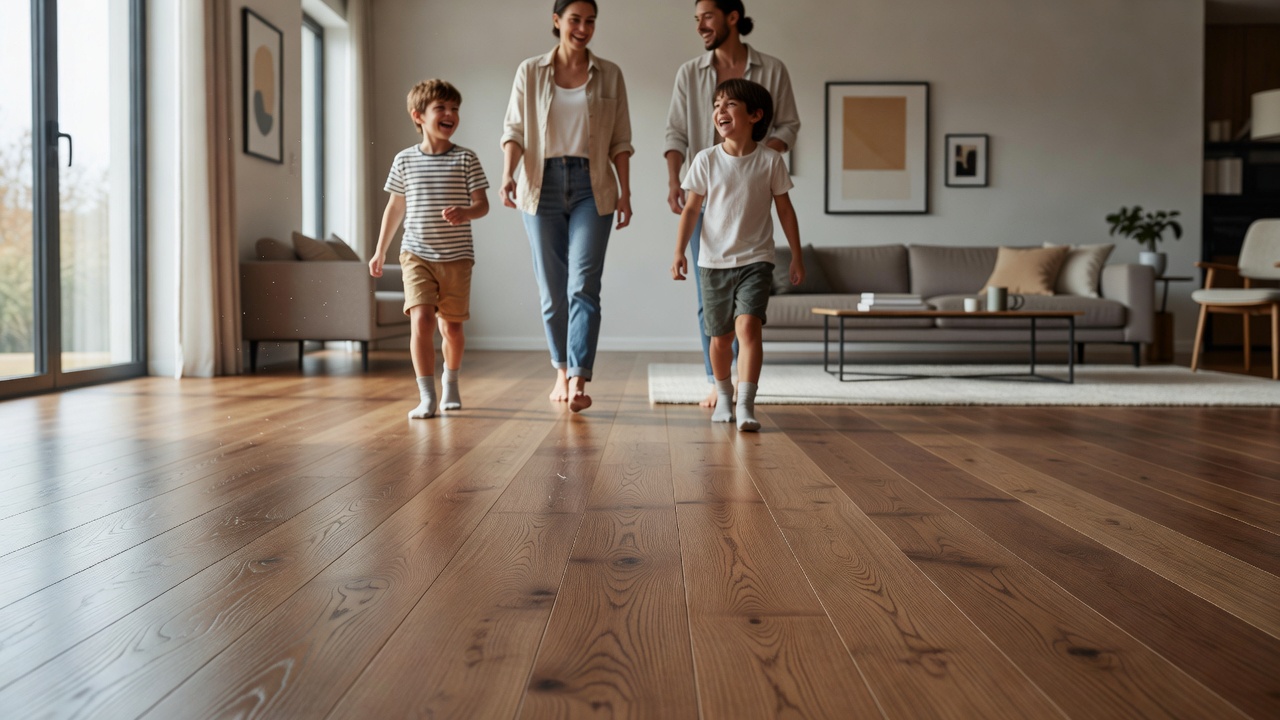 The most durable flooring for high traffic homes is porcelain tile when the install is done right, then thick-wear-layer LVP if you need something quieter and warmer underfoot, then commercial-grade laminate if the budget is tight and the moisture is under control. Hardwood sits lower on that list for pure abuse resistance no matter what the Janka chart says. Most durable flooring for high traffic homes means the surface that still looks and works after years of dogs, rolling chairs, grit, and wet boots—not the one that won a showroom scratch demo under perfect lights.
I was on my second gas-station coffee outside a split-level in Oak Park last March when the homeowner walked me through a “durable” European oak they’d put down two years prior because some design board said it was timeless. Timeless until the labradoodle and three kids finished the story. Traffic lanes gone gray. Finish chewed at every chair leg. They wanted me to “just refinish it.” Subfloor was wavy, no moisture test had ever been run, and the vapor barrier under the kitchen side was a wish and a prayer. That job is why I don’t start with catalogs.
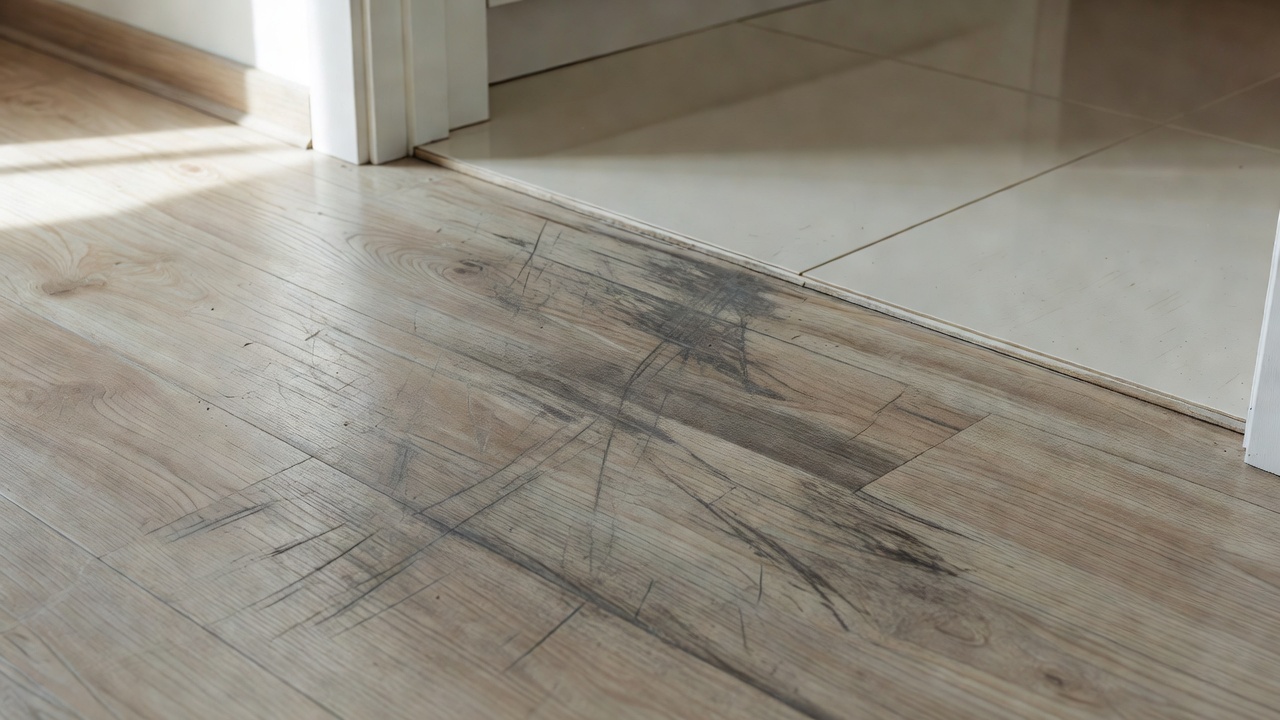
What is the most durable type of flooring?
Porcelain tile. Full stop if you’re ranking pure survival. Dense body, low absorption, PEI ratings that actually mean something when you pick the right grade for floors. Dogs don’t claw through it. Rolling office chairs don’t trench it. Spills sit on top until somebody bothers with a mop. I’ve pulled up thirty-year porcelain that still looked meaner than the cabinets around it.
That durability only shows up after the work nobody wants to pay for. Subfloor prep is 80% of the job. Lippage, hollow spots, and movement kill tile faster than traffic ever will. Thinset skimmed over a bouncy plywood patch is a time bomb. If your slab needs a self-leveler and you skip it to save a day, don’t call me in year four complaining the grout lines look like a topographic map.
LVP comes second for most real houses with kids and pets. Not because the marketing wear layer is magic—because a 20–30 mil wear layer on a rigid core takes scratches and dents better than people expect, and it doesn’t shatter when somebody drops a cast-iron skillet. LVP vs tile durability is the wrong fight if you pretend they’re the same product. Tile wins the century. LVP wins the Tuesday when the dishwasher leaks and you don’t want a flood claim. I’ve got more on how that wear layer actually fails in [LINK: wear layer thickness LVP] if you want the unromantic version.
Laminate with a real AC4 or AC5 rating can hang in hallways and living rooms if—and only if—moisture stays theoretical. The second the dog bowl lives on it full-time, you’re gambling. Hardwood? Beautiful. Refinishable if there’s enough meat left. Not the champion of high traffic abuse unless your idea of traffic is quiet adults in socks. Janka hardness hardwood numbers matter for dent resistance species to species. They do not make white oak bulletproof against grit ground in by school sneakers.
I will say this once about the current fad for paper-thin “stone look” vinyl sheets glued down like contact paper in open-concept great rooms: stop. Looks fine under showroom cans. Two winters of chair drag and it telegraphs every seam and every crumb of dirt that migrated underneath. Trends don’t outlast traffic. Prep does.
How long do durable floors last?
Porcelain done correctly: 50 years and change is normal. I’ve walked jobs from the early nineties that still need nothing but a grout refresh. LVP with a serious wear layer: 15–25 years in a busy house before the print film looks tired in the lanes. Cheap LVP: you get what you paid for around year seven. Laminate: 10–20 if it never sees standing water. Solid hardwood: 25–100 depending on how many times you can sand it and how honest the original millwork was about wear layer—engineered with a 2mm veneer is not in that conversation.
Those numbers assume the floor was allowed to live on a flat, dry substrate. They collapse when moisture testing gets skipped. I carry a meter and calcium chloride kits because I got burned once and I don’t enjoy free remedial work. Client in ’09—nice enough guy, new construction slab, wanted dark hand-scraped everything wall to wall. Salesperson swore the slab was “dry enough.” I pushed for a proper test. He waved me off to save the schedule. Three months after move-in the cupping started in the hall off the garage. By month six the planks looked like potato chips. Insurance called it install. It was moisture that never got measured, vapor drive through a slab that still had a construction wet in it, and a finish floor asked to be a sponge. We tore it all out. New underlayment path. Real numbers on the meter before anything went back down. He paid twice. I still think about that hallway when someone tells me the concrete “feels dry.”
Never trust a floor that looks fine in the showroom lighting. And never trust a slab you haven’t tested. Relative humidity in the concrete, moisture emission rate, conditions on the day—not a palm on the surface after lunch. That rant is longer than my knee wants to stand for, but it’s the difference between a floor that hits its lifespan and a floor that becomes a case study.
Is luxury vinyl plank more durable than hardwood?
Against scratches, pets, and chair casters in a real house—usually yes, if you bought the thicker wear layer and a rigid core. Against the long arc of refinishing and the feel people pay oak money for—no. LVP is a wear surface with a photograph in it. When the wear layer is gone, the floor is done. Hardwood can take a belt sander and come back if there’s thickness left and the cupping isn’t structural. For high traffic pure durability ranking, I put quality LVP above most residential hardwoods and below porcelain. People hate hearing that because they wanted the romance of wood without the maintenance. Romance doesn’t stop a German shepherd.
Busy kitchen specifically? Porcelain or a high-end LVP with waterproof locking and a wear layer that starts at 20 mil and preferably lives closer to 30. Skip the wire-brushed soft woods and the bargain laminate next to the sink. Grease, dropped utensils, fridge rollers, and the dishwasher leak are not theoretical in a kitchen. I laid a matte porcelain in a cook’s kitchen in Naperville twelve years ago—dark grout, decent layout, solid mud bed over a slab we’d actually tested. Still looks like the day I left, minus one cracked tile from a stand mixer incident they owned up to. That’s the bar.
If you’re comparing options side by side for a whole house, read a straight [LINK: flooring lifespan comparison] before you let a showroom stack samples under LED strips and call it research. And if your subfloor is a mess, fix that first or every product above becomes a short story.
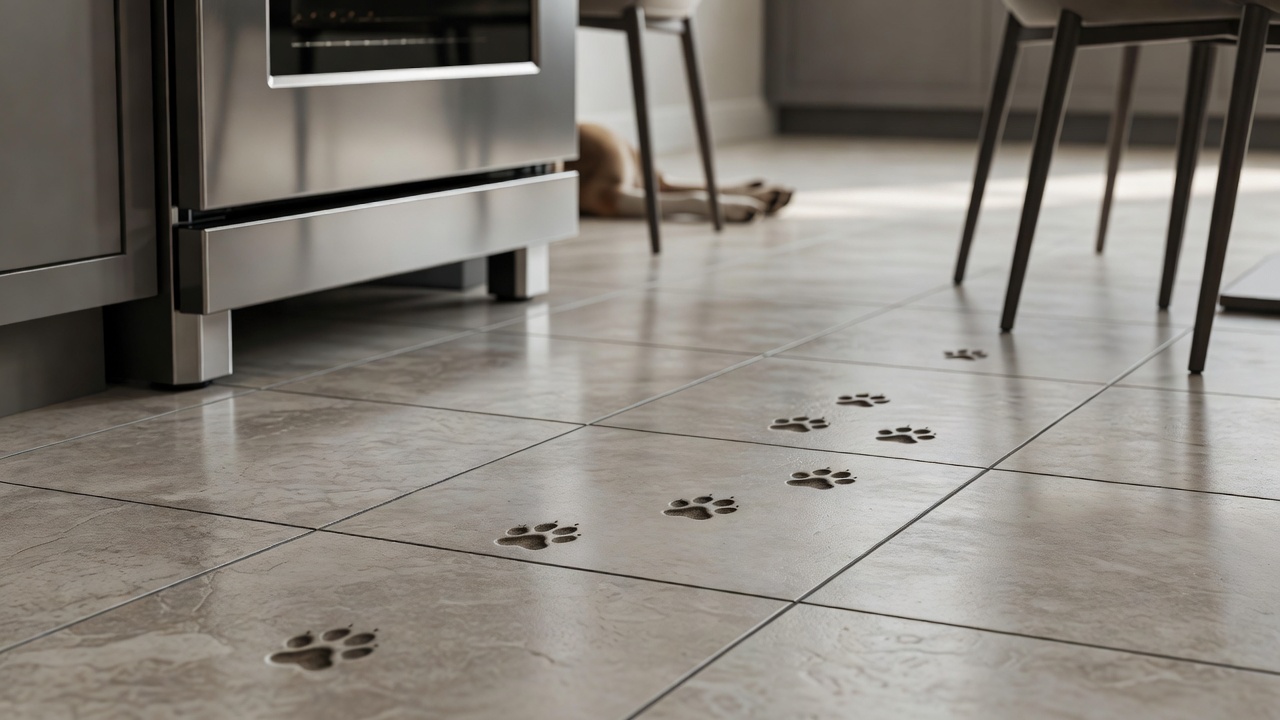
One ranking I use on estimates when people want it blunt:
- Porcelain tile on a flat, dry, prepped substrate — longest life, hardest surface, coldest under bare feet, grout is the maintenance tax.
- Rigid-core LVP, 20 mil wear layer minimum — best daily abuse compromise for most families.
- Commercial laminate AC4/AC5 in dry zones only — budget survivor, not a wet-area hero.
- Thick-sawn hardwood or quality engineered with a real wear layer — refinishable beauty, loses to grit and claws without rugs and rules.
- Everything sold as a weekend miracle peel-and-stick — temporary by design no matter the font on the box.
Traffic patterns matter more than room labels. The path from back door to fridge will destroy a soft finish faster than the formal dining room you’ll use twice a year. Put the tough stuff where the feet actually go.
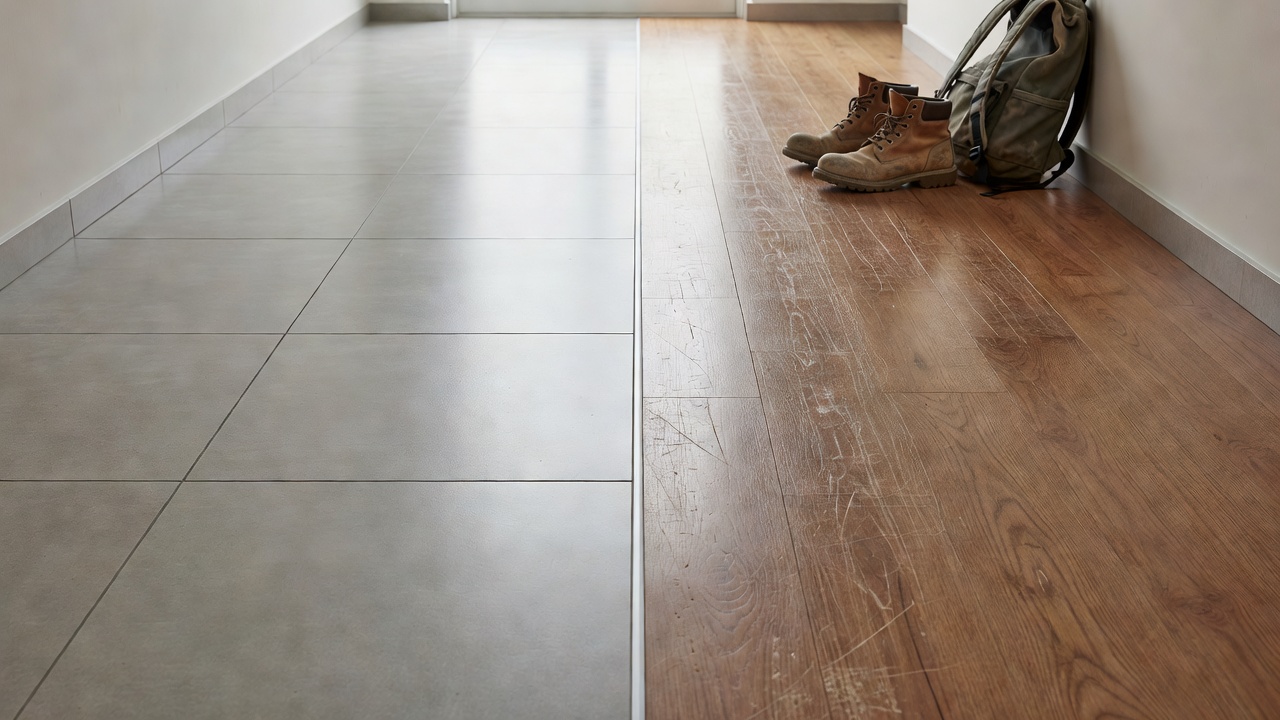
FAQ
What is the most durable type of flooring? Porcelain tile on a properly prepped subfloor. It resists scratches, dents, and water better than LVP, laminate, or residential hardwood in real high-traffic use.
How long do durable floors last? Porcelain often runs 50-plus years. Quality LVP lands around 15–25 in a busy home. Laminate and hardwood vary hard with moisture and maintenance—test the substrate or those numbers mean nothing.
Is luxury vinyl plank more durable than hardwood? For pets, scratches, and day-to-day impact, yes when the wear layer is thick enough. Hardwood wins only if you plan to refinish and you control grit and water.
What’s the most durable flooring for a busy kitchen? Porcelain first, then waterproof rigid-core LVP with at least a 20 mil wear layer. Keep bargain laminate and soft unfinished looks away from the sink and fridge line.
Does wear layer thickness on LVP actually matter? Yes. Under 12 mil is light residential at best. 20–30 mil is what I want in a house with kids, dogs, or rolling chairs. Marketing “scratch resistant” without a number is noise.
Anyway. Call somebody before you rip anything out. Doesn’t have to be me. Should probably be me.