Flooring Material Snob Hierarchy: Hardwood Worth It?
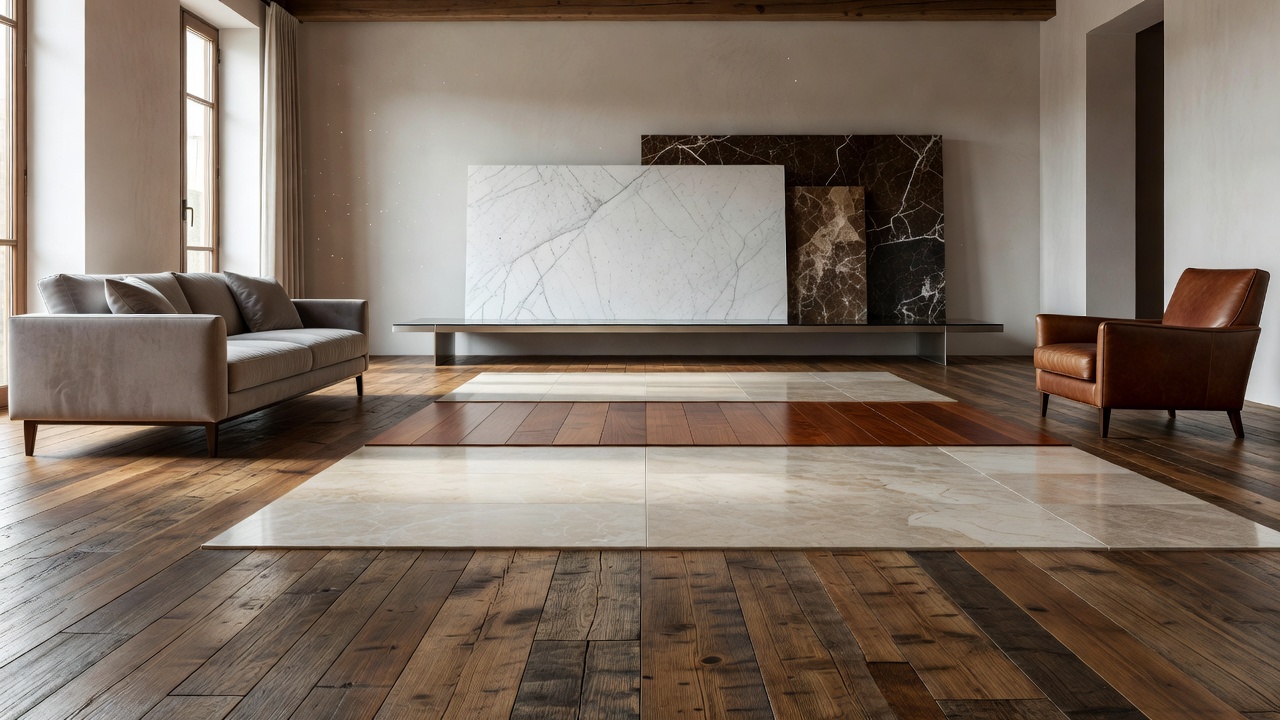 One does not simply walk on a floor of this caliber. One experiences it—preferably in socked feet after a single glass of something with a pedigree longer than the installer. The flooring material snob hierarchy places solid hardwood at the undisputed summit and relegates everything else to graduated circles of compromise; real wood is worth the snobbery when the room must announce lineage rather than merely survive Tuesday. Luxury vinyl plank may fool the untrained eye and even a few neighborhood gossips, yet it never quite earns the same quiet reverence from a discerning sole.
The flooring material snob hierarchy is the unspoken ranking of floor coverings by the social and aesthetic prestige they confer, measured less in durability charts than in the raised eyebrow of a guest who notices. I have spent eleven flagship showrooms—three of them Floor & Decor, one an unexpectedly civilized Lumber Liquidators—mapping this ladder so you need not.
The Full Hierarchy, Tasted from the Cellar Up
I arrange the materials the way a sommelier arranges the flight: least exalted first, so the palate may ascend without trauma.
Sheet vinyl and peel-and-stick. On the nose: municipal waiting room and quiet resignation. Mouthfeel underfoot is a polite plastic sigh. Finish: industrial, irrevocable. Rating: 2.1 Insoles out of 10. One encounters it in rentals whose landlords have never once considered the soul. I should know.
Laminate of the mid-aughts variety. On the nose: ambitious particleboard and the ghost of a Home Depot clearance rack. Initial attack is convincing until the first scuff reveals the photograph beneath. Mid-palate turns brittle. Rating: 4.0 Insoles. Certain budget-conscious flooring content creators still champion it with the fervor of the recently converted; one thinks of Marnie Delgado and her tireless evangelism for “good enough.” Charming, in a provincial way.
Luxury vinyl plank—the great pretender. Here the hierarchy grows interesting. On the nose: polymer confidence and UV-printed oak that has studied abroad. Texture can be almost persuasive if the embossing is registered and the bevels are stained with conviction. Finish length depends entirely on the thickness of the wear layer and the sophistication of the guest. Rating: 6.8 Insoles, rising to 7.4 when the lighting is flattering and no one kneels. [LINK: best waterproof LVP for open concept kitchens] remains a legitimate inquiry for those who prioritize splash over status.
Engineered hardwood. The minor aristocracy. Real wood veneer over a stable core—on the nose one detects genuine oak or walnut, undercut by the faint adhesive promise of multi-ply restraint. It accepts refinishing once, perhaps twice if the wear layer was generous. Mouthfeel is correct; the soul is only slightly diluted. Rating: 8.3 Insoles. Ideal for the condominium owner who wishes to signal taste without inviting structural drama.
Solid hardwood. The summit. On the nose: kiln-dried provenance, decades of potential sanding, and the unmistakable scent of a decision made without consulting a price-per-square-foot calculator. Underfoot it yields the slightest, most aristocratic give. It scars, it darkens, it develops a patina that no print can counterfeit. Rating: 9.6 Insoles out of 10. Anything higher would require museum climate control and a trust fund I do not currently liquidate.
Can You Tell the Difference Between Hardwood and LVP?
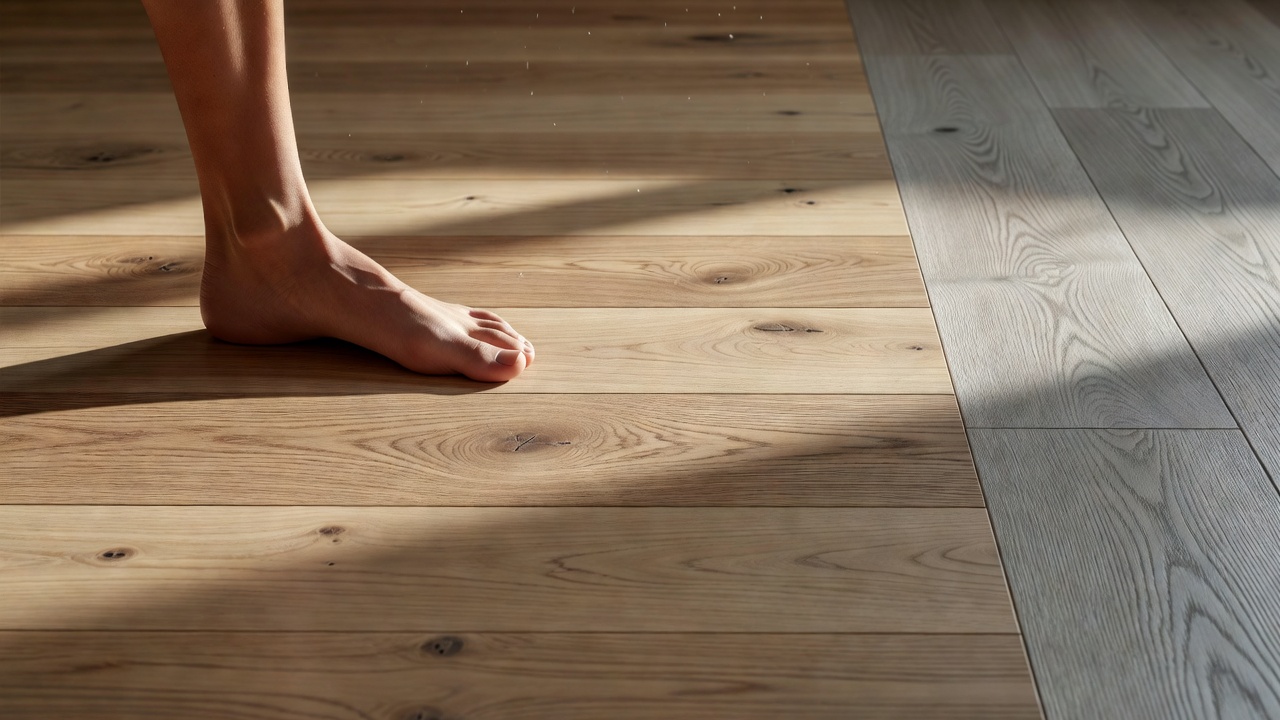
Yes—if one bothers to look with the eyes of a person who has actually paid for both. Stand barefoot at the threshold where the two meet. Hardwood conducts temperature; it is cool in morning, warmer by afternoon tea. LVP remains politely neutral, a thermal diplomat. Kneel (one must occasionally lower oneself for truth) and examine the end grain or the way light rakes across the surface at four o’clock. Real wood shows microscopic variation that no synchronized embossing roll has yet fully conquered. From standing height, under the forgiving glow of recessed LEDs and after two glasses of wine, premium LVP can postpone detection for an entire dinner party. The snob, however, eventually notices. The snob always notices.
I once watched a designer I “know” (we exchanged nods at a gallery opening whose canapés I could not afford) run a fingernail along a supposedly European white oak only to discover the telltale polymer give. The silence that followed was exquisite.
Is Hardwood Worth the Extra Cost Over LVP?
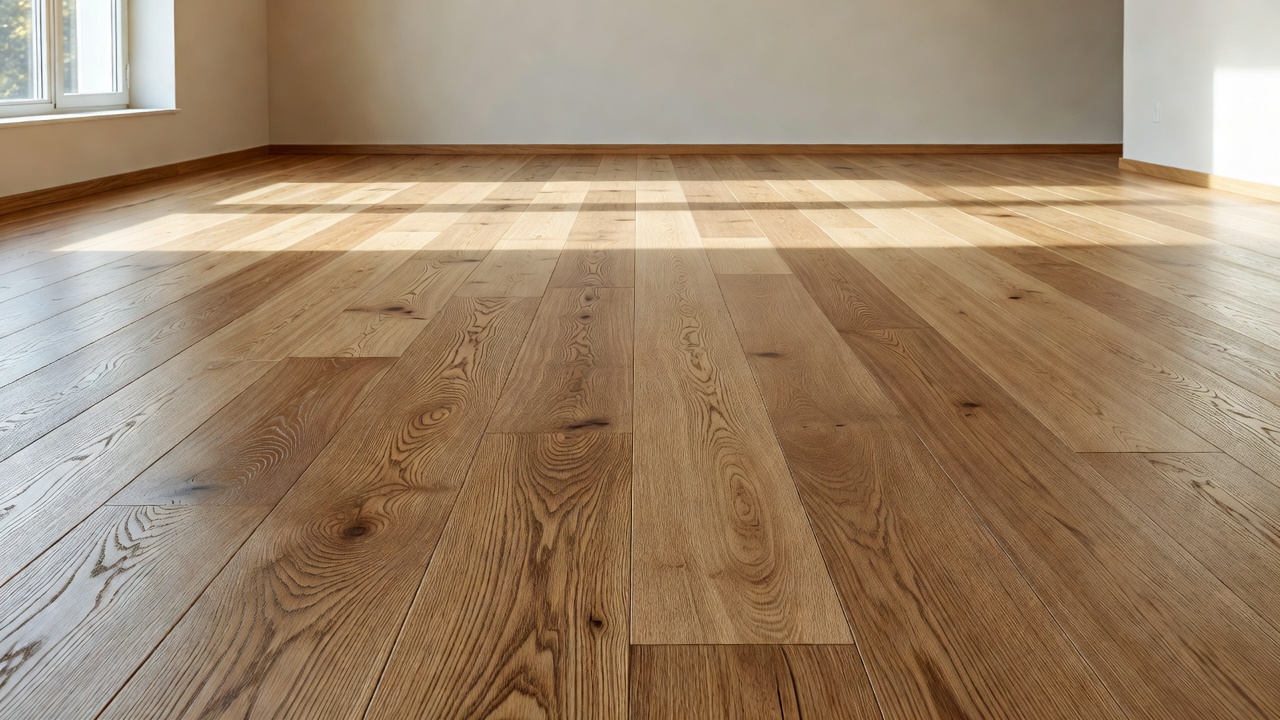
For the pure aesthete and the resale romantic, yes—within reason. Solid hardwood in a classic species and finish still commands a premium at closing; buyers who can afford discernment will pay for the story of three future refinishings and the moral high ground of “real.” Expect installed solid oak or maple in the $12–$20 per square foot range depending on grade and region; engineered sits closer to $8–$14; competent LVP lands between $4–$9. The delta is not trivial when one is covering two thousand feet of open concept.
Yet the hierarchy is not solely fiscal. Hardwood is worth the snobbery when the room is meant to outlast the current owners’ marriage or when one simply cannot bear the thought of explaining “it’s actually vinyl, but the good kind” to one’s mother-in-law. If the household contains large dogs with opinions, chronic spillers, or a basement that remembers every spring flood, the practical calculus tilts toward LVP and one must simply live with the quiet knowledge that the floor is a very convincing understudy. [LINK: hardwood refinishing cost and lifespan] becomes relevant only after the first decade of actual living.
Will LVP Hurt My Home’s Resale Value?
Not fatally, and sometimes not at all—provided the installation is flawless and the product sits in the upper registers of the hierarchy. Appraisers and buyers in moisture-prone markets increasingly treat quality rigid-core LVP as a feature rather than a confession. Where it wounds is in the homes that otherwise scream “bespoke”: marble thresholds, custom millwork, and then a floor that photographs like wood until the inspector’s moisture meter shrugs. In those cases the buyer’s agent will note the substitution the way a sommelier notes a corked bottle—quietly, and with implications for the final number. Neighborhood snobs are another matter entirely.
Can Vinyl Planks Fool Neighborhood Snobs?
Temporarily. The ambitious LVP of 2025–2026 has narrowed the visual gap to a slit one could slide a calling card through. Wide planks, micro-bevels, synchronized grain, and matte urethane topcoats do the heavy lifting. Host a cocktail gathering under dimmed sconces and most guests will compliment the “oak.” Invite the same people for a sunny Saturday brunch when light pours sideways across the boards, and the more practiced soles will begin to doubt. The true wood-floor snob does not require a loupe; the absence of subtle cupping, the perfect repetition every few planks, and the way the surface refuses to take a soft dent from a dropped olive all whisper impostor. Fool them once with excellent product and lighting. Fool them twice and you have entered the realm of performance art.
I tested this myself last autumn in the one-bedroom I currently favor. Guests adored the “engineered European white oak” until my building’s ancient steam heat made the LVP’s expansion gap announce itself with a single, traitorous click. Sic transit gloria vinyl.
FAQ
Can you tell the difference between hardwood and LVP?
Yes, especially barefoot or under raking light; hardwood has thermal variation and non-repeating grain that even premium LVP only approximates. Most standing guests at a dim party will not notice immediately. The hierarchy exists precisely because some of us refuse to stop looking.
Is hardwood worth the extra cost over LVP?
It is worth it when longevity, refinishability, and status signaling matter more than waterproofing and initial outlay. For high-moisture or high-chaos households, excellent LVP often delivers better daily peace. The snob pays the premium for the story.
Will LVP hurt my home’s resale value?
Quality installation in the right market rarely destroys value and can even help in basements or rentals. In high-end finishes contexts it may invite negotiation. Disclose honestly and stage the lighting like a professional.
Can vinyl planks fool neighborhood snobs?
Short-term and under controlled conditions, yes. Long-term scrutiny by people who have owned real wood usually fails. Choose the highest tier of LVP if deception is your sport; better yet, own the choice.
Where does engineered hardwood sit in the flooring material snob hierarchy?
Just below solid hardwood and comfortably above even the finest LVP—real wood surface, modern stability. It satisfies most discerning homeowners without the full aristocratic maintenance burden.
There you have it: the complete flooring material snob hierarchy, ranked, tasted, and judged. Solid hardwood remains the reference standard against which all other surfaces are measured, and yes—when the architecture and the ego demand it—the snobbery is worth every board foot. One simply must be prepared to defend the choice with the same vigor one defends a controversial vintage.
I shall now return to my own floors, which are, for the record, a perfectly serviceable mid-tier LVP I installed myself after watching three instructional videos and one regrettable forum thread. The cat prefers it. One makes certain compromises when the wine budget and the flooring budget occupy the same checking account.