flooring colors for home staging
Best Flooring for Home Staging: Colors & Finishes
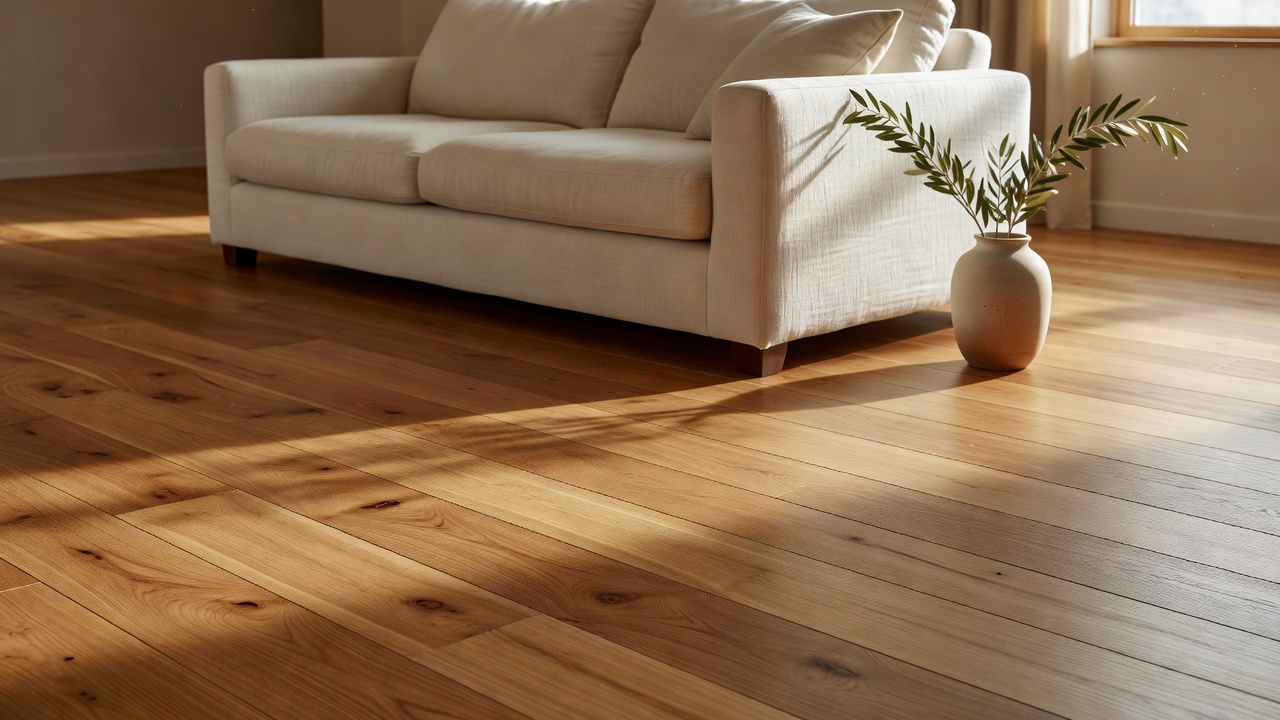
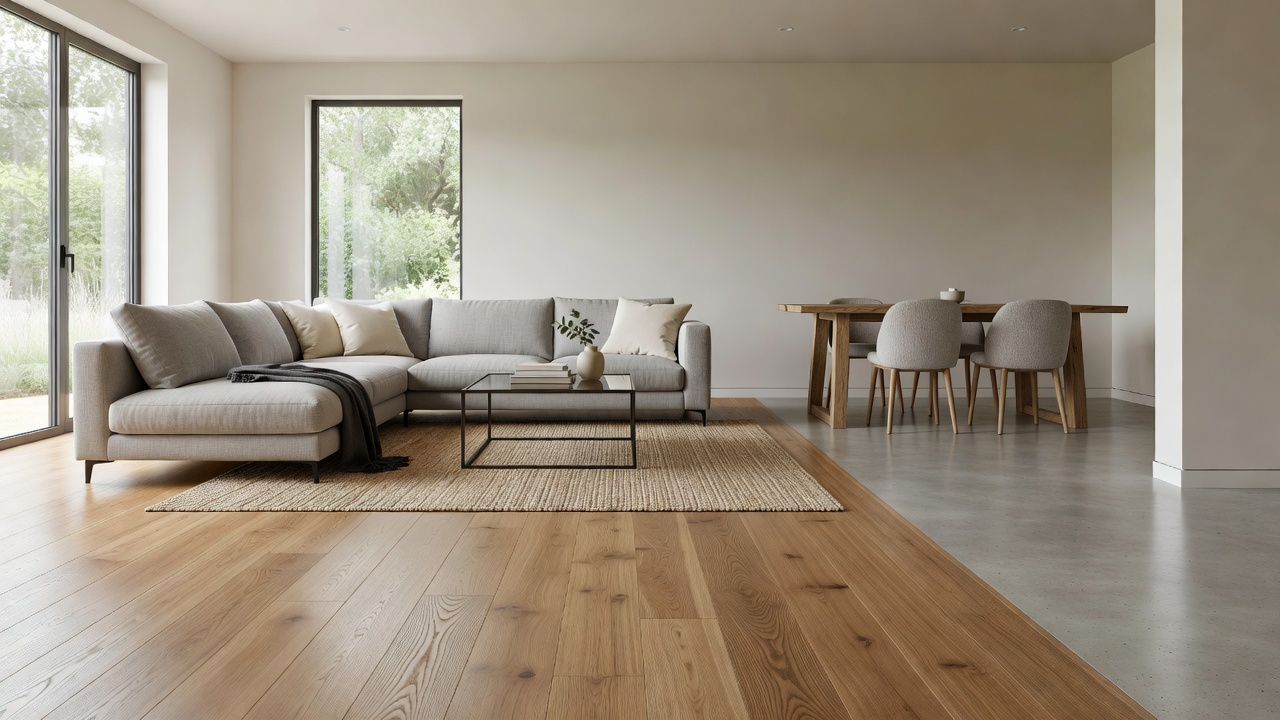 Late afternoon light is pouring across a living room that still smells faintly of citrus cleaner and possibility. The sofa is linen the color of unbleached cashmere. A single branch of dried olive rests in a matte ceramic vessel. And under everything—quiet, luminous, decisive—the floor is doing the real work: a wide-plank honey oak with a soft satin glow that makes the whole space feel already lived-in by someone with excellent taste. That is the entire game.
The best flooring for home staging is warm-toned natural wood (or convincingly wood-look LVP) in honey, soft oak, or light walnut finishes with low-to-medium sheen that creates an emotionally frictionless, move-in-ready atmosphere buyers can project their lives onto. Best flooring for home staging means the material, color, and finish combination that psychologically primes a buyer to feel the home is already theirs—warm, neutral, and free of visual arguments.
I have watched clients cry over herringbone. I have also watched offers jump when we simply swapped a tired gray laminate for something with actual soul. Flooring is not background. It is the mood the room is wearing.
What types of flooring are best for home staging?
Hardwood remains the gold-standard fantasy—real oak or maple in those warm, golden-leaning tones that photograph like a love letter. Buyers walk in and their shoulders drop. The grain reads as permanent value. Engineered hardwood in the same palette does almost the same emotional work at a slightly kinder price and better stability over radiant heat or tricky subfloors.
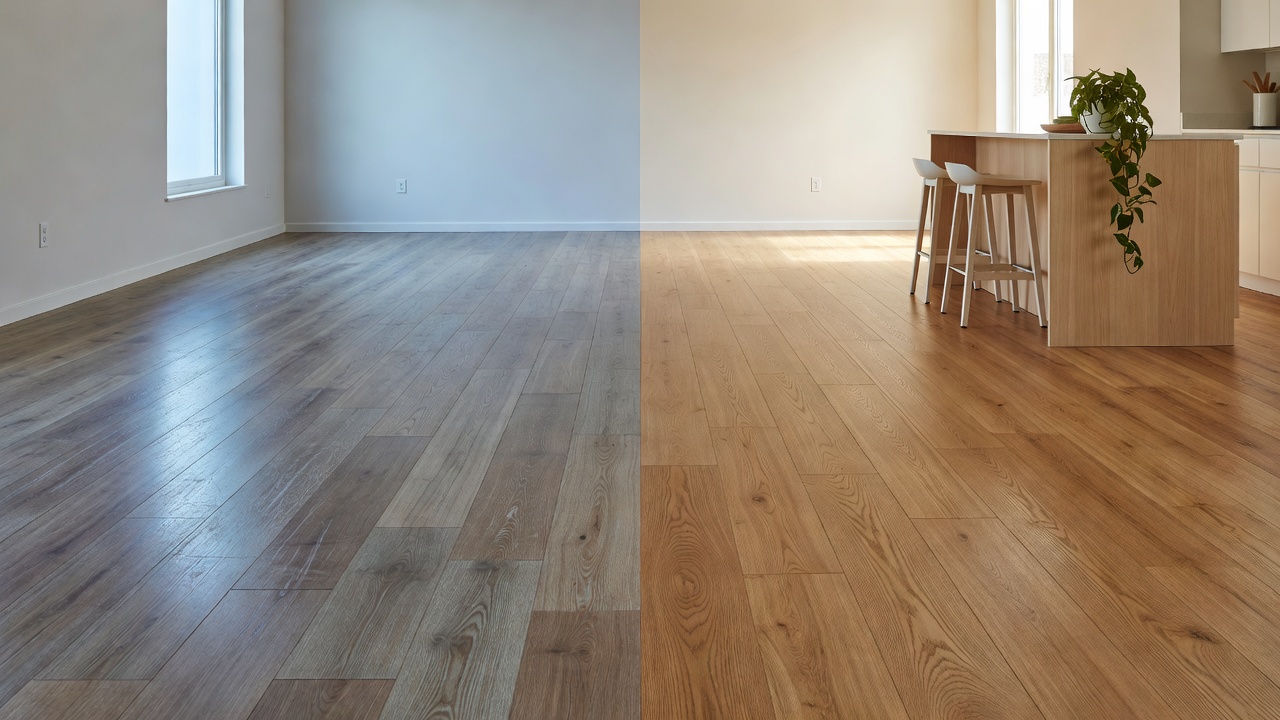
Luxury vinyl plank (LVP) has become my secret weapon for the rooms where life actually happens. The new 2025–2026 collections finally understand texture: micro-bevels, wire-brushed surfaces, matte finishes that refuse to look plastic under staging lights. Choose warm wood visuals—think European oak, whitewashed honey, soft taupe-brown—not the cool grays we all overdid in 2019. Yes, I know, grey floors, I KNOW—let me have this one last confession and then we bury them.
Tile belongs in wet zones only, and even then keep it large-format, stone-look, and warm-neutral so it doesn’t shout “bathroom” into the hallway. Carpet? Only if it is brand-new, low-pile, and the exact shade of warm oatmeal that disappears underfoot. Anything matted, patterned, or beige-that-turned-yellow is a silent deal-killer.
The install people will tell me I’m being precious about sheen levels. They’re half right—durability matters—but a high-gloss floor under staging lights looks like a skating rink and photographs as glare. Soft satin or matte lets the wood (or wood-look) breathe. It invites bare feet. It sells the fantasy of slow mornings.
Here’s the mood board in words I keep taped inside my sample case:
- honeyed European oak with faint cathedral grain
- soft wire-brushed texture that catches side light
- matte-to-satin finish, never mirror
- wide planks (7–9 inches) for calm visual rhythm
- low-contrast variation so the eye rests instead of hunting
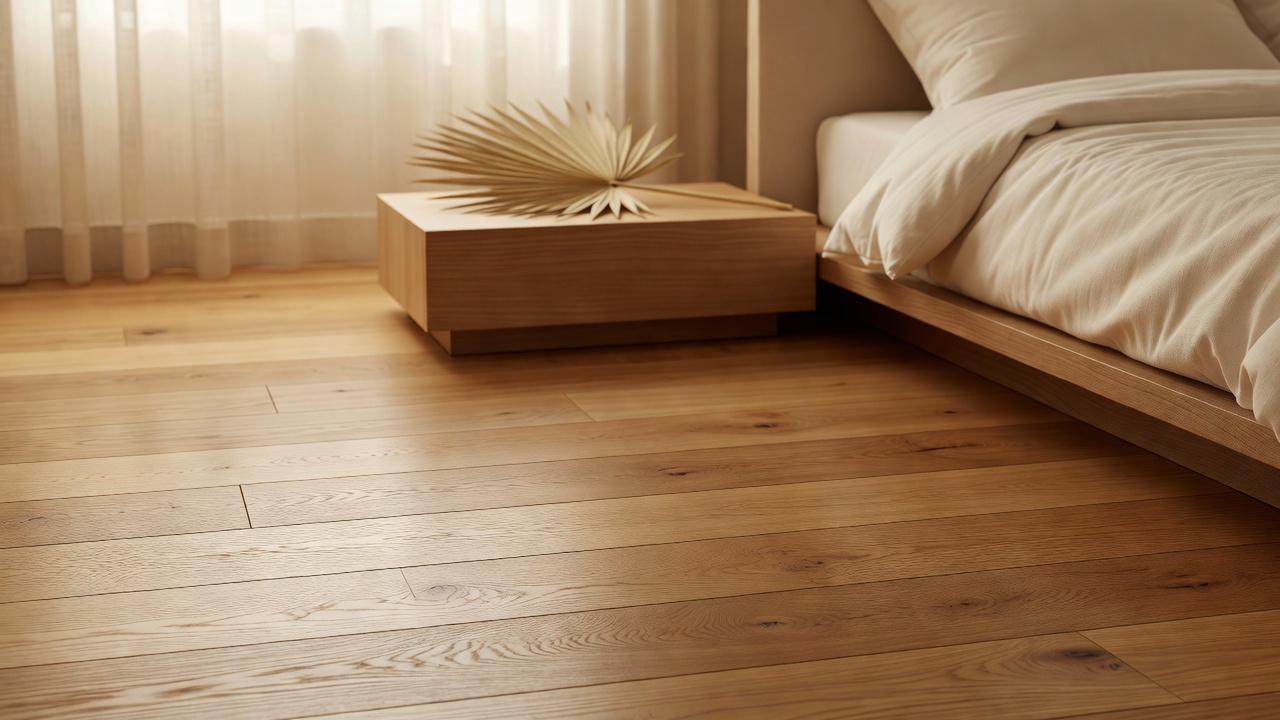
- undertones of caramel, champagne, or warm taupe—never blue-gray
That palette is how flooring affects home staging at the nervous-system level. Cool floors make a room feel like a showroom. Warm neutral flooring finishes staging a room as a home.
Should I replace flooring before selling my home?
Replace it when the current floor is actively arguing with the buyer: stained carpet, scratched laminate with black edges, orange 90s oak, or those busy multi-tone planks that look like a lumberyard exploded. In those cases, new flooring is not an expense—it is the difference between “needs work” and “move-in ready,” and move-in ready is what commands the premium.
If the existing floor is merely dated but structurally fine, a full refinish in a warmer tone can be enough. I staged a 1920s bungalow last spring where we simply sanded the original fir and finished it in a soft honey instead of the previous high-gloss amber. The house went pending in four days. The seller texted me a photo of the offer letter with three exclamation points.
Budget reality check: high-quality LVP installed runs far less than solid hardwood and still photographs beautifully under the right light. For many listings, that is the intelligent swap—especially on main floors and open-concept spaces where the floor is constantly in frame. Save true hardwood for the rooms that carry emotional weight: the primary suite, the living room that will appear in every listing photo.
Give buyers a credit only when the rest of the house is flawless and the floor is the single remaining objection. Otherwise you are asking them to do imaginative labor they will resent. Staging is about removing friction, not handing them a to-do list. For deeper cost comparisons on materials, see my notes on [LINK: hardwood vs LVP for staging].
How important is flooring when selling a house?
It is the largest continuous surface in every photograph and every walkthrough. Buyers may not consciously name it, but they feel it. A warm, quiet floor lets the architecture and the light do their work. A loud or damaged floor becomes the only thing they remember.
I once walked a listing where the bones were perfect—high ceilings, original millwork—but the floors were a patchwork of three different laminates meeting at awkward transitions. The feedback was always some version of “felt unfinished.” We unified everything in a single warm wide-plank LVP. Same furniture, same art. Offers appeared within a week. Flooring colors for home staging are not decoration; they are the emotional baseline.
In 2026 the market is still punishing anything that feels cold or temporary. Warm wood flooring to sell a home is not a trend so much as a return to the feeling of permanence. Cool grays read as last-cycle. Heavy knots and high-contrast rustic grades read as cabin, not calm. The sweet spot is quiet warmth with just enough grain to prove it is real (or convincingly real).
One vulnerable truth I don’t usually say out loud: the houses that haunt me—the ones I still think about years later—all had floors that made me want to take my shoes off the second I crossed the threshold. That bodily yes is what we are staging for.
What floor colors are best for staging in 2026?
Honey, soft caramel, light walnut, and warm taupe-oak. Think European white oak finished to look like it has been loved for a decade without ever looking tired. Avoid pure whitewashed floors that go icy under north light. Avoid the red-leaning cherries of decades past. The 2026 eye wants quiet luxury underfoot—color that supports every wall paint and every sofa a buyer might imagine.
Neutral flooring finishes for staging should sit in the same family as unbleached linen, oat milk, and sun-faded canvas. Test samples in the actual rooms at 10 a.m. and 4 p.m. If the floor turns pink or gray in the afternoon, reject it. The right warm wood keeps its honey no matter the hour.
For more on how specific undertones shift with light, I keep a running board of favorites under [LINK: warm wood flooring to sell home].
FAQ
What types of flooring are best for home staging?
Warm-toned hardwood or high-quality wood-look LVP in honey, soft oak, or light walnut with matte or soft satin finishes perform best. They create an inviting, move-in-ready feeling that photographs well and helps buyers emotionally claim the space. Tile works only in wet areas when kept large-format and warm-neutral; carpet should be new, low-pile, and oatmeal-toned if used at all.
Should I replace flooring before selling my home?
Replace flooring when it is damaged, heavily dated, or visually inconsistent across the main living areas. A warm, unified floor often returns more than its cost through faster sales and stronger offers. If the existing floor is sound but the wrong color, refinishing to a warmer tone can be enough.
How important is flooring when selling a house?
Flooring is one of the most influential surfaces in both photos and walkthroughs because it sets the emotional temperature of every room. Warm, clean, quiet floors help buyers imagine living there; damaged or cold floors create subconscious resistance that shows up as lower offers or longer days on market.
What floor colors are best for staging in 2026?
Honey oak, soft caramel, warm taupe, and light walnut tones currently outperform cool grays and high-contrast rustic grades. These colors feel timeless and let staging furniture and natural light do their work without fighting undertones.
Is engineered hardwood or LVP better for staging on a budget?
Both can succeed when the color and finish are right. Engineered hardwood offers authentic wood feel; modern LVP delivers near-identical visuals with better moisture resistance and lower installed cost, making it ideal for many main-floor staging projects.
The right floor does not shout. It simply makes every other decision look more expensive and every future memory feel possible. When the light hits that soft honey grain at four in the afternoon and the whole room exhales, you will know. What’s the one room in your house that still doesn’t feel like the version of you you’re ready to sell?