how flooring materials affect room mood
Flooring Material Aesthetics: Shape Room Mood & Style
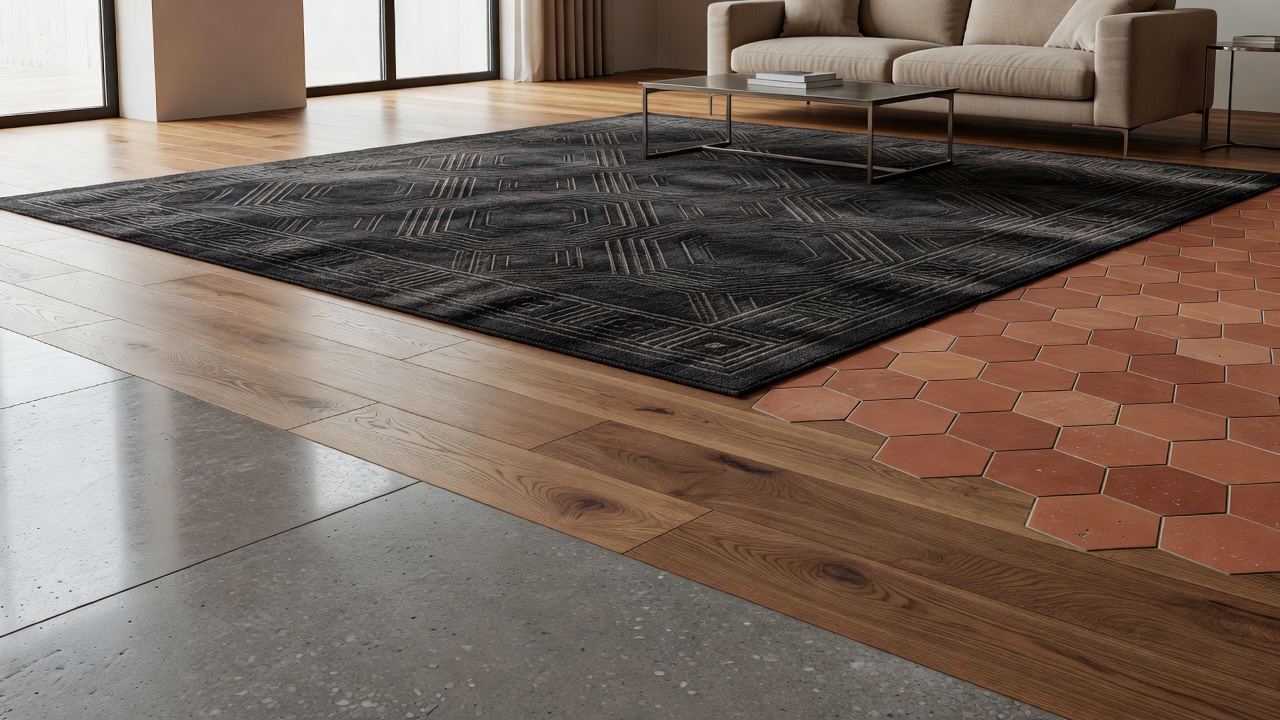 Late afternoon light pours through tall casement windows and lands on the floor like liquid champagne—soft gold, then a cooler silver where the board edges catch it. The room smells faintly of beeswax and last night’s dinner party. Nobody has spoken yet, but the floor has already set the temperature of the evening: intimate, a little glamorous, impossible to rush. That is flooring material aesthetics before anyone names a species or a finish.
Flooring material aesthetics is the visual and tactile DNA of a floor—grain, sheen, color temperature, texture, pattern scale—and how those properties engineer a room’s mood, light behavior, and first impression. It is not decoration layered on top of a surface; it is the surface deciding how the entire space will feel. Get it right and a buyer pauses in the doorway. Get it wrong and even perfect furniture looks like it is visiting.
I do this for a living: aesthetic autopsies. I read floors the way some people read faces. Hardwood, luxury vinyl, porcelain, stone—each carries an inherent story about light, touch, and emotional temperature. Trends matter (hello, warm tone flooring trends 2026), but the material’s bones matter more.
How does flooring color affect mood?
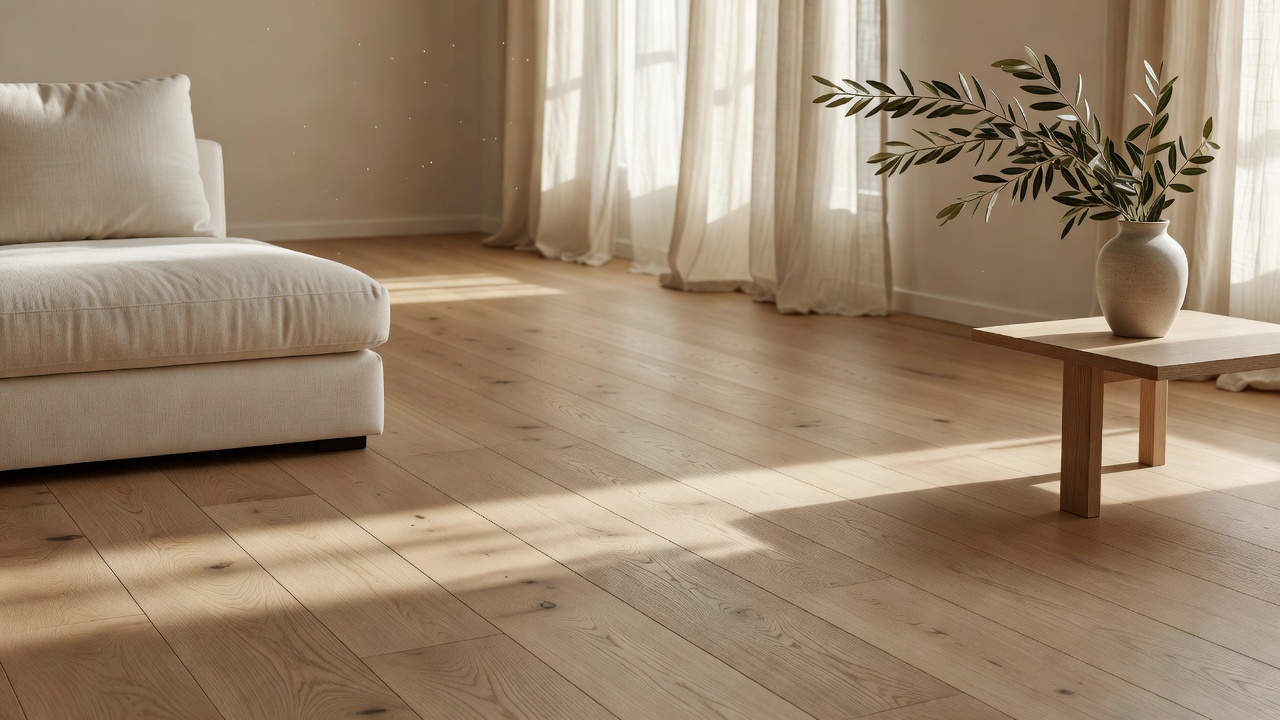
Color is the first mood lever, and floors hold more square footage of it than any wall. Light, warm floors—honey oak, soft whitewashed ash, pale limestone-look porcelain—bounce light upward and sideways. The room exhales. People speak more softly. Staging clients walk slower. Cooler mid-tones (greige oak, taupe vinyl with subtle grain) feel composed, gallery-like, excellent when you need the architecture to stay the star. Deep espresso, charcoal stone, or smoked walnut? Drama. They pull the eye down, compress the vertical space just enough to feel cocooned, and photograph like velvet.
I staged a brownstone last spring where we ripped out a muddy gray engineered floor (yes, I know, grey floors, I KNOW—let me have this) and replaced it with a warm, low-sheen white oak in a light natural tone. The open house went from “nice bones” to three offers by Sunday. The color did not just “brighten.” It changed the emotional pitch of every room. Cooler floors calm; warmer floors welcome; very dark floors seduce. Use that deliberately, not because a mood board told you to.
When buyers ask what flooring makes a room look bigger, the answer is almost always a light-to-medium continuous tone with minimal contrast at the walls, low visual noise in the grain, and a matte or satin finish that does not fracture the light into glitter. Large-format tile or wide planks help; busy borders and high-contrast checkerboards do not. Reflection helps only when it is soft. A high-gloss dark floor can actually shrink a space by turning into a mirror of clutter.
Is matte or gloss better for flooring aesthetics?
Matte. Almost always matte—or a true low sheen—if you care about flooring material aesthetics that still look expensive in 2026 and beyond. Gloss shouts. Matte listens. Matte lets grain, texture, and color temperature do the talking. It photographs cleaner for listings. It forgives micro-scratches that would scream on a piano-finish polyurethane. And it aligns with the current hunger for natural wood flooring aesthetics: floors that feel like material, not lacquered furniture.
There is a place for satin—kitchens that need a little wipe-clean liveliness, powder rooms that want a quiet gleam—but full gloss is a 2000s hangover I will fight you on. The install people will tell me high-build gloss is “more durable” and “easier to clean.” Sometimes they are right about maintenance. They are almost never right about the feeling in the room. I will concede the durability point in a high-traffic rental; I will not concede the mood. A matte European oak with a hardwax oil finish still makes me stop mid-sentence. That quiet luster. That honesty.
Texture is the secret second half of the sheen conversation. A wire-brushed matte plank catches light differently than a perfectly smooth matte LVP. One feels hand-touched; the other can feel printed. Choose texture that matches the story you are telling.
How does flooring texture influence a room’s feel?
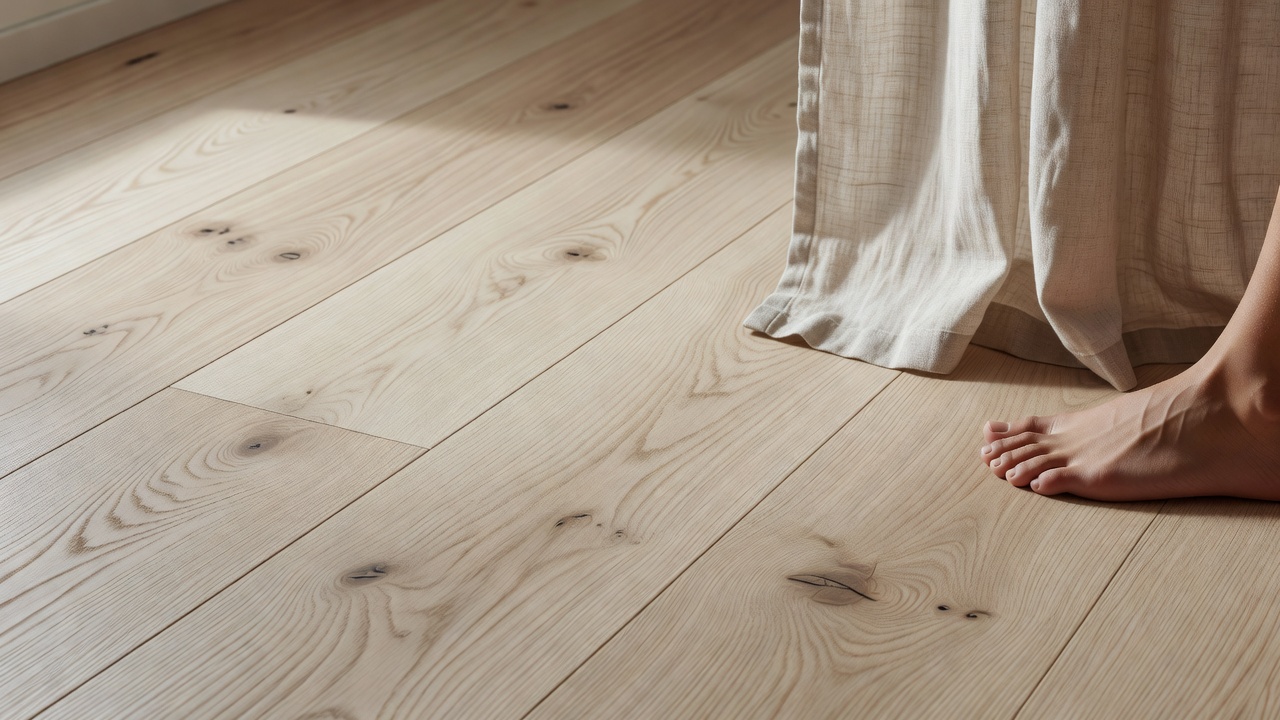
Texture is how a floor behaves when you are not looking at it—when you are walking barefoot at midnight, when a client’s hand brushes the surface during a walkthrough, when afternoon light rakes across the boards at a low angle. Smooth porcelain feels cool and decisive. Hand-scraped or lightly distressed hardwood feels storied. Soft-scraped LVP with a convincing emboss-in-register grain can almost trick the eye and the foot if the realism is high enough. Large-format concrete-look tile with a gentle undulation reads modern and grounded. High-gloss marble-look anything with no surface movement reads like a showroom sample left too long.
I keep a private mood board in words for when a client freezes:
- sun-warmed limestone, chalky and cool underfoot
- smoked oak, velvet-matte, almost edible grain
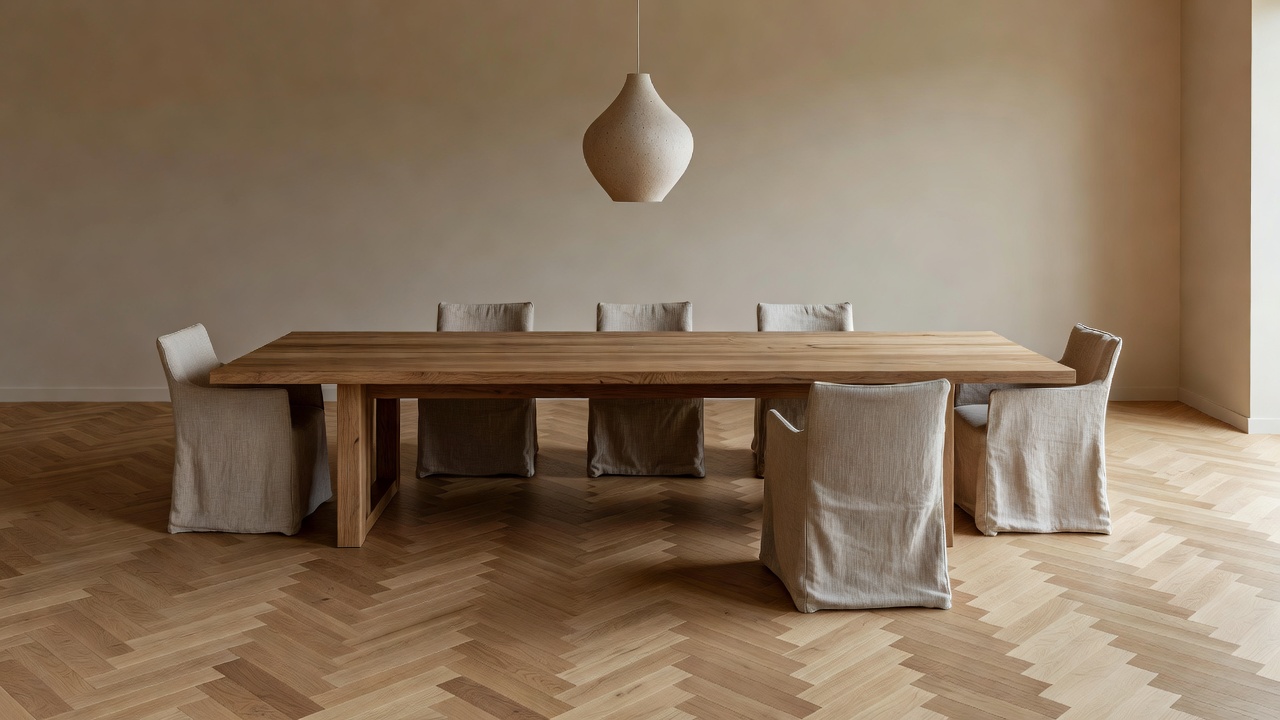
- herringbone in a soft fawn, quiet geometry
- porcelain that pretends to be travertine without the drama
- wide plank, low contrast, the color of oat milk
- a floor that makes linen look more expensive
That list is not product advice. It is emotional targeting. Flooring texture and room feel are inseparable: the more the hand and eye agree, the more the space feels intentional. For [LINK: best flooring for home staging], I almost always push lower visual noise, honest texture, and finishes that read as material rather than coating. Buyers do not want to decode your floor. They want to feel something the second they cross the threshold.
The contractors who think I am precious about this have never watched a grown adult tear up because a room finally felt like home. I have. Once. A client in a too-white loft, years of beige carpet, and we laid a single continuous run of warm, matte engineered white oak with a barely-there wire brush. She stood in the middle of the empty living room, barefoot, and just… cried. Not because it was trendy. Because the floor finally told the truth about who she was trying to become. I still think about that light on those boards.
If you are chasing how flooring materials affect room mood for a listing or a forever home, start with the material’s inherent character, not the Pinterest save. Real wood carries irregularity and soul. High-end vinyl can carry pattern consistency and practicality without looking apologetic if the realism and finish are right. Tile and stone carry coolness and permanence. Layer sheen and texture on top of that DNA; do not try to force a material to be something its body rejects. For deeper dives on specific materials, see [LINK: natural wood flooring aesthetics] and how finish choices shift the entire register of a space.
Warm-toned natural woods and matte, tactile surfaces are still leading warm tone flooring trends 2026—not because the algorithm said so, but because people are exhausted by cold perfection. They want floors that look like they have a pulse.
FAQ
How does flooring color affect mood?
Light warm floors open and calm a room; medium neutrals feel composed and modern; dark floors add intimacy and drama. Continuous color with low contrast at the walls generally makes spaces feel larger and more serene.
What flooring makes a room look bigger?
Light-to-medium continuous flooring with wide planks or large-format tiles, minimal pattern contrast, and a matte or low-sheen finish visually expands space by reflecting soft light and reducing visual breaks.
Is matte or gloss better for flooring aesthetics?
Matte or true low-sheen finishes almost always win for contemporary aesthetics: they emphasize grain and color, photograph cleaner, and feel more material-driven than high-gloss surfaces.
How does flooring texture influence a room’s feel?
Texture governs both touch and how light moves across the surface. Subtle wire-brush or soft embossing adds warmth and realism; overly smooth or high-gloss surfaces can feel colder and more commercial.
Why do flooring material aesthetics matter for home staging?
Buyers decide emotionally within seconds. The right material DNA—color temperature, sheen, texture, scale—sets mood, improves photos, and makes furniture and light look intentional instead of temporary.
So. Stand in the doorway of the room that still will not settle. Look down before you look at the art. What is the floor saying about the life that is supposed to happen here—and does the light agree?