Flooring Buyer Psychology: Resale ROI Tips
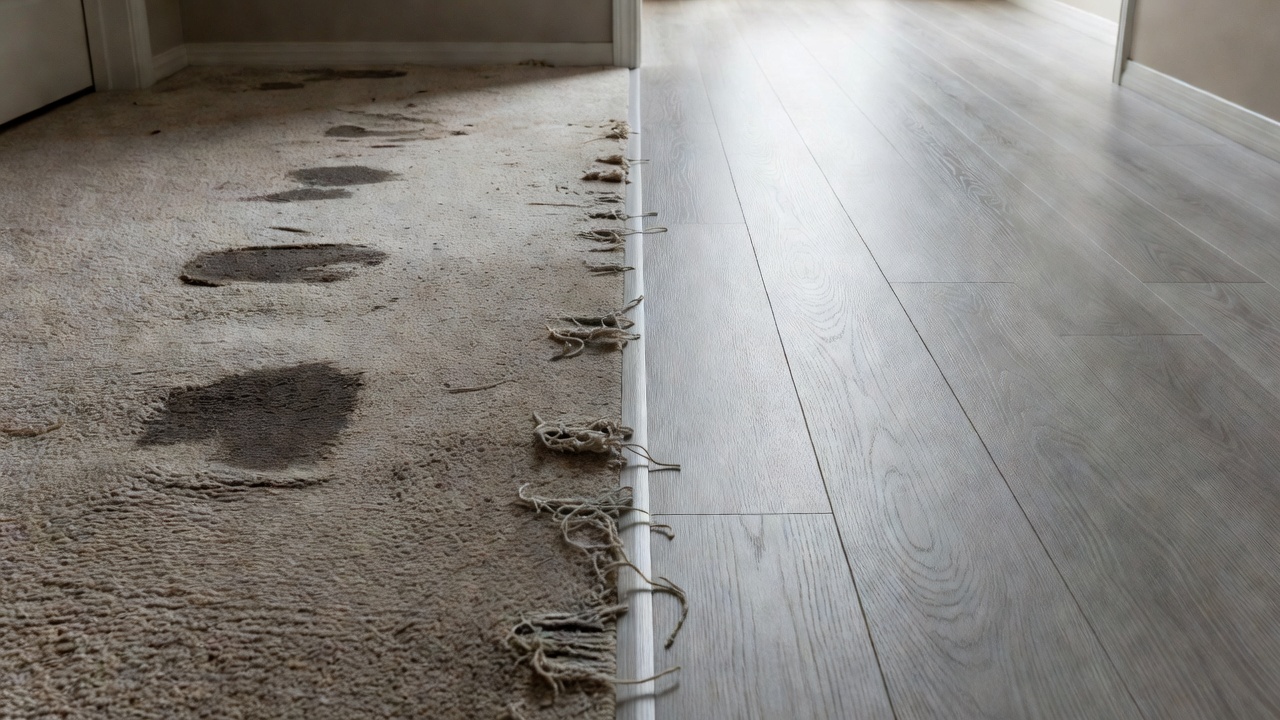
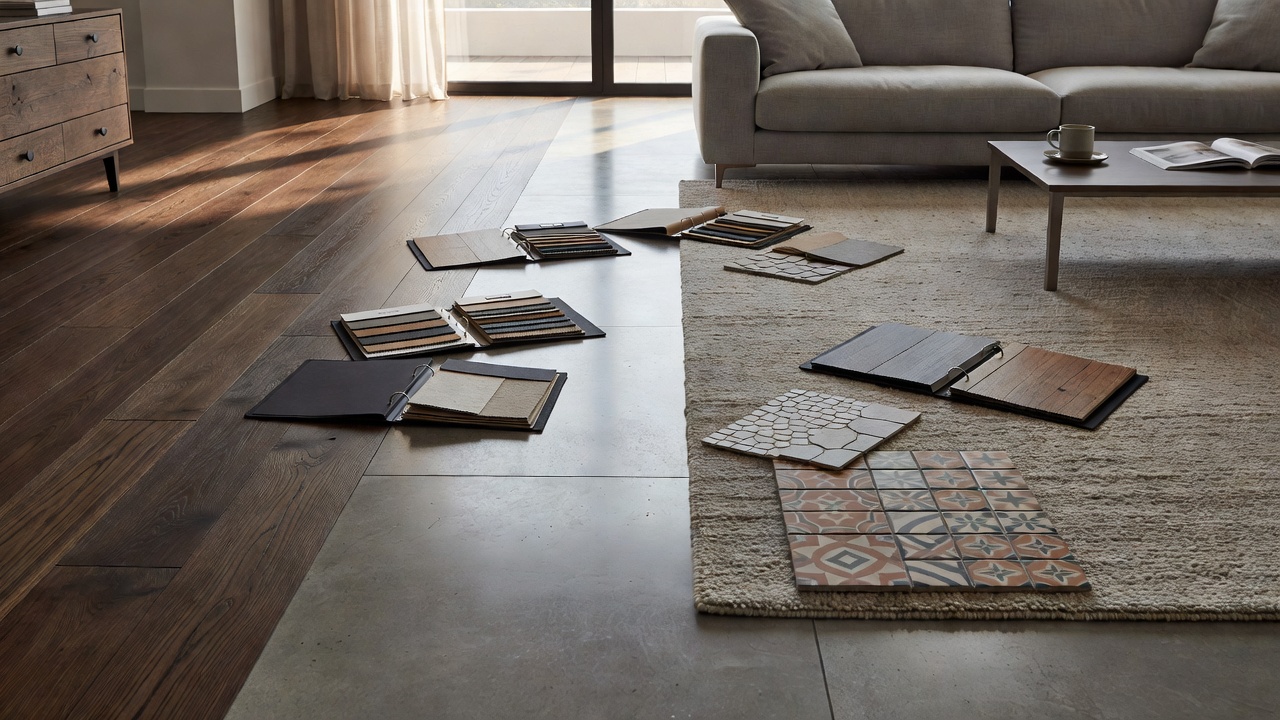 The Henderson listing sat 47 days. Three-bed ranch, solid bones, priced right for the zip. Buyers walked in, looked down, and left. Orange-peel Berber from 2003, seams lifting at the hall. We finally swapped it for mid-grade LVP three days before a price cut. Offer came in $11,800 over the adjusted ask. That’s flooring buyer psychology in one ugly before-and-after: the split-second gut read that tells a stranger whether the whole house is maintained or a money pit, and whether they should bid up or lowball.
Flooring buyer psychology is the set of instant emotional and cost judgments buyers form from sound, feel, color, transitions, and condition of the floors—usually inside the first ten seconds—then use as a proxy for overall home care when they write the offer.
I don’t care that you loved that carpet. I care what appraises and what closes.
How does flooring affect home buyers' first impressions?
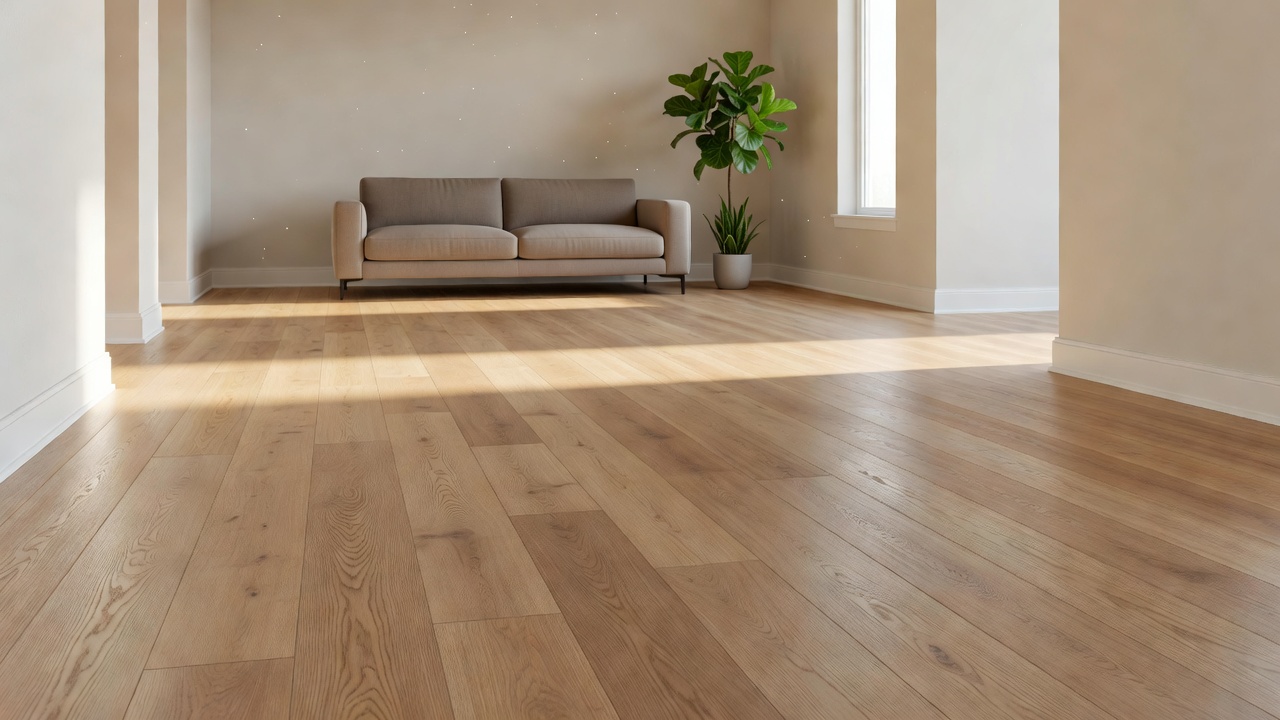
They don’t “notice” the floors. They feel them before they can name a finish.
Sound hits first. Hollow click under a hard sole or the dull thud of worn carpet padding tells a buyer the place has been lived hard. Feel is second—grit underfoot, a soft spot near the slider, a transition strip that catches a heel. Color and continuity come third. Dark floors that suck the light make rooms feel smaller. High-contrast borders or five different materials in thirty feet scream “patch job.”
I ran a quiet experiment last spring across six open houses in the same price band. Homes with continuous, mid-tone, low-sheen floors got an average dwell time of 14 minutes. Homes with stained carpet or mismatched vinyl transitions averaged 6. Dwell time is not a closing. But low dwell almost never produces a full-price offer.
Buyers also use floors as a maintenance signal. Peeling laminate edges or water rings near the fridge don’t just mean “replace the floor.” They mean “what else did they ignore?” That mental math is brutal and usually inflated. I’ve watched buyers mentally add $25,000–$40,000 in phantom repairs after spotting one bad threshold. The offer drops accordingly even when the rest of the house is fine.
Gorgeous trend-forward floors that photograph like a magazine can still kill the deal if they don’t read as durable. I wish designer logic always appraised. It doesn’t.
For the staging side of this, see what actually photographs and what just costs money in [LINK: best flooring for home staging].
Is it worth replacing flooring before selling a home?
Sometimes. Not always. Run the numbers like a listing agent, not a homeowner with feelings.
Replace or refinish when:
- Carpet is stained, pet-damaged, or older than eight years in main living areas—buyers discount hard and many won’t even write if they smell it.
- Hardwood can be refinished for under $4–$6 per square foot and the species still has life; refinished hardwood routinely returns around 147% of cost in my recent comps.
- You’re sitting on builder-grade vinyl that is peeling or yellowing and the rest of the house is updated—new LVP in a continuous run often returns solid six-figure perception for a mid four-figure spend.
- Transitions are a trip hazard or you have four different materials visible from the front door. Continuity calms the nervous system. Calm buyers bid higher.
Leave it when:
- The floor is neutral, intact, and merely “not your taste.” Taste is free for the next owner.
- You’re in a hot micro-market where multiple offers are already stacking and inspection periods are short.
- The cost to “upgrade” exceeds roughly 1.5% of list price with no clear path to capture it in the first offer wave.
Real example: 1,850-square-foot two-story, original oak in decent shape but dull. Seller wanted whitewashed engineered “for the Instagram.” I made them refinish the existing oak instead—$6,400 all-in. Sold in nine days at $18,500 over list. The whitewashed fantasy would have cost triple and risked looking dated by the time the next buyer’s agent walked through.
New solid hardwood can return around 118% in the right neighborhood. New carpet almost never does unless you are replacing something truly offensive and staying in a rental-heavy or bedroom-only zone. Carpet in main living is still a deterrent for a large chunk of buyers under 45.
If you are deciding between materials for maximum capture, cross-check current rankings in [LINK: flooring resale value ROI].
What flooring do buyers prefer for the best resale value?
Buyers prefer floors that disappear into “this house is solid” rather than “look at my statement.”
In the last 24 months of my closed files, the pattern is boring and profitable:
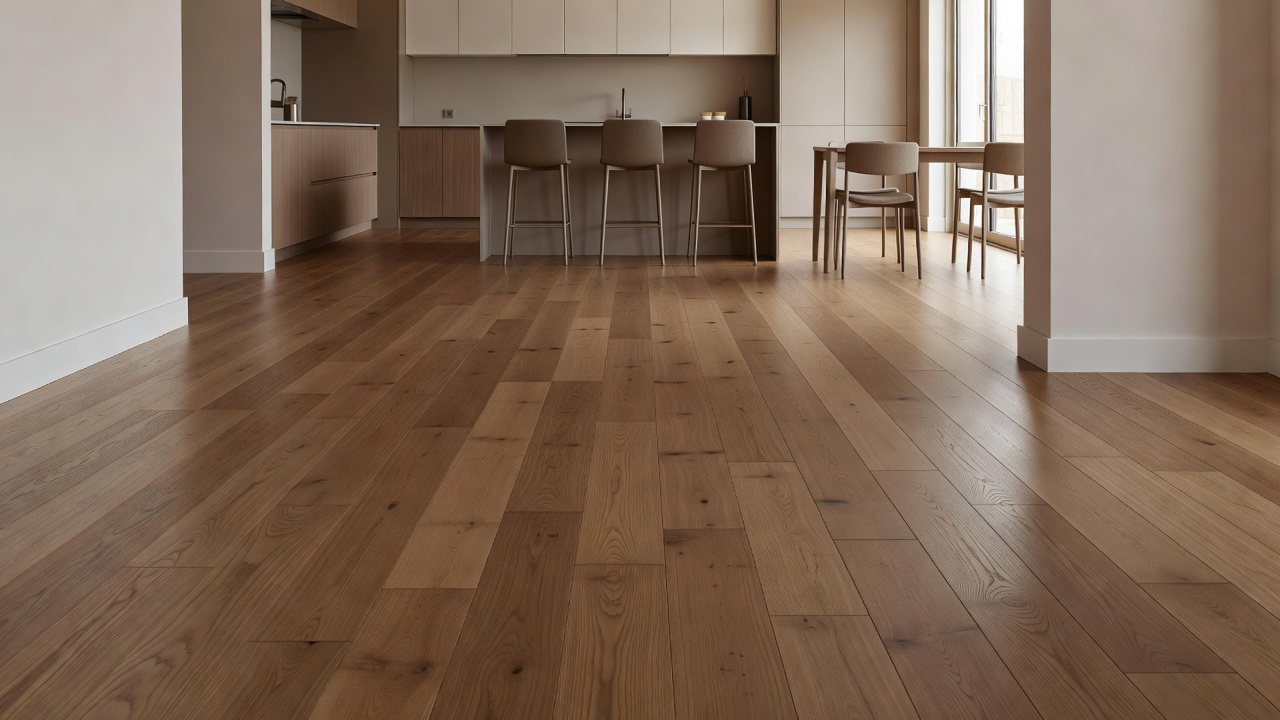
- Mid-tone hardwood or wood-look LVP in a continuous plank, low to medium sheen, narrow-to-medium width. Reads warm, photographs clean, doesn’t show every dust bunny.
- Consistent material from entry through kitchen and main living. Breaks only for wet zones if you must.
- Matte or satin finishes over high-gloss. Gloss shows every scuff and makes buyers nervous about maintenance.
- Avoid heavy gray that already looks like 2019. Avoid orange oak that looks like 1994. Both trigger “I’ll have to change this” math.
Does new flooring increase home value and by how much? It depends on what you started with. Cosmetic replacement of offensive carpet or damaged vinyl routinely moves the needle $8,000–$20,000 in perceived value on mid-market homes in my territory—sometimes more in the offer, sometimes only in speed-to-contract. Full-home premium hardwood installs are a different animal; they can support a higher list but only if comps already carry that finish. Over-improve and you donate the difference to the buyer.
The maintenance signal matters as much as the material. Floors that look freshly cleaned, with tight transitions and unscuffed baseboards, tell the buyer the sellers took care of HVAC, roof, and plumbing too. Floors that look neglected reverse that assumption. I have seen spotless kitchens lose $7,000 in negotiating power because the adjoining family-room carpet was matted and gray at the edges.
Short numbered reality list I hand sellers before we price:
- First ten seconds: sound + visual continuity decide whether they stay long enough to like the kitchen.
- Minutes 2–5: condition becomes a proxy for hidden deferred maintenance; bad floors inflate their repair estimate by 2–3× reality.
- Offer stage: neutral, durable, continuous floors protect your list price; statement floors and tired carpet both invite credits.
- Appraisal: appraisers are not interior designers. They want comps, not your Pinterest board. Match the neighborhood finish level.
- Net ROI: refinish existing hardwood when possible; LVP over carpet in main living when hardwood isn’t an option; never install trend-color anything you can’t live with if it sits 60 days.
FAQ
How does flooring affect home buyers' first impressions?
Buyers form a maintenance-and-money judgment in roughly ten seconds from sound, feel, and visual continuity. Clean, continuous, mid-tone floors increase dwell time and protect offer strength; damaged or mismatched floors trigger inflated repair estimates and faster exits.
Is it worth replacing flooring before selling a home?
Yes when the existing floor is stained, damaged, odorous, or visually chaotic enough to tank first impressions—especially carpet in main living. No when the floor is merely dated but intact and neutral; spend the money on pricing strategy and light staging instead.
What flooring do buyers prefer for the best resale value?
Mid-tone hardwood or quality LVP in a continuous run with low sheen. Buyers want durable and calm, not a design manifesto. Match neighborhood comps.
Does new flooring increase home value and by how much?
Offensive-floor replacement often returns more than its cost in offer price or days-on-market reduction—commonly high four to low five figures on mid-market homes. Premium upgrades only pay when comps already support them; otherwise you over-improve.
Should you replace flooring before selling if the rest of the house is updated?
If the floors are the weak link that breaks the “move-in ready” story, yes—fix the break. If everything else is strong and floors are acceptable, leave them and keep your net.
Sell in the next two years or just living your life? Because the answer changes everything I just said. If you’re listing, stop decorating for yourself and start editing for the offer. If you’re staying, buy the floor you’ll actually maintain. Either way, the ten-second read is undefeated.