AC Rating Laminate Flooring: Standards Explained
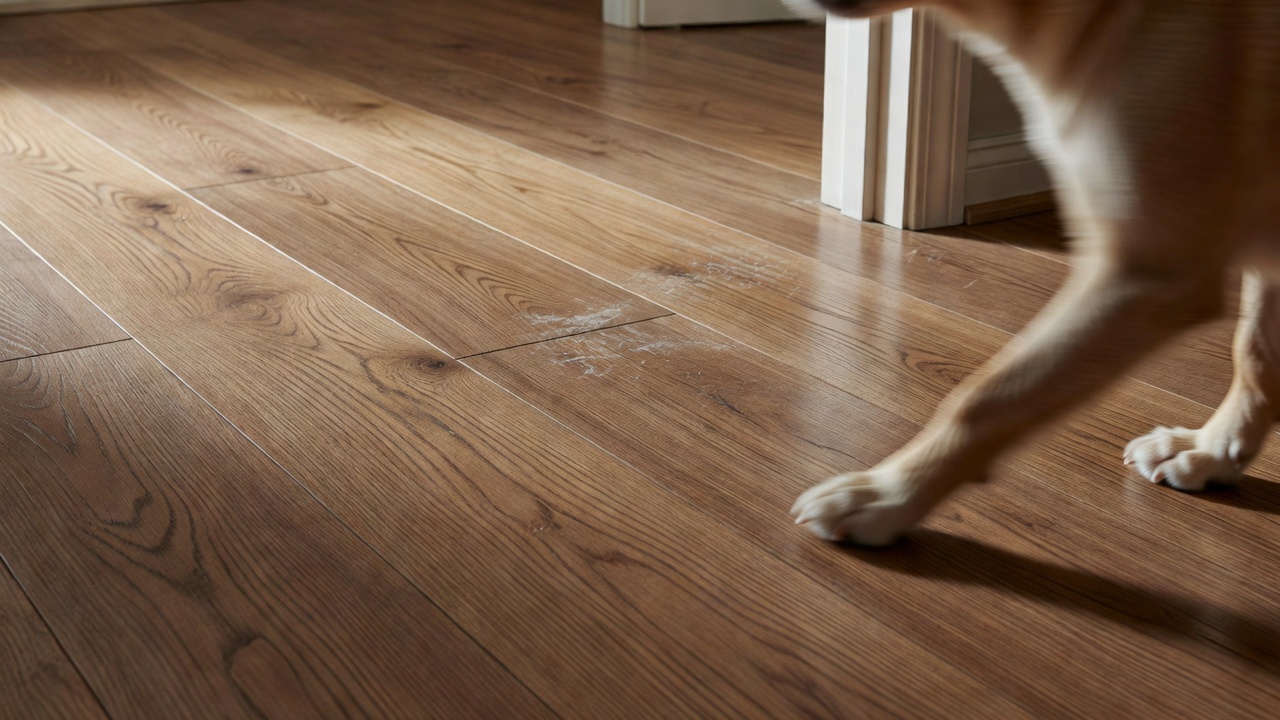
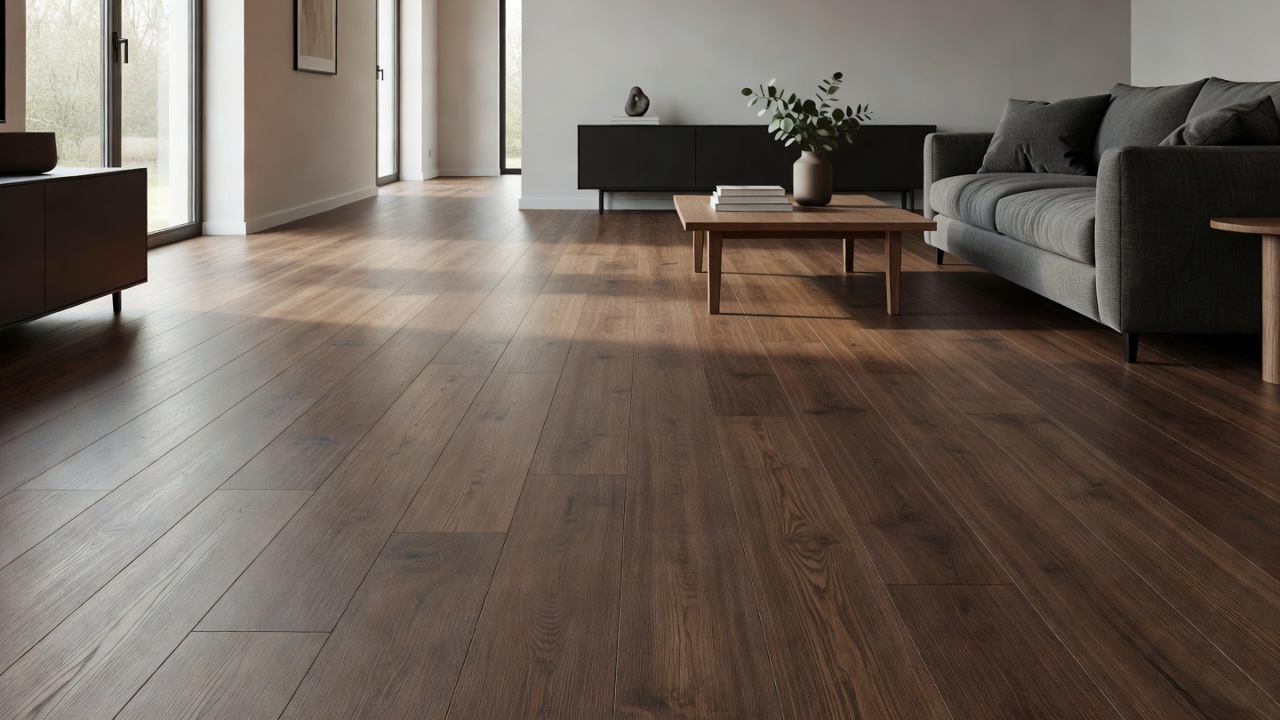 The dog’s nails hit the hallway at 6:14 a.m., and I watched the light catch a dull patch where the finish used to look wet. That little scuff is exactly what AC rating laminate flooring is built to survive—or not. An AC rating is a standardized Abrasion Class score (from the NALFA LF-01 / EN 13329 family of tests) that ranks how long a laminate’s aluminum-oxide wear layer holds up under controlled abrasion, impact, and stain protocols before the décor layer shows through. Higher class, more cycles, more real-world abuse before you see the picture paper. That’s the whole story in one lab sentence—then the chemistry gets interesting.
What does AC rating mean on laminate flooring?
In plain terms, AC rating laminate flooring is laminate graded by how many Taber-abrasion revolutions (and companion stress tests) it endures before the printed décor layer becomes visible. Labs glue a sanding wheel to a rotating arm, drop it on a sample, and count. AC1 is basically “please don’t walk here.” AC3 is the residential workhorse most homes actually need. AC4 and AC5 lean commercial—rolling carts, grit tracked in from parking lots, the kind of traffic that treats a kitchen like a loading dock.
The gloss I wish every box flap carried: AC rating = lab-speak for “your dog can destroy this and it’ll probably survive,” calibrated against a known abrasive wheel rather than a salesperson’s optimism.
NALFA LF-01 (North American Laminate Flooring Association) and the European EN 13329 standard are the rulebooks. They don’t just spin a wheel and high-five. The suite typically includes:
- Taber abrasion — calibrated wheels grind until a defined percentage of the décor is gone; that cycle count maps to the AC class.
- Impact resistance — a small steel ball (or equivalent drop apparatus) checks whether the wear layer and core crack or dent under sudden force.
- Stain and cigarette-burn resistance — chemistry check: does the overlay shrug off common household insults, or does pigment weld itself into micro-scratches?
- Swelling at the edges after moisture exposure — because abrasion means nothing if the HDF core (high-density fiberboard) wicks water at the joint and mushrooms.
- Castor-chair and furniture-leg simulation — rolling and point-load wear that real living rooms invent daily.
Okay, this is the part where I get a little too into it—feel free to skim—but the aluminum-oxide particles suspended in the melamine overlay are doing the actual fighting. They’re harder than silica grit on a sneaker sole. The binder resin has to hold them in a continuous film; if the film is thin or poorly cross-linked, the oxide grains pop out early and you’re abrading resin, not ceramic. Isn’t that wild? The “hardness” you feel underfoot is partly ceramic grit locked in a thermoset matrix, not magic wood.
Core density matters more than marketing admits. A dense HDF core supports the overlay so the wear layer doesn’t flex-and-microcrack. Cheap cores compress; the overlay then sees cyclic bending on top of abrasion, and failure accelerates at the joints first. I’ve watched samples where the face still looked fine while the tongue-and-groove had already whitened and crumbled. Visible damage is often the last chapter, not the first.
If you’re comparing products, pair the AC number with how the brand talks about [LINK: laminate underlayment moisture barriers] and edge sealing. Standards assume a competent install; they do not babysit a damp slab.
Is AC rating the same as wear layer thickness?
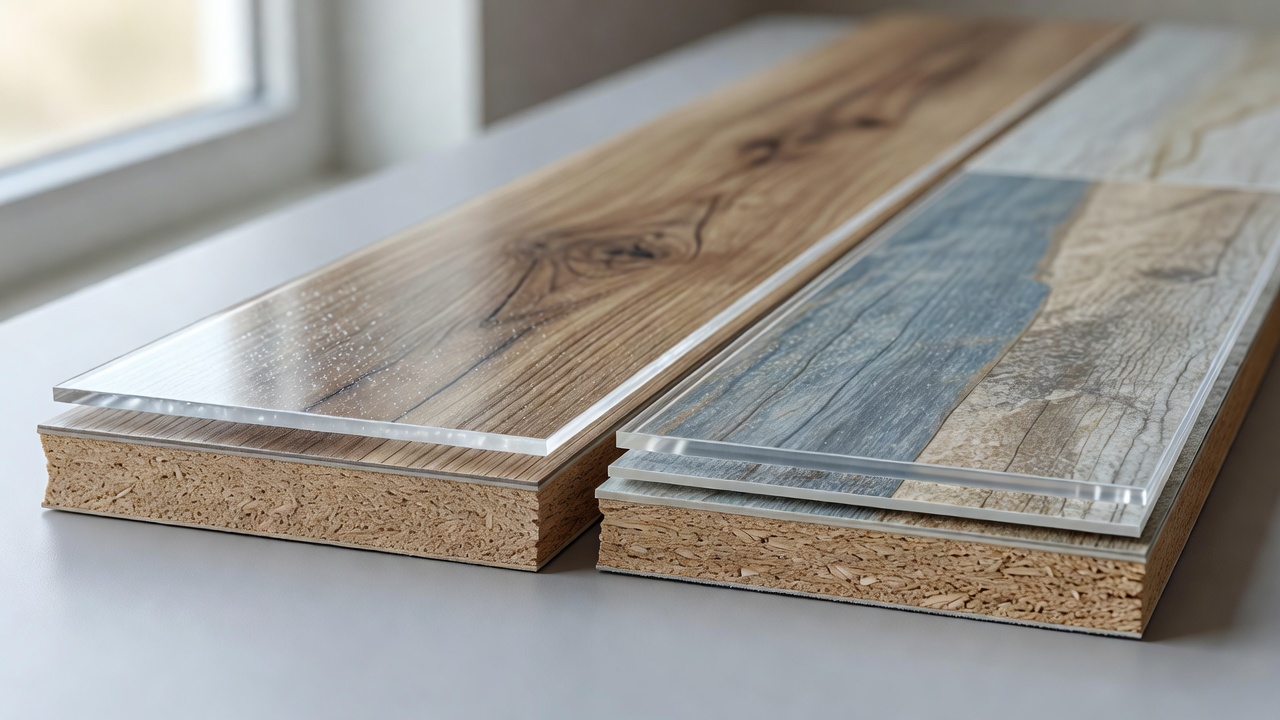
No. This is the mix-up that keeps flooring forums lively. AC rating is a performance class from multi-test protocols on laminate (and some hybrid constructions tested that way). Wear layer thickness is a physical measurement—usually in mils (thousandths of an inch)—of the clear vinyl (or urethane) film on LVP/LVT. Different materials, different tests, overlapping vocabulary that confuses everyone at the sample rack.
Laminate’s “wear layer” is that thin melamine-plus-aluminum-oxide overlay pressed over printed paper. You rarely see it quoted in mils the way LVP is; you see AC3, AC4, AC5. LVP’s wear layer is a clear polymer sheet laminated over the print film. Thicker usually means more life if the formulation includes ceramic bead or urethane topcoats—but a 20-mil soft vinyl can lose to a 12-mil hard urethane with aluminum oxide. Thickness is necessary; it is not sufficient. ASTM-style wear protocols and manufacturer Taber numbers try to capture that, yet many retail tags still lead with mils alone.
So: Is AC rating the same as wear layer thickness? Not even cousins. One is a pass/fail class from NALFA-style suites. The other is a caliper reading on a vinyl clearcoat. When a listing says “AC4 equivalent” on an LVP, treat it as marketing translation unless they show the actual test method. I say that with affection for marketers. Mostly.
How thick should the wear layer be on LVP?
For most homes, a wear layer thickness on LVP in the 12–20 mil range is the practical residential band you’ll see recommended again and again—and for once the herd is roughly right. Below ~12 mil, you are in light-use or temporary territory; chair legs and grit will telegraph sooner. At 20 mil and above, you’re buying headroom for dogs, kids, and the chair that never got felt pads. Commercial spaces often jump higher, but diminishing returns kick in if the topcoat chemistry is mediocre.
What the mil number does not tell you: plasticizer quality, UV stabilizers, ceramic content, and whether the emboss-in-register texture creates thin spots at the peaks of the grain. Texture is pretty until abrasion preferentially attacks the high points. I’ve ruined a Saturday measuring that with a micrometer I definitely own for normal reasons.
Cross-check durability claims against indoor-air credentials too. [LINK: FloorScore certification] doesn’t measure scratch resistance—it measures VOC emissions against CA Section 01350—but a plant disciplined enough to hold FloorScore is often the same plant that documents wear tests instead of inventing them. Correlation, not causation. Still useful signal.
What is the best AC rating for laminate floors?
For the overwhelming majority of houses, AC3 is the best AC rating for laminate floors: living rooms, bedrooms, dining rooms, light kitchens if you’re careful with water. AC4 is the upgrade when you have a mudroom that behaves like a trailhead, heavy pets, or an open plan that funnels every grocery run across the same path. AC5 is rarely necessary at home unless you also host a weekly dance troupe or run a daycare out of the great room.
“Best” is load-matched, not maximally expensive. Over-specifying AC5 in a guest bedroom is how you pay for oxide you will never abrade. Under-specifying AC2 in a kitchen is how you meet the décor layer by year three and invent creative rug strategies.
Failure modes I keep seeing when specs are ignored:
- Abrasion breakthrough at pinch points—under stools, at exterior doors—while the field still looks new.
- Joint fretting where micro-movement plus grit acts like a tiny saw; AC tests the face more thoroughly than a poorly milled locking profile.
- Moisture edge swell that lifts the wear layer so abrasion attacks a raised ridge. The standard tested a dry sample; your slab did not get the memo.
- UV fade of the décor mistaken for wear—different chemistry (pigments and lignin in any real-wood veneers nearby), still blamed on “the finish failing.”
Standards predict longevity when the install respects moisture, flatness, and expansion gaps. They do not redeem a wavy subfloor or a steam mop used as a personality trait.
A quick materials checklist before you buy
If you want the nerd’s short list of what actually predicts life:
- Confirm the AC rating (or published Taber / NALFA reference) rather than a vibe word like “commercial grade.”
- For LVP, read wear layer thickness and topcoat type (urethane, aluminum oxide, ceramic bead).
- Ask how edges are sealed and what the core is (HDF density for laminate; rigid core composition for LVP).
- Look for FloorScore or equivalent IAQ documentation as a process-discipline signal.
- Match class to traffic: AC3 default residential; AC4 for punishment zones.
I know that’s a lot. I just think it’s really cool that a sanding wheel in a lab can forecast whether next winter’s rock salt will ghost your hallway.
FAQ
What is the best AC rating for laminate floors?
AC3 is the best AC rating for most homes—living areas, bedrooms, and typical kitchens with normal care. Choose AC4 for heavy pets, mudrooms, or intense traffic paths; AC5 is usually overkill residentially. Match the class to how the room is actually used, not to the highest number on the shelf.
What does AC rating mean on laminate flooring?
An AC rating is an Abrasion Class from NALFA LF-01 / EN 13329-style testing that scores how well the aluminum-oxide wear layer resists abrasion, impact, and related stresses before the printed layer shows. Higher numbers mean more lab cycles and, generally, longer life under real foot traffic. It is a performance class, not a thickness measurement.
How thick should the wear layer be on LVP?
For residential LVP, 12–20 mil is the common durable range; lighter use can go thinner, and busy households often prefer 20 mil or more. Thickness helps only when the clear film’s chemistry (urethane, ceramic content) is solid. Always read mils together with wear-test claims, not instead of them.
Is AC rating the same as wear layer thickness?
No. AC rating is a multi-test performance class used mainly for laminate; wear layer thickness is a mil measurement of LVP’s clear polymer film. They answer different questions on different products. Treat “AC equivalent” claims on vinyl as approximate unless a real test method is cited.
Do FloorScore or ASTM labels replace an AC rating?
No. FloorScore addresses emissions and indoor air quality; ASTM wear-layer methods and NALFA protocols address durability differently. Use them as complementary filters—healthy air plus proven abrasion resistance—rather than substitutes for each other.
Next time a sun patch lights up your floor, look for the places shine has gone flat first—door thresholds, the bit under the kettle, the chair orbit. That’s the wear layer filing its field report. I still find it quietly delightful that a few grams of aluminum oxide, locked in the right resin, can turn years of footsteps into a shrug.