Subfloor Preparation for Hardwood: Pro Tips That Last
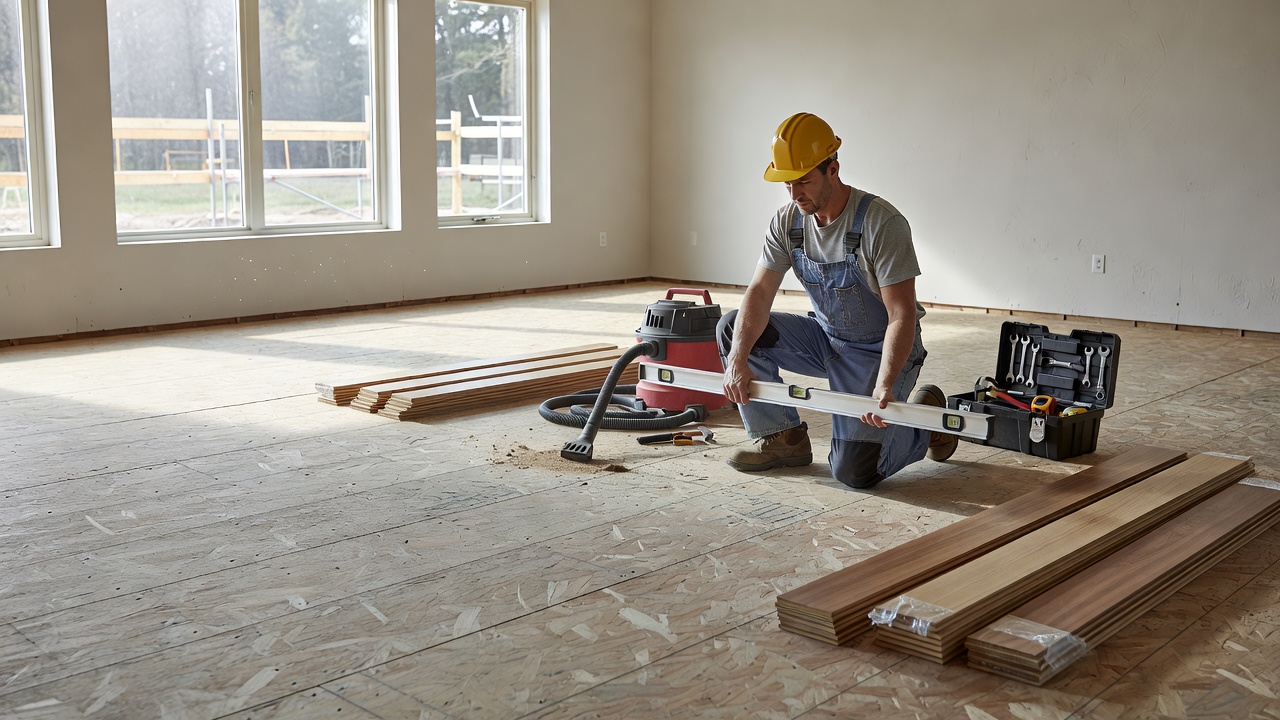 Lady in Fairview wanted white oak over a kitchen that still smelled like the dishwasher leak from three winters back. She kept pointing at the old vinyl and saying the subfloor "felt solid." It wasn't. Subfloor preparation for hardwood is cleaning, fastening, leveling, moisture-testing, and repairing the structural layer under your finish floor until it is dry, flat, and sound enough that the hardwood won't cup, squeak, or void the warranty. Do that right and the floor lasts. Skip it and you're paying me twice. Prep is 80% of the job and nobody wants to pay for it until the boards start talking back at 2 a.m.
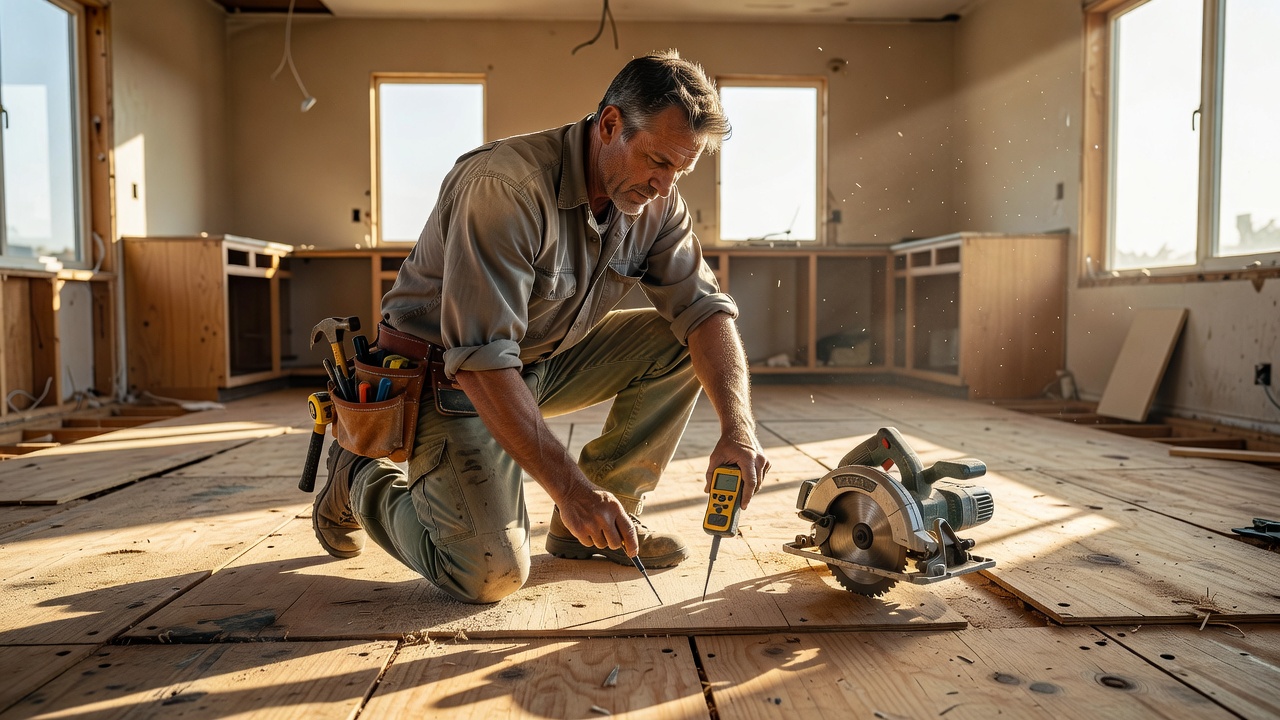
I pulled the vinyl. OSB edges had swelled into a topographic map. Fasteners were backed out half an inch. Moisture meter hit 18% in a low corner. She still wanted the pretty boards from the showroom — never trust a floor that "looks fine" in the showroom lighting. We spent two extra days on subfloor preparation for hardwood before a single stick of oak went down. She complained about the invoice. She does not complain about the floor.
What is the acceptable moisture content for a wood subfloor before hardwood?
Wood subfloor moisture content needs to sit in the range the hardwood manufacturer actually printed on the warranty sheet — most solid and engineered lines want the subfloor at or under 12% MC, and within a few points of the finish flooring itself after both have acclimated in the house. Concrete slabs are a different animal: relative humidity testing, often capped around 75% RH or whatever the adhesive maker demands, not a pin meter stuck in dirt.
I carry two meters because one always lies when the battery's dying. Pin meter for plywood and OSB. Pinless for a quick scan across a room. I write the readings on the subfloor in lumber crayon so the homeowner can see them before I cover anything up. If the number is high, we wait, we run dehumidifiers, we find the leak. We do not "hope it dries under the new floor."
Here's the rant I give every apprentice and half the general contractors who hire me. Moisture testing is not optional theater. I once bid a 900-square-foot ranch where the previous guy had glued engineered hardwood straight to OSB that still read 16% after a slow roof drip above a hall closet. Six months later the boards cupped so hard you could catch a boot toe on the edges. Homeowner blamed "cheap wood." Insurance blamed "improper install." The real villain was a subfloor nobody metered because the schedule said install day was Tuesday. I tore it all out — finish floor, ruined underlayment, the swollen OSB path down the hall — and sistered joists where the drip had soft-spotted the framing. That job paid my truck note for two months and taught one family that a $40 meter and three days of patience beat a full tear-out. Every time someone tells me the house "has been empty and dry," I still meter the corners, the exterior walls, and anything within four feet of a plumbing run. Dry air in the living room does not mean dry wood under the fridge line.
If you're comparing systems later, read up on [LINK: hardwood moisture barriers] before you pick an underlayment that traps what you should have dried out.
Is plywood or OSB better for a hardwood subfloor?
Plywood is the better subfloor for hardwood in most real houses I work. It holds fasteners tighter over time, dries faster after a wetting event, and does not swell at the edges the way OSB does when a pipe sweats or a slider leaks. OSB is cheaper, often a hair stiffer span-for-span, and plenty of production builders use it without drama — until the first moisture hit. Then the edges pillow, the joints telegraph, and your hardwood starts sounding like a ship deck.
Best subfloor for hardwood floors in a remodel is usually 3/4-inch tongue-and-groove plywood, APA-rated, installed smooth side up, staggered joints, fastened to the joists on a proper schedule. If the existing deck is OSB and it is flat, dry, and not delaminating, I will leave it and add a layer of 3/8 or 1/2 plywood on top rather than strip the whole house. Full strip only when the panels are junk.
Fastening matters more than brand stickers. Screws or ring-shank nails into the joists — not just into the old underlayment floating on hope. I still see guys shooting staples like they are upholstering a couch. Staples back out. Screws stay. When I add a second layer for stiffness or to bury damaged OSB, I glue and screw on a grid, joints offset from the layer below, and I vacuum every sheet before the next one lands. Dust is a bond breaker. So is a soft drink spill from the laborer's lunch.
Do I need to replace my subfloor before installing new hardwood?
You replace the subfloor when it is soft underfoot, delaminated, mold-stained through the face, crushed at the joists, or so out of level that patching would build a mountain range. You do not replace it because an influencer said "start fresh" for the open-concept reveal. Soft spot under the dishwasher? Cut out to solid joists, sister if needed, drop in new plywood flush. Whole kitchen spongy? Then we talk full sheets.
Signs I will not argue past:
- Heel sinks or the panel crunches.
- Dark fungal staining that goes deeper than surface dust.
- Edges swollen higher than the field by more than you can sand fair.
- Previous water event with no documentation that it ever dried below 12%.
- Joists split or notched so deep the span is doing gymnastics.
I had a couple last spring who wanted wide-plank hickory for a "timeless farmhouse look" — the kind of trend pitch that ignores how hickory moves and how their 1970s particleboard underlayment was already waving. We ripped the particleboard, found original diagonal boards in decent shape, added plywood over that, and the hickory finally had something honest to sit on. Cost more up front. Saved them from the callback I refuse to make free.
How flat does a subfloor need to be for hardwood or LVP? Most hardwood makers want flat to 3/16 inch in 10 feet, sometimes tighter for wide planks or rigid-core LVP. I check with a straightedge and a flashlight, not my eye from the doorway. High spots get sanded or planed. Low spots get a portland-based leveler rated for wood, feathered out, never a skim of something that softens when the seasons turn. Gypsum toppings over wood are a conversation I usually end with "no." If you are floating LVP instead of nailing hardwood, the flatness rules get stricter, not looser — the click system telegraphs every ridge. For deeper leveling options and when self-leveler is even legal over your assembly, see [LINK: leveling subfloor for flooring].
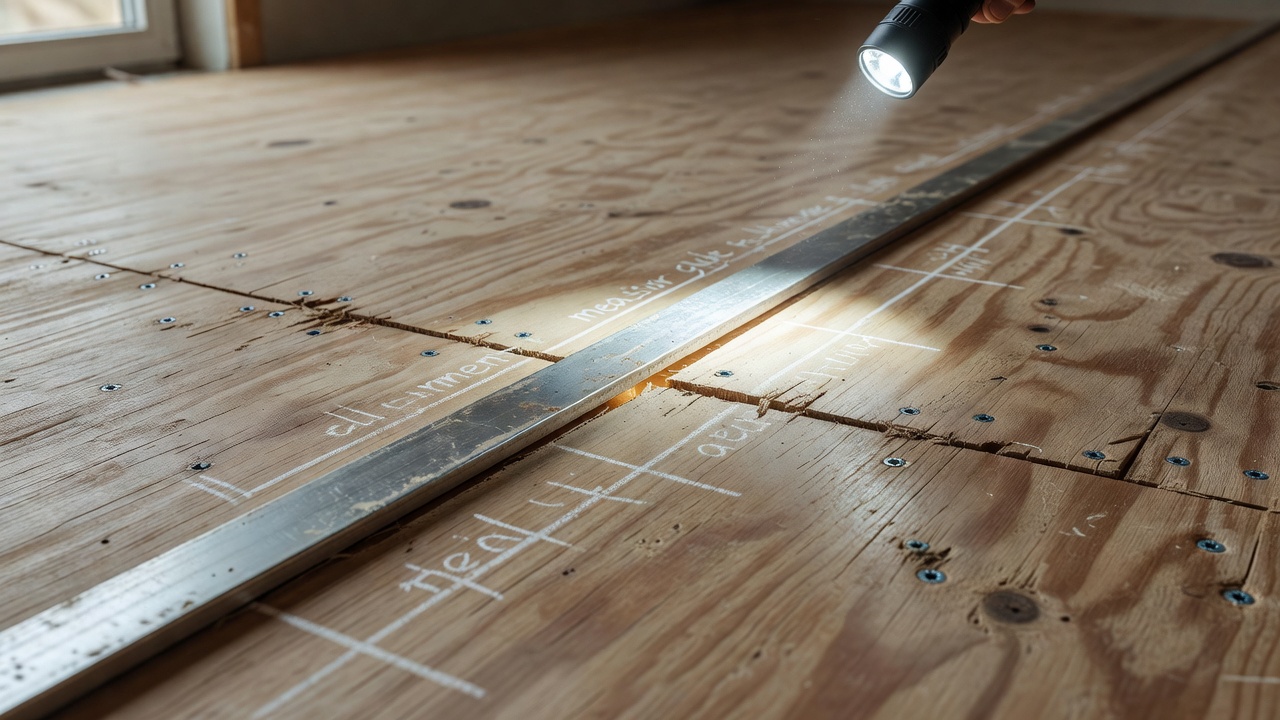
How I actually run subfloor preparation for hardwood on a job
Walk the floor slow. Mark every squeak, dip, and stain. Meter in a grid, not just the sunny spot in the middle of the room. Pull base and transitions so you see the perimeter where water loves to hide. Fasten the existing deck to the joists until it quits moving — screw pattern tight enough that walking it sounds dead, not drumlike. Scrape glue ridges, sweep, vacuum, then vacuum again because the first pass lies. Check flatness. Fix high and low. Confirm moisture is in spec and stable across two checks a day apart if the house was wet recently. Only then do underlayment or vapor retarder per the hardwood instructions, and only then the finish floor.
People want to jump to stain colors and board widths. I want the substrate boring. Boring does not call me back in February.
FAQ
What is the acceptable moisture content for a wood subfloor before hardwood?
Most manufacturers want wood subfloors at or below 12% moisture content and close to the hardwood's own reading after acclimation. Confirm the exact number on the product warranty; if you are over it, dry the structure before you install.
Is plywood or OSB better for a hardwood subfloor?
Plywood generally wins for fastener hold and moisture recovery; OSB is acceptable if it is flat, dry, and undamaged, but swollen edges are a common failure path. When in doubt on a remodel, overlay OSB with plywood rather than gambling.
Do I need to replace my subfloor before installing new hardwood?
Replace panels that are soft, delaminated, crush-damaged, or chronically wet; repair localized damage instead of stripping a whole solid floor. A subfloor that is merely ugly but structurally tight can often be fastened, leveled, and reused.
How flat does a subfloor need to be for hardwood or LVP?
Plan for about 3/16 inch in 10 feet unless your flooring brand demands tighter — wide plank and rigid LVP are less forgiving. Straightedge the room and fix highs and lows before underlayment.
Can I install hardwood over a painted or glued subfloor?
Only if the residue is sound, thin, and compatible with your adhesive or fastener plan; thick glue ridges and flaking paint get scraped or ground clean. When the mess is uncertain, a new plywood layer is cheaper than a failed bond.
Anyway. Call somebody before you rip anything out. Doesn't have to be me. Should probably be me.