best flooring for home staging
Should I Replace Flooring Before Selling? Staging ROI Guide
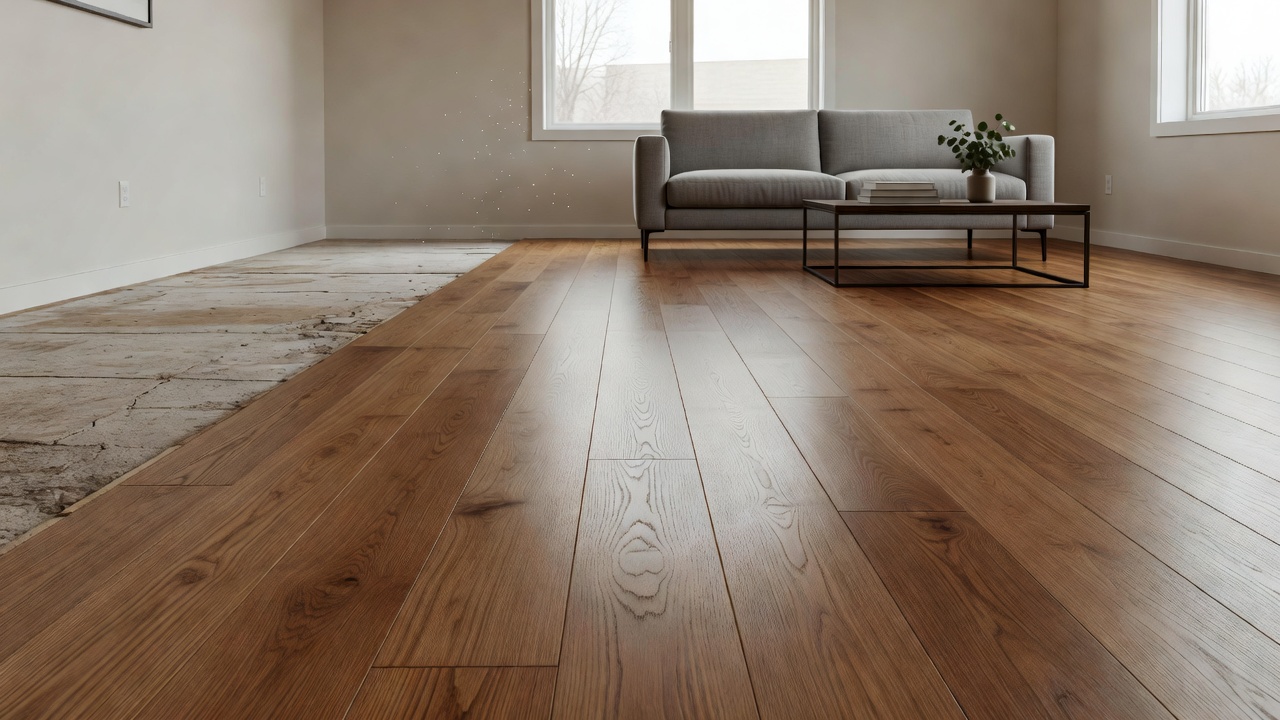 The Hendersons on Maple listed at $425,000 with 2003 beige carpet that still smelled like the previous owner's dog. First open house: three couples left early. I told them straight—replace the flooring before selling or watch it sit. They spent $3,800 on mid-grade LVP in the main living areas. Closed three weeks later at $439,500.
Should I replace flooring before selling? Yes when the floors are killing offers—stained carpet, bubbling laminate, or hardwood too far gone to refinish for under two grand. No when a deep clean, professional refinish, or just yanking the area rugs will do the job. Replacing flooring before selling is a pre-listing investment that swaps worn or dated surfaces for materials buyers read as move-in ready, with the goal of lifting the final offer and cutting days on market. That's the whole game. Gorgeous doesn't always mean it appraises. I wish it did.
How important is flooring when selling a house?
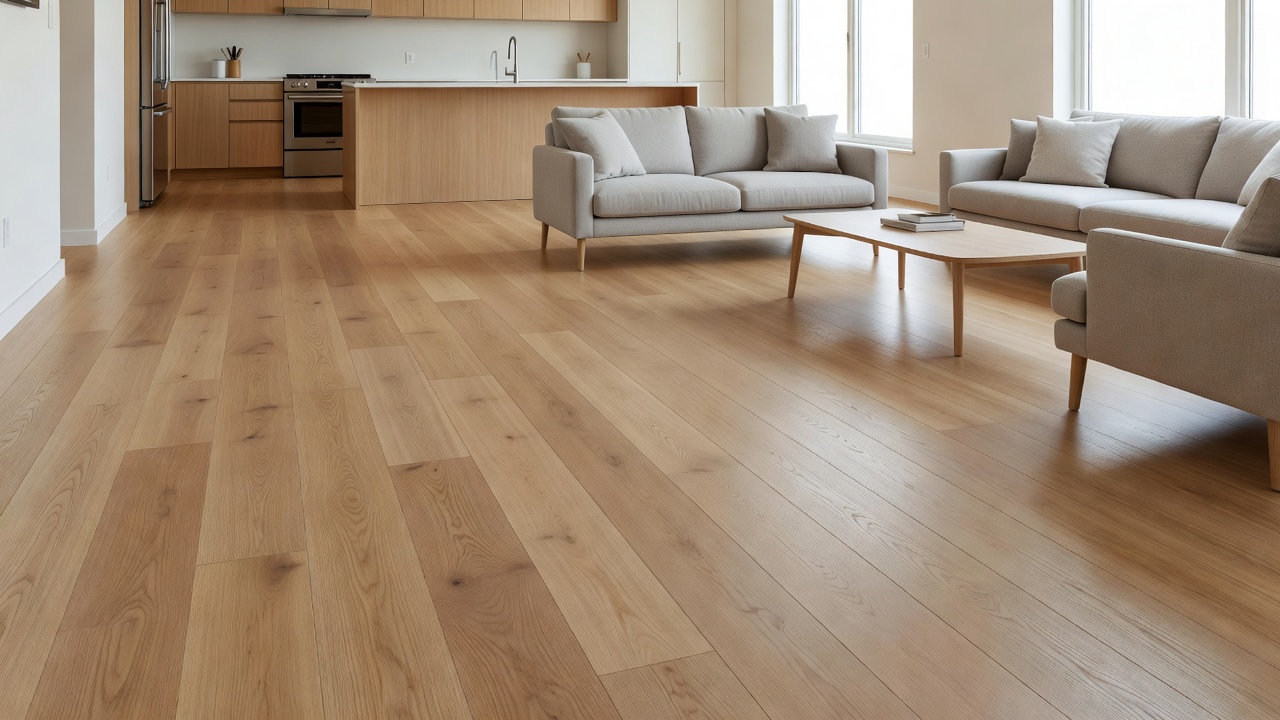
Buyers decide in the first ninety seconds. Floors are half of what they see when they look down—and they always look down. I've watched deals die over a six-foot stretch of pet-stained carpet in a hallway. I've also watched a plain ranch jump $11,000 over list because the sellers put consistent LVP through the main floor and left the bedrooms alone.
NAR and RESA numbers keep saying staged homes move up to 73% faster and can bring 5–15% more. Flooring is the cheapest high-impact piece of that staging equation when you pick the right material and stop at the right rooms. Consistency matters more than square footage covered. A patchwork of three different floors screams "deferred maintenance" even if each piece is fine on its own.
If the existing hardwood can be refinished for under $2.50 per square foot and still looks even, do that first. Refinishing still posts some of the highest ROIs in the business—often near or over 100% in solid markets—because buyers emotionally price "real wood" higher than the receipt. Carpet older than eight years with any discoloration? Rip it. No debate. [LINK: replace carpet before selling house] is almost always a yes when it's stained or smells.
What kind of flooring increases home value the most?
For pure appraisal and offer lift in 2025–2026, nothing beats clean, continuous-looking hard surfaces in the public rooms. Here's the ranking I actually use with sellers, not the one that looks pretty on a mood board:
- Refinished solid hardwood in living, dining, and halls — highest emotional premium; buyers will stretch $6,000–$15,000 for it if the rest of the house is solid.
- Quality LVP (20-mil wear layer, realistic wood look, same plank direction through main level) — best cost-to-offer ratio right now; typical install $4–$7 per square foot installed; I regularly see $3,000–$8,000 back in the offer on mid-range listings.
- Porcelain tile in wet zones only (entry, baths, mudroom) if the existing stuff is cracked or dated 90s diagonal. Don't tile the whole first floor unless you're in a hot, humid market where buyers expect it.
- Everything else (bamboo, cork, cheap laminate, carpet in living rooms) — usually neutral or negative for staging. Designer logic loves the trend pieces. Appraisers and average buyers do not.
LVP vs hardwood for staging is not a philosophy fight. Hardwood wins if it's already there and salvageable. LVP wins when you're starting from carpet or disaster laminate and you need the house under contract in under thirty days. I had a 2012 townhouse last spring—builders-grade carpet everywhere. Swapped main level to waterproof LVP for $5,100. Multiple offers, sold $9,400 over list in nine days. That's the math I care about.
Leave the primary bedroom carpet if it's clean and neutral. Buyers still want soft underfoot where they sleep. Secondary bedrooms can stay or go depending on budget; I usually stop at the main living envelope.
Does new flooring help a house sell faster?
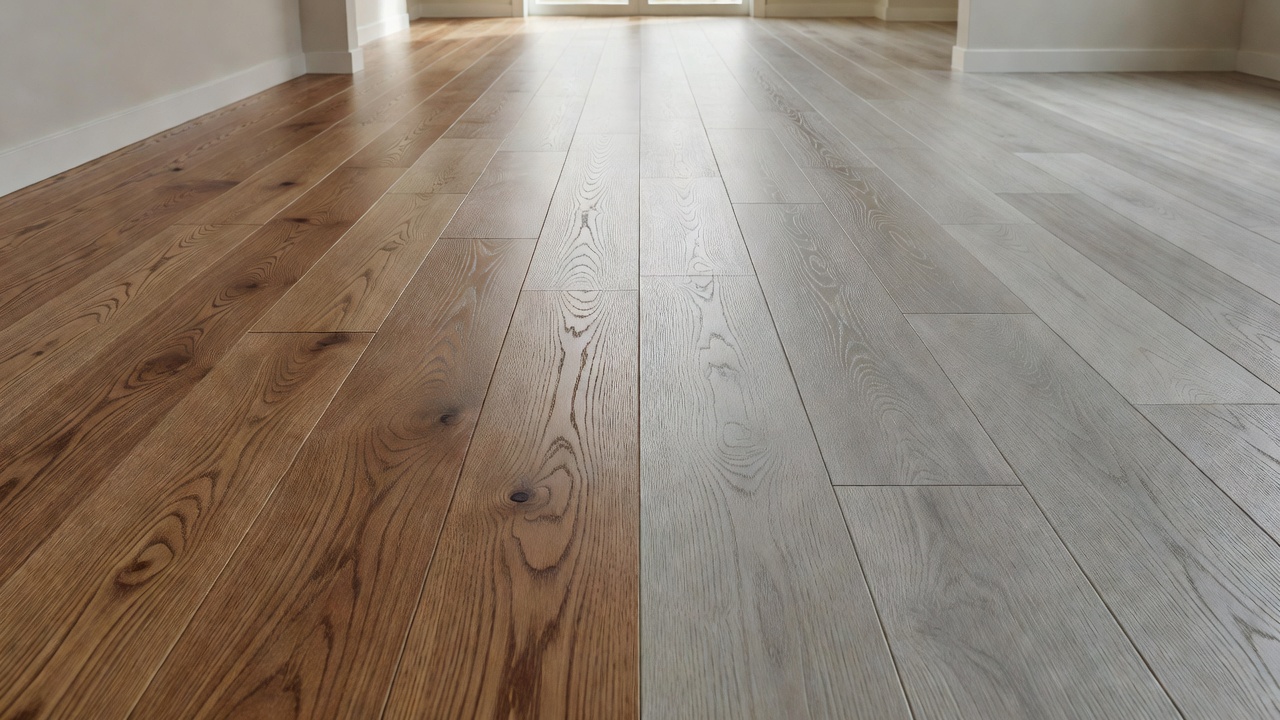
Yes—when the old floors were the objection. No—when you over-improve past the neighborhood comps. I've seen sellers drop $18,000 on wide-plank white oak throughout a $310,000 condo and then wait sixty-one days because every other unit still had the original oak-look laminate. The new floors were beautiful. They did not appraise. The buyer who finally came in lowballed hard and pointed at the comps.
Speed comes from removing friction. Stained carpet is friction. Peeling vinyl in the kitchen is friction. A jarring transition every twelve feet is friction. New, consistent, mid-grade hard surface in the rooms people photograph and walk first removes that friction. In my last eighteen listings where we replaced main-area flooring before going live, average days on market dropped from 34 to 16. Not magic. Just fewer reasons to leave and "think about it."
Home staging ROI overall still holds: you're not decorating for your taste. You're removing the reasons a buyer invents to lowball or walk. Flooring is the largest continuous surface in the house. Treat it like the stage floor it is. If you want the deeper breakdown on what actually pays, read my notes on [LINK: flooring upgrades for resale value]—same numbers, different angle.
FAQ
Should I replace flooring before selling my home?
Only if the current floors are stained, damaged, heavily dated, or inconsistent enough to tank first impressions. Clean or refinish first; replace when the upgrade cost is clearly lower than the offer lift you need. Sentiment about the old floors is irrelevant—buyers don't share it.
How important is flooring when selling a house?
It's one of the top three visual factors after overall cleanliness and light. Bad floors create instant mental discounting; good-enough continuous floors let buyers focus on the layout and their furniture.
What kind of flooring increases home value the most?
Refinished hardwood where it already exists, followed by quality LVP for main living areas when you're replacing. Both read as move-in ready. Trend materials that don't match comps usually don't move the needle.
Is home staging worth it for the ROI?
Yes when it targets objections instead of aesthetics. Flooring swaps and decluttering still return faster sales and stronger offers more reliably than full furniture packages in most price ranges I work.
Does new flooring help a house sell faster?
It does when the old flooring was a documented turn-off. It does nothing—or slows you down—if you choose a material or price point that overshoots the neighborhood.
I don't care what you love underfoot while you're living there. I care what the second couple through the door is willing to write on the offer sheet. If you're selling in the next two years, run the numbers on the worst rooms and fix only those. If you're just living your life, buy the floors that make you happy and stop reading resale articles. The answer changes everything I just said.