LVP Wear Layer Thickness: What You Really Need
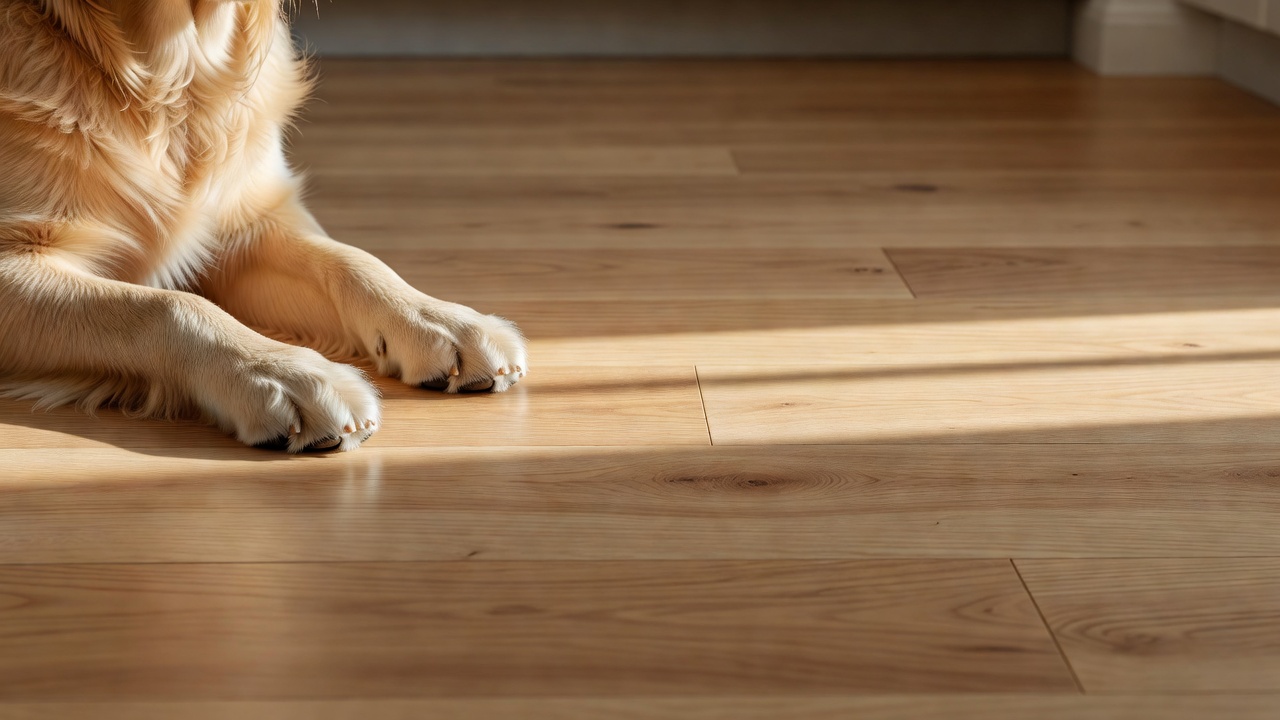
 Last Tuesday my neighbor’s golden retriever skidded across her new kitchen LVP like it was an ice rink, nails clicking, and she froze mid-sentence waiting for the scratch that never came. I may have been a little too interested in why. The short answer on LVP wear layer thickness: for most homes you want 12 mil for moderate residential traffic and 20 mil if you have kids, pets, or a hallway that acts like an airport concourse—because the wear layer is the only thing standing between those claws and the pretty print film. Thicker mils usually mean more years before abrasion wins, but coating chemistry can quietly outrank raw thickness. (Sorry. I know. We’re going under the microscope.)
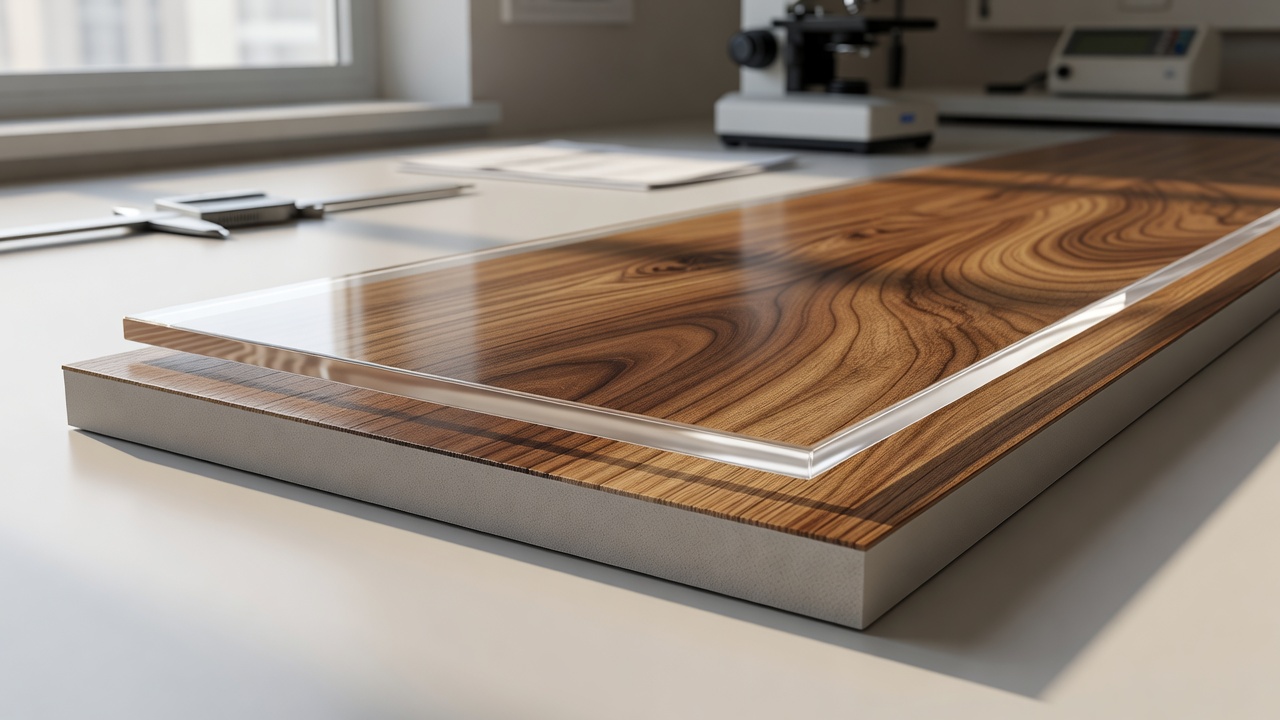
LVP wear layer thickness is the clear protective top coat on luxury vinyl plank—typically a polyurethane or PVC film, measured in mils (one mil = 0.001 inch)—that absorbs scuffs, grit, and UV so the design layer underneath stays intact.
What is a wear layer on LVP flooring?
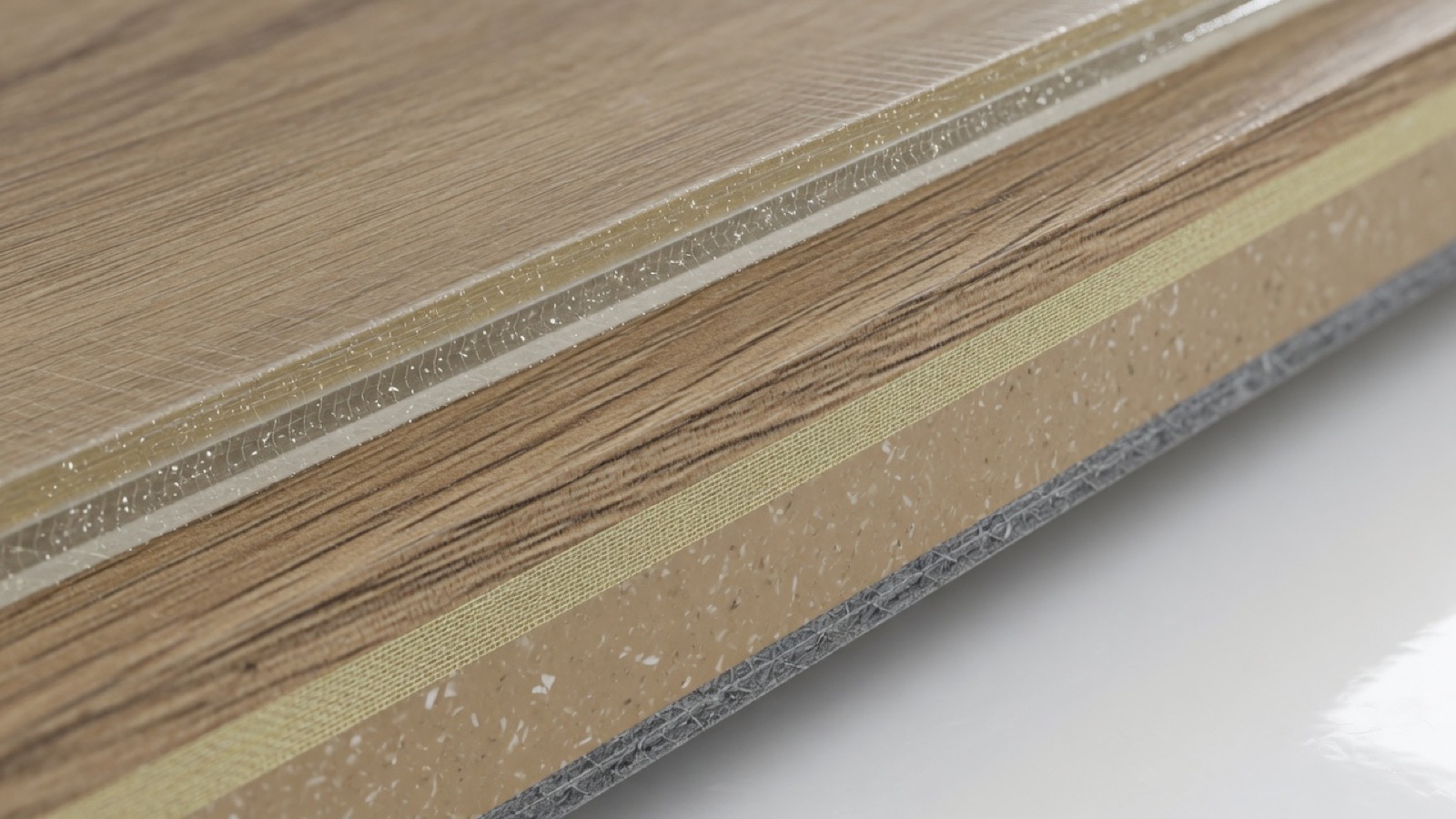
Think of an LVP plank as a sandwich you are not allowed to eat. From the bottom up you usually get a backing, a rigid or flexible core, a photographic design film, and then—on top—the wear layer. That top coat is deliberately transparent. Its entire job is sacrificial: take the abrasion so the wood-look print does not.
Chemically, most modern wear layers are cross-linked polyurethane (a tough, glassy network of polymer chains) or a PVC-based clear film, often loaded with aluminum oxide particles or ceramic beads. Those hard inclusions are the microscopic bodyguards. When grit from the driveway grinds under a chair leg, the oxide particles take the hit first. Lab-speak for this is abrasion resistance under standards in the ASTM F410 / EN 13329 neighborhood—roughly “how many cycles of sandpaper-like abuse before the print shows.” Manufacturer charts translate that into residential vs. commercial ratings, which is marketing for “your dog can destroy this and it’ll probably survive.”
One thing people mix up constantly: wear layer vs overall thickness. Overall plank thickness (often 4–8 mm) is about feel underfoot, sound, and locking-joint stability. Wear layer thickness is about surface longevity. A chunky 8 mm plank with a 6 mil wear layer will still look tired faster than a thinner plank with a 20 mil coat. Different jobs. Different materials. [LINK: lvp thickness guide] is worth a parallel read if you are comparing full constructions.
How thick should a wear layer be for residential use?
Here is the traffic chart almost every serious spec sheet converges on, translated out of brochure-speak:
- 6–8 mil — light residential: guest room, closet, low-traffic bedroom with soft slippers only. Fine until it isn’t.
- 12 mil — moderate residential: typical living rooms, kitchens without a pack of huskies, home offices. The default “good enough for most humans” rating.
- 20 mil and up — high residential / light commercial: kids, pets, entryways that eat sand, open-plan spaces that never sleep. Also rental units where you do not control the furniture feet.
- 28–40 mil — true commercial or “I never want to think about this floor again.” Diminishing returns for a normal house, but the polymer still fails the same way—just later.
So when someone asks what wear layer thickness do I need, start with who lives there and what walks through the door, not with the thickest number on the shelf.
Is a 12 mil wear layer enough for a home with kids or pets?
Sometimes. Honestly. A well-formulated 12 mil coat with ceramic bead reinforcement and a quality UV top finish can outlast a cheap 20 mil film that is basically soft clear PVC with optimism. Thickness is necessary but not sufficient.
What actually happens under household load, in order:
- Loose grit embeds — silica from outside is harder than the polymer matrix. It becomes a temporary sandpaper.
- Micro-scratching polishes then hazes — the surface loses its designed gloss (or matte) before color fails.
- Coating fatigue — repeated point loads (chair casters, dog nails) create micro-cracks in the cross-linked network.
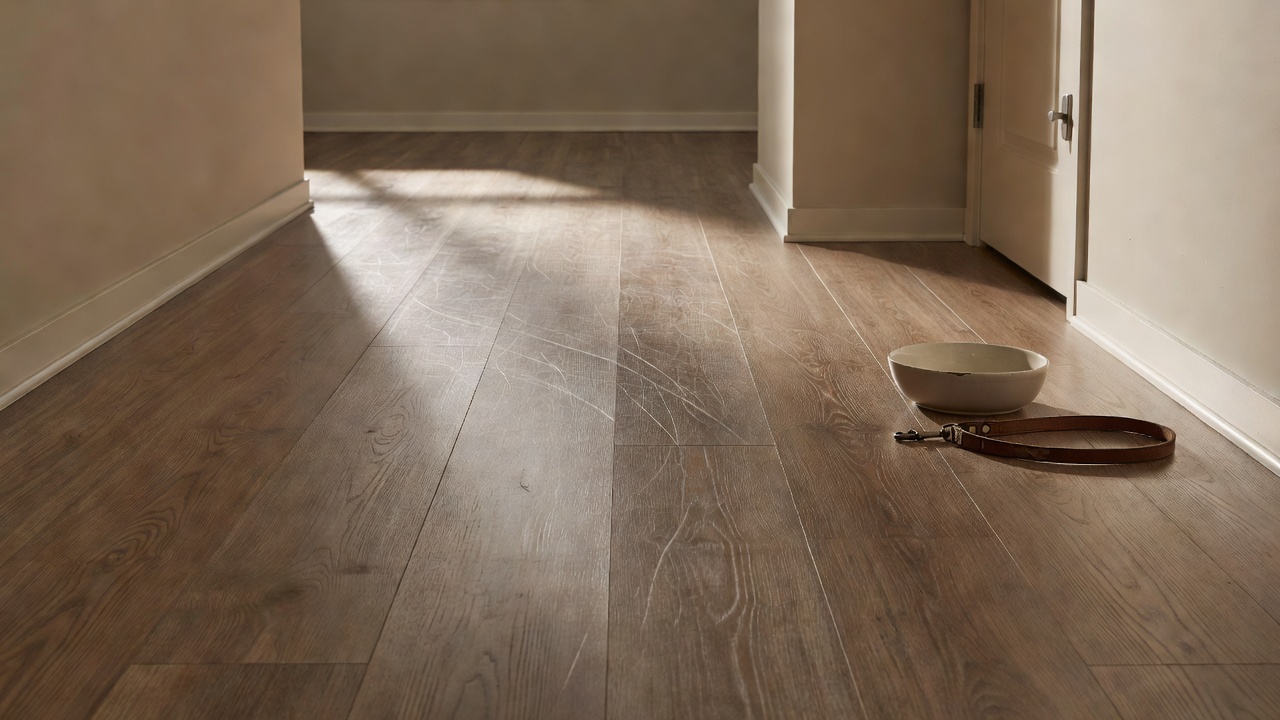
- Print reveal — once the clear film thins enough in a high-wear lane (the fridge-to-sink path is classic), the design layer scuffs or whitish abrasion shows.
- Edge and bevel wear — thinner film over micro-bevels fails first because there is less material and more geometry for grit to catch.
A 12 mil vs 20 mil wear layer comparison is really a comparison of time-to-print-reveal under the same grit load—assuming equal coating quality. For a calm adult household with no pets, 12 mil is often plenty. For two kids, a labrador, and a sand-prone climate, 20 mil is the cheaper long game. Is a 20 mil wear layer worth it? If you are already in the “high traffic” column above, yes—especially if the product also lists aluminum oxide or ceramic enhancement and a realistic residential warranty (not the 100-year fairy-tale ones).
How long does a 12 mil wear layer last? Under moderate residential use with reasonable mats and no street grit left to roam, you commonly see 10–15+ years before visible wear lanes. Under pets-plus-kids-plus-neglect, that can compress to the low single digits. The mil rating is a starting thickness, not a calendar.
Okay, this is the part where I get a little too into it—feel free to skim. Measurement itself matters. Wear layers are specified in mils because the films are thin; overall planks are in millimeters because humans can feel millimeters. ASTM-style micrometer checks and Taber abrasion cycles (weighted abrasive wheels spinning until haze or print-through) are how factories defend the number on the box. A “20 mil” claim without abrasion class data is a thickness claim, not a durability proof. Two films can both measure 20 mil and abrade at very different rates if one is densely cross-linked PU with hard fillers and the other is a softer plasticized clear. Wild, right? The caliper only tells you how much material you started with.
Also: UV stabilizers in the wear layer slow yellowing and chalking near sunny sliders. A thick layer without UV package can still look sad in a south-facing room while a thinner stabilized coat holds color. Thickness is not a personality. Formulation is.
If you are mid-renovation and comparing SKUs, read the wear-layer line and the abrasion / residential-commercial rating and whether the finish is enhanced. Then look at [LINK: best lvp for pets] only after you have decided your mil floor—otherwise the marketing will choose for you.
Does wear layer thickness matter more than overall plank thickness?
For surface beauty over time, yes—the wear layer wins. For acoustics, underfoot temperature, and how solid a click-lock joint feels, overall thickness and core type (rigid SPC/WPC vs. flexible) matter more. Buy the wear layer for the life of the look; buy the core for the life of the installation feel. Confusing the two is how people end up with a board that “feels premium” in the showroom and looks tired in year four.
A quick practical filter when you are standing in the aisle (or scrolling at midnight):
- Kids or pets or both → bias 20 mil
- Quiet adult home, good entry mats → 12 mil is rational
- Rental / unknown traffic → 20 mil minimum
- “Commercial grade” sticker alone → check the actual mil number; the word is stretchy
- Price jump from 12 to 20 with identical core and brand → usually worth it for main floors; less critical for a guest loft
And please put felt pads on the chairs. I say this as someone who has watched aluminum oxide lose a slow war with a single unpadded metal stool.
FAQ
What is a wear layer on LVP flooring?
The wear layer is the clear top protective coat on luxury vinyl plank, measured in mils, that shields the printed design from scratches, scuffs, and abrasion. It is not the same as the plank’s total thickness in millimeters.
How thick should a wear layer be for residential use?
Most homes do well with 12 mil for moderate traffic; choose 20 mil or higher for pets, kids, entries, and busy open plans. Light-use rooms can drop to 6–8 mil if budget demands it.
Is a 12 mil wear layer enough for a home with kids or pets?
It can be if the coating quality is high and you control grit with mats, but 20 mil is the safer default for active households. Thickness plus hard-particle enhancement beats thickness alone.
Does wear layer thickness matter more than overall plank thickness?
For how long the floor looks new, wear layer thickness matters more. Overall mm thickness mainly affects feel, sound, and joint stability.
How long does a 12 mil wear layer last?
Under moderate residential use, often 10–15 years or more before obvious wear paths; heavy pet and kid traffic can shorten that noticeably. Real lifespan tracks grit control and coating chemistry as much as the mil number.
I still think about that golden retriever sometimes—the way the clear coat just… absorbed the whole drama without complaint. Next time you walk across your own floor barefoot, tilt your head toward a raking light and look for the faint micro-scuff constellation in the traffic lane. That haze is the wear layer doing exactly what the polymer chemists designed it to do: fail slowly, on purpose, so the picture underneath does not. Isn’t that quietly wonderful?