How Flooring Color Affects Mood: Design Guide
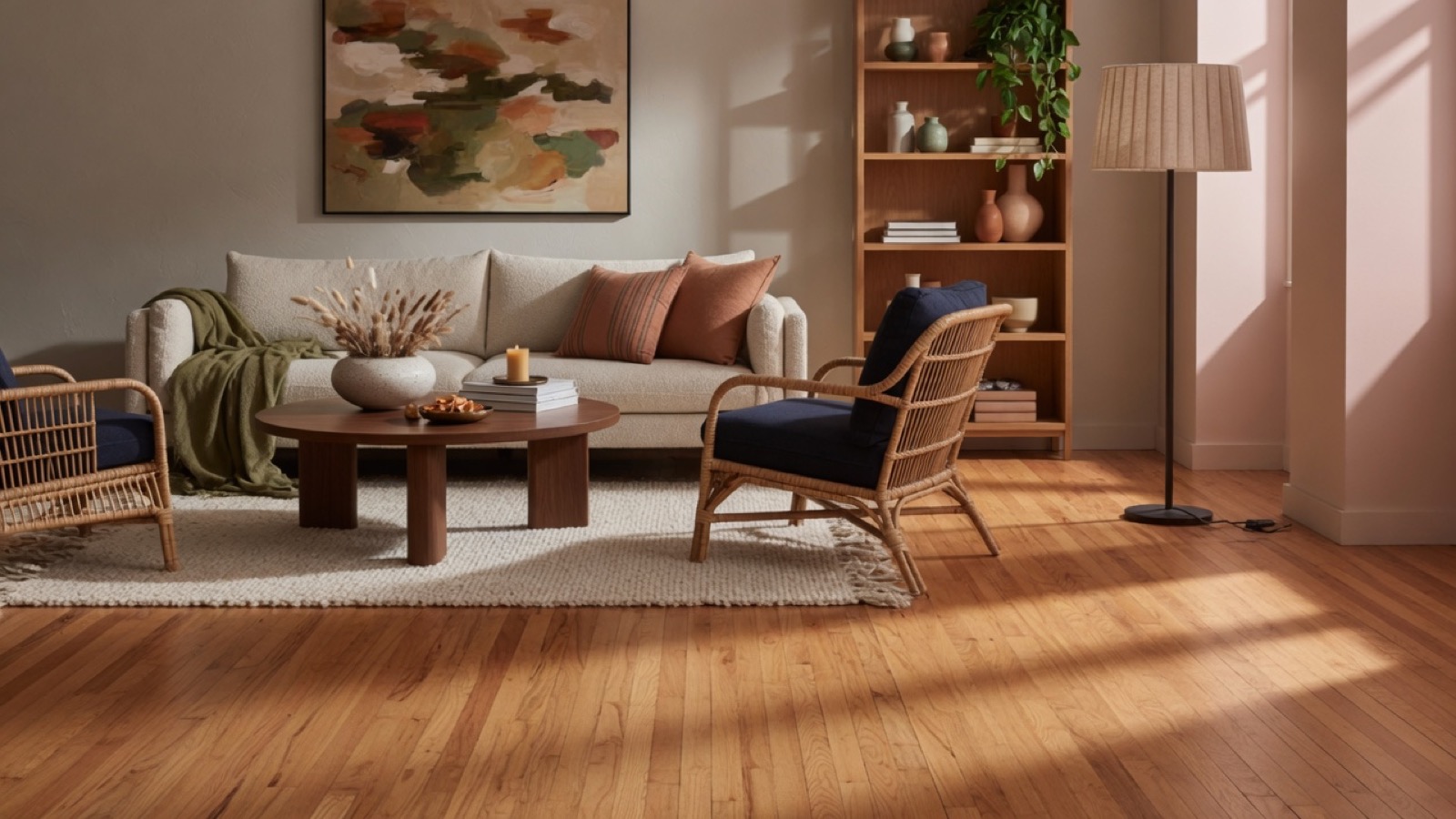 The late light is doing that honeyed slide across a living room I staged in March—soft champagne oak catching every floating mote like sequins, the air itself feeling slower, thicker, kinder. No one has sat down yet. The sofa is still plastic-wrapped in my memory. And already the floor has decided the entire emotional weather: exhale here.
How flooring color affects mood is blunt and beautiful: it sets the room’s emotional temperature before paint, art, or furniture ever get a vote. Light tones open and calm; dark ones pull you into intimacy or controlled drama; warm honey-browns and ambers wrap a space in cozy; cool ashes and taupes keep everything modern and still. Flooring color psychology is the deliberate use of underfoot hue, grain, sheen, and texture to make a room feel a specific way—not merely photograph well. Material finishes surgically amplify or sabotage that intention: hardwood grain can whisper or shout, bamboo sheen can chill a warm tone, cork can hush a dark one into velvet.
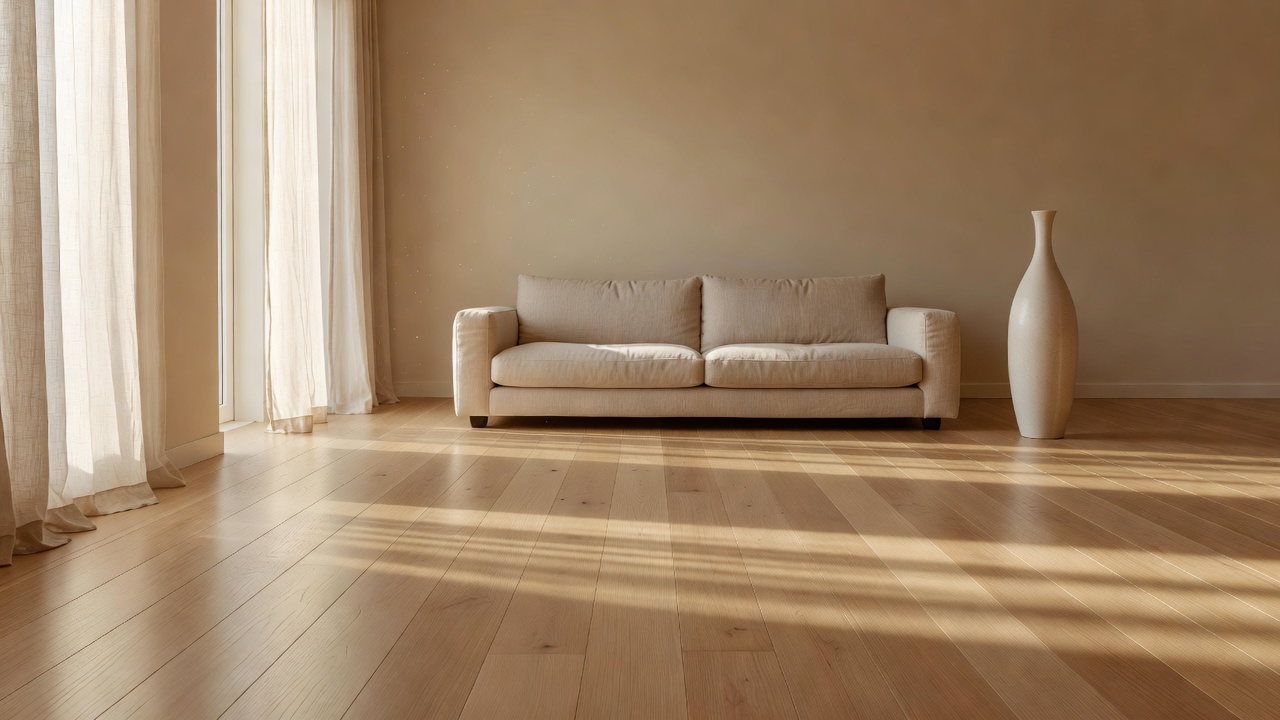
How does flooring color affect mood beyond the color wheel?
Color is only the first cut. The second cut—the one that makes a buyer cry or a dinner party linger—is how the material performs that color.
I once walked a client through two nearly identical “warm oak” samples. One was wire-brushed European oak with a matte oil finish; the other was high-gloss bamboo pretending at the same honey. Same hex code on paper. Completely different nervous systems. The oak felt like a slow Sunday. The bamboo felt like a waiting room with better lighting. That is the autopsy.
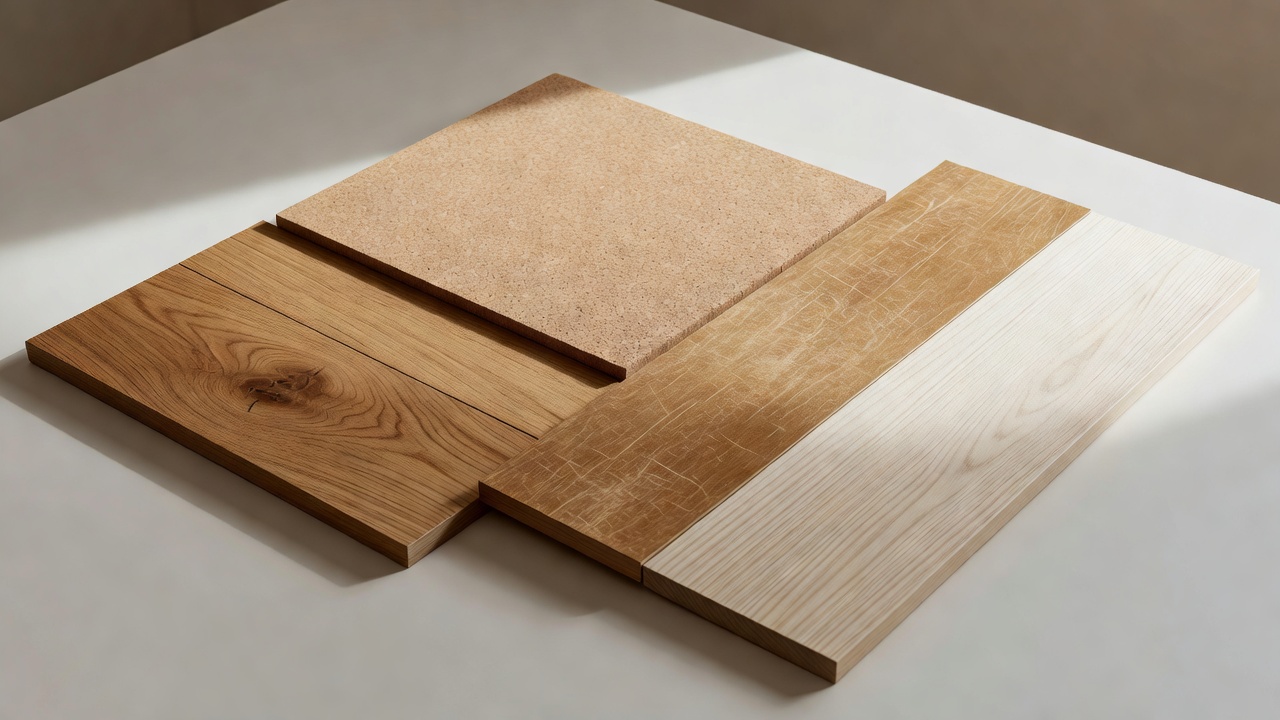
- Hardwood grain carries story in every cathedral swirl; wide-plank white oak in a soft taupe reads serene and expansive, while the same tone in tight, busy grain can feel restless.
- Bamboo sheen tends to bounce light coldly—even in caramel—so it can flatten a cozy intention into something spa-clinical unless you choose a heavily wire-brushed matte.
- Cork texture swallows sound and light; a medium-warm cork underfoot makes a room feel held, almost padded, which is why I reach for it when someone wants calm without going full pale.
- Laminate realism (or lack of it) is the silent saboteur. A convincing embossed-in-register oak can deliver 90 percent of the mood of real wood; a flat, plasticky print kills the mood dead no matter how “greige” the catalog swears it is.
- Vinyl embossing and soft-scraped textures can fake the hand of wood beautifully in rental-friendly installs, but high-gloss vinyl in dark espresso often reads nightclub instead of intimate library.
- Tile finishes—matte porcelain versus polished—decide whether a cool gray floor feels gallery-calm or airport-anxious.
The install people will tell me I’m overthinking reflectance values and that “brown is brown.” They’re half right about durability. They’re wrong about the feeling that sells a house in a weekend. I once watched a herringbone walnut floor make a grown man tear up because it finally looked like the apartment he’d been describing for three years. That is not paint. That is underfoot architecture.
For deeper material pairings that support specific moods, I always send clients to my notes on [LINK: best flooring for open concept living] and the quieter companion piece on [LINK: warm wood tones that never date].
What flooring colors make a room feel cozy?
Cozy is not a synonym for dark. Cozy is warmth plus texture plus permission to stay.
The colors that deliver it most reliably right now (yes, even in 2026, after we all survived the gray-everything years—I know, grey floors, I KNOW, let me have the recovery arc) are:
Mood board in words: toasted honey oak · soft caramel bamboo with visible node texture · medium walnut with open grain · warm taupe cork that looks like suede · whitewashed pine that still shows amber undertones · clay-toned porcelain with a dry, almost chalky matte · low-sheen engineered oak in “natural” rather than “smoked.”
These tones bounce warm light back onto skin and linen. They make white walls feel intentional instead of sterile. Pair a warm mid-tone floor with cream upholstery and a single brass lamp and the room stops performing and starts holding you. Cool grays can be sophisticated, but they rarely read cozy unless you force the issue with mountains of texture elsewhere—and even then the floor is fighting you.
I staged a tiny Brooklyn brownstone parlor in medium caramel oak with a soft wire brush. The listing photos looked like a hug. It went pending in nine days. The previous staging had used a trendy cool gray laminate. Same square footage. Completely different pulse.
Do dark floors make a room look smaller?
They can—and sometimes that is exactly the point.
Dark floors (espresso oak, deep charcoal tile, blackened walnut) visually drop the plane and pull walls inward, which reads intimate rather than cramped when the rest of the palette cooperates. High ceilings, pale walls, generous natural light, and a few reflective surfaces keep the drama from tipping into cave. In a low-ceiling basement or a north-facing box with tiny windows, pure black-brown can feel oppressive unless you break it with large-format light rugs or a strong vertical element.
I love a near-black floor in a dining room or primary suite when the brief is cinematic. It makes candlelight look expensive. It makes bare feet feel deliberate. Just don’t expect it to photograph as “airy” for the listing. Drama and square-footage illusion are different jobs.
What is the best flooring color for a calm bedroom?
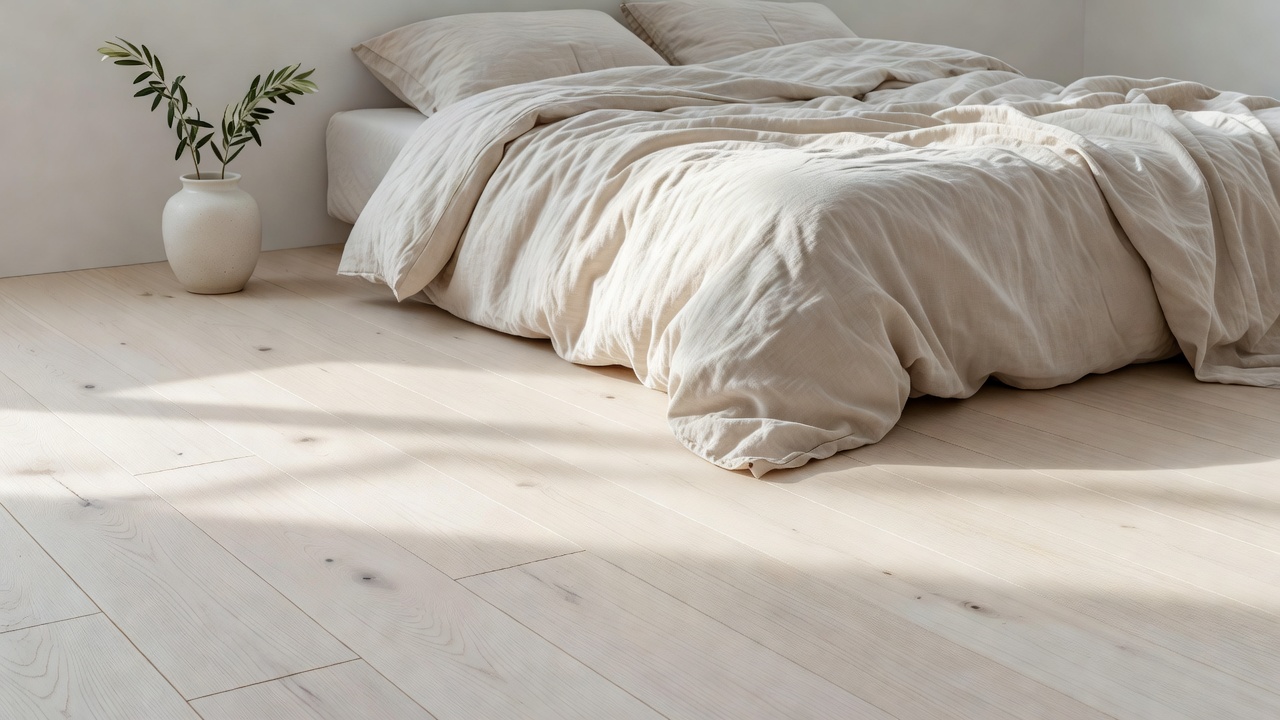
The best flooring color for a calm bedroom is a light-to-medium warm neutral with low sheen and quiet grain—think soft white oak, pale ash with a hint of honey, or a muted greige that still carries warmth. Cool pure grays can work if the textiles are aggressively soft, but most people sleep better when the floor doesn’t feel like a boardroom.
Avoid high-contrast busy patterns and high-gloss anything. The goal is a surface that disappears into peripheral vision the moment your head hits the pillow. Cork in a light natural tone is underrated here; it muffles footsteps and has a slight give that reads as care. I specify it for clients who say their current bedroom “never quite lets go.”
One genuinely vulnerable admission: the guest room in my own apartment still has the wrong floor—a leftover cool gray from a previous tenant’s “modern refresh.” Every time I walk in I feel slightly observed instead of held. I keep meaning to change it. The room knows.
FAQ
How does flooring color affect mood?
Flooring color sets the emotional temperature of a room on contact—light tones calm and expand, dark tones intimate or dramatize, warm tones cozy, cool tones modernize. Texture and finish multiply the effect far beyond the paint chip.
What flooring colors make a room feel cozy?
Warm mid-tones such as honey oak, caramel, soft walnut, and clay-taupe create coziness fastest, especially with matte or wire-brushed finishes that catch light gently instead of bouncing it cold.
Do dark floors make a room look smaller?
Dark floors can visually shrink a space by lowering the perceived floor plane, but with pale walls, good light, and high ceilings they read intentional and intimate rather than cramped.
What is the best flooring color for a calm bedroom?
A light-to-medium warm neutral with quiet grain and low sheen—soft white oak, pale warm ash, or light natural cork—supports calm best by staying visually soft and acoustically quiet.
Does material texture change the mood of the same color?
Yes. Identical color in high-gloss bamboo versus matte wire-brushed oak can shift a room from clinical to restorative; texture is half the psychology.
The floor is the largest continuous surface in the room and the only one you touch with your entire body. Choose the color that already knows the feeling you want, then let the grain and finish finish the sentence. What’s the one room that still doesn’t feel like you yet—and what is the floor doing while you’re not looking?