best luxury vinyl plank brands 2026
Is Luxury Vinyl Plank Worth It? 2026 Reviews
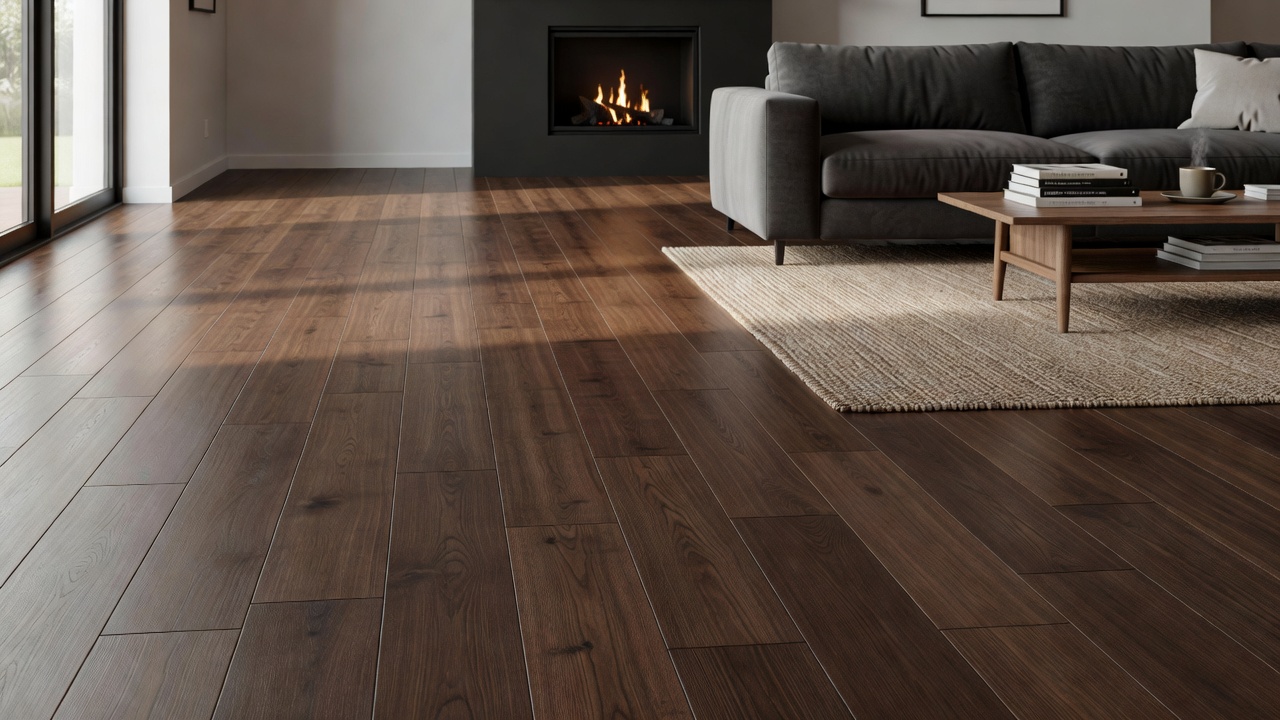 One does not simply walk on a properly composed luxury vinyl plank. One experiences it—the subdued click of a rigid core under a discerning sole, the faint resinous whisper of a 20-mil wear layer that has known neither panic nor laminate. Yes: luxury vinyl plank is worth it in 2026, provided one refuses the bargain bin’s plastic pretenders and insists upon genuine structure, a serious wear layer, and waterproofing that survives more than a spilled Sancerre. Luxury vinyl plank is a multi-layer synthetic flooring—rigid or flexible core, photographic décor film, and protective wear layer—engineered to impersonate hardwood or stone while remaining fully waterproof and markedly less expensive. The correct specimens earn the sole’s quiet approval; the wrong ones announce themselves like corked wine at a gallery opening.
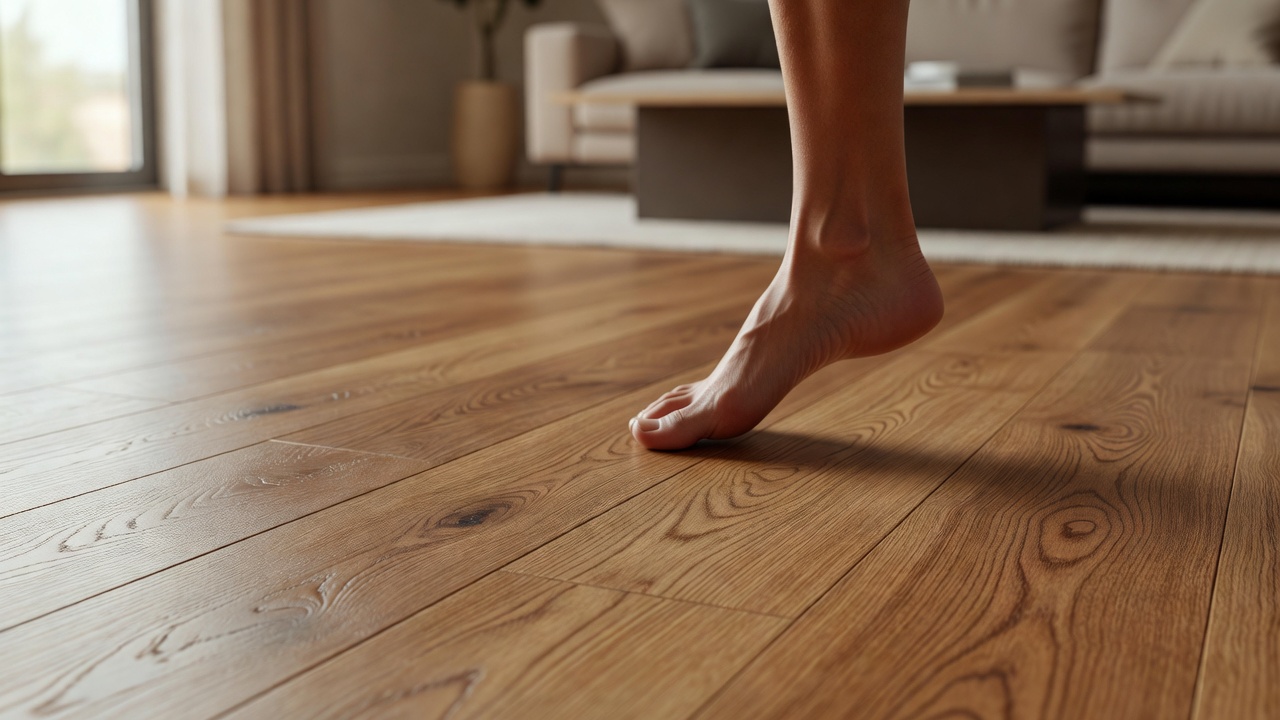
Is Luxury Vinyl Plank Flooring Worth It?
Worth, darling, is not a showroom sticker. It is the calculus of performance per insolence. Quality LVP—think COREtec, certain Shaw and Mohawk lines, Lifeproof when the mil count is honest, Pergo and Armstrong when the core is rigid and the locking system does not sulk—delivers waterproof floors, pet-tolerant surfaces, and install timelines measured in weekends rather than dynasties. Versus hardwood, one sacrifices the spiritual pedigree of actual trees and accepts that individual planks are seldom refinished like a 1920s oak. One gains immunity to the dishwasher that weeps, the Labrador who celebrates rain, and the budget that would otherwise collapse under white oak.
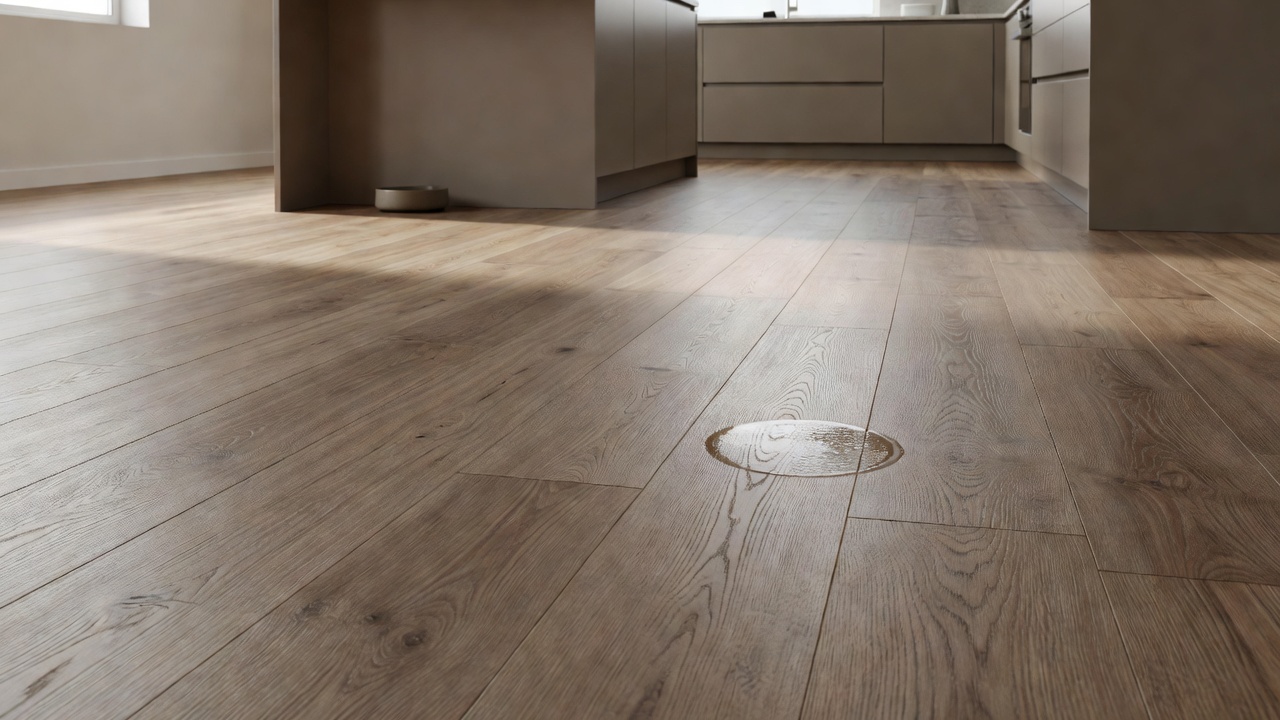
I have stood in eleven flagship showrooms (three Floor & Decors, one Lumber Liquidators that still smelled of ambition, and several places that served sparkling water as if that conferred provenance) and watched sales associates perform the water-pour theater with the gravity of sommeliers decanting Burgundy. The better planks do not cup, telegraph, or surrender their print film after a season of real life. Cheap LVP—those 4–6 mil wear layers sold with the enthusiasm of a street magician—will haze, scratch into white scars, and leave one explaining to guests why the “oak” has the emotional range of a yogurt lid. For rentals, basements, kitchens, and any household containing creatures with claws or toddlers with juice, the answer is not merely affirmative; it is inevitable. For a formal dining room where one hopes to impress a trust-fund cousin, one may still prefer the real thing—or at least the engineered cousin discussed in my notes on [LINK: LVP vs hardwood].
How Long Does Luxury Vinyl Plank Last?
A serious luxury vinyl plank, properly chosen and not tortured by drag-racing dining chairs, lasts 15 to 25 years in residential service. Wear layers of 12 mil are the minimum for polite traffic; 20 mil and above begin to feel like a commitment. Fade resistance and the integrity of the rigid core matter as much as the printed grain—sunrooms punish the frivolous. Commercial-rated products occasionally moonlights in homes and can stretch further, though one must still respect the manufacturer’s sense of humor regarding rolling loads and stiletto punctuation.
I once timed a “lifetime” claim against a roommate’s moving day. The floor survived; the relationship did not. Longevity tracks quality and installation more than marketing poetry. Float it over a flat subfloor, leave the expansion gap the instructions beg for, and refuse to mop it like a ship’s deck with industrial solvents. Do that, and the planks will outlast several furniture trends and at least one regrettable paint color. Fail, and you will be googling “how to fix peaking LVP” at 1 a.m. while questioning every life choice that led to a click-lock system.
What Is the Best Brand of Luxury Vinyl Flooring?
“Best” is a vulgar word, yet the sole keeps score. I swirl, I sniff, I judge. Below, tasting notes from recent encounters with the usual suspects—brands that appear in laboratory scratch-and-stain roundups and in the carts of people who actually live with dogs.
COREtec (rigid core, cork underlayment on select lines)
On the nose: warm engineered oak, a hint of underfloor hush, quiet confidence.
On the palate: substantial underfoot without the dead thud of bargain vinyl; waterproofing that does not flinch.
Finish: 7.5 Insoles out of 10. Pet-friendly in the way a well-trained spaniel is pet-friendly—present, capable, unbothered. A touch precious about price, but then so am I.
Shaw (various rigid and WPC/SPC lines)
On the nose: clean photorealism, contemporary millwork energy.
Palate: locking systems that click with authority; wear layers that respect a golden retriever’s enthusiasm.
Finish: 7 Insoles. Excellent for open plans. Occasional décor films lean slightly catalog, but the structure rarely embarrasses.
Mohawk / Lifeproof-adjacent territory
On the nose: big-box accessibility with aspirations.
Palate: when the mil count and core are specified correctly, surprisingly resilient against scuffs and kitchen drama. Water resistance is genuine.
Finish: 6.5 to 7.5 Insoles depending on the exact SKU—read the wear layer like a vintage chart, not a vibe. Some lines are the house pour that outperforms the reserve.
Pergo & Armstrong
On the nose: heritage branding, lab-tested backbone.
Palate: strong scratch and stain narratives; fade performance that survives south-facing windows better than certain “artisanal” pretenders.
Finish: 7 Insoles. Dependable. Less likely to be featured in a budget-conscious content creator’s thrift-flip montage, which is rather the point.
The budget-conscious flooring content creators—yes, Marnie, one sees you settling for whatever is on endcap—will insist that any waterproof plank is a revelation. Revelation requires standards. Demand 12–22+ mil wear layers, a rigid core that does not telegraph every subfloor sin, and warranties that discuss pets and water without vanishing into asterisks. For households with animals, prioritize textured surfaces that hide micro-scratches and cores that do not telegraph every celebratory zoomie; the best LVP for pets is simply good LVP installed without shortcuts. Compare construction details the way one compares [LINK: best LVP for pets] rather than falling for a single hero image of a labrador on a fake walnut runway.
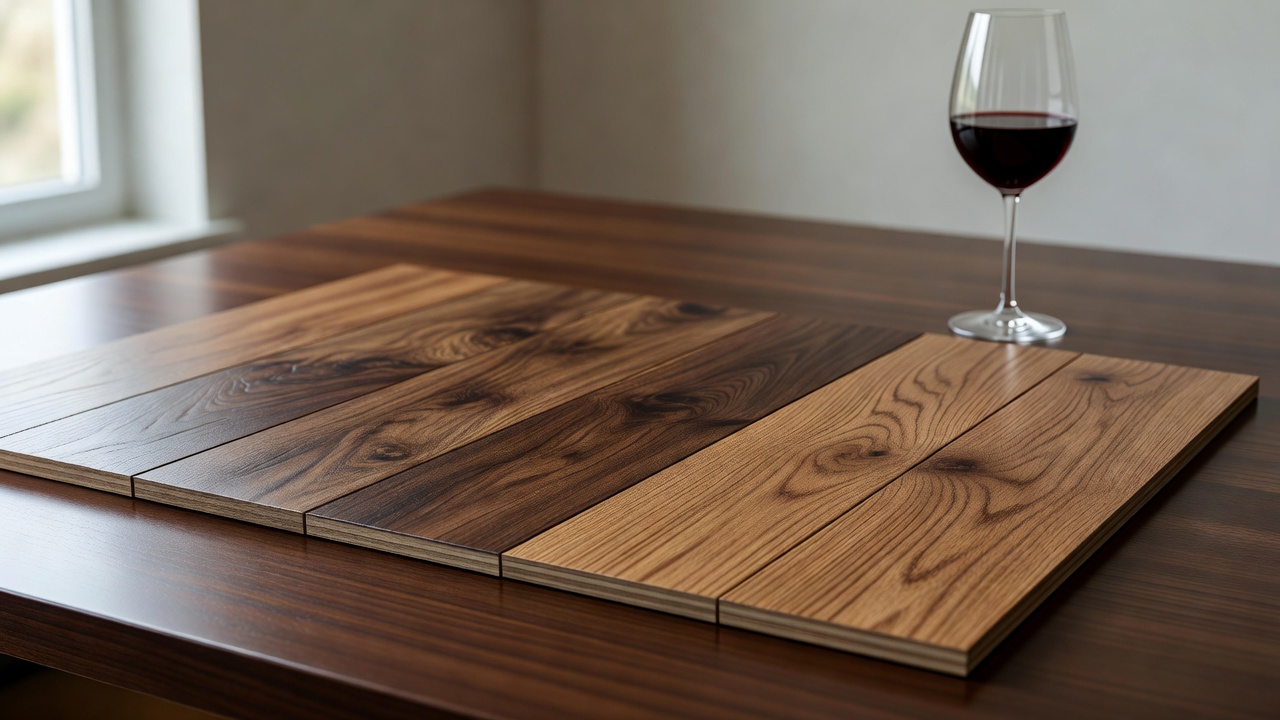
Is Vinyl Plank Better Than Hardwood?
Better for what, and for whom. Vinyl plank is better when water, cost, installation speed, and clawed companions dominate the brief. Hardwood is better when authenticity, refinishing cycles, and resale poetry matter more than a flooded laundry room. LVP typically costs less installed, shrugs at spills, and can be a floating floor over many existing surfaces. Hardwood ages into character; LVP ages into… replacement, eventually, because you cannot sand a photographic film back to youth.
I will not pretend LVP is timber. It is an excellent impressionist—Monet if Monet had a waterproof core and a 20-year residential warranty. In kitchens, basements, rentals, and high-traffic corridors, LVP often wins the lived experience. In a formal library where one wishes the floor to smell faintly of history rather than polymer, hardwood (or a convincing engineered hardwood) still holds the title. The snob’s error is refusing LVP on principle; the philistine’s error is believing all LVP is equal. Choose as if your guests have taste and your dog has opinions.
Luxury vinyl plank pros and cons, distilled without the brochure glow:
- Pros: true waterproofing, strong pet and scratch performance at higher mils, lower cost than hardwood, faster DIY-friendly installs, consistent appearance.
- Cons: limited or no refinishing, cheap products fail loudly, underfoot feel can read “synthetic” on thin cores, and certain buyers still dock resale value for non-wood—though fewer every year as the good planks proliferate.
FAQ
Is luxury vinyl plank flooring worth it?
Yes—when you buy rigid-core products with adequate wear layers (12 mil minimum, 20 mil preferred for active homes) from reputable lines rather than the thinnest special in the aisle. It is especially worth it for kitchens, basements, rentals, and pet households where hardwood’s drama exceeds its charm. The showroom pour test is theater; real life is the review that matters.
How long does luxury vinyl plank last?
Quality residential LVP typically lasts 15–25 years with normal care and a suitable wear layer. Lifespan collapses when the product is under-specified, the subfloor is uneven, or abrasive dirt is ground in like a poorly kept entryway. Warranties are a starting rumor; installation and traffic are the plot.
What is the best brand of luxury vinyl flooring?
There is no single throne, but COREtec, Shaw, Mohawk, Pergo, Armstrong, and well-chosen Lifeproof-style big-box lines repeatedly earn serious wear-layer and waterproofing credentials. Match the core type and mil thickness to your traffic and pets rather than the prettiest oak photograph. Read the specifications as you would a label—because you are, in fact, buying engineered material.
Is vinyl plank better than hardwood?
It is better for water resistance, upfront cost, and low-maintenance living; hardwood remains better for authenticity, refinishing, and certain resale narratives. Many discerning homes now mix both—hardwood where the eye lingers, LVP where the dishwasher plots betrayal. Choose by room and risk, not by dogma.
Does LVP hold up for pets?
Higher-end LVP with textured surfaces and robust wear layers holds up extremely well to claws, tracked water, and the occasional digestive protest. Soft-core bargains and glossy films show every adventure. Pair good planks with mats at doors and you may forget you ever feared the word “waterproof.”
In the final analysis, luxury vinyl plank is worth it when one approaches it as a crafted surface rather than a compromise costume. Demand structure. Demand mils. Demand that the floor survive both the Labrador and the dinner party. I have rendered my verdict across rigid cores and décor films with the solemnity such matters deserve—and I would stake my reputation on the better specimens without hesitation.
I should note, however, that the reputation in question currently shares a one-bedroom with a slightly uneven subfloor I am not allowed to screw into, and the “cellar” where I store samples is a closet that also holds the vacuum.