Best Flooring for Resale Value: 2026 ROI Guide
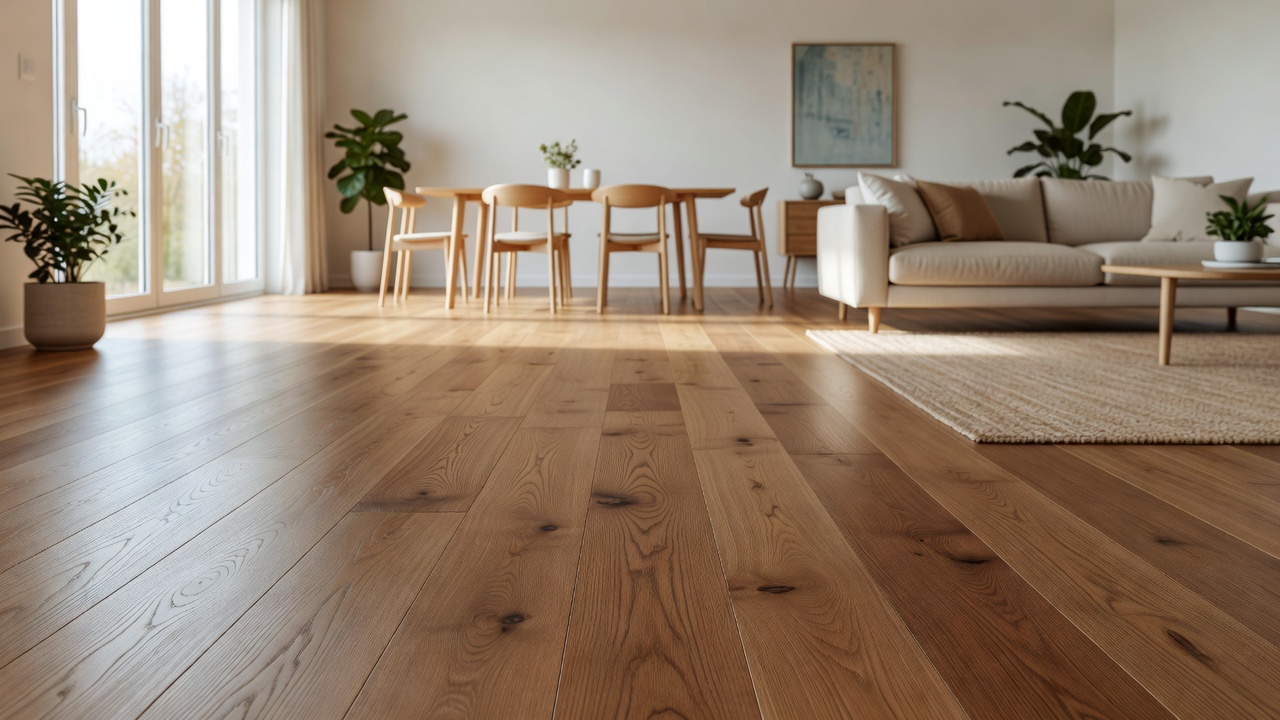 The Henderson listing on Maple Court sat 47 days with original 1990s carpet that smelled like a wet golden retriever. We ripped it, installed mid-grade LVP in a warm oak look for $3,800, and it went under contract in nine days at $12,000 over the reduced ask. The best flooring for resale value is not the priciest plank in the showroom—it is the surface that kills buyer objections fastest and returns the highest share of what you spent. In plain terms, best flooring for resale value means the option that maximizes your net proceeds after cost, not the one that photographs like a magazine spread.
Gorgeous does not always mean it appraises. I wish it did.
What kind of flooring increases home value the most?
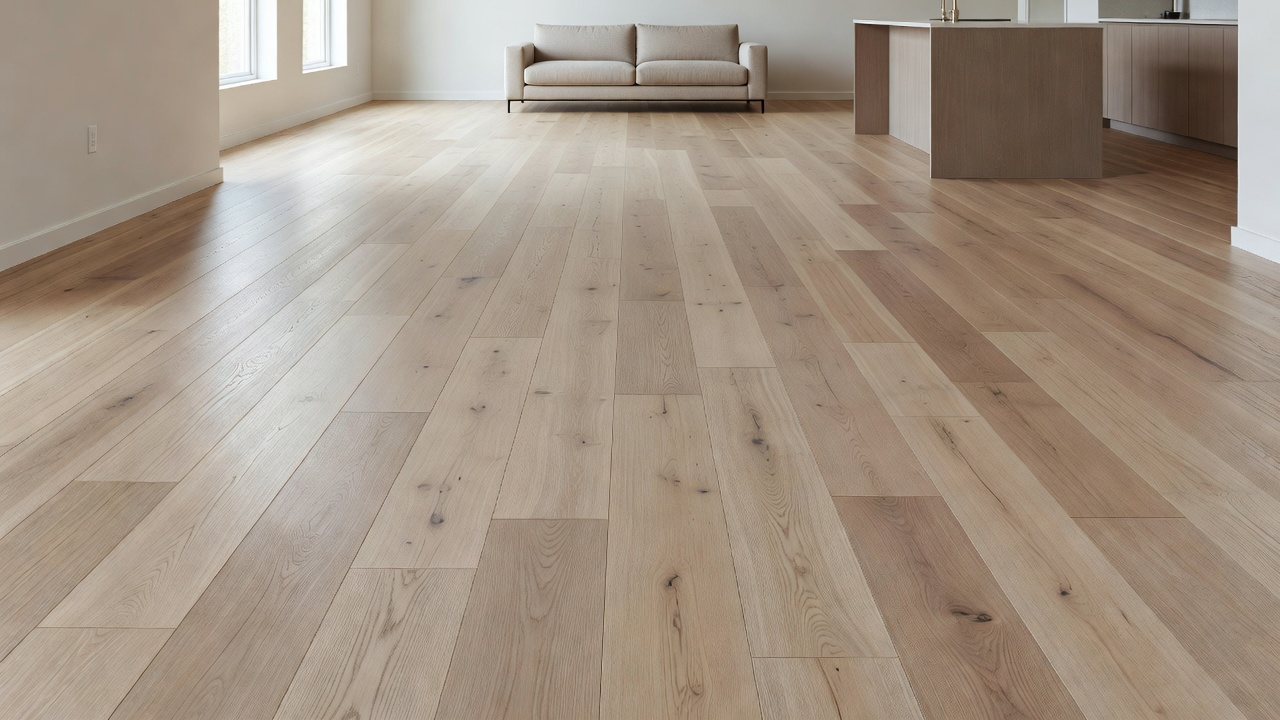
Hard surfaces win. Full stop. Appraisers and buyers in 2026 still treat continuous hardwood or high-quality LVP as the baseline for "move-in ready." Industry recovery numbers I keep seeing on closed deals: solid or engineered hardwood routinely recovers 70–80% of project cost and can push overall home value up to about 2.5% when the rest of the house is clean and neutral. Refinishing existing hardwood that is still structurally sound often clears 100%+ recovery because the labor is cheaper than full replacement and buyers still write "real hardwood" in their notes.
LVP is the practical 2025–2026 workhorse, especially under $400k. Waterproof, consistent, and cheap enough that you are not overcapitalizing. I have watched mid-grade LVP in a light, low-contrast oak or greige tone erase pet-odor objections and sticky-carpet trauma in a single weekend. Carpet in main living areas? Almost always a drag. Buyers discount it before they even open the closet.
Room-by-room still matters. Kitchen and baths need waterproof. Main living and hallways need visual continuity. Bedrooms can stay softer if the rest of the house already feels hard and clean—just do not make carpet the first thing they step on.
If you already have salvageable hardwood, read my notes on [LINK: refinishing hardwood before listing] before you tear anything out. If you are starting from carpet or damaged vinyl, the LVP math usually beats a full hardwood install on net proceeds.
Does new flooring increase home value?
Yes—when the old floor is actively costing you offers. New flooring increases home value by removing the single most common "we'll need to replace this immediately" line in inspection objections and by improving the first ten seconds of the showing. It does not print money on its own. A $18,000 exotic wide-plank install in a $310k ranch will not appraise dollar-for-dollar. A $4,200 LVP swap that lets you skip a price cut often will.
I staged a split-level last spring where the sellers had poured money into a high-contrast chevron pattern because a designer friend said it was "editorial." Buyers called it busy. Two couples asked what it would cost to make it look normal. We ate the lesson, covered the worst sections with large rugs for showings, and still left $7,500 on the table versus comparable houses with boring, continuous neutral floors. Trend-forward does not equal appraised.
Specifics I use with sellers:
- Dated carpet or damaged vinyl in main areas: expect buyers to mentally subtract $5,000–$12,000 before they write an offer.
- Fresh neutral hard surface: often recovers most of the install cost and shortens days on market by a week or more in competitive segments.
- Inconsistent materials (three different woods, two vinyl patterns, carpet islands): reads as deferred maintenance even when it is not.
New flooring is a tool. Use it where the existing floor is the objection. Skip it where paint, lighting, and decluttering already get you to list-ready.
Should I replace flooring before selling my house?
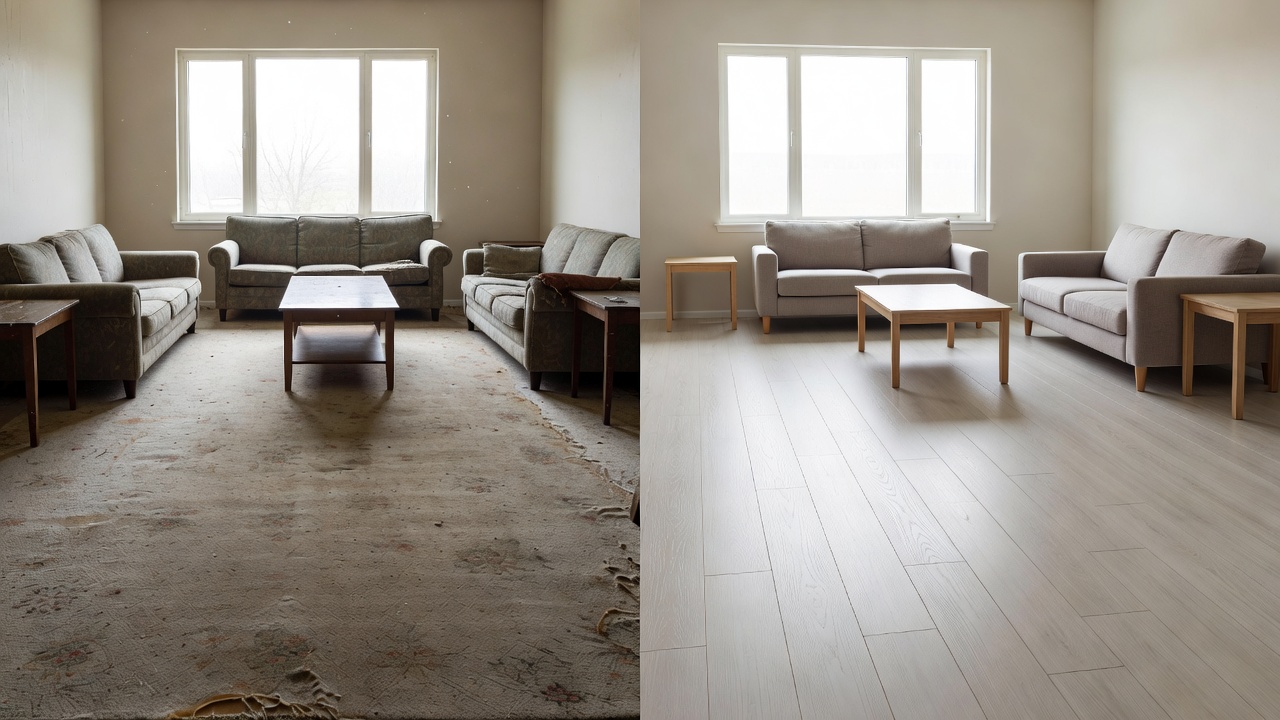
Replace when the floor fails the sniff test, the scratch test, or the "would I want to unpack boxes on this" test. Keep and refinish when you have real hardwood that still has life. Do neither when the rest of the house needs heavier lifts and your timeline is under 60 days—you will overspend and under-recover.
Quick decision frame I walk clients through:
- Smell or stain that cleaning cannot fix — replace. Pet urine in pad is a deal-killer; no amount of Febreze saves the offer.
- Structural or water damage — replace the bad sections at minimum; full continuity is better for photos and flow.
- Ugly but solid hardwood — refinish in a light, current stain. Highest ROI move I see year after year.
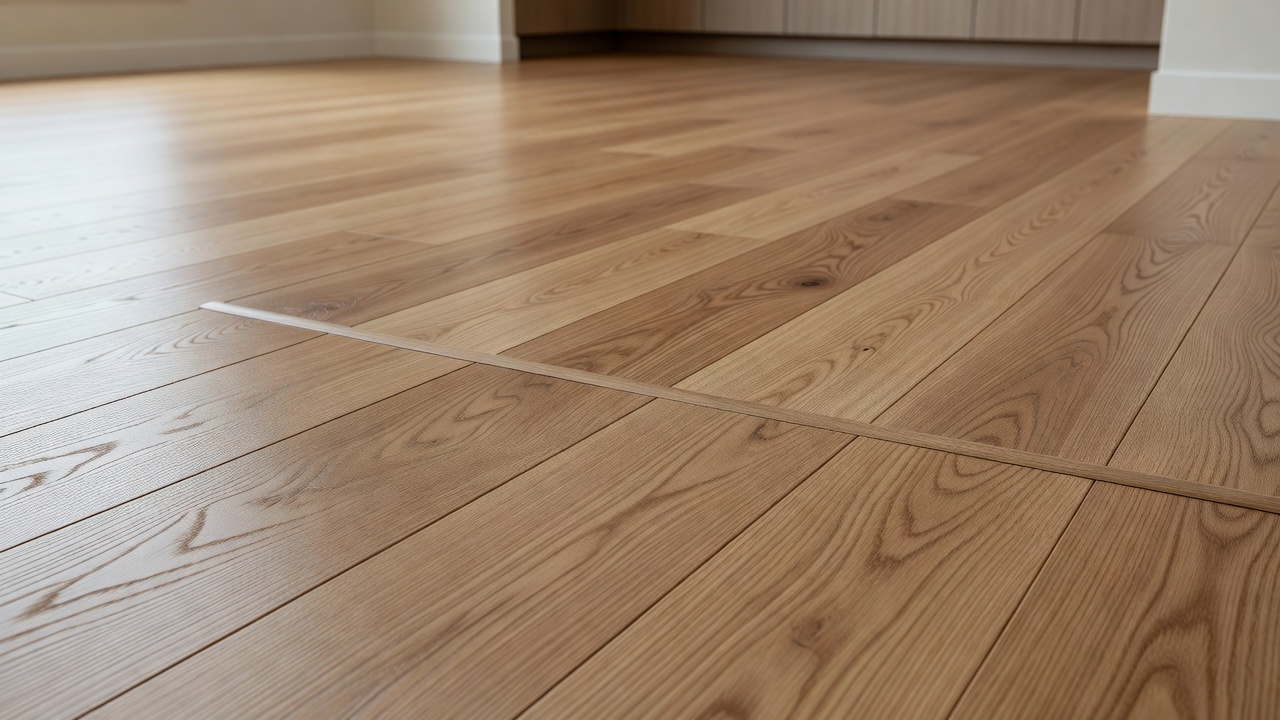
- Serviceable mid-grade LVP or laminate under five years old — clean it, fix transitions, stop spending.
- Builder-grade carpet in living areas on a house priced above entry-level — replace with hard surface before listing if budget allows; the buyer pool shrinks otherwise.
I had sellers on Oakridge insist on keeping the plum-colored plush "because the kids loved it." We lost three strong showings in week one. Swapped to LVP for $5,100, relisted, and closed $9,800 higher than the first wave of lowballs. Numbers beat nostalgia.
If you are on the fence about material choice, the hardwood vs LVP question is the one that burns the most equity when people guess wrong.
Is hardwood flooring worth it for resale vs LVP?
Hardwood is worth it when (a) you already own it and can refinish, or (b) the house is in a price band and neighborhood where buyers expect real wood and will pay for it. Full replacement with solid hardwood rarely pencils on a pure flip timeline unless you are in a premium pocket and the rest of the finishes match. Engineered hardwood sits in the middle—better stability, still reads as "wood," solid recovery when done in neutral tones.
LVP wins on speed, water resistance, and net math for most listings under $450k and many above it. Buyers in 2026 have largely stopped treating quality LVP as "fake." They treat it as smart. The ones who still insist on solid hardwood are usually shopping a different inventory tier; if that is not your buyer, do not build for them.
My rule: spend the hardwood premium only if the comparable sales on your street already show it and your appraiser will see it. Otherwise install the best LVP you can afford in one continuous look, keep the receipts, and price the house like the floors are done. For deeper cost breakdowns see [LINK: hardwood vs LVP cost comparison].
Consistency beats prestige. One continuous neutral hard surface from entry to kitchen to hall will outperform a patchwork of "nicer" materials every single time I have run the numbers.
FAQ
Does new flooring increase home value?
Yes when it removes a clear objection—odor, damage, or dated carpet in main living areas. Expect stronger offers and fewer credits, not a full dollar-for-dollar appraisal bump on premium materials. The lift shows up most in days on market and final negotiated price.
What kind of flooring increases home value the most?
Refinished real hardwood delivers the strongest recovery, often 100%+ of the refinish cost. New hardwood follows at roughly 70–80% ROI. Quality neutral LVP is the highest-probability upgrade for broad buyer pools without overspending.
Should I replace flooring before selling my house?
Replace if it smells, looks damaged, or is carpet in primary living zones. Refinish salvageable hardwood. Leave newer hard surfaces alone and put the money into staging and paint instead.
Is hardwood flooring worth it for resale vs LVP?
Hardwood is worth it if you already have it or your comps demand it. For most sellers, LVP returns more net proceeds because install cost is lower and buyer resistance is now minimal. Match the neighborhood, not the showroom fantasy.
Will luxury or trend-forward floors help me sell faster?
Rarely. High-contrast patterns and statement finishes shrink the buyer pool and give appraisers nothing extra to hang a number on. Neutral, continuous, and clean still closes.
Selling in the next two years or just living your life? Because the answer changes everything I just said. If you are listing, buy the boring floor that appraises. If you are staying, buy whatever makes you happy—and keep the receipts for later.