replace flooring before selling
Should I Refinish Hardwood Floors Before Listing?
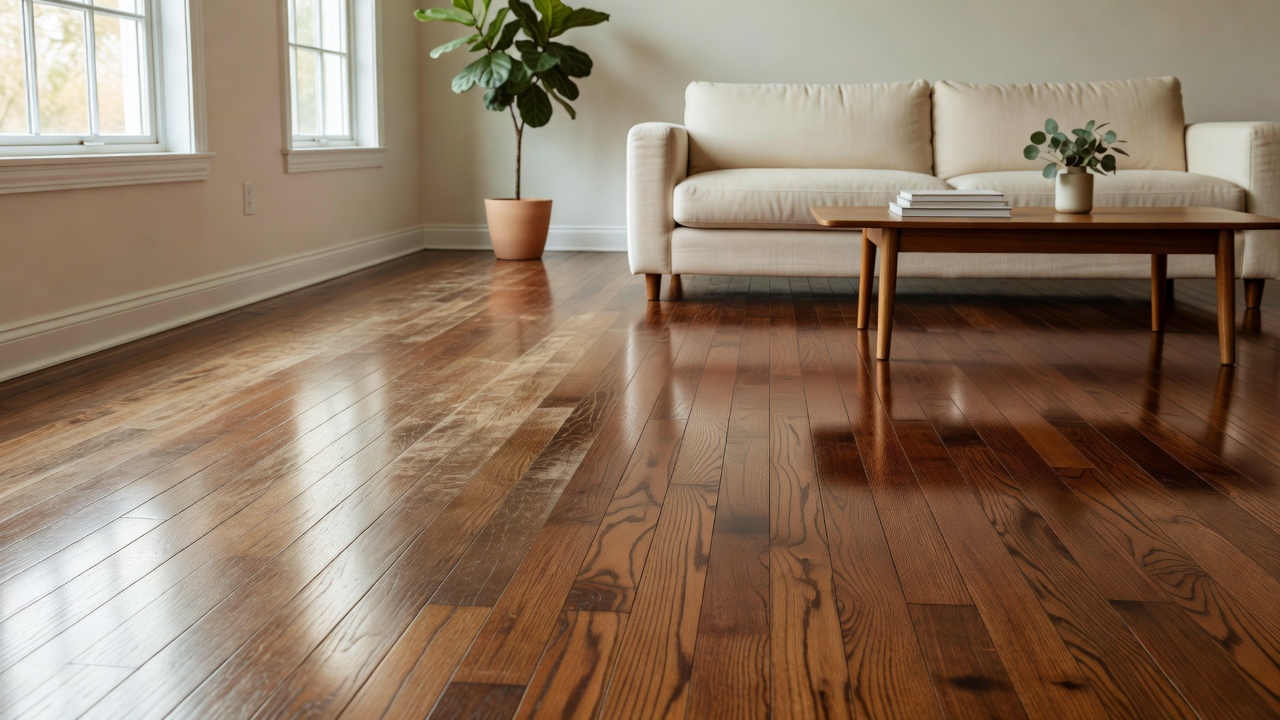 The Marquez listing on Oakridge sat for 47 days with original 1998 oak that looked like a skating rink after a bake sale. Same house, same price, after we refinished the main-level hardwood: under contract in nine days, $11,800 over the prior highest offer that never came. So should I refinish hardwood floors before listing? Yes—if the wood is structurally sound and the wear is visual, refinish before you list. It is one of the few prep jobs that reliably moves both photos and net proceeds without blowing the budget on a full tear-out.
Hardwood floor refinishing before listing means sanding, repairing, staining (or keeping the existing tone), and sealing the wood you already own so buyers see clean grain instead of pet highways, cup rings, and traffic lanes—without paying for new boards.
I do not care that you “love the patina.” Buyers do not pay for your memories. They pay for what does not make them subtract in their head during the showing.
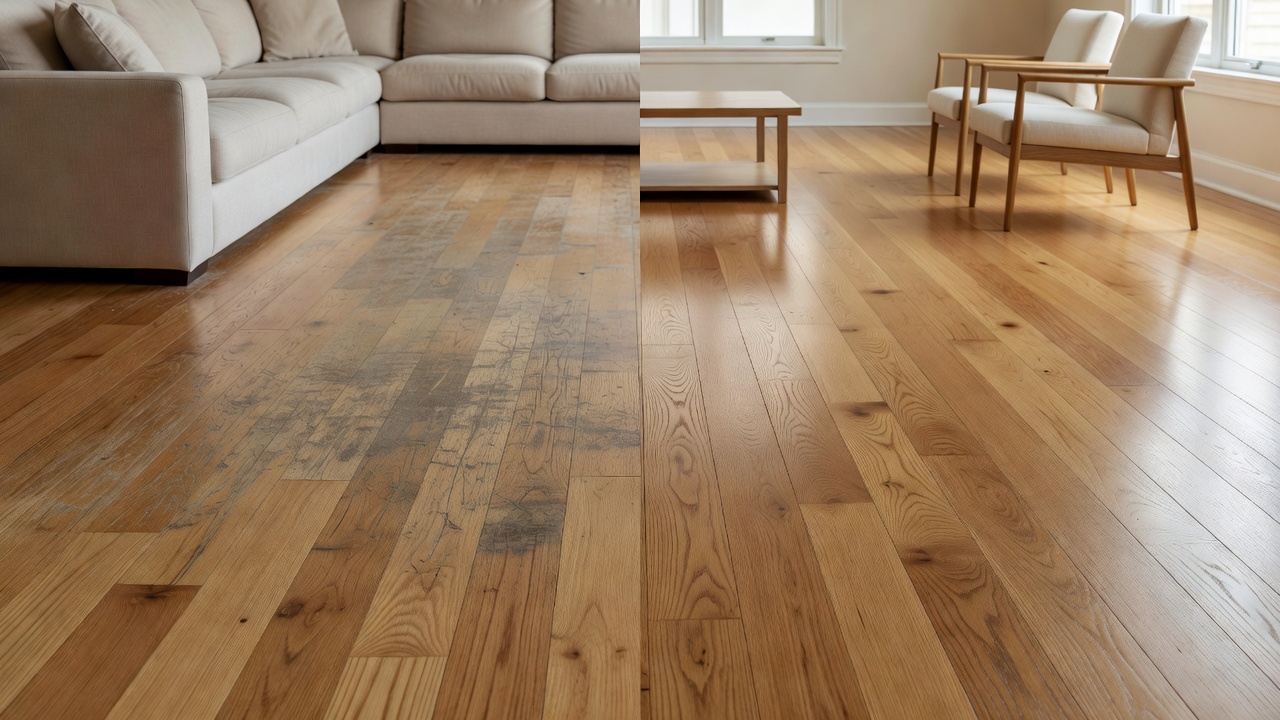
Should I refinish hardwood floors before listing?
Run this filter, not your feelings.
- Wood is real and thick enough. Solid hardwood or engineered with a wear layer that can take a sand. If a contractor says one more sand and you’re on plywood, stop. Replace the problem zones or price accordingly.
- Damage is cosmetic, not structural. Scratches, dull finish, light staining, old poly peeling in traffic paths = refinish. Soft spots, cupping from water, pet urine that soaked the subfloor = repair or replace those sections first.
- It’s on the money path. Entry, living, dining, hall, primary suite. That is where cameras and feet go. Guest bedroom with a throw rug? Lower priority.
- You can finish and cure before photos. Plan 3–7 days for the work plus cure time before heavy staging traffic. Listing with wet poly smell is not a flex.
- Your competition already looks cleaner. If every active listing in your price band has bright floors and yours look like a rental turnover, you are negotiating against yourself.
When those boxes check, refinishing is not “nice to have.” It is defensive pricing. Industry recovery numbers for refinishing existing hardwood still land in that brutal sweet spot sellers like: often cited around 100–147% of cost back in sale price when the rest of the house is market-ready. I have watched a $4,600 main-floor refinish erase a buyer’s “we’ll need at least ten grand in floor work” speech before it started.
Full replacement is a different animal. New hardwood across a whole level can run serious money and still lose if you pick a trendy gray that appraises like a personal taste tax. Gorgeous does not always mean it appraises. I wish it did.
For the decision tree on materials and scope, see [LINK: hardwood refinishing vs replace before selling].
Does new flooring increase home value when selling?
Sometimes. Not always the way Instagram says.
Refinishing existing hardwood usually beats installing brand-new anything for ROI, because you are not paying for demo, new product, and labor on top of labor. You are restoring an asset buyers already emotionally upgrade in their heads—“original hardwood” still photographs as quality when it is not trashed.
New LVP in the right zones can increase offer strength when you are killing dead carpet, crooked laminate, or a patchwork of three eras. Neutral mid-tone LVP in kitchens, baths, basements, and mud zones is what 2025–2026 buyers expect to see. I had sellers on Crestview swap stained builder carpet for quality LVP on the main level before listing—they netted roughly $7,100 more than the last comparable with the old carpet still in, after cost.
Bold designer floors—checkerboard, high-contrast inlays, green-stained oak—win Pinterest and lose appraisers. If the only person who loves it is you and your design-group chat, do not install it two weeks before the sign goes up.
Carpet almost never “adds value” as a luxury move anymore unless you are in a cold-market bedroom suite and the pad is thick, the color is light neutral, and there is zero odor. Clean first. Always. Replace only if it fails the nose test or looks like a crime scene in photos.
New flooring increases home value when it removes a deduction, not when it performs a personality. Buyers will pay to not do work. They will not pay extra for your aesthetic autobiography.
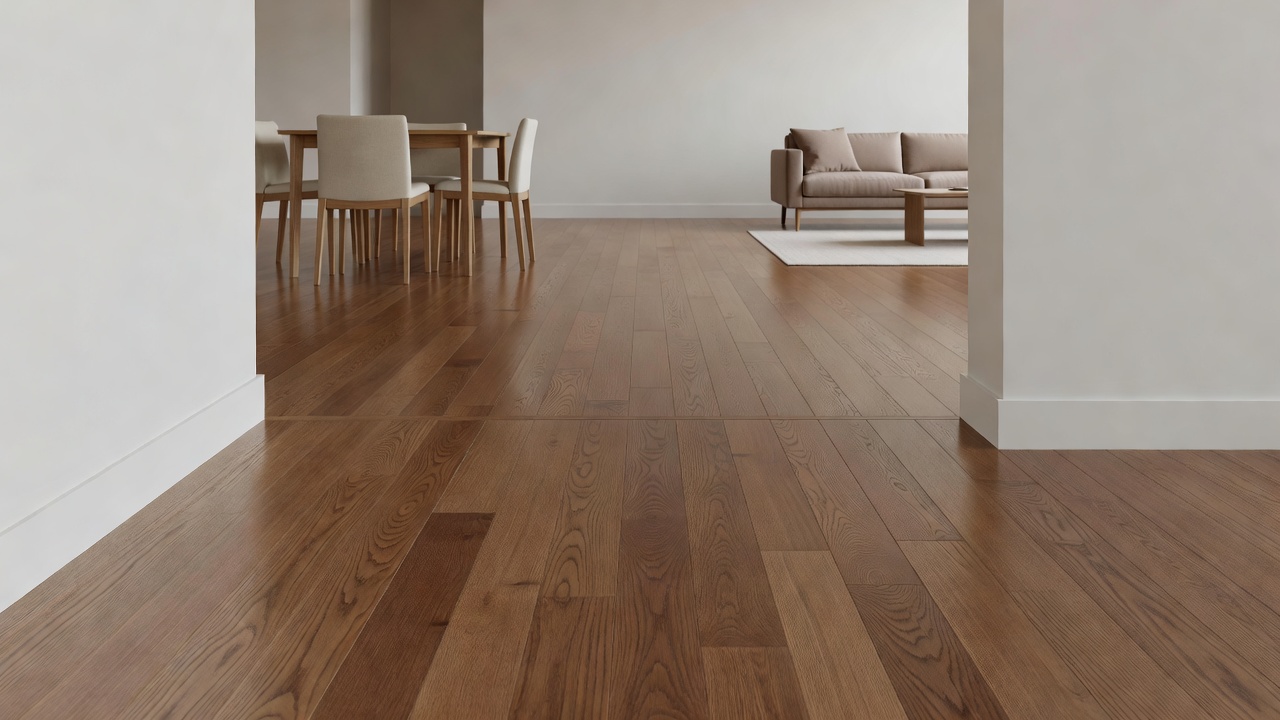
Should I replace carpet before selling my house?
Only after you answer three ugly questions.
Does it smell? Pet, smoke, mystery basement. If yes, cleaning is round one. If smell survives a professional clean, the carpet is done. Buyers will kneel. Buyers will inhale. Your “you can’t even notice it” is a lie your nose told you after six years of adaptation.
Does it photograph gray-brown and sad? Dark worn paths, bleach spots, seam peels—camera is cruel. In bedrooms, a cheap-to-mid neutral carpet replacement can be smarter than forcing LVP everywhere if the rest of the house is warm hardwood and you want continuity upstairs.
Is it in a wet-risk zone? Older carpet in a main-floor family room off a patio door is a mold story waiting for an inspector’s moisture meter. That is LVP territory.
Carpet vs LVP before listing is not a lifestyle debate. It is a risk-removal debate. I will take boring waterproof plank over “cozy” carpet that makes half the open house leave early every single time. More on material picks that survive underwriting at [LINK: carpet vs LVP before listing].
Is a flooring allowance better than replacing before listing?
Almost never, if you actually want a clean contract.
An allowance sounds efficient: “We’ll give you $5,000 toward floors.” What happens in practice:
- Buyers still lowball the list price because the house looked tired in photos and at the showing.
- They ask for the allowance and a price cut.
- They pick a contractor who “finds” more wrong and comes back to the table.
- Your appraisal and competing-offer leverage weaken because the house did not feel move-in ready when emotions were hot.
Pre-listing work buys emotional commitment. People stand in a bright, even-toned living room and start placing their sofa. People standing on scratched oak start running calculator apps. I would rather you spend $3,800–$6,500 refinishing the visible hardwood and list clean than float a vague flooring allowance that becomes a second negotiation dressed up as kindness.
Exception: true last-minute job where timing died, or a section so far gone that honest disclosure plus a tight, itemized credit is cleaner than a rushed bad install. Rushed bad install is how you get callbacks and black mold stories. Do not do that.
Quick ROI and buyer-psychology checklist
- Refinish sound hardwood on the main path — highest odds of full or better cost recovery; kills the biggest photo deduction.
- Replace only failed carpet or broken laminate — stop the smell and the “this house needs work” script.
- Stay neutral — mid oak, light natural, soft taupe/gray LVP that matches your region’s sold comps, not a showroom dare.
- Do the work before photography — portals decide whether you get the showing; showings decide whether you get the race.
- Skip trend-forward statements — if it would need a paragraph of justification in the listing remarks, it is not helping the appraisal.
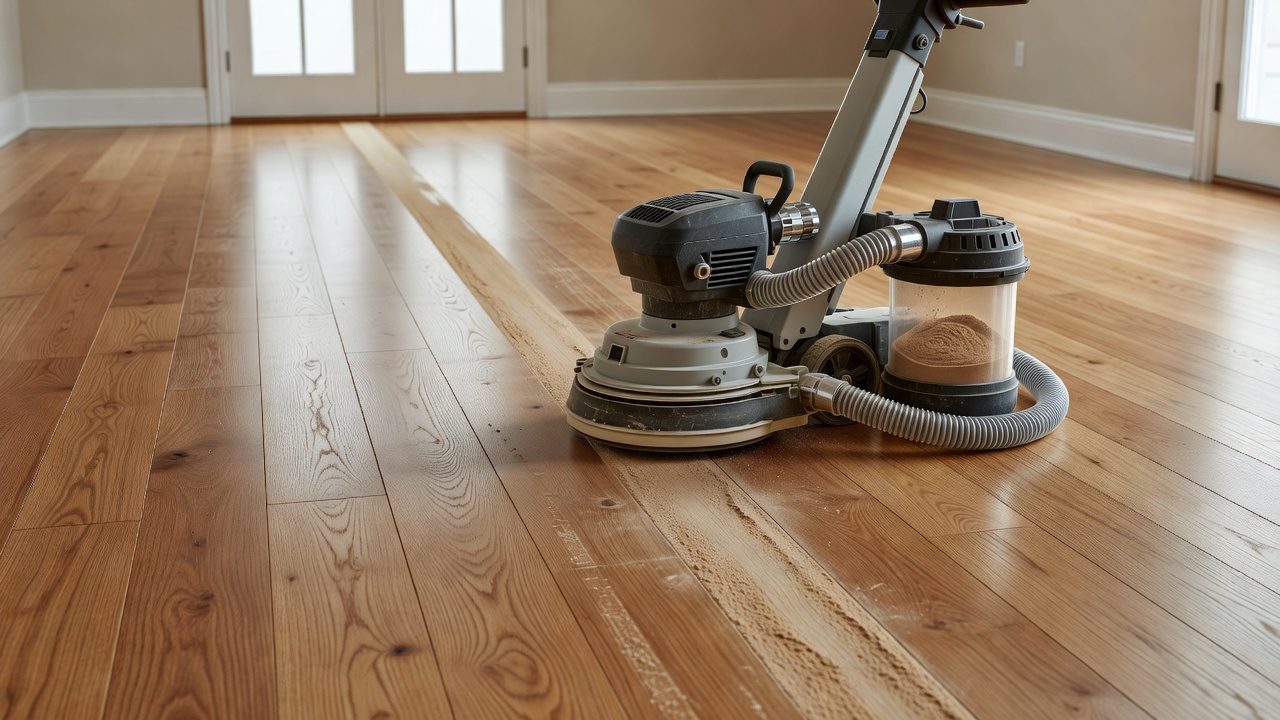
FAQ
Should I refinish hardwood floors before listing?
Yes when the boards are sound and the problems are finish-level—scratches, dullness, light stains—especially on main living routes. It usually returns more of its cost than full replacement and removes the mental math buyers do when floors look tired. If the wood is too thin or water-damaged, repair or replace the bad areas instead of cosmetically lying.
Does new flooring increase home value when selling?
It increases value when it deletes a clear objection (odor, damage, dated patchwork), not when it showcases a bold personal taste. Refinished hardwood and neutral LVP in wet or high-traffic zones are the upgrades that show up in stronger offers; statement floors often do not.
Should I replace carpet before selling my house?
Replace it if odor or irreversible staining survives a professional clean, or if it sits in a moisture-prone area. Otherwise clean aggressively first—buyers punish smell harder than slightly dated texture.
Is a flooring allowance better than replacing before listing?
Rarely. Allowances invite double-dipping on price and credits and weaken the emotional “this is done” reaction that drives clean offers. Do the visible work when you can; use a tight credit only when timing or scope makes pre-work impossible.
What is a realistic budget and timeline for pre-listing floor prep?
Main-level hardwood refinish commonly lands in the low-to-mid thousands depending on square footage and repairs, with several days of work plus cure before staging. Build that into your list date or you will photograph a construction zone.
I have staged floors I wanted to apologize for and floors that quietly made average kitchens feel expensive. The difference was almost never artistry. It was whether the buyer had to invent a weekend of labor in their head while standing there in socks.
If you are selling in the next two years, treat the main-path hardwood like inventory, not autobiography—refinish what still has life, replace what fails the nose and the photo test, and skip the designer logic that does not appraise. If you are just living your life, do whatever makes your morning coffee taste better. Because the answer changes everything I just said.