questions to ask flooring contractor
Flooring Contractor Red Flags: 30-Year Pro Reality
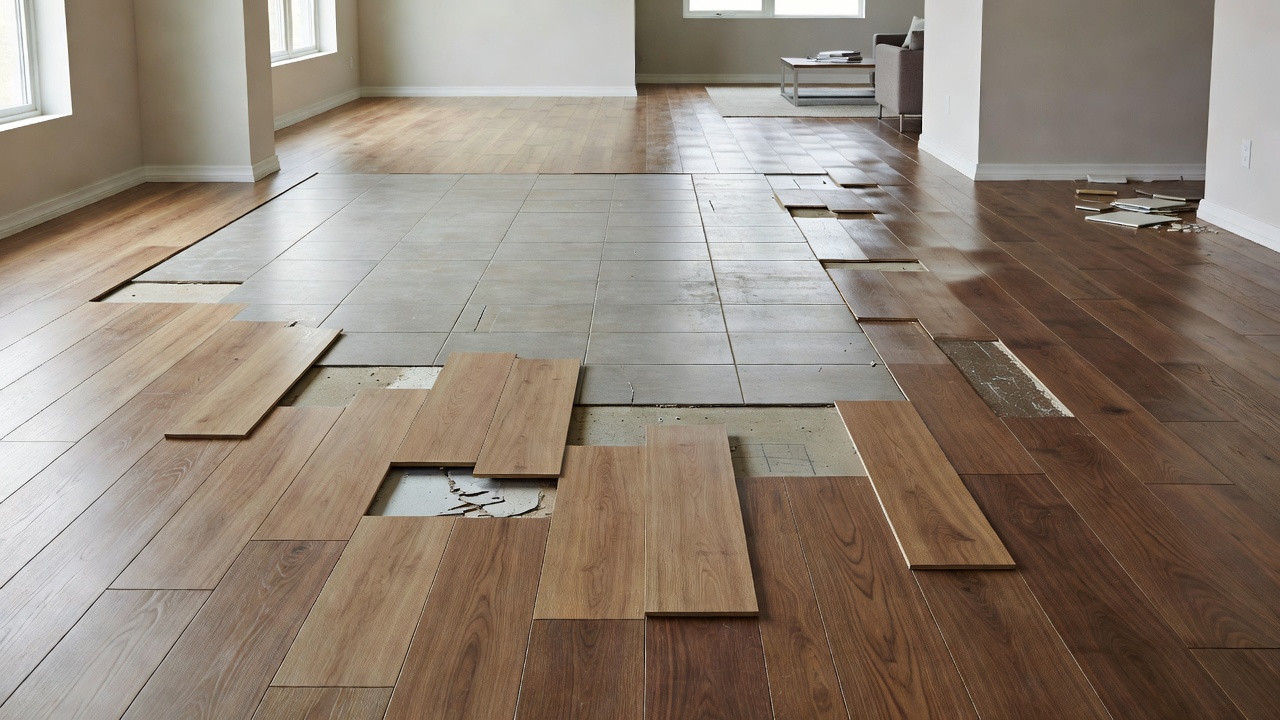 Guy last Tuesday in Oak Ridge wanted LVP over a slab that still smelled like the 90s, and he already had three bids. Two of them never opened a door. Fastest way I know to spot flooring contractor red flags is when the crew quotes without lifting a threshold, skips written moisture numbers, wants more than a third up front, has no proof of insurance on the truck, and talks about the finish like the subfloor is a suggestion. Flooring contractor red flags are the sales moves, credential gaps, and jobsite shortcuts that leave you with cupping, telegraphing seams, failed adhesive, or a floor that looks showroom-perfect for a season then dies under real traffic. That’s the whole sermon. Rest is why it keeps happening.
I told Oak Ridge I’d pull a corner and meter the slab before I named a price. He looked at me like I’d asked to date his truck. That’s how this goes.
What are red flags when hiring a flooring contractor?
I’ll give you the ones that actually cost people money years later, not the brochure list.
More than a third down before materials hit the driveway is a hard stop. Legitimate outfits order product, hold a deposit for materials and a calendar slot, and collect the rest on progress or completion. Anybody pushing half or “all of it so we can lock the crew” is either underwater or not planning to finish clean.
No license, no insurance certificate with your address on the COI, no physical address that isn’t a PO box — walk. I don’t care how charming the van wrap is. If they “forgot” the certificate and promise to email it after you sign, they won’t.
No written scope. I mean itemized: product, underlayment, moisture barrier, subfloor repair allowance, transitions, removal, haul-away, and what happens if the slab fails the test. Handshake plus a text thread is how you end up paying twice.
They won’t talk subfloor. Or they say “we’ll fix whatever we find” without a line item or a unit price. Subfloor prep is 80% of the job and nobody wants to pay for it until the floor fails and suddenly everyone is a lawyer. If the bid treats prep like free magic, the prep is getting skipped.
Pressure clock. “Price good today only,” “crew is free this week if you commit now,” “this closeout stock disappears tomorrow.” Real installers book out. We don’t need your panic to fill a Thursday.
Portfolio that is only glossy phone photos of finished rooms with no before shots, no jobs older than a year, and no names you can call. Ask for a job from three years ago. Call that homeowner. Ask if the floor still sits flat in August.
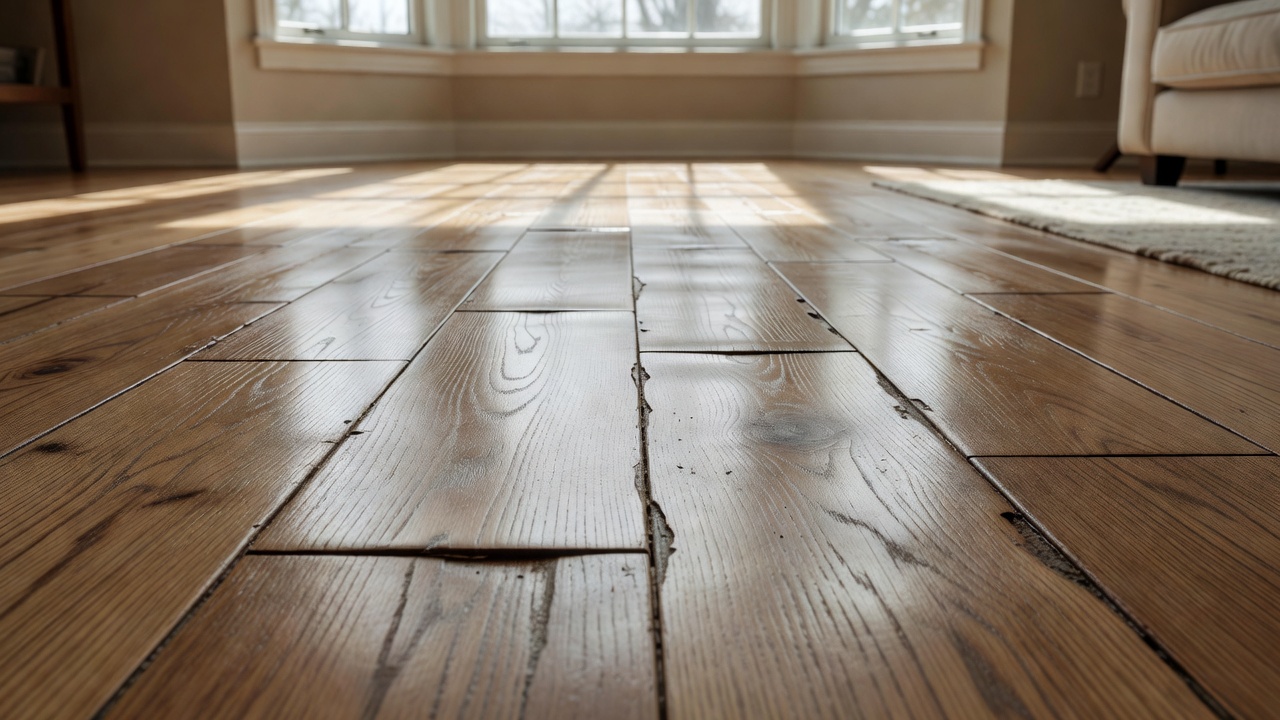
I had a couple in Henderson who hired the cheapest guy because he “did all the model homes.” Six months later every plank in the hall cupped like a canoe. He’d glued LVP to a slab that read 94% RH and never ran a calcium chloride or in-situ probe. I ripped it, dried it the slow way, and put it back right. Cost them triple. That’s not bad luck. That’s a red flag they ignored because the bid looked pretty.
What questions should I ask a flooring contractor?
Ask these out loud. Write the answers down. If they dodge, you’ve got your answer.
- Who is actually installing — employees or day labor — and will the same lead be on site start to finish?
- What moisture test method do you use on slabs and wood subfloors, what numbers do you need, and is that testing in the bid as a line?
- What happens if the subfloor needs leveling, sistering, or a moisture mitigation system — unit pricing or change-order theater?
- Can I see your insurance certificate, license, and three references from installs older than two years in similar conditions?
- Walk me through acclimation, expansion gaps, transitions, and how you handle existing floor height against doors and appliances.
If they can’t answer moisture without waving it off — “we’ve never had a problem” — leave. I’ve had “never had a problem” guys call me in January when the boards finally moved.
Moisture testing is not optional theater. I don’t care what the box says about “100% waterproof.” Waterproof face does not mean the install system tolerates a wet slab. I still carry the old meters and the probes because I watched a beautiful white oak job in a new build turn into a washboard fourteen months later. Builder swore the slab was cured. Nobody metered. Summer humidity hit, vapor drove up, adhesive let go in waves, and the homeowner cried in the doorway while I pulled boards that still had wet backs. We mitigated, re-leveled, waited, and started over. That floor still haunts my gas-station coffee runs past that subdivision. If your contractor treats RH and pH like superstition, you are buying a future demo. Demand the numbers in writing before anything is ordered. No numbers, no job. I will die on that hill and my knee already hurts enough.
While you’re asking questions, ask how they handle the trendy stuff people pin and then regret — the super-thin rigid cores over uneven slabs, the pale wide planks in sun-blasted rooms with zero acclimation plan, the “float it everywhere” mentality that ignores what the underlayment and the perimeter actually need. Pretty pictures don’t expand and contract for you.
For more on what good prep actually looks like, see [LINK: subfloor preparation guide] before you sign anything. And if you’re weighing materials, [LINK: LVP vs hardwood durability] will save you a second argument later.
Is professional flooring installation worth it?
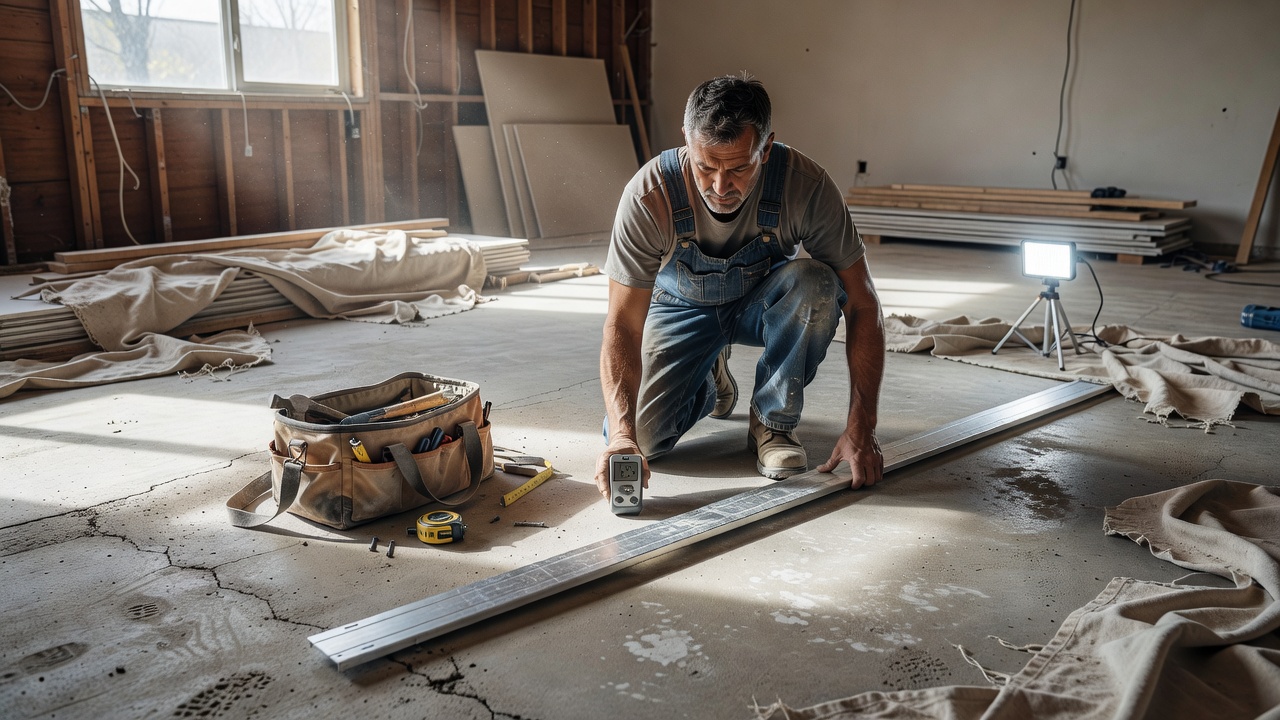
Yes — when the pro is actually a pro. DIY vs professional flooring is not a pride contest. It’s whether you own the meter, the straightedge, the moisture mitigation products, the knee time, and the willingness to stop when the numbers are bad.
I’ve fixed enough “we watched three videos” kitchens to know the common flooring installation problems by heart: no acclimation, ignored flatness tolerances, glue down on dusty slabs, floating floors pinched at the walls, transitions screwed through the wear layer, and pattern runs that fight the light. Those mistakes don’t always show at final walkthrough. They show after the first full HVAC season.
A real installer costs more because the bid should include the boring work you can’t see in the after photos. If a price is half the field, something invisible got cut. That’s usually prep, testing, or the skilled lead.
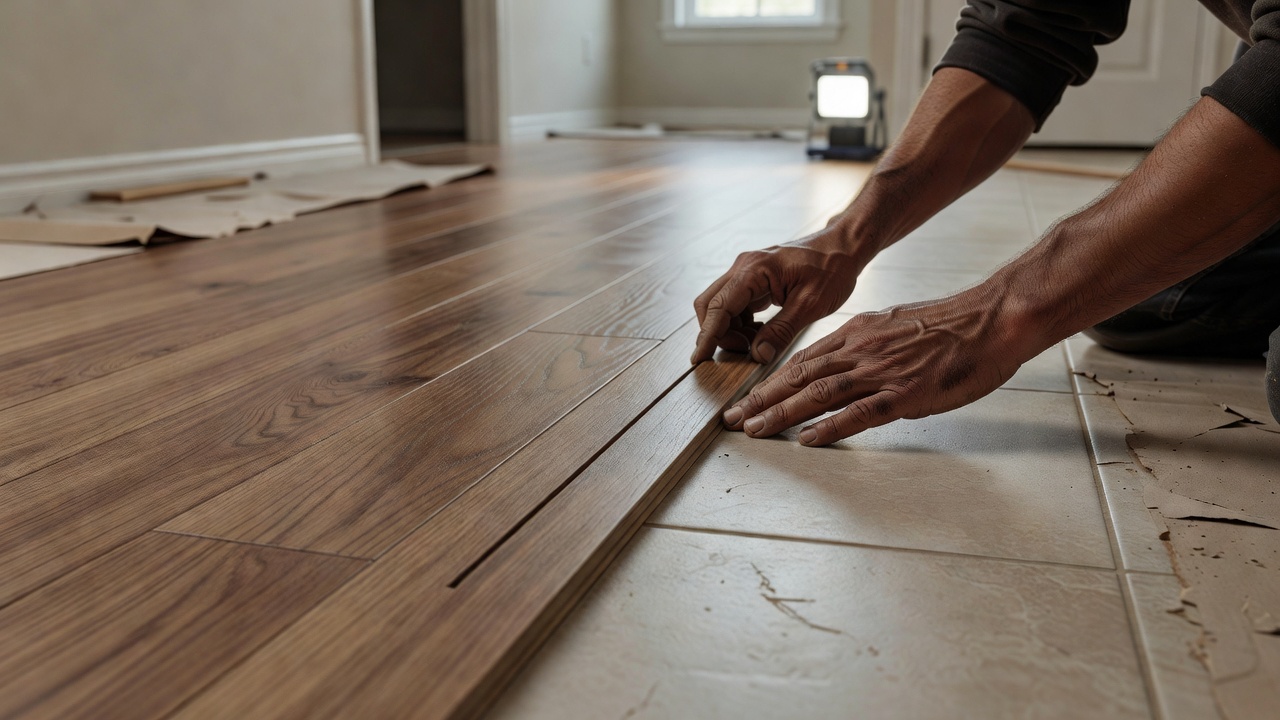
What to expect from a flooring installer who isn’t a red flag: they show up, protect paths, run the tests, tell you bad news early, keep the site cleaner than you expect, and don’t vanish between demo and material delivery. They return calls. They stand behind the seam that telegraphed because the subfloor moved — and they can explain why without blaming your dog.
What are the most common flooring installation mistakes?
Skipping moisture and flatness checks. Rushing acclimation. Cheap underlayment on concrete. Wrong adhesive for the product and conditions. No expansion at fixed objects. Beating boards together until the locking system bruises. Leaving debris under a floating floor so every step clicks like a castanet. Hiring on price alone after a twenty-minute walkthrough.
Those aren’t exotic. They’re daily. The contractor who pretends they never happen is selling you comfort, not a floor.
FAQ
What are red flags when hiring a flooring contractor?
No moisture testing in the bid, more than about a third upfront, missing insurance or license proof, vague scope with no prep line items, and pressure to sign same day. Those predict callbacks and rework more than a low star rating does.
What questions should I ask a flooring contractor?
Ask who installs, what moisture method and pass/fail numbers they use, how subfloor repairs are priced, for older references, and how acclimation and expansion are handled. Straight answers in writing beat charm.
Is professional flooring installation worth it?
Yes if the pro tests, preps, and warranties the system — not just the labor hours. DIY only wins when the substrate is honest and you already own the tools and the patience.
What are the most common flooring installation mistakes?
Skipping moisture and flatness, poor acclimation, wrong underlayment or adhesive, and tight perimeters with no expansion. Most “defective product” calls I see are install and substrate failures wearing a product costume.
How much should I pay upfront?
Materials deposit plus a modest scheduling hold — stay near a third or less before work starts on site. Balance on milestones or completion after you walk it.
Anyway. Call somebody before you rip anything out. Doesn’t have to be me. Should probably be me.