Why Vinyl Plank Floors Fail: Wear Layers Explained
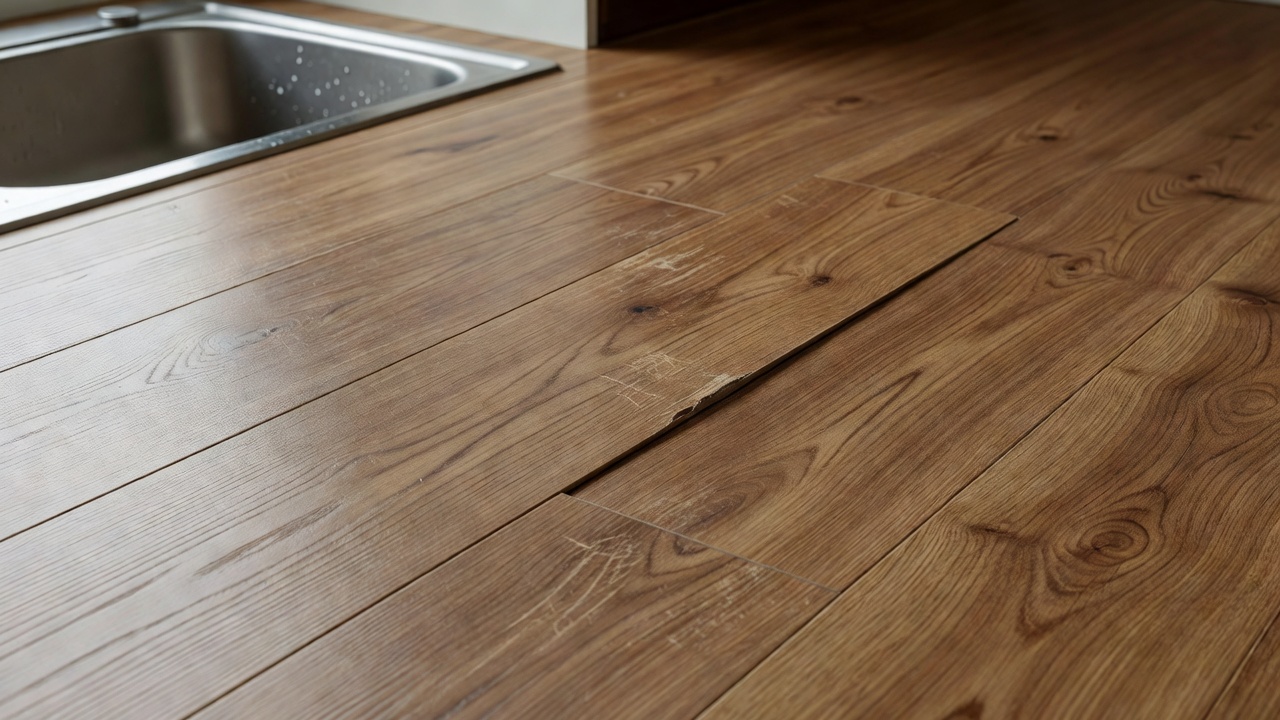
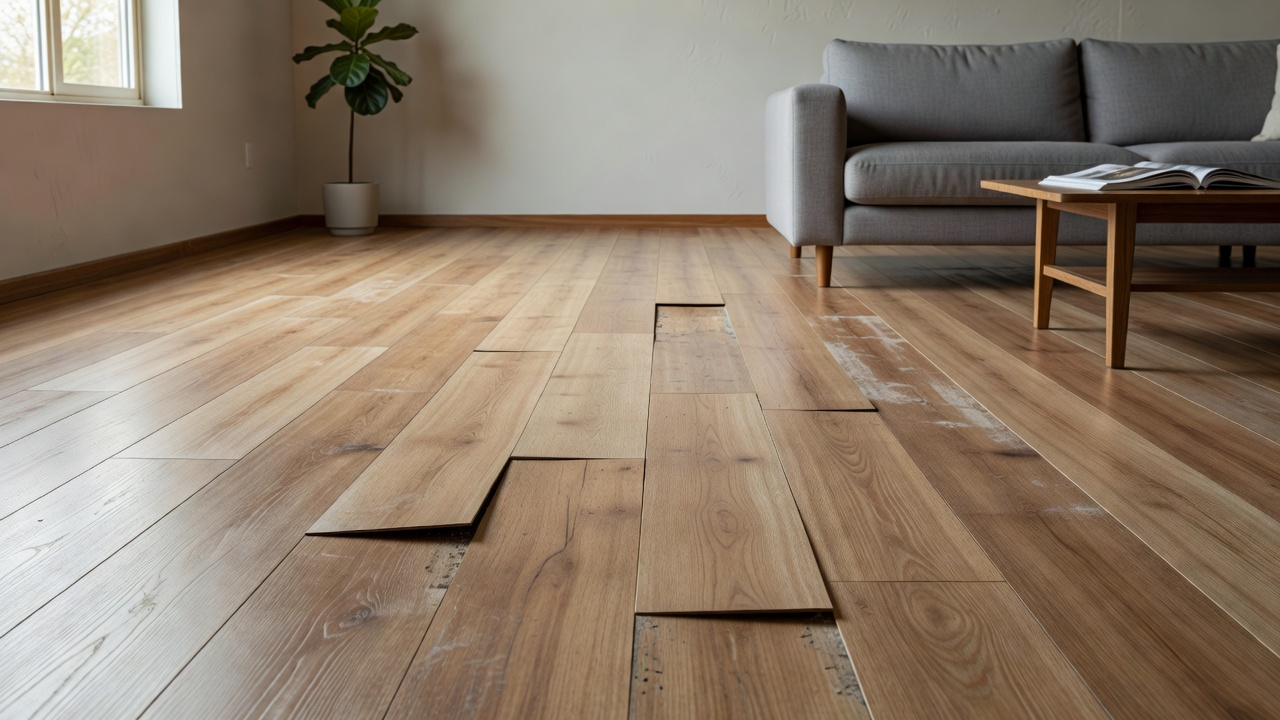 Last Tuesday my neighbor texted a photo of her kitchen LVP looking like a peeling sunburn near the sink. She blamed the dog. The short answer on why vinyl plank floors fail is almost never one dramatic villain — it is usually the wear layer abrading through, moisture stressing the core, or the locking system taking loads it was never engineered to carry. In plain terms, vinyl plank floor failure is the moment a multi-layer sandwich stops behaving as one bonded system and starts separating, scuffing irreversibly, or warping at the seams.
What you see on the surface is rarely the whole mechanism. Under the microscope — or at least under a decent loupe and a slightly obsessive materials habit — the story gets more interesting.
What causes vinyl plank floors to fail?
Most of the time, the floor does not “just die.” Industry installers and inspectors keep repeating a useful statistic: a large majority of callbacks (often cited north of 80%) trace to site conditions and installation, not a defective plank fresh from the factory. That still leaves a real materials story, because the product has specific weak points once those conditions show up.
Here is what is actually happening, in order of how often I see it show up in photos friends send me:
- Wear-layer abrasion — The clear top film (polyurethane, often aluminum-oxide reinforced) thins under grit, chair legs, and pet nails until the printed design layer is exposed. Once that print is scratched, there is no “buffing it out.” That is classic LVP wear layer failure.
- Moisture vapor and edge swell — Water does not have to flood the room. Elevated subfloor vapor, wet mopping that pools at seams, or a fridge drip can drive vinyl plank moisture problems into the core. Rigid cores (SPC especially) resist cupping better than soft vinyl, but edges and lock joints still take the hit.
- Locking-system micro-fracture — Click joints are engineered geometries, not magic. Uneven subfloors, heavy rolling loads, or planks forced together during install create stress risers. Over time you get gapping, height differences, and the dreaded “my floor is coming apart at the seams” look — which is how LVP locking systems fail in slow motion.
- Bond / coating delamination — Adhesive or coating interfaces release when heat cycling, plasticizer migration, or moisture weakens the bond line. Layers that should move together start sliding past each other.
- Subfloor flatness and point loads — A high spot under a lock, a soft spot under a fridge, or a missing underlayment path concentrates force. The plank becomes a beam with a bad support condition. Beams do not enjoy that.
Sorry — that was a lot in one breath. I just think the stack-up is genuinely cool once you see it as a materials problem instead of a mystery stain.
If you are still shopping, the [LINK: LVP buying guide] side of this pairs well with understanding failure modes before you fall for a pretty sample in a showroom.
How important is wear layer thickness on LVP?
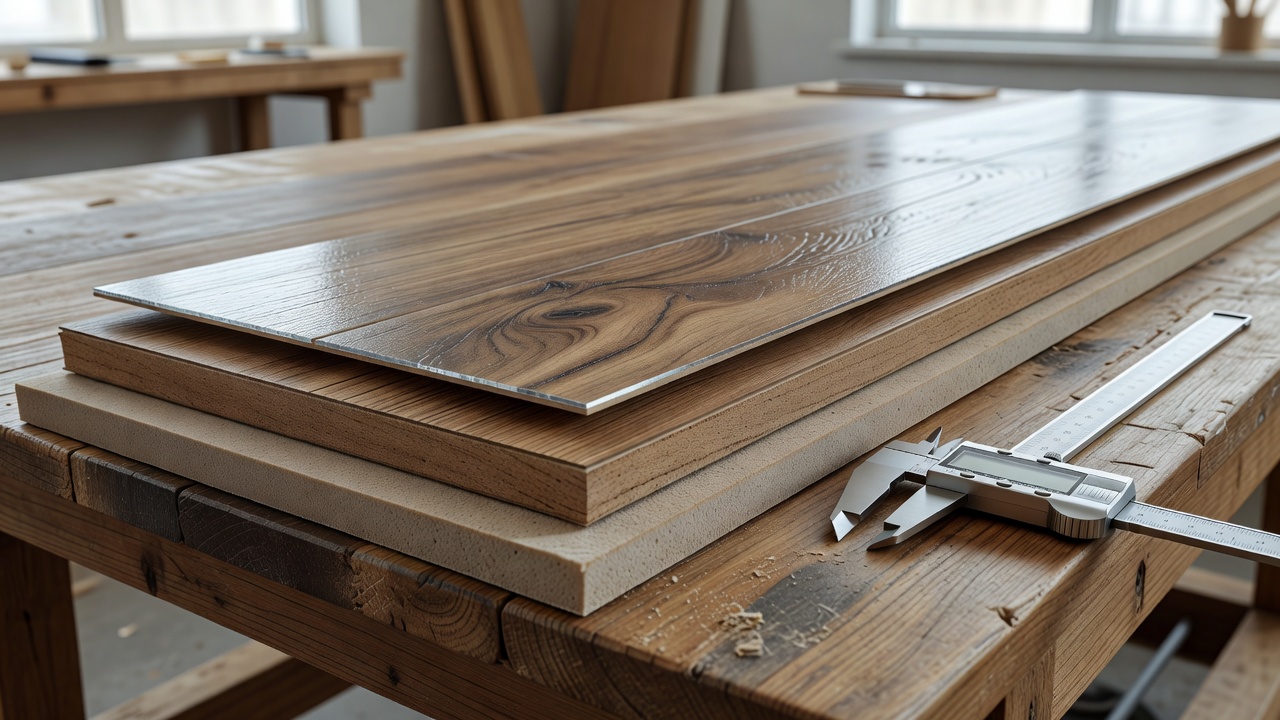
Wear layer thickness is measured in mils (one mil = 0.001 inch). Common consumer bins run roughly 6–8 mil for light residential, 12 mil for typical busy homes, and 20 mil+ for heavy traffic or light commercial. Lab abrasion tests (think Taber-style or manufacturer ASTM-adjacent protocols) are lab-speak for “your dog can destroy this and it will probably survive longer than the cheaper film.”
A thicker wear layer does buy you more sacrificial clear film before the design layer is exposed. It does not automatically fix a wavy subfloor, a wet slab, or a lock joint that was hammered into place. People ask “does a thicker wear layer mean better flooring?” and the honest materials answer is: it means better abrasion life if the rest of the system is competent. A 20-mil film on a plank with a weak core or sloppy coating adhesion can still look terrible early if moisture or shear at the edges wins first.
Wear layer mil thickness explained in one sentence: it is a countdown clock for surface abrasion, not a waterproofing rating and not a structural guarantee.
Also worth saying out loud — once the clear film is gone, the printed layer scuffs irreversibly. There is no refinishing LVP the way you might screen-and-recoat a hardwood. The chemistry is different; you are not sanding into a thick wear veneer of wood.
Why is my LVP coming apart at the seams?
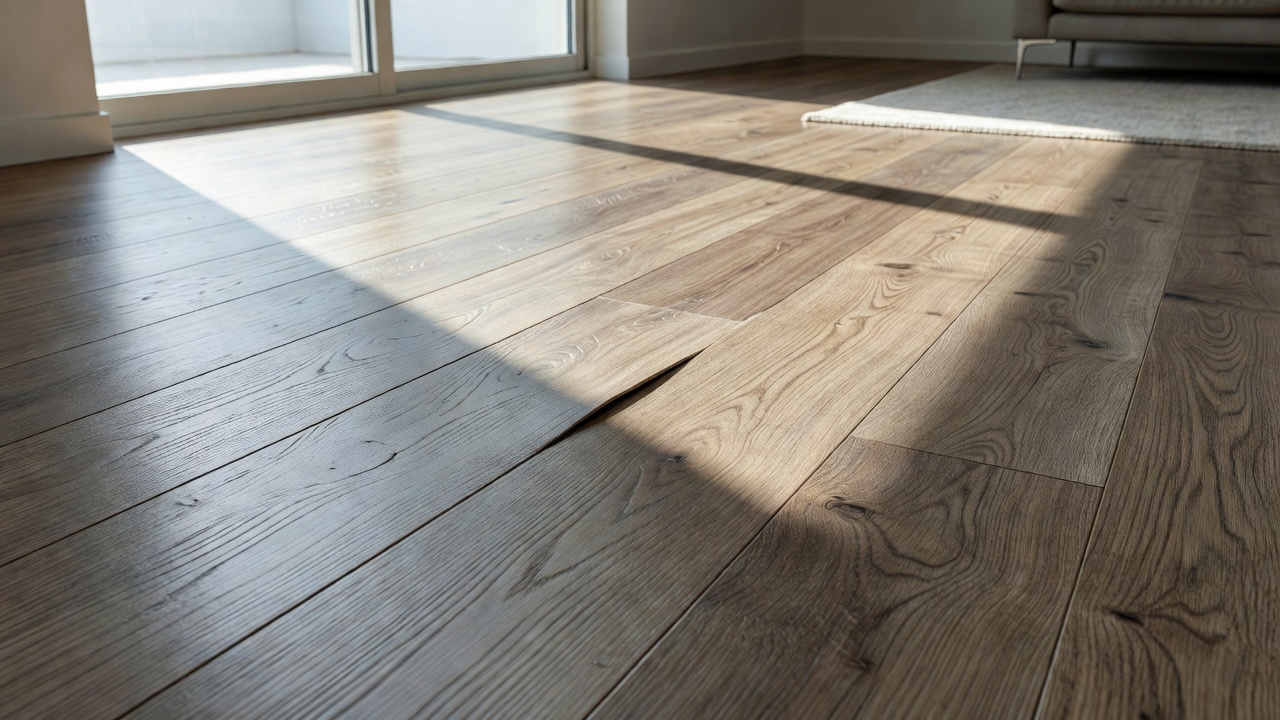
Seam separation is the failure mode that makes people panic-text materials nerds at 9 p.m. Visually you get hairline gaps, peaking, or planks that no longer sit flush. Mechanically, a few things are usually co-conspiring:
- Expansion and contraction without room to move. Vinyl and rigid cores still respond to temperature. No expansion gap at walls, tight doorways, or heavy cabinets pinning the field can force stress into the locks.
- Acclimation skipped or rushed. Planks installed cold then heated, or installed over a damp slab that later dries, change dimensions after the locks are already engaged.
- Subfloor moisture vapor. Even “waterproof” LVP is about topical spills more than infinite vapor drive from below. Continuous vapor can soften adhesives, stress edges, and open joints — textbook what causes LVP delamination territory when the film or backing starts letting go.
- Install damage. A folded lock, a joint closed with too much force, or debris in the groove creates a pre-crack. Pre-cracks grow. That is fracture mechanics being extremely predictable and slightly rude.
Isn’t that wild? The seam is where geometry, moisture, and human impatience meet — and the seam almost always loses first.
For the related wood-look category, people also ask about engineered products. What causes delamination in engineered hardwood is a cousin problem: moisture cycling and glue-line fatigue between veneer and core, sometimes plus finish failure. Different stack, same theme — layered systems hate unequal swelling. If you are comparing categories, the [LINK: engineered hardwood vs LVP] discussion is where those bond-line stories diverge in useful ways.
What causes delamination — in LVP and in engineered floors?
Delamination is layers quitting the group project. In LVP, you may see the wear film haze, blister, or peel; the design layer wrinkle; or the backing release. Drivers include:
- Heat (sun patches, radiant systems above spec, dark planks in south windows)
- Moisture at interfaces
- Poor coating cross-link density or contaminated bond surfaces at the factory (rarer, but real)
- Mechanical shear from locks flexing on an uneven plane
In engineered hardwood, delamination more often means veneer lifting from the plywood or HDF core when moisture gradients reverse faster than the adhesive can tolerate. Finish checking can look similar from standing height but is a coating issue, not a structural unbonding — worth distinguishing before you replace an entire floor out of spite.
I will flag my own tangent: polymer adhesion and wood hygroscopy are different chapters of the same textbook, and I have lost entire evenings to both. Feel free to skim if you only came for the mil numbers.
A quick note on timelines (approximate, not a warranty)
- Light wear layer (6–8 mil) in a grit-heavy entry: visible scuffing can appear in a few years of real life, sooner with dark colors and no mats.
- 12–20 mil with decent mats and felt pads: surface life often tracks a decade-plus of normal residential use, assuming the locks and subfloor behave.
- Moisture-driven seam issues: can show in weeks to months after a leak or on a chronically damp slab — much faster than pure abrasion.
- Lock fatigue from uneven subfloors: often 1–3 years of seasonal movement before gaps become obvious.
Those are pattern-level observations from product literature, installer war stories, and the slightly unhinged number of floor photos in my camera roll — not a promise about your particular SKU.
FAQ
What causes vinyl plank floors to fail?
Most failures come from wear-layer abrasion, subfloor moisture or unevenness, damaged locking systems, and missing expansion gaps — not a single factory defect. In materials terms, the layered sandwich stops acting as one system when film, core, or bonds are overstressed. Installation and site conditions drive the majority of early problems.
Why is my LVP coming apart at the seams?
Seams open when locks are stressed by moisture, temperature swing without expansion space, uneven subfloors, or install damage to the click joint. The joint is a stress concentrator, so it shows movement first. Fix the moisture and flatness drivers or the gaps tend to return.
How important is wear layer thickness on LVP?
Wear layer mil thickness sets how long the clear film can take abrasion before the print layer scuffs permanently. Thicker (12–20+ mil) generally lasts longer under traffic, but it does not correct moisture or subfloor issues. Match mils to traffic, then still install the floor like the physics matter.
Does a thicker wear layer mean better flooring?
It means better surface abrasion resistance, not automatic superiority in every category. Core type, coating quality, lock design, and site conditions still decide whether the floor stays flat and bonded. Buy thickness for traffic; buy the whole system for longevity.
What causes delamination in engineered hardwood?
Moisture cycling and glue-line fatigue between veneer and core are the usual drivers, sometimes worsened by heat or finish failure that looks similar from a distance. Unlike LVP film wear, you are watching wood and adhesive respond to humidity gradients. Control moisture both above and below the floor if you want the bond line to stay boring — boring is good.
I keep a cheap USB microscope in the junk drawer for no socially normal reason. If your floor is starting to look tired, notice where first: field scuffs (wear film), edges and locks (geometry and moisture), or broad waves (subfloor and vapor). The failure mode is usually writing its own lab report on the surface. You do not need a materials degree to read it — just a little patience and the willingness to admit that a 12-mil clear coat is doing heroic work under every chair leg in the house.