best flooring for resale value
Refinishing Hardwood Floors ROI: 147% Resale Win
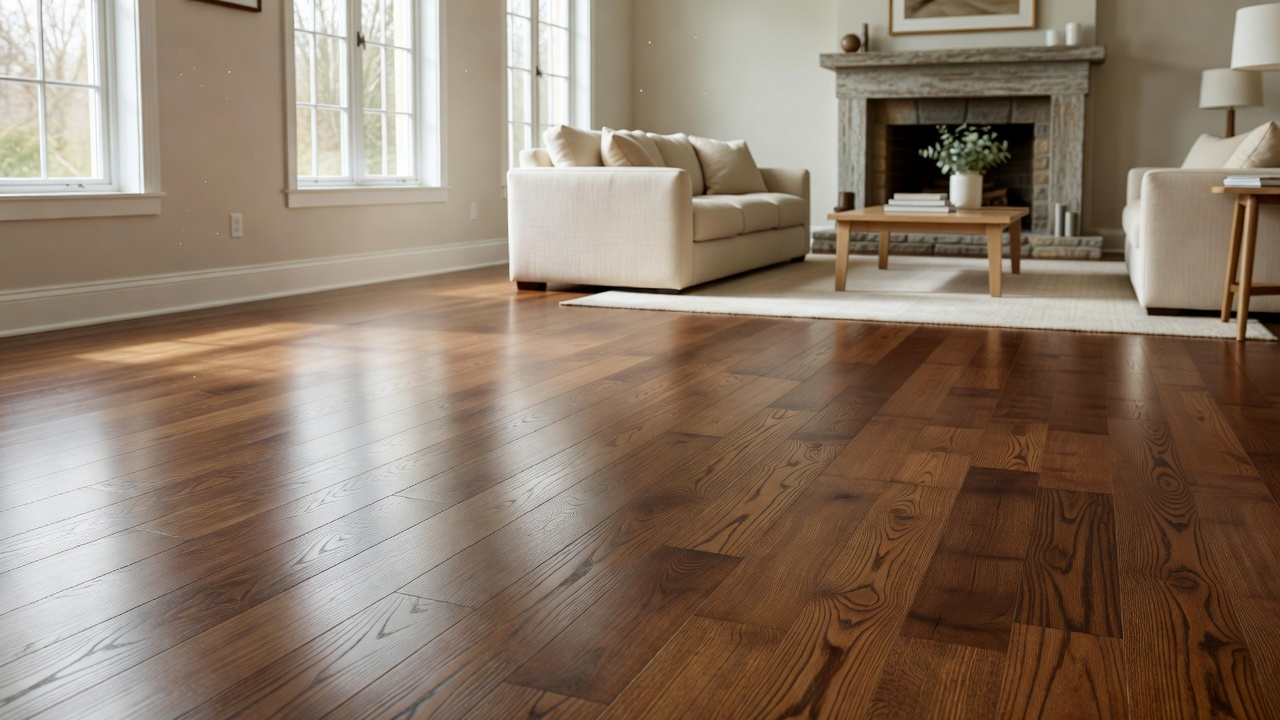 The Henderson listing sat for 41 days with orange-peel poly and pet scratches you could map like a subway. We pulled it, spent $3,800 refinishing 980 square feet of red oak, and relisted. It went pending in nine days at $18,500 over the first ask. That is refinishing hardwood floors ROI in the wild: you put money into sanding and sealing what is already there, and buyers pay you back with interest. National Association of Realtors data still pegs average refinishing hardwood floors ROI around 147%—one of the few interior projects that routinely returns more than it costs.
Refinishing hardwood floors ROI is the share of your refinish spend you recover (and often exceed) in a higher sale price or stronger offer terms when the home hits the market.
I do not care if you “love the warmth.” I care what appraises and what makes a buyer stop mid-tour and say the floors feel done.
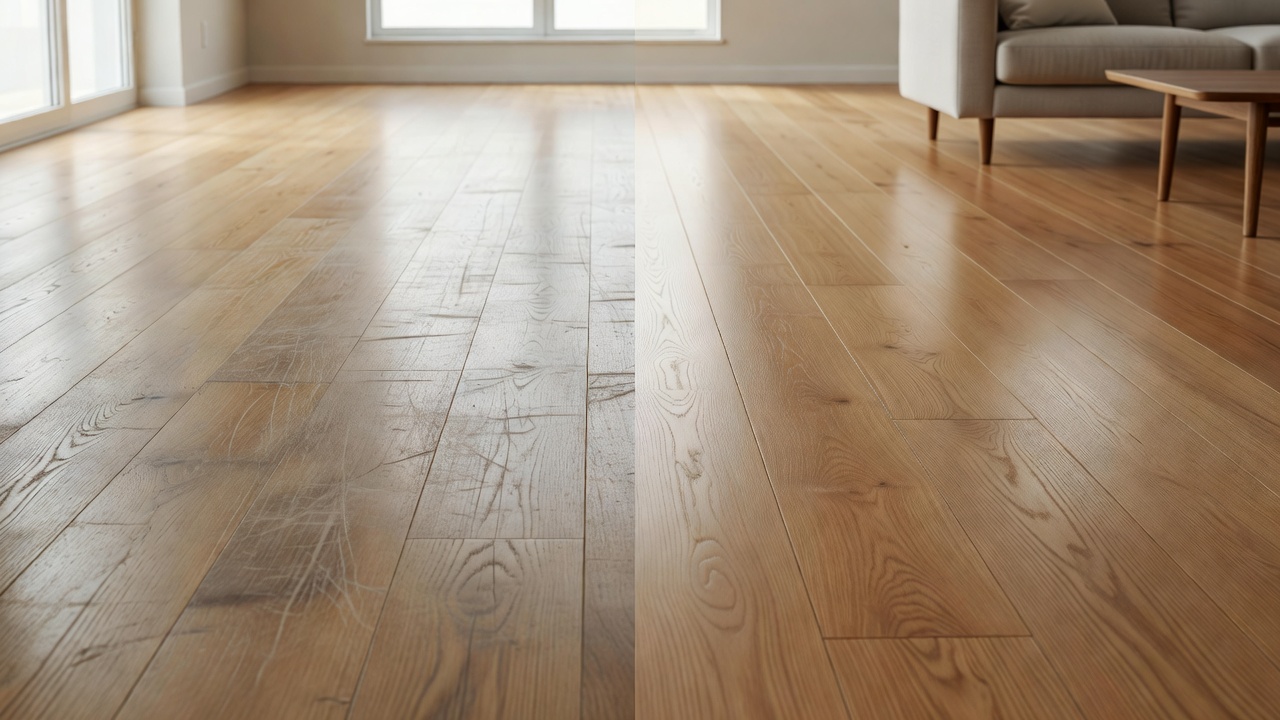
Does refinishing hardwood floors increase home value?
Yes—when the boards still have life. Buyers read dull, gouged hardwood as deferred maintenance. They start subtracting in their heads before they ever open the inspection contingency. Fresh finish flips that script. The floor looks intentional. The house smells like work already finished, not work waiting.
I stage a lot of open houses. The difference is physical. People walk slower on a clean satin or matte finish. They look at the baseboards instead of the scratches. On a three-bed ranch in the mid-$400s, that psychological shift has been worth $8,000–$15,000 in final offer strength more times than I can politely count—sometimes more than the cost of the job itself, which is how you land north of 100% recovery.
New hardwood install ROI is a different animal. Full tear-out and replace often lands in the 70–118% range depending on species, grade, and labor. You are paying for material twice: once to remove, once to put down. Refinishing skips the material tax. That is why the NAR/NARI remodeling numbers keep crowning refinish as the highest-return interior play when the substrate is solid.
If the boards are cupped, missing, or sanded past their last life, stop. You are not refinishing anymore. You are cosplaying. At that point you compare [LINK: hardwood vs LVP ROI] and decide whether real wood still pencils or whether a tight LVP install is the smarter listing move.
Is it worth refinishing hardwood floors before selling?
Only if you are selling on a timeline measured in months, not vibes.
Here is the blunt filter I run with sellers:
- Board condition — At least 3/4" solid with enough wear layer left for one full sand. Engineered needs a real wear layer (roughly 3 mm+); thinner than that and you are gambling.
- Cost vs. list price — Budget $3–$8 per square foot installed for a standard dustless refinish in most metro markets in 2026. On 1,200 sq ft that is roughly $3,600–$9,600. If that number is more than about 2% of your expected sale price and the floors are only “tired,” not ugly, you may be over-improving for the neighborhood comps.
- Buyer pool — First-time buyers in competitive zips reward “move-in ready.” Investors and flippers will try to negotiate the refinish cost off the price anyway. Know who is coming through the door.
- Moisture and pets — Active leaks, slab moisture, or a house that still has three dogs? Finish will not save you. Fix the problem or switch products.
- Time to list — Refinish needs dry time and a few days of emptiness. If you are listing next Tuesday, you missed the window. Price it and disclose, or do a spot repair and heavy clean only.
When those five line up, refinishing beats almost every other pre-list flooring spend on pure refinishing hardwood floors ROI. When they do not, I would rather see you put money into paint, lighting, and a ruthless declutter than chase a shiny floor that does not change the offer sheet.
Gorgeous does not always mean it appraises. I wish it did. I have watched sellers pour money into trend-forward stains that photographed like a magazine and appraised like the builder-grade oak underneath—because the appraiser is not scoring your Pinterest board.
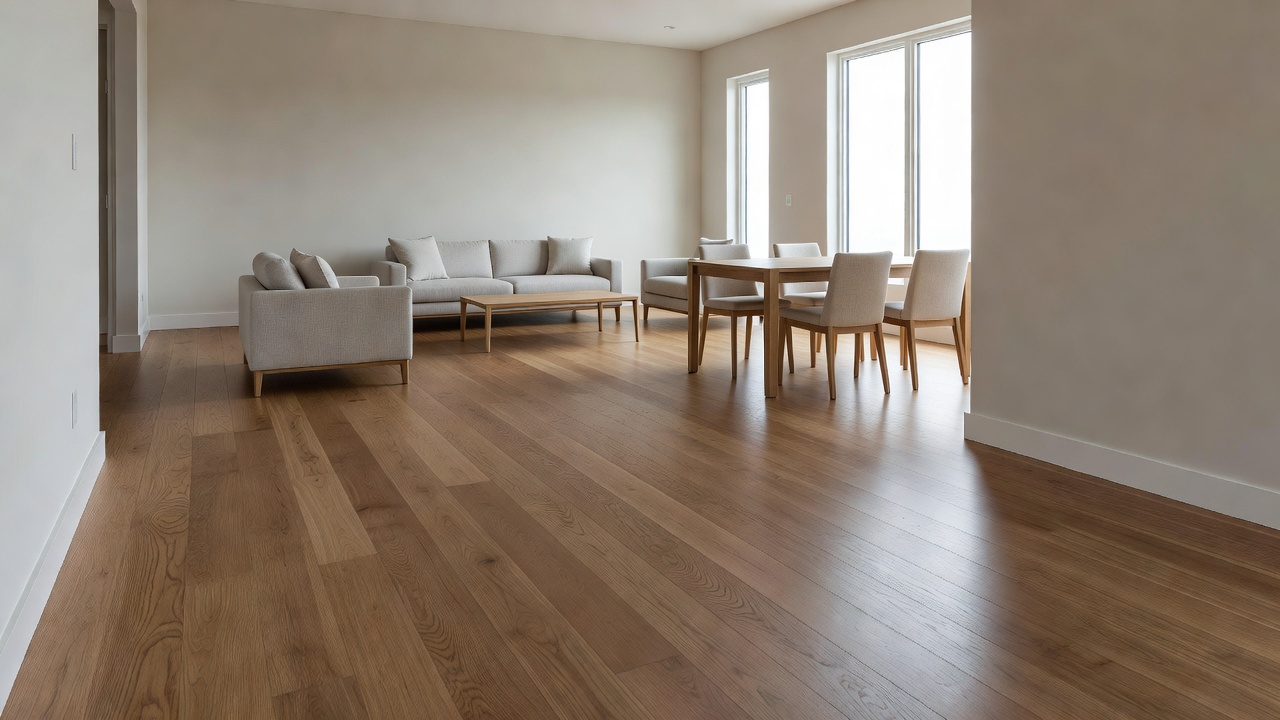
Should I refinish or replace hardwood floors for resale?
Refinish when the wood is structurally honest and the finish is the only thing screaming. Replace when you are hiding water damage, pet urine that hit the tongue-and-groove, or a patchwork of species from three prior owners.
Replacement costs run hard. Quality solid hardwood install often lands $12–$22 per square foot all-in. Engineered in a good grade sits a bit lower but still multiples of a refinish. You need a buyer who will pay for “new” in a way that covers the delta. In many resale brackets they will not. They will smile, enjoy the floor, and still negotiate on the roof age.
LVP is the practical spoiler. Strong dollar-for-dollar in basements, rentals, and moisture-prone ranches. Buyers accept it. Appraisers understand it. LVP resale value is real when it is installed well and the planks are mid-grade or better—not the hollow click-clack that telegraphs “landlord special.” But LVP does not beat a properly refinished hardwood story in a traditional single-family listing where comps show wood. Hardwood still reads as the premium permanent surface. That perception is why flooring upgrades before selling so often start with “can we save the wood?”
If you want the deeper cost tables and side-by-side hold periods, read the breakdown on [LINK: best flooring for resale value]. For this piece, the decision rule stays simple: save the wood if the wood is worth saving. Otherwise stop romanticizing and install what the buyer pool actually rewards.
What flooring increases home value the most?
For pure percentage return on a project you can finish before photos, refinishing existing hardwood still leads the interior pack near that 147% mark. New hardwood trails it. Tile can pay off in the wet rooms if the existing stuff is cracked or avocado-era. Carpet almost never returns what you spend unless you are covering something truly offensive and the rest of the house already shows well.
Does new flooring increase home value? Sometimes. Not automatically. A $28,000 whole-house LVP swap in a $275,000 starter will not magically mint equity if the kitchen and roof are the real objections. Buyers pay for the absence of a problem more than they pay for your taste. New hardwood floors ROI only works when the neighborhood comps support wood and your price point can absorb the spend without outrunning the appraisal.
I have had sellers insist on a designer-dark stain because it looked “custom.” Custom is expensive. Neutral mid-tone oak with a durable matte or satin finish sells faster in most suburban stock. Save the drama for art, not the substrate every foot has to live on.
FAQ
What flooring increases home value the most?
Refinishing existing hardwood still posts the highest typical interior ROI near 147% per NAR remodeling impact data. New installs return less on the dollar because you are buying material and labor from zero. Match the product to comps, not to a showroom mood board.
Does refinishing hardwood floors increase home value?
Yes, when boards are sound and the finish is what is dragging perception. Buyers and appraisers both respond to floors that look maintained. Expect recovery of the job cost and often a surplus in competitive markets.
Is it worth refinishing hardwood floors before selling?
Worth it if you have time before listing, solid wood left to sand, and a buyer pool that pays for move-in ready. Skip it if you are two weeks from photos or the boards are toast—price accordingly instead.
Should I refinish or replace hardwood floors for resale?
Refinish for cosmetic wear on healthy boards; replace for structural damage, deep contamination, or no wear layer left. Replacement is a multiple of refinish cost and needs comps that will carry the premium.
How does LVP resale value compare?
LVP wins on budget, speed, and moisture zones and can return strong dollar-for-dollar in the right property type. It rarely outranks a good hardwood refinish in traditional resale where wood is the neighborhood baseline.
Price the job. Pull three local bids. Look at your last six sold comps and what their floors actually were—not what the listing adjectives claimed. Then decide with a calculator, not a feeling.
Selling in the next two years or just living your life? Because the answer changes everything I just said.