Most Durable Flooring for High-Traffic Areas
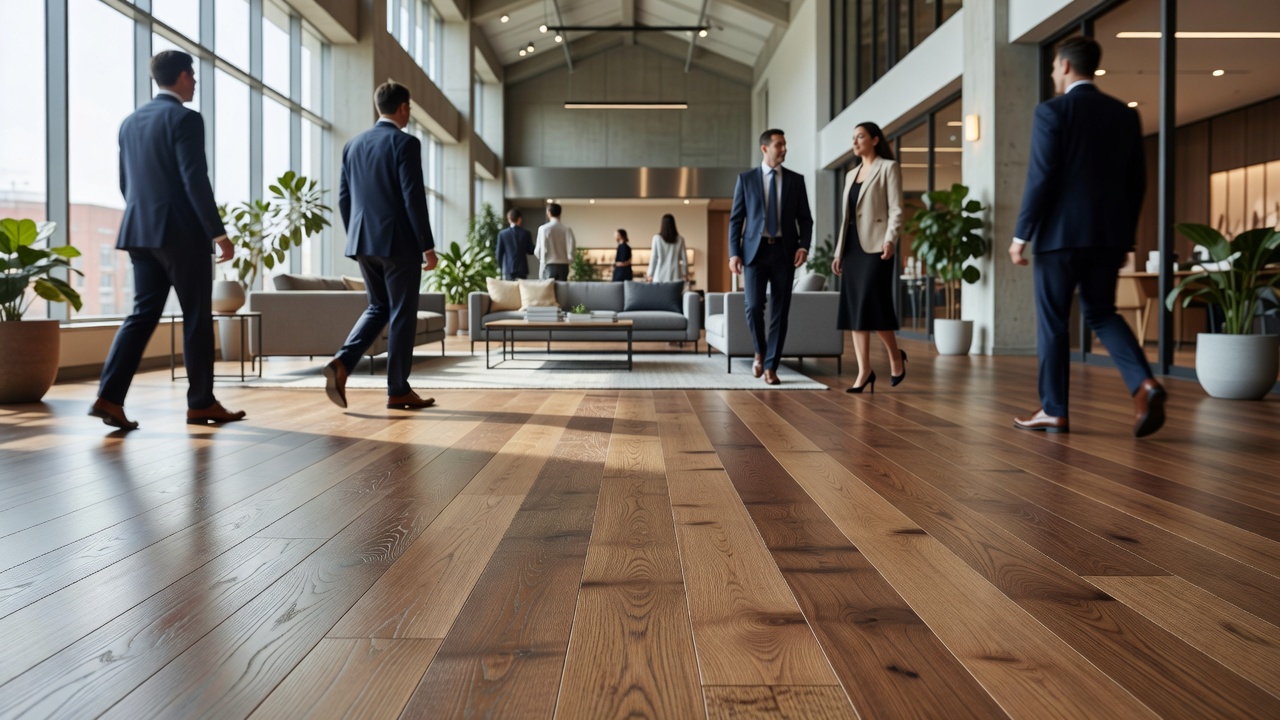 The most durable flooring for high-traffic areas is porcelain tile. After that, commercial-grade LVP with a real wear layer. Laminate only if you police the water like a hawk. That’s not a catalog ranking — that’s thirty years of dogs, strollers, grocery carts, and one family in Des Moines who treated their hallway like a loading dock.
Durability in flooring means the surface keeps doing its job under real traffic, scratches, dents, moisture, and cleaning without looking like hell or failing at the seams and edges. Lab ratings are fine until somebody drops a cast-iron skillet or the dishwasher leaks for a weekend. Then you find out what actually holds.
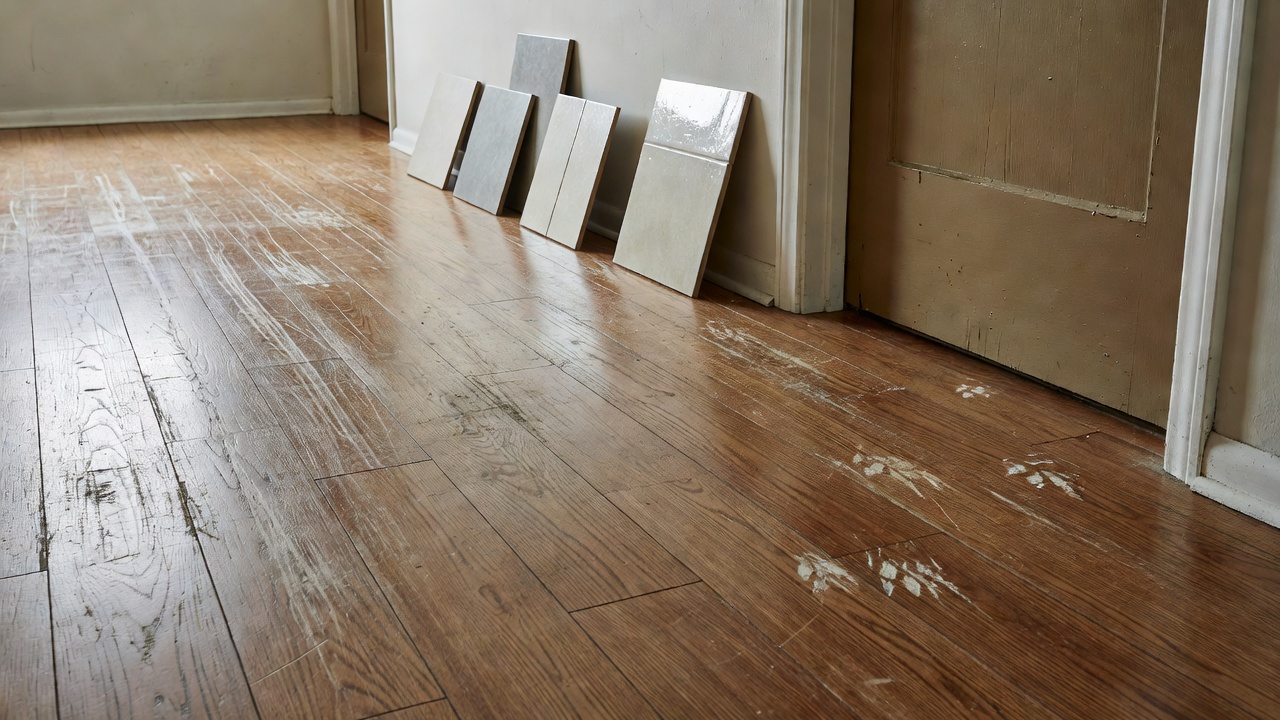
I was on my second cup of gas-station sludge off I-80 when the homeowner pointed at the “scratch-proof” vinyl they’d put in three years prior and asked why the path from the mudroom to the fridge looked like a cattle trail. Showroom looked perfect under those soft LEDs. House did not. Never trust a floor that looks fine in the showroom lighting.
What is the most durable type of flooring?
Porcelain tile. Full body if you can get it, rectified edges, PEI 4 or 5. It laughs at claws, chair legs, grit from the driveway, and the weekly mop-and-bucket assault most people call “cleaning.” I’ve pulled twenty-year-old porcelain out of rentals that still looked meaner than the day it went down. Grout is the weak link — dark epoxy or a good sealed sanded joint, and you’re done arguing with the floor.
LVP comes second when you buy it right. Wear layer thickness is the whole conversation. 20 mil and up for real traffic. Anything under 12 mil is apartment-flip material dressed up for a Pinterest board. I’ve seen 6 mil “luxury” vinyl turn cloudy and scratched in eighteen months under two kids and a lab. The core can be rigid as a 2x4 and it won’t save a thin film on top. [LINK: LVP wear layer thickness] is where people get sold a story instead of a product.
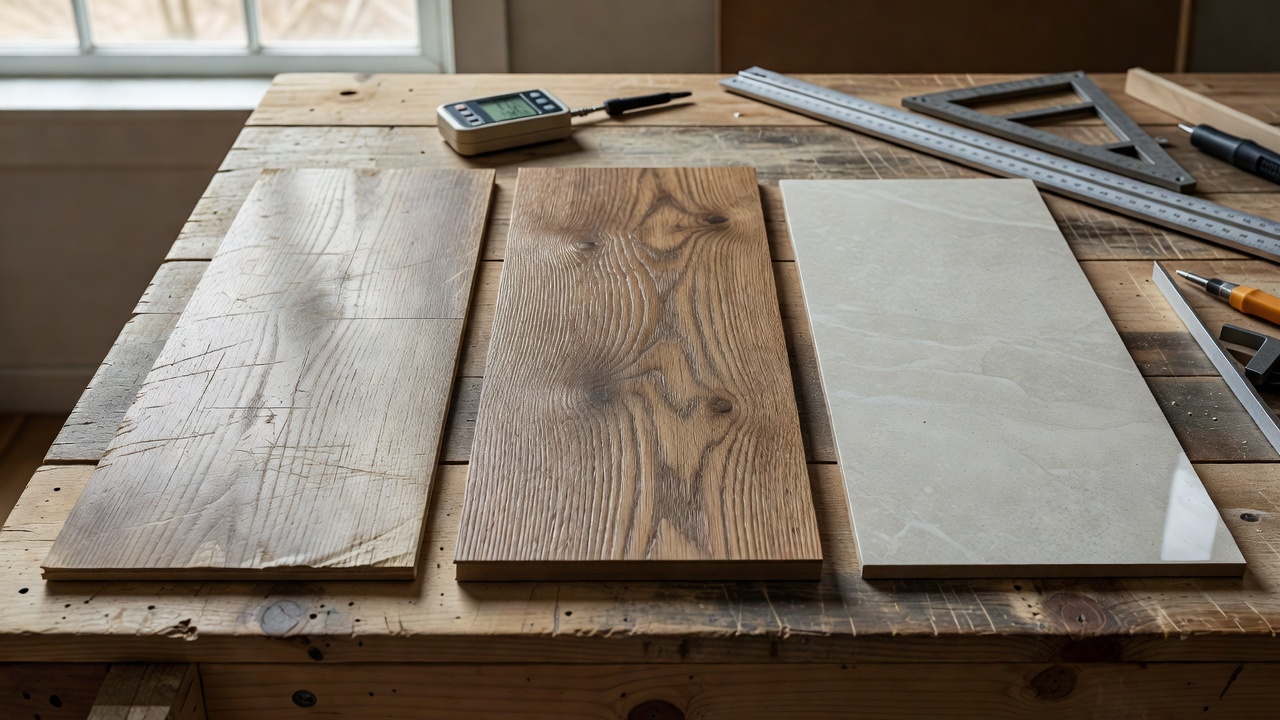
Laminate vs vinyl durability is simple once you’ve crawled enough of both. Laminate wins on surface hardness when it’s dry. It loses the second standing water finds a seam. Vinyl flexes, takes a dent better in some cases, and shrugs off spills if the locking system and underlayment are honest. Neither one is porcelain. People keep hoping the marketing will change physics. It won’t.
Engineered hardwood in high traffic is a conditional yes. Thick wear layer — 4 mm or better — factory finish that isn’t the thin UV junk, and you accept that you’re refinishing someday, not never. Solid hardwood in a main path with dogs is a maintenance contract, not a floor. I’ve installed plenty. I’ve also sanded the regret out of plenty more.
Is porcelain tile more durable than LVP?
Yes. In abrasion, impact from dropped tools, heat, UV, and pure years-of-abuse categories, porcelain wins. LVP wins on warmth underfoot, quieter walk, faster install over a decent subfloor, and the fact that you can replace a plank without a wet saw and a weekend of cursing. If the question is pure survival in a hallway that sees boots, pets, and rolling luggage, porcelain is the answer and LVP is the compromise that still beats most everything else when you spec it correctly.
What makes flooring durable is not the brochure PEI number or the AC rating alone. It’s the system: surface hardness, how the joints lock or get grouted, how the material handles moisture at the edges, and whether the thing underneath is flat, dry, and stable. Subfloor prep is 80% of the job and nobody wants to pay for it. They want the pretty face and a two-day turnaround. Then they call me when the planks telegraph every hump in the old plywood like a topographic map.
I moisture-test every slab and every wood subfloor that isn’t brand new and bone dry from a controlled build. Calcium chloride or in-situ probes, I don’t care which religion you follow as long as you do it. Skipped it once early in the career on a “dry-looking” basement slab in a ranch outside Cedar Rapids — seller swore the space never had water. We glued down a mid-grade vinyl plank the homeowner picked because it photographed like white oak. Six months later the whole north side cupped and the adhesive let go in waves. Turns out the sump had been cycling hard every spring and the vapor drive was eating the install from below. Tore it all out. Paid for the second round myself because I knew better and got lazy. That floor still lives in my head every time somebody waves a hand and says “it feels dry.” Test the concrete. Test the wood. Write the numbers down. Argue with the client when they don’t want to wait for mitigation. Or enjoy explaining why their “waterproof” floor turned into a trampoline.
How long does luxury vinyl plank last?
Good LVP in a real house with kids and pets — 15 to 25 years if the wear layer is 20 mil or thicker, the core stays dimensionally stable, and you don’t flood it from above or below. Cheap thin-film stuff is a five-to-eight-year product pretending otherwise. Warranties are written by lawyers who have never met a golden retriever. Read the exclusions. Light commercial ratings mean something. Residential-only labels on a busy kitchen are optimism.
Scratch resistance follows the same order: porcelain first, then high-wear LVP and quality laminate, then everything with a soft UV coat or a thin aluminum oxide layer that looked tough in a video. No floor is scratch-proof. Some just take longer to admit it. The fad right now is ultra-matte, wire-brushed everything that shows every grain of sand like a crime scene. Looks great in a staged empty room. Looks tired by Thanksgiving in a real house. Put a runner down or pick a surface that was designed to work, not just photograph.
Room by room without the fairy dust:
- Entry, mudroom, kitchen path, hall to the bathrooms — porcelain or 20+ mil rigid LVP over a flat, dry subfloor.
- Living areas with heavy furniture sliding — same, or engineered with a serious top layer if they insist on wood grain that can be refinished.
- Basements — LVP only after moisture numbers pass, or porcelain on a proper mud bed or uncoupling membrane if you want zero drama for decades.
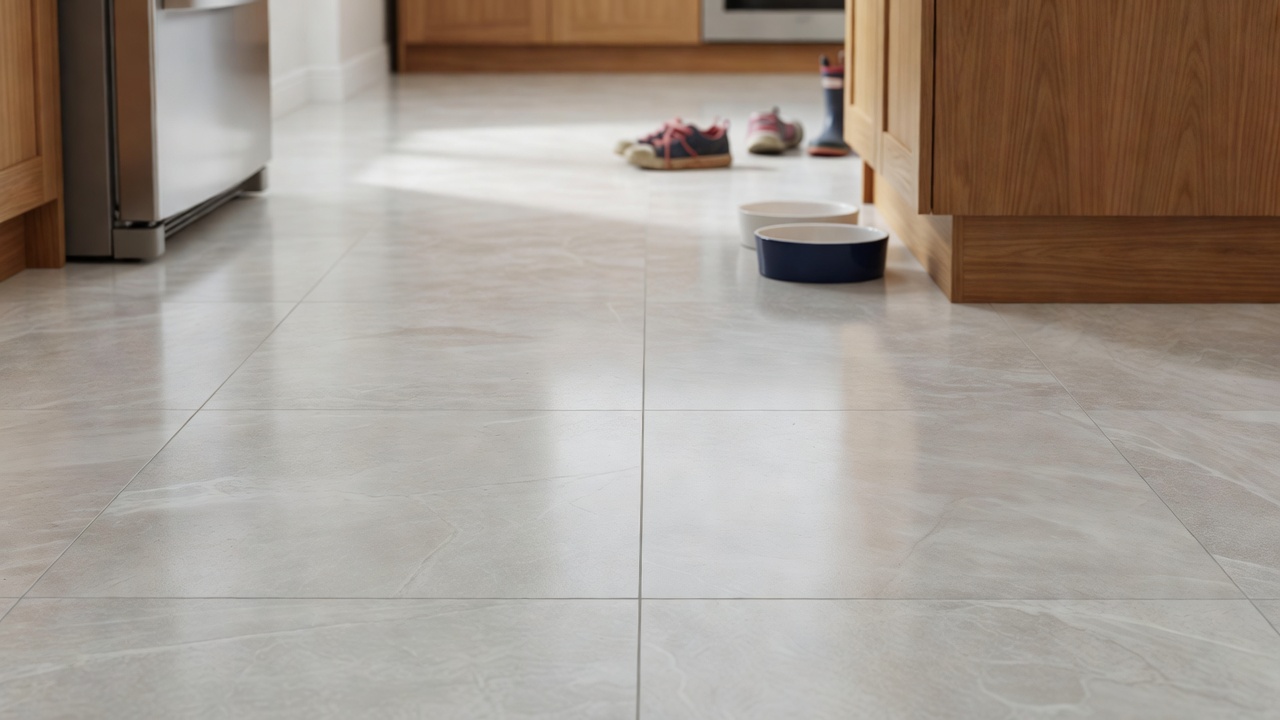
I’ve watched people spend more on the trendy wide-plank look with a paper-thin wear surface than they would have on a boring commercial tile that would’ve outlived the mortgage. Then they blame the dog. The dog is doing dog things. The floor was underspec’d.
If you’re comparing laminate vs vinyl durability for a rental or a house that sees actual life, vinyl with a thick wear layer and a rigid core is the safer bet around water. Laminate still has a place upstairs, dry, with felt pads on every chair and a household that wipes spills like it’s a religion. Most households are not that household.
FAQ
What is the most durable type of flooring?
Porcelain tile. It handles abrasion, impact, and years of traffic better than LVP, laminate, or hardwood in real houses. Spec PEI 4–5 and deal with the grout like an adult.
What is the most scratch-resistant flooring?
Porcelain, then commercial LVP with a 20 mil or greater wear layer. Nothing is immune to grit under a chair leg, but those two take the longest to show it.
How long does luxury vinyl plank last?
Fifteen to twenty-five years for quality product with a thick wear layer in a normal home. Thin cheap LVP is done in under a decade once kids and pets clock in.
Is porcelain tile more durable than LVP?
Yes for pure toughness and lifespan. LVP is warmer, quieter, and faster to install when the subfloor cooperates. Pick based on the room’s abuse level, not the Instagram filter.
Does engineered hardwood survive high traffic?
It can if the wear layer is thick enough to refinish and you accept maintenance. It will not match porcelain or heavy-wear LVP for no-drama survival under dogs and constant grit. [LINK: engineered hardwood high traffic] only makes sense when the client understands the trade.
Anyway. Call somebody before you rip anything out. Doesn’t have to be me. Should probably be me.