solid vs engineered hardwood prestige
Can Engineered Hardwood Fool Solid Wood Snobs?
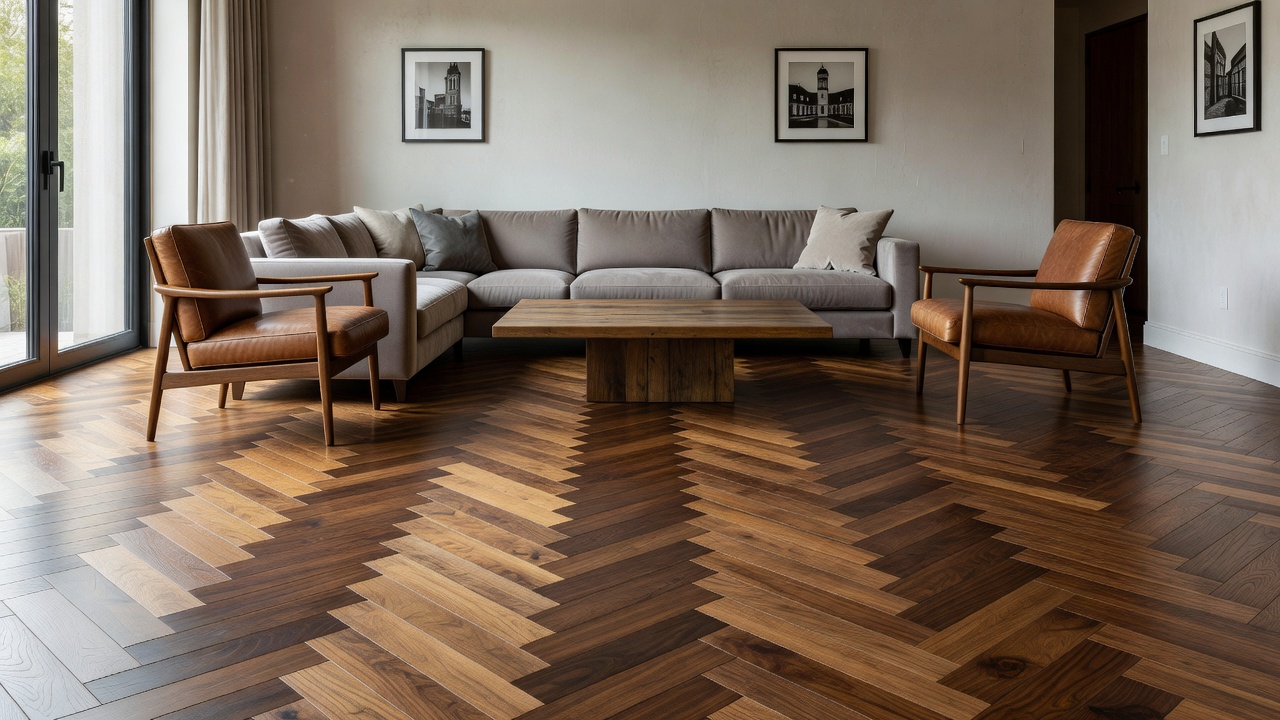 One does not simply walk onto a plank and declare lineage. One listens. After barefoot circuits through eleven flagship showrooms—three of them, if we are being tiresomely literal, the same big-box under different lighting—I can state the matter cleanly: yes, certain engineered hardwoods can fool solid wood snobs, provided the wear layer is a serious vintage (4 mm and above), the species is honest, and the snob in question is not mid-tantrum with a loupe. The rest of the category will betray itself by lunch. Engineered hardwood is a real-wood surface bonded to a multi-ply core for dimensional stability; it is not “fake wood,” and anyone still murmuring that phrase should be escorted gently from the tasting room.
What follows is not a brochure. It is a material hierarchy, ranked by sole.
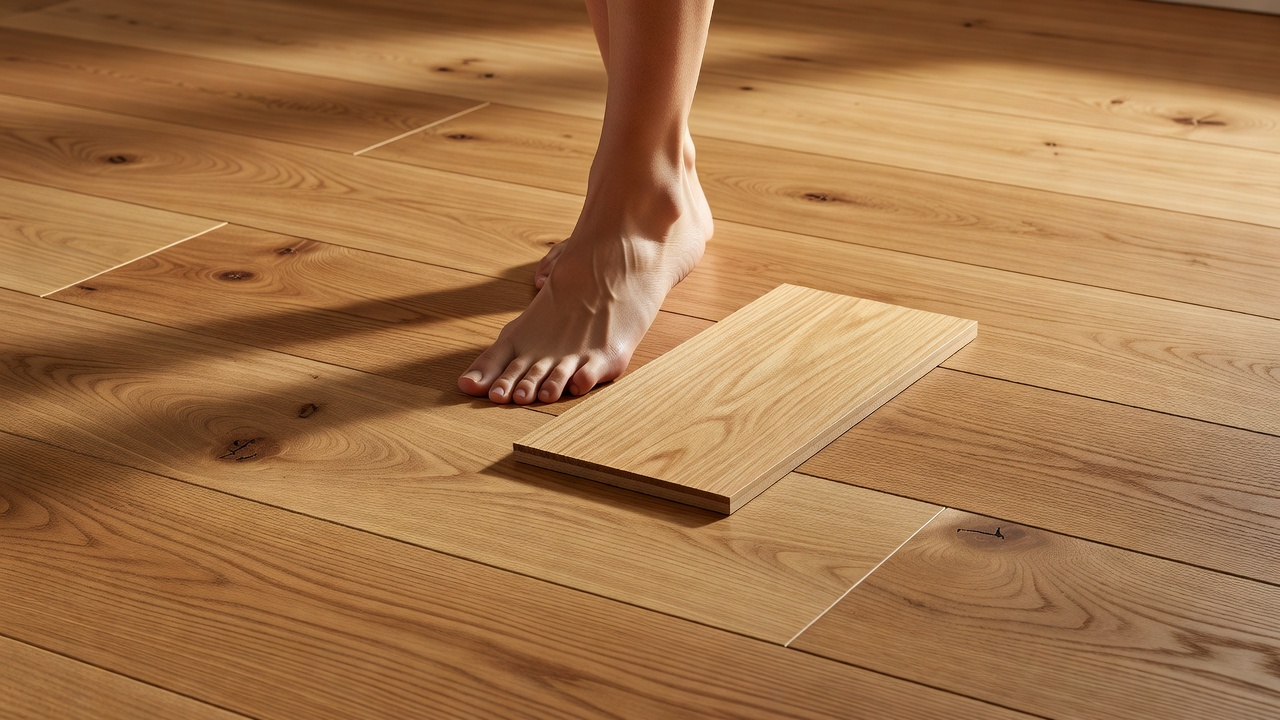
Can you tell the difference between solid and engineered hardwood?
Sometimes. And that single adverb is where entire dinner parties collapse.
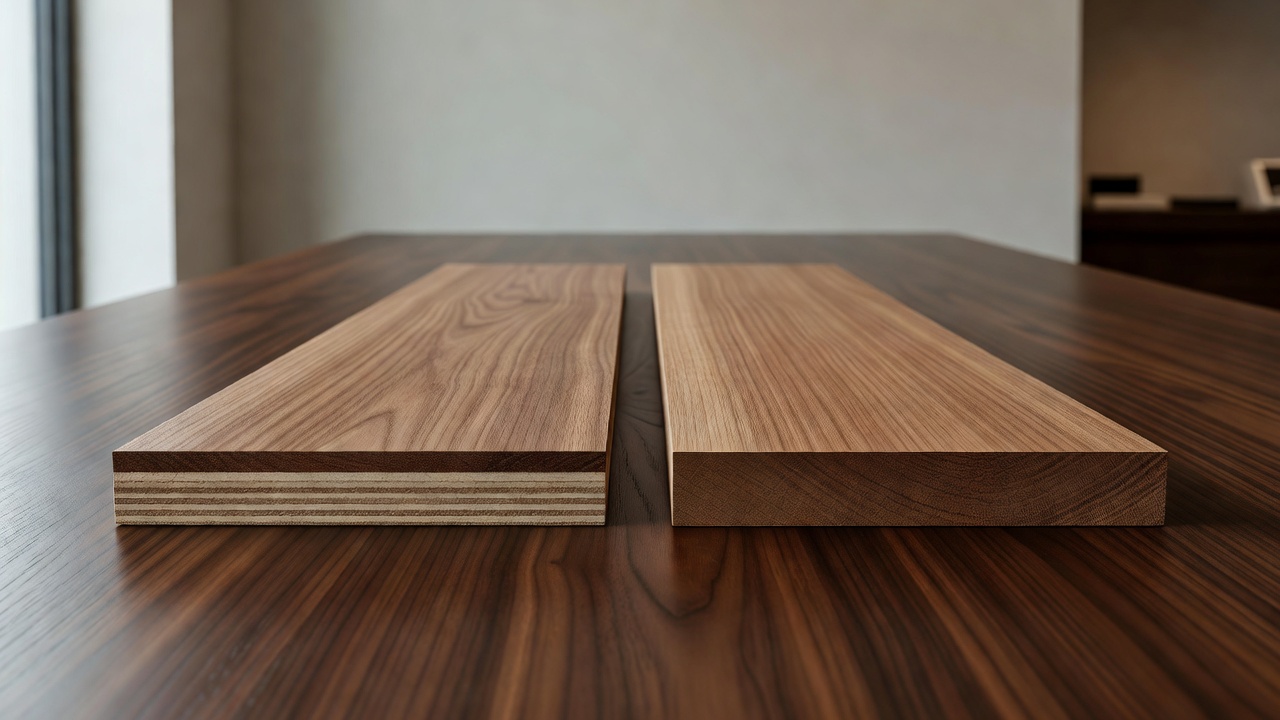
Solid hardwood is sawn from one continuous piece of timber—typically ¾ inch thick—so the grain runs true from face to tongue. Engineered hardwood wears a genuine hardwood veneer over plywood or high-density fiber layers. Under sock and under shoe, a thick-veneer engineered board of the same species can match solid for initial warmth, click, and visual drama. The tell arrives later: hollow-ish resonance over certain underlayments, a faintly more uniform “factory” rhythm in the grain when three rooms are laid end to end, and—cruelest of all—the edge profile when a board is lifted. I once spent forty minutes in a designer’s pied-à-terre insisting the floor was estate solid until the contractor, smiling like a man who bills hourly, flipped a scrap. Plywood stripes. I rated the evening 3.0 Insoles out of 10 and left before cheese.
Still, the untrained snob—and half the trained ones after two glasses—will not catch a 5–6 mm wear-layer oak installed well over a quiet underlayment. Prestige is partly theater. Showroom lighting flatters everyone.
Tasting notes: three wear-layer vintages
I swirled, I stepped, I judged.
On the nose (2 mm “house pour” engineered oak): faint notes of quiet ambition and UV-cured finish. Mid-palate thin. Finish short—one light sanding if you are lucky, then the core peeks like a bad toupee. 4.5 Insoles. Suitable for rentals and for people who say “wood-look” without irony.
On the palate (4 mm European oak, wire-brushed): toasted grain, credible weight under the arch, a lingering tannin of actual hardwood. Cross-ply core keeps it composed in humidity that would cup solid boards like sad canoes. 8.0 Insoles. This is the vintage that fools the room.
Vertical finish (6 mm+ “grand cru” engineered, same species as the solid comparison board): almost indecent. Heel strike reads solid-adjacent. Refinishing runway: two serious lives, possibly a careful third. 9.2 Insoles—deducted 0.8 because the solid purist in me still wants the full stick of timber underfoot, the way one wants a whole bird rather than a supreme.
For the structural comparison of cores, moisture behavior, and when to choose which, see my longer notes on [LINK: solid vs engineered hardwood]. I refuse to re-litigate basements here; engineered wins them, and we all know it.
Is engineered hardwood as good as solid hardwood?
Define good, darling.
If good means dimensional stability, wider planks without the drama, radiant-heat compatibility, and installation over concrete slabs without a séance, engineered is frequently better. If good means a hardwood material hierarchy crowned by infinite sanding and the ancestral swagger of a ¾-inch plank your grandchildren might ruin with roller skates, solid remains the head of the table.
Can you refinish engineered hardwood multiple times? Only as many times as the wear layer permits—full stop. A 2 mm veneer is a one-and-done affair, sometimes less if the previous owner “DIY’d” with a rental drum sander and vengeance. At 3–4 mm you may earn one proper refinish; at 5–6 mm, two, executed by someone who understands remaining veneer the way a sommelier understands residual sugar. Solid’s classic ¾-inch stock can take five to seven refinishes across a century if no one belt-sands into the tongue. That is the premium you are buying: time, not merely status.
Budget-conscious flooring content creators—Marnie, one assumes, among the throng—will chirp that “no one refinishes anymore.” Charming. They also settle for photography that makes every plank look like buttered toast. I have never once paid for a full-home install with my own card, and even I know refinishing math matters at resale.
Sound and feel separate the classes more than Instagram admits. Solid over joists can drum; engineered over a quality underlayment can hush. Neither is automatically “cheaper” in the soul. I have walked $14/sq ft engineered that embarrassed $8 solid, and the reverse. Price bands in the wild (2025–2026, before the installer weeps): solid hardwood commonly $8–$14 per square foot material for everyday species, engineered $6–$16 depending on wear-layer thickness and provenance. Labor waltzes in on top. The snob who buys thin veneer at thick-veneer prices is not a snob; he is a mark.
Does solid hardwood add more resale value than engineered?
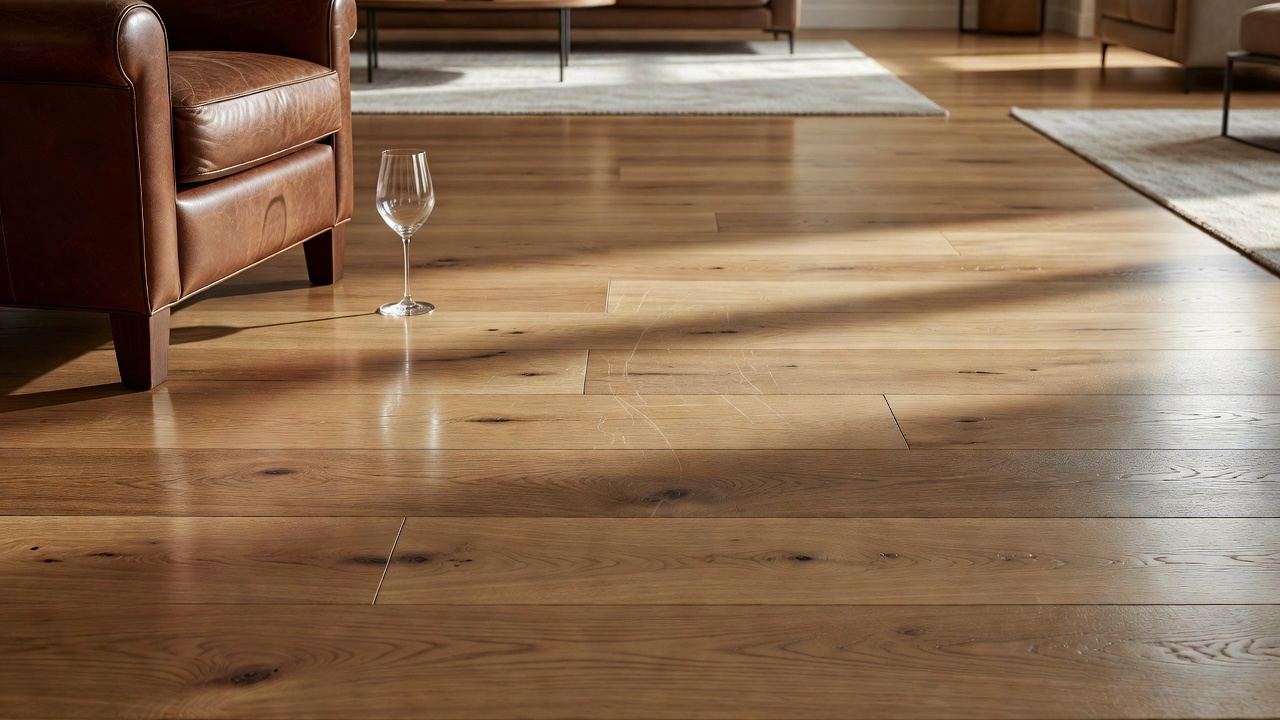
Modestly, in traditional luxury narratives—yes. Appraisers and certain buyers still award solid a prestige halo, especially in historic renovations and “forever home” listings where the phrase original hardwood does emotional labor. Engineered does not tank value when it is clearly premium, thick-veneered, and correctly installed; it simply rarely leads the brochure paragraph. In moisture-prone markets, condos, and modern wide-plank aesthetics, engineered’s practicality is the value story. The delta is real but smaller than cocktail-party lore suggests—think soft preference, not a tax lien.
Can engineered hardwood add resale value? Absolutely, relative to laminate, vinyl, or a floor that looks like it lost a fight with a Labrador. The hierarchy is not “solid or shame.” It is “honest material, correctly specified” versus everything else. For neighborhood-level buyer psychology and what actually photographs for listing day, I keep a running dossier under [LINK: does engineered hardwood add resale value].
Is solid hardwood worth the premium? When you own the structure, expect decades of refinishing, and require the particular thud of full-sawn timber—yes. When you have a slab, a basement, radiant heat, or a taste for 10-inch planks that stay flat in August—pay for engineered grand cru and stop apologizing.
I have staged both. The solid wood snob who kneels and sniffs is rare. The one who asks “is it real wood?” and accepts “yes, with a performance core” is the modern majority. Fooling the former entirely, forever, under all lighting, after a glass of something assertive? No engineered plank fully satisfies that creature. Fooling the market, the guest, and the slightly softer purist with a 4–6 mm wear layer of noble species? Routinely.
FAQ
Is engineered hardwood as good as solid hardwood?
For stability, wide planks, and tough sites, engineered often performs better; for maximum refinishing cycles and traditional prestige, solid still leads. “As good” depends on whether you are buying decades of sanding or a floor that stays flat. Both are real wood when the top layer is genuine hardwood.
Does solid hardwood add more resale value than engineered?
Often a modest prestige edge for solid in classic luxury listings, not a dramatic valuation cliff. Premium engineered rarely penalizes a sale; cheap thin-veneer product might. Buyers pay for condition, species, and installation quality before they pay for core philosophy.
Can you refinish engineered hardwood multiple times?
Only within the wear layer: thin veneers (about 2 mm) allow little or none; 4 mm may allow one solid refinish; 6 mm can allow two with a careful pro. Count millimeters, not marketing adjectives.
Can you tell the difference between solid and engineered hardwood?
Visually and underfoot, thick-wear-layer engineered in the same species is difficult to spot without an edge view, a sounding test, or a removed vent. Thin veneers and hollow installs announce themselves. Loupes and scrap piles end arguments.
Can engineered hardwood fool solid wood snobs?
The serious ones, only briefly or in favorable conditions; the social ones, yes—especially at 4 mm wear layer and above with honest oak, walnut, or hickory. Full, permanent conversion of a purist remains a fantasy best enjoyed with the shoes off.
So I pronounce: engineered hardwood of proper vintage can pass the material snobbery tests of feel, first impression, and even resale diplomacy—yet it will never dethrone solid in the private religion of the purist who wants the whole tree under the nail. The hierarchy stands; the theater continues; the barefoot jury remains hung.
I wrote the final line standing on a rather brave 3 mm oak in my rental, where the lease expressly forbids me from owning a drum sander. The boards, to their credit, did not laugh.