matte vs satin hardwood staging
Best Floor Sheen for Home Staging That Sells
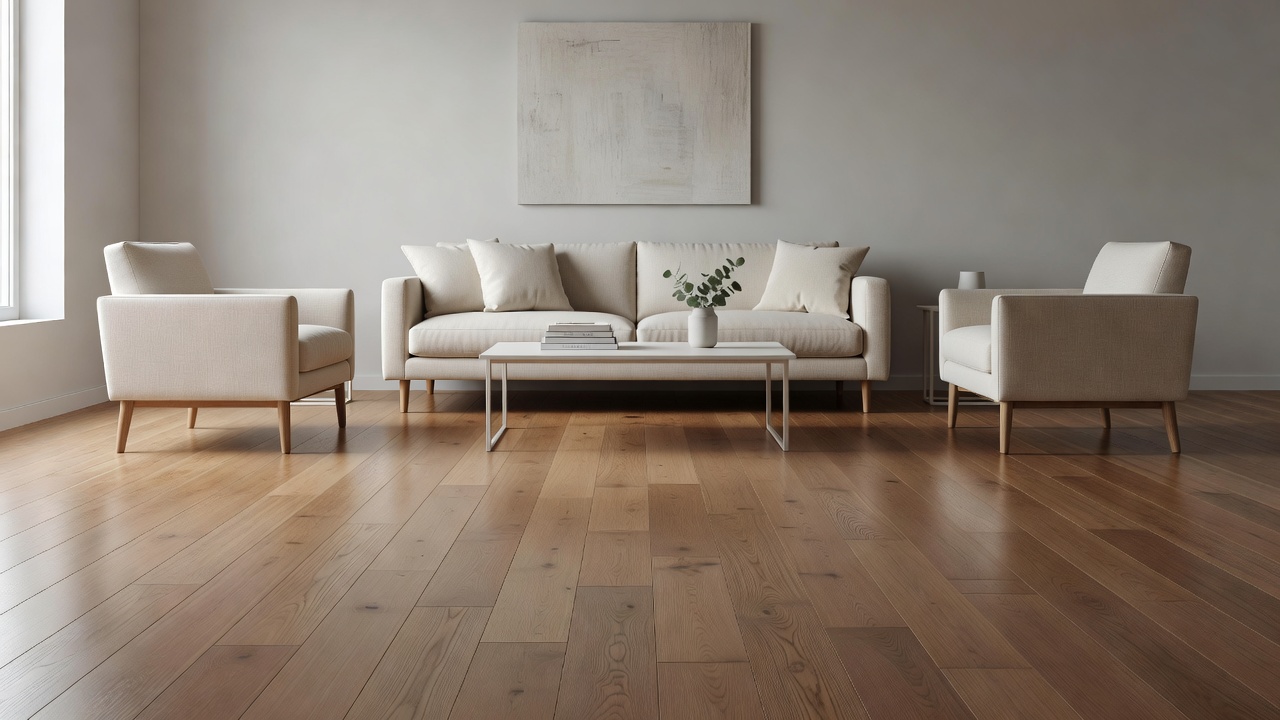 Late afternoon light is doing that expensive thing across the living room—honeyed, slow, catching the edge of a linen sofa like it was cast for the role. The coffee table is bare except for one ceramic bowl. A single branch in a tall vase. Everything is breathing. And then your eye drops, and the floor either holds the whole fantasy or shatters it with a hard, showroom wink.
The best floor sheen for home staging is matte or soft satin—low sheen, quiet, almost skin-like. It is the finish that lets a buyer walk in and immediately start living there in their head instead of squinting at glare or admiring someone else’s polish. High-gloss floors photograph like a yacht club; matte and satin photograph like a life. Floor sheen is simply the level of gloss or light reflectivity in a floor’s protective finish, ranging from dead-matte (nearly zero shine) through satin to semi-gloss and high-gloss mirror. For staging, the lower half of that spectrum is the entire emotional temperature of the house.
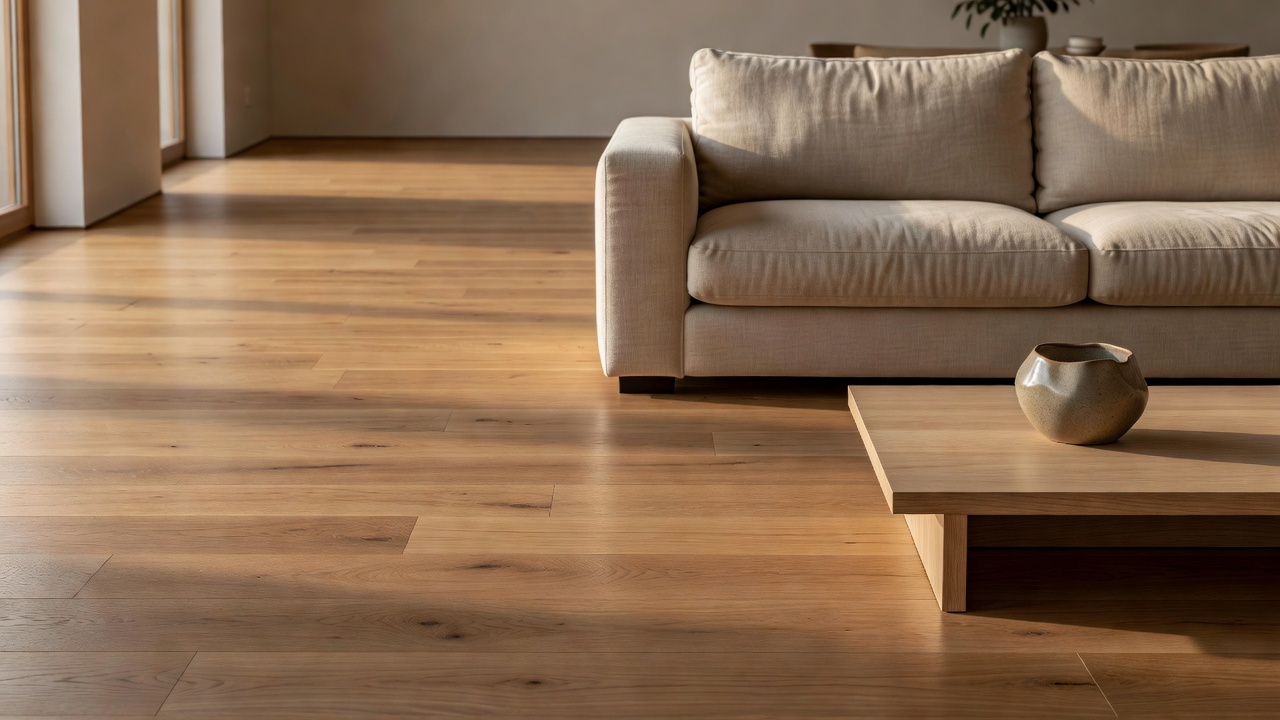
I have watched this play out in rooms that should have sold themselves. A perfectly styled pied-à-terre in a building everyone wanted—until the floors hit high-gloss and suddenly the space felt like a model unit no one was allowed to touch. Buyers circled. They did not linger. Gloss says look at me. Matte and satin say come closer. That difference is the whole staging game.
What is the best sheen for hardwood floors when staging?
Matte or satin. Full stop. Not the semi-gloss your contractor still reaches for because “it’s durable and cleans easy.” Not the mirror finish that made sense in 2004 when every kitchen wanted to look like a nightclub. Low sheen flooring to sell a home is the current quiet luxury—warm oak, greige, soft taupe, those lived-in naturals that 2025–2026 buyers are craving after the cool-gray years. I know, I know, grey floors, I know—let me have the memory and then let’s bury it.
Satin sits right at the sweet spot for most listings: just enough light return to feel finished and cared-for, not enough to create hot spots under every can light or window. Matte goes further—almost powdery, deeply photographic, devastatingly good at hiding the little scuffs and previous-owner stories that high sheen turns into neon arrows. When I stage, I am not trying to make the floor the star. I am trying to make the floor the supporting actor who never upstages the lead: the buyer’s future Sunday morning.
The install people will tell you I’m being precious. They will say satin is fine, matte shows every footprint, high-gloss “pops.” And yes—fine—matte can demand a slightly more careful lifestyle if someone actually lives there long-term. But we are not living there. We are selling a mood for seventy-two hours of open houses and online scroll. In that window, low sheen wins.
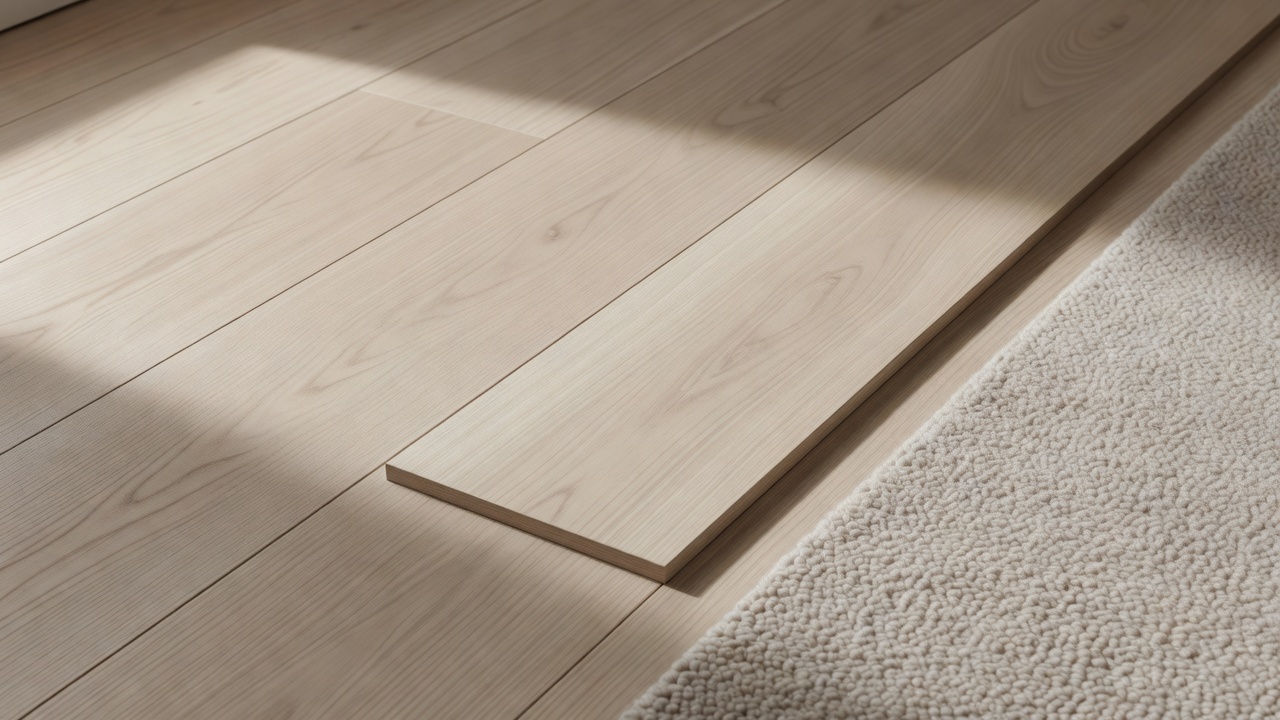
Matte or satin finish better for home staging?
Both work. The choice is mood board, not morality. Matte is the deeper inhale—editorial, gallery, quiet wealth, European rental that somehow still feels like home. Satin is the soft exhale—approachable, freshly refinished, “we took care of this place and you can too.” I reach for matte when the architecture is already strong and the furniture is doing the heavy lifting. I reach for satin when the floors need a whisper of polish to reassure buyers that the house has been maintained without tipping into lacquered showpiece.
Here is the mood board in words I keep taped inside my staging binder:
- warm honeyed oak that looks like late sun on skin
- soft greige with the faintest taupe undertone
- powder-matte that drinks the light instead of throwing it back
- satin that feels like good cashmere, not patent leather
- continuous runs that let the eye travel without interruption
- the quiet confidence of a floor that does not need to announce itself
That last one is everything. High gloss announces. Low sheen invites projection. And projection is how houses sell fast.
Should I refinish my hardwood floors before selling?
Yes—if they look tired, orange, scratched into a map of the last decade, or finished in a sheen that fights the light. Refinishing is one of the highest-ROI moves a seller can make; the numbers still hover around or above 100 percent return in strong markets when the work is done well and the color/sheen land in the current sweet spot. You do not need new floors. You need floors that feel current and calm. A [LINK: hardwood refinishing guide] that walks through stain and sheen choices will save you from the contractor default of “whatever we did last year.” Pair the right low sheen with a warm neutral and suddenly the whole house photographs three years newer. Rugs can hide sins in a pinch, but they cannot rewrite the emotional temperature the way a proper refinish can. For more on how continuous flooring and finish work together, see our notes on [LINK: flooring finish tips for sellers].
Does flooring really affect how quickly a home sells? Of course it does. Not because buyers walk in with a sheen checklist, but because the floor is the largest unbroken surface in every room. It sets the baseline for whether the space feels soft or hard, lived-in or staged-to-death, possible or performative. I have seen listings sit through three price cuts with glossy floors and then move in nine days after a satin refinish and a quieter palette. Correlation is not always causation, but in staging the floor is never neutral.
One client cried—actually cried—when we finished the herringbone in a soft matte. Not because it was perfect. Because for the first time the house felt like the life she had been trying to sell. I still think about that afternoon when I get precious about finish levels. The sparkle is real, but the reason underneath it is simpler: people buy the feeling that they already belong.
FAQ
What is the best sheen for hardwood floors when staging?
Matte or soft satin. These low-sheen finishes create a calm, lived-in mood that helps buyers project their own lives onto the space instead of noticing glare or a showroom polish.
Matte or satin finish better for home staging?
Both outperform high-gloss. Choose matte for a quieter, more editorial feeling and satin when you want a gentle sense of care and subtle light return without hot spots.
Should I refinish my hardwood floors before selling?
Yes if the current finish is worn, overly orange, heavily scratched, or high-gloss. A well-executed refinish in a warm neutral and low sheen often returns its full cost or more by speeding the sale and supporting stronger offers.
Does flooring really affect how quickly a home sells?
Yes. Floors are the largest visual surface in a home; low-sheen, continuous, warm-toned finishes make spaces photograph better and feel more inviting, which shortens time on market.
Is engineered hardwood worth refinishing for staging?
Many quality engineered floors can take one careful refinish; confirm wear-layer thickness first. If the layer is too thin, a premium low-sheen LVP in a matching warm tone can achieve a similar mood without full replacement.
The light is still moving across that living room. The sofa is still waiting. The floor—if you get the sheen right—does not shout. It simply holds the quiet so the buyer can finally hear themselves saying yes, this one. What’s the one room in your house that still doesn’t feel like the life you’re trying to sell?