Laminate Flooring AC Rating Explained: What It Means
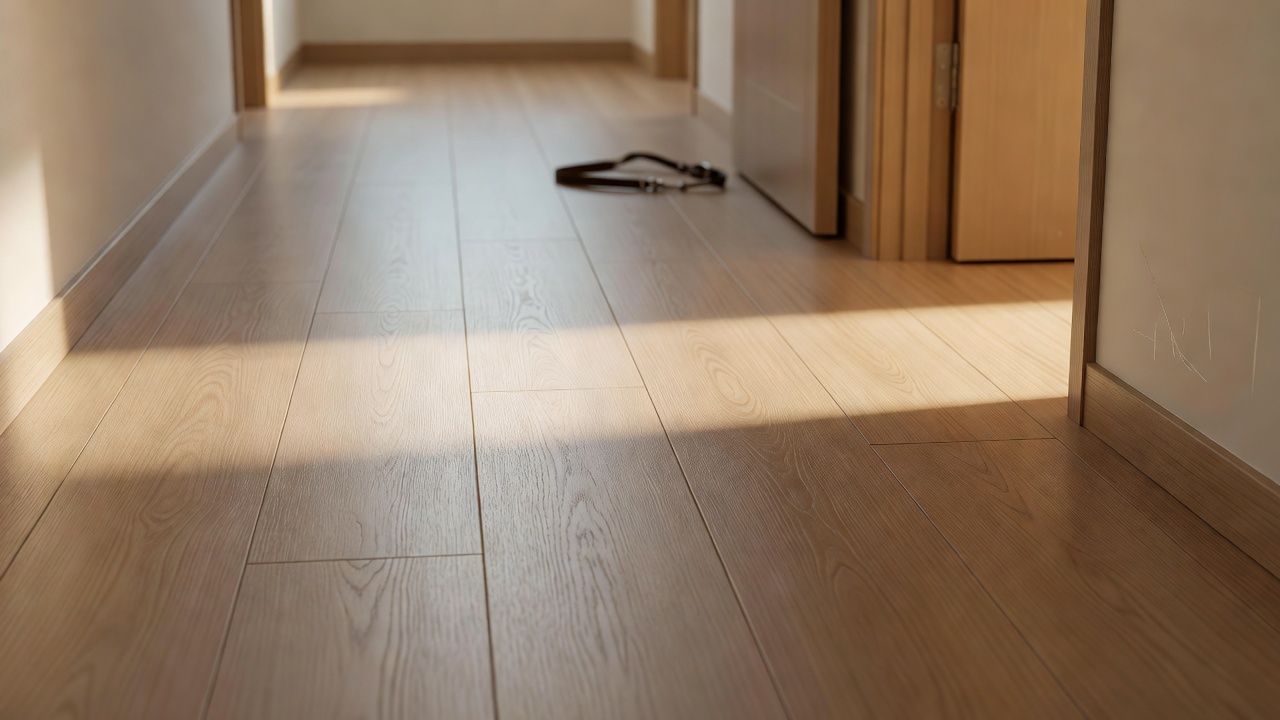
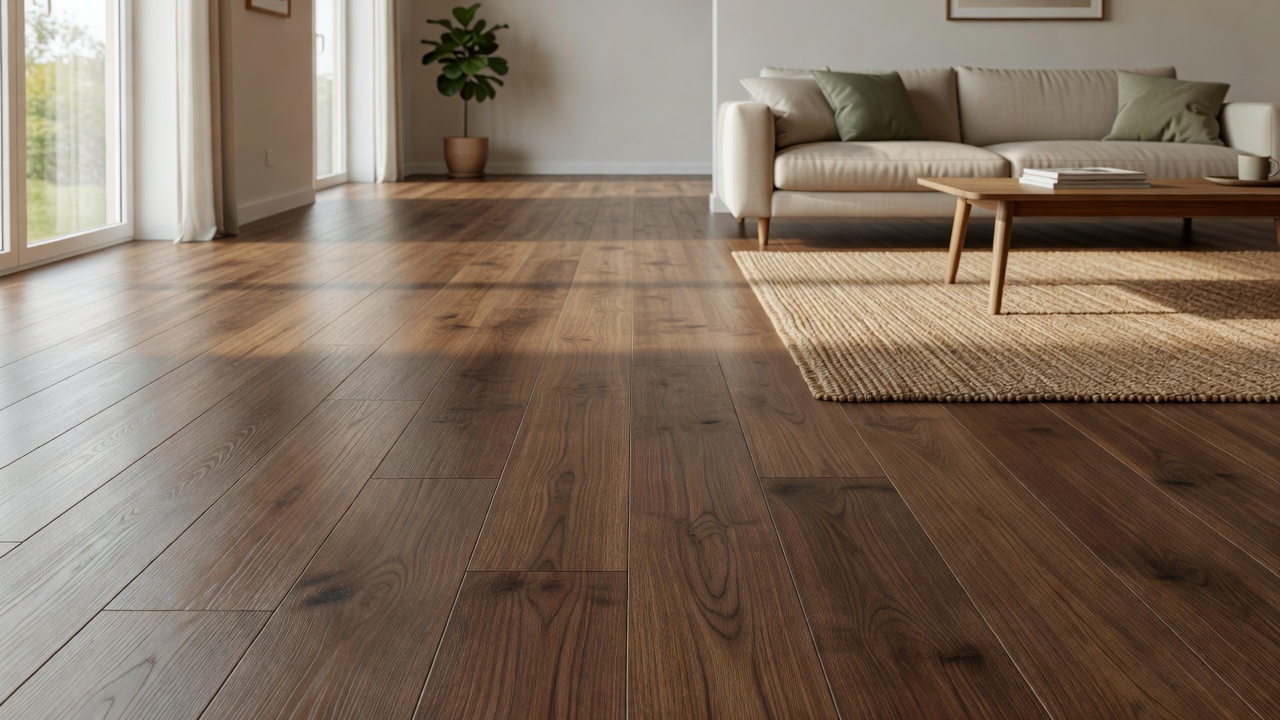 Last Tuesday my neighbor’s labrador skidded across her hallway like a furry Zamboni and left a dull patch right where the afternoon sun hits. She texted me a photo and three question marks. I texted back something unhelpful about aluminum oxide and then, because I cannot help myself, opened a standards PDF. The short version: the laminate flooring AC rating is a standardized abrasion-class score (AC1 through AC6 under EN 13329) that tells you how long the decorative surface will survive foot traffic, grit, and claws before the printed design starts to wear through. It is not a waterproofing grade, a core-density grade, or a thickness brag. It is a wear-layer durability forecast dressed up as a two-character code—and once you know how the lab generates it, the box label stops feeling like marketing fog.
What does the AC rating mean on laminate flooring?
AC stands for Abrasion Class. Under the European standard EN 13329 (the one almost every reputable laminate maker cites, whether the box is sold in Berlin or Boise), manufacturers run planks through a controlled abuse ritual called the Taber test. A machine lowers weighted abrasive wheels onto the surface and spins. Lab techs count revolutions until a defined amount of the printed décor layer is gone. More revolutions before failure → higher AC class.
Here is the scale in plain English, which is the version I wish lived on every store shelf:
- AC1 — light residential, bedrooms you barely enter
- AC2 — general residential, moderate foot traffic
- AC3 — heavy residential / light commercial (most family homes land here)
- AC4 — general commercial / very busy homes
- AC5 — heavy commercial
- AC6 — very heavy commercial (think airport corridors, if someone is still installing laminate there)
So when someone asks what is AC rating laminate, the honest answer is: it is a lab-derived abrasion class flooring score that predicts surface wear under the EN 13329 standard, not a vibe check on “premium.”
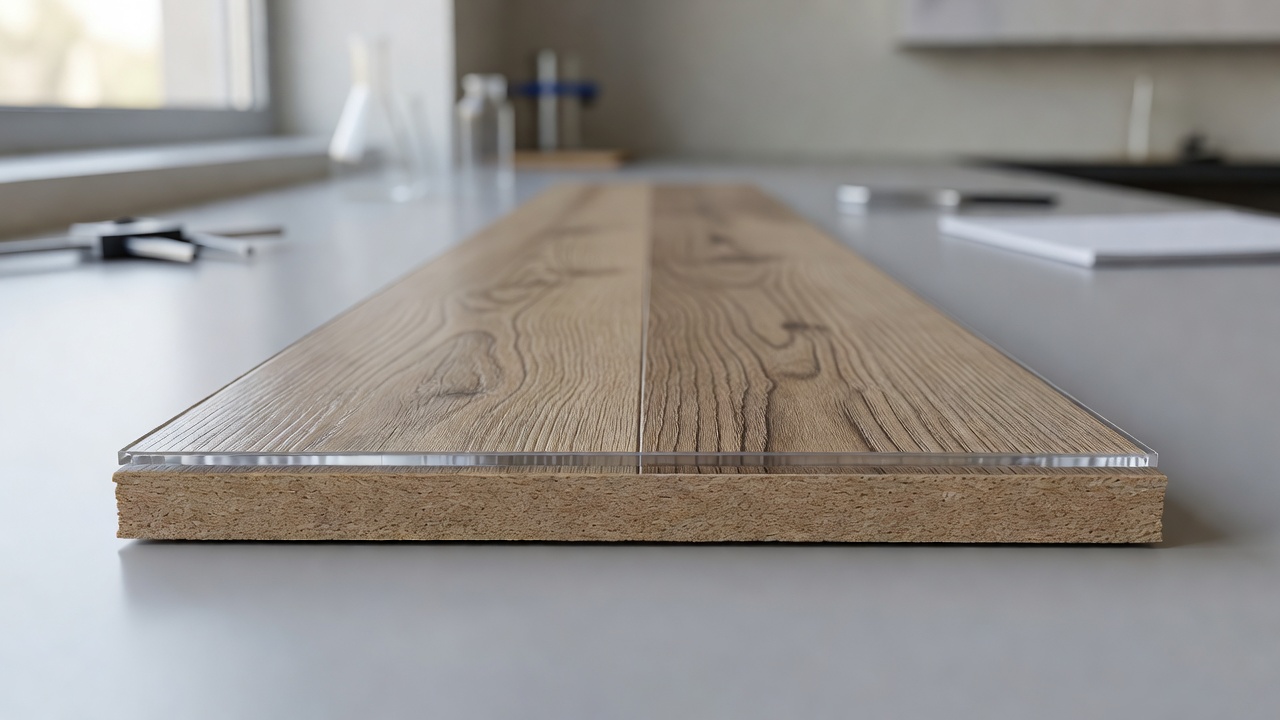
The hero of that surface is usually a thin clear coat loaded with aluminum-oxide particles—tiny, extremely hard grit suspended in a cured resin. Those particles take the hit so the printed wood grain underneath does not. Higher AC products typically pack more oxide, a tougher resin matrix, or both. That is why an AC4 plank can look identical to an AC3 plank from six feet away and still outlast it when kids, chairs, and silica tracked in from the sidewalk start their long campaign.
Okay, this is the part where I get a little too into it—feel free to skim. What is actually happening in the wear layer, step by step:
- Grit arrives. Sand, crushed sidewalk dust, pet dander with mineral hitchhikers. These are harder than the resin binder.
- Micro-cutting begins. Each footstep drags particles across the surface like miniature chisels.
- Oxide takes the load. Aluminum-oxide grains (Mohs hardness around 9; diamond is 10, your keys are not) absorb abrasion so the décor paper stays intact.
- Binder slowly erodes. Eventually enough resin and oxide flake away that the printed layer winks through—first as a dull halo, then as a bald spot.
- The Taber number was a preview. The test compresses years of that micro-cutting into a repeatable spin cycle so you can compare products without waiting a decade.
Isn’t that wild? Your floor is basically losing a very slow wrestling match with dirt, and the AC rating is the referee’s estimate of round count.
What AC rating do I need for a house with dogs?
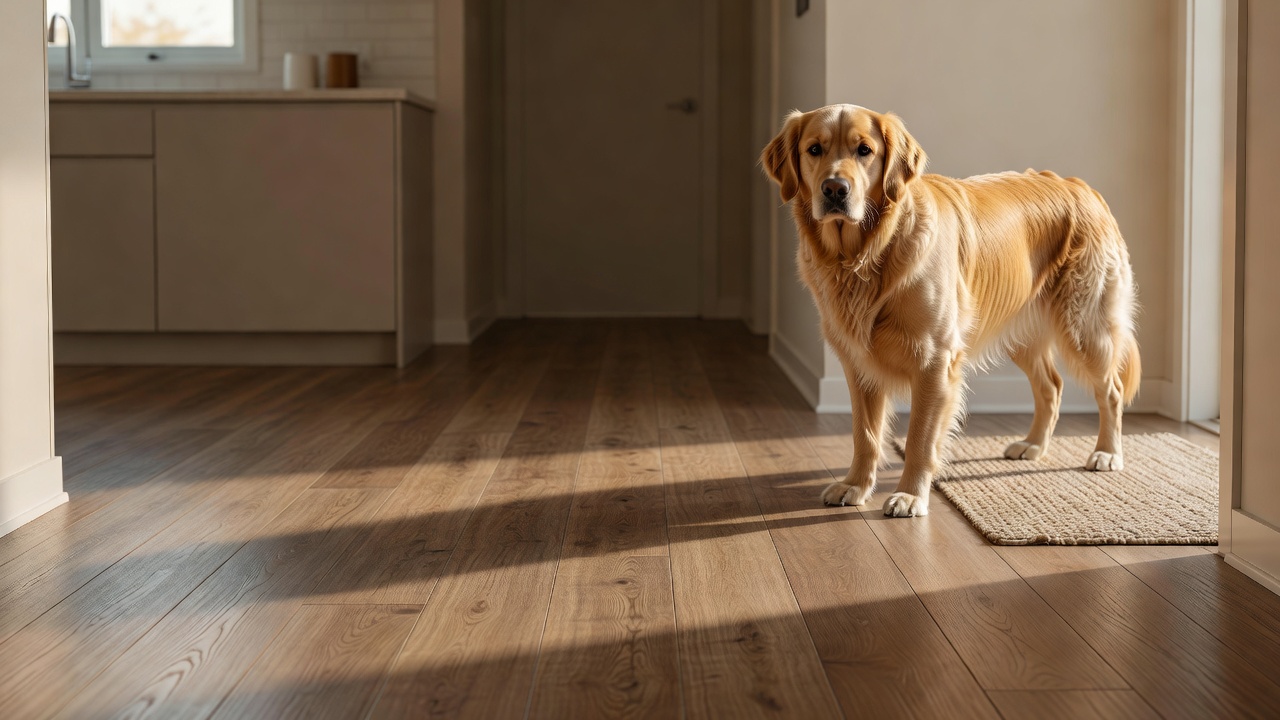
Dogs are excellent abrasion machines. Nails concentrate force onto tiny contact patches; the sprint-stop-spin choreography at the back door is basically a free Taber test you did not order. For a house with dogs, I treat AC4 as the comfortable default for halls, kitchens, mudrooms, and living areas. AC3 can work in lower-traffic bedrooms if the dog is more “occasional visitor” than “patrol officer,” but busy main floors with active pets push many AC3 floors into visible wear faster than the warranty brochure implies.
Room-by-room, the forecast looks like this:
- Bedrooms, formal dining you rarely use → AC3 is usually enough
- Living rooms, hallways, stairs, kitchens → AC3 minimum; AC4 if kids, dogs, or constant hosting
- Home offices with rolling chairs → AC4, and use a chair mat anyway (casters are rude)
- Light commercial or open-plan chaos → AC4 or AC5
AC3 vs AC4 laminate is the comparison people actually shop. AC4 is not automatically “twice as good,” but it is built to survive a higher revolution count on the Taber wheels, which maps reasonably well to busy residential life. If you already own dogs and are replacing a foggy, whitish high-traffic path, that path is your real-world Taber result—listen to it.
Pair the rating with sane habits: walk-off mats, nail trims, felt pads on chairs. The wear layer is tough; it is not supernatural. For broader durability choices beyond abrasion class, it is worth reading how [LINK: laminate wear layer thickness] and underlayment choices change the feel underfoot even when the AC number stays the same.
Is a higher AC rating always better?
No. Higher is better for abrasion resistance—and only for that. An AC5 plank in a guest bedroom is overspec, like wearing hiking boots to answer email. You paid for commercial traffic survival you will not use, and you may have traded away other things you do care about: a quieter underlayment package, a more convincing décor print, better water-resistant edges, or simply a lower price.
Also—and this is the sentence retailers sometimes bury—AC measures the surface wear layer. It does not grade:
- the HDF (high-density fiberboard) core’s swell resistance
- click-joint geometry or locking strength
- fade resistance under UV
- indentation from stiletto heels or furniture legs
- how the floor sounds when you drop a spoon
I have seen gorgeous AC3 floors still perfect after eight careful years and sad AC5 floors cupped along a dishwasher leak in eight careful months. Abrasion class flooring scores are necessary; they are not sufficient. If you are comparing boxes, match AC to traffic, then interrogate moisture claims, core quality, and installation method separately. A useful companion rabbit hole is [LINK: waterproof vs water-resistant laminate] so you do not accidentally treat an abrasion number like a submarine rating.
Does a higher AC rating mean the laminate is waterproof?
No. Waterproofing (or, more honestly, water resistance) lives in the core material, edge sealing, and surface film chemistry—not in how many Taber revolutions the décor survives. You can have an AC5 commercial laminate that swells if a dog bowl sits overnight, and an AC4 “water-resistant” residential line with waxed edges and a denser core that shrugs off the same spill. The EN 13329 abrasion protocol does not spray the sample or soak the seams. Different test, different property, different failure mode.
If spills are your actual villain, read the moisture section of the spec sheet, not just the big AC badge on the front of the box.
A quick word on how wear layers actually fail at home
In the lab, failure is a clean threshold on a spinning disc. At home it is uneven. Traffic lanes bleach in appearance first (micro-scratches scatter light—your floor looks cloudy before it looks “worn through”). Grit acts like sandpaper under felt pads you forgot to replace. Kitchen chairs that rock on one leg engrave little arcs. None of this means the standard is useless; it means the Taber test laminate number is a comparative tool. Same household conditions, higher AC → longer until those ghosts appear. Different household, all bets need context.
I still love the standard. EN 13329 gave consumers a shared language so “heavy duty” stopped meaning whatever the brochure’s adjective budget allowed that quarter. That is materials science doing a public service, even if the public service arrives as a cryptic AC4 stamp.
FAQ
What does the AC rating mean on laminate flooring?
The laminate flooring AC rating is an Abrasion Class (AC1–AC6) from the EN 13329 standard that scores how well the surface wear layer resists being scrubbed away by grit and traffic. It comes from Taber abrasion testing, where abrasive wheels grind the plank until the décor layer shows defined wear. It does not rate water resistance, sound, or core strength—only surface durability.
What AC rating do I need for a house with dogs?
Most homes with dogs do best with AC4 in halls, kitchens, and living areas, and can use AC3 in low-traffic bedrooms. Dog nails and sprint traffic accelerate abrasion, so the extra revolutions built into AC4 are practical insurance rather than luxury. Mats at doors and routine nail trims still matter; the rating is not a force field.
Is a higher AC rating always better?
Higher is better only when you need more abrasion resistance. Overspeccing AC5 or AC6 in a quiet bedroom wastes money and may sideline other features you value more. Match the class to real traffic, then compare core quality, moisture performance, and warranty terms on their own merits.
Does a higher AC rating mean the laminate is waterproof?
No. AC ratings ignore soaking, seam swell, and edge failure. Waterproof or water-resistant behavior depends on core formulation, coatings, and joint design, which are tested separately from the Taber abrasion protocol.
What is the best AC rating for home use?
For a typical household, AC3 is the baseline and AC4 is the sweet spot for busy main floors, pets, and kids. AC5 and AC6 are usually commercial overkill unless your “home” hosts constant public traffic. Buy the class that matches how the room is actually used, not the highest number on the shelf.
I keep a scrap of failed wear layer in a little dish on my desk—the oxide particles catch the light like frost. Next time you notice a dull lane by your own back door, you will know you are watching aluminum oxide slowly lose a fair fight with the outside world. That is not a defect in the universe. That is a material doing its job until it cannot, on a schedule a lab tried very hard to predict. If you want to geek out further on how the rest of the plank is built, the core and the click joints deserve their own afternoon under the microscope—and I am, regrettably, always available for that.