flooring first impressions buyers
How Flooring Affects Buyer Psychology for Resale
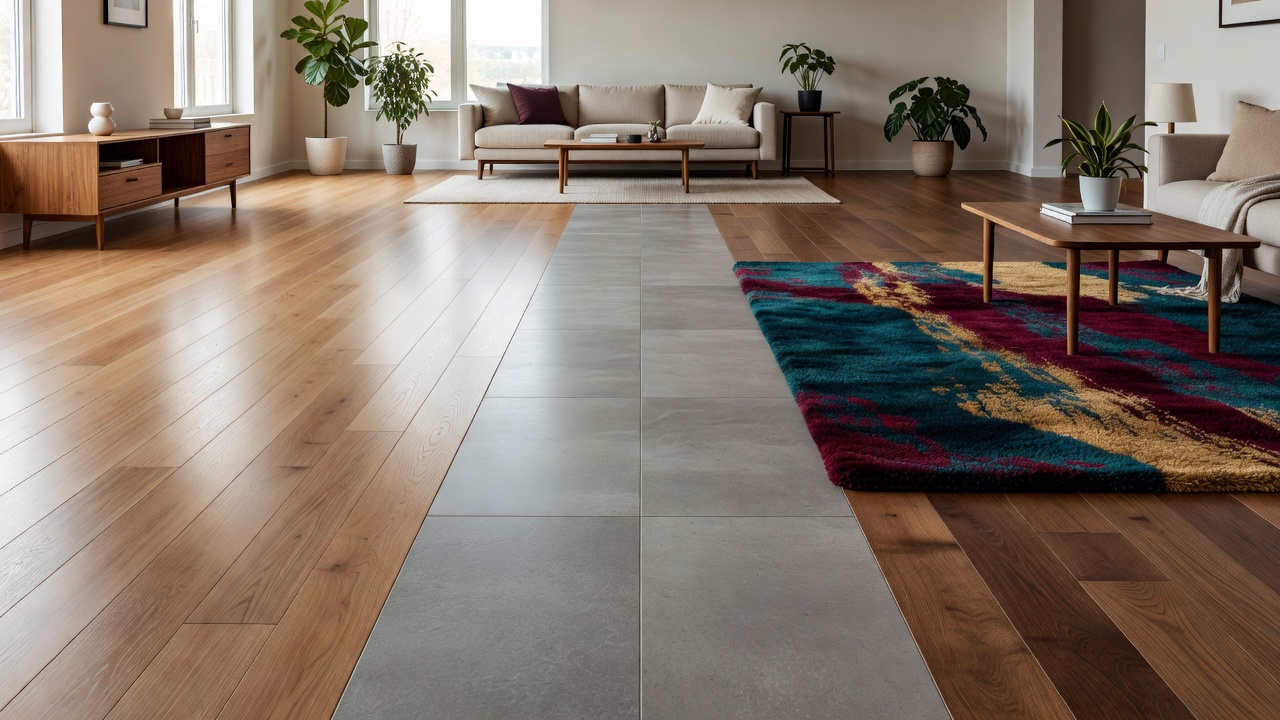 The Henderson listing sat for 47 days with three lowballs and a lot of polite “we’ll think about it.” Same three-bed ranch, same updated kitchen, same decent yard. Difference: the living room still had the original beige carpet with a traffic path you could map from the front door to the fridge. We pulled it, put down mid-tone LVP for about $3,800, relisted, and got two offers in nine days—the winning one $11,500 over the prior high. That’s how flooring affects buyer psychology in plain numbers: floors are the first maintenance report card buyers read with their eyes and feet, and a bad grade makes them cut the offer before they ever open a cabinet.
Flooring buyer psychology is the set of snap judgments buyers make—usually in under ten seconds—about a home’s overall condition, cleanliness, and future repair bill based on what they see, hear, and feel underfoot.
I don’t care that you loved that carpet in 2009. Buyers don’t either.
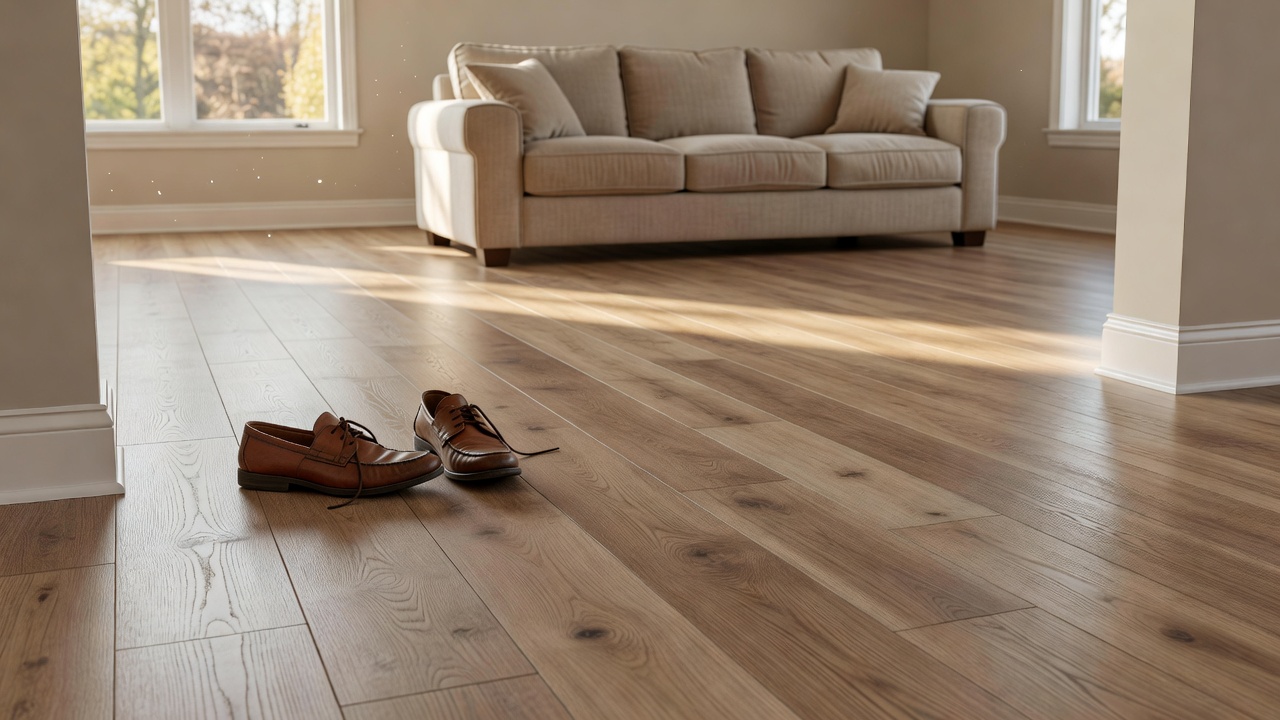
How important is flooring when selling a house?
More important than your paint color. Less important than a leaking roof. Right in the band where emotion meets the calculator.
Buyers walk in looking down. Not because they’re rude—because floors are the largest continuous surface in the room and the only one they interact with physically. Soft, stained, or squeaky floors don’t just look tired. They sound tired. That acoustic cue plus the visual path of wear equals one mental shortcut: “If they let the floors go, what else did they ignore?”
I’ve watched couples freeze in an entry, glance at each other, and start subtracting before they hit the kitchen. They almost never say “we hate the floors.” They say “this place needs a lot of work,” then lowball by $15,000–$25,000 on a house that needed a $4,000 floor fix.
Gorgeous doesn’t always mean it appraises. I wish it did. Trend-forward chevron in a color that photographs like a design magazine can still spook half the buyer pool and leave the appraiser unmoved. Neutral and light-to-medium tones are what move in 2025–2026. Save the statement floor for the house you’re keeping.
Room order matters. Entry and main living areas first. That’s where the gut call happens. Primary suite second. Hall baths and secondary bedrooms can wait longer unless they’re genuinely offensive. Kitchen and main bath floors get judged hard because buyers already budget those rooms as expensive—if the floor looks wrong, the whole “kitchen remodel” number balloons in their head.
For a deeper breakdown of which rooms punch above their weight when you stage, see [LINK: room-by-room staging priorities for resale].
Does new flooring increase home value?
Sometimes. Not always the way Instagram thinks.
Refinished hardwood still prints money when the boards are salvageable. Industry ROI figures I actually see line up close to the old chestnuts: hardwood refinish often lands near ~147%, new hardwood around ~118%, and quality LVP in the 70–85% range depending on market and install quality. Those aren’t magic. They’re buyer-perception multipliers. A clean, continuous floor reduces the “future project” tax buyers apply to your list price.
New flooring increases offer quality more reliably than pure appraised value. Appraisers use comps. Buyers use feelings, then reverse-engineer a number. Move-in-ready floors shorten days on market. Shorter DOM means fewer price cuts and less “what’s wrong with it” chatter. On a mid-range suburban listing, I’ve watched floor work turn a stale 60-day sit into a multiple-offer weekend without changing a single other finish.
Cost-inflation bias is the silent killer. A buyer who sees damaged carpet or peeling vinyl doesn’t price a realistic replacement. They price a nightmare. They assume hardwood under there is ruined, or that subfloor is shot, or that every room needs the expensive option. I’ve had buyers verbally estimate $20,000 in flooring work on a house that needed $6,200 of LVP and base shoe. That gap comes straight out of their offer—or they walk.
So yes, new or properly refreshed flooring can increase what you walk away with. The mechanism is psychological first, spreadsheet second.
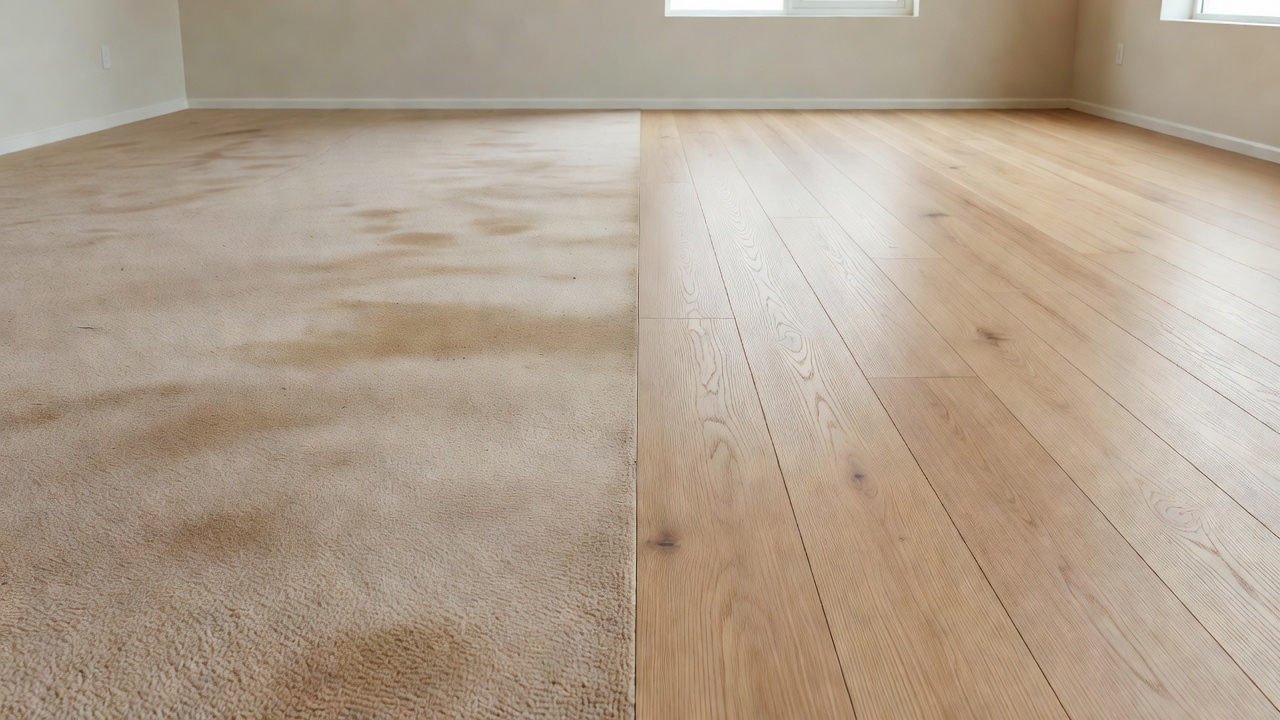
Should I replace flooring before selling my home?
Not automatically. Run the math like a listing agent, not like a HGTV contestant.
Here’s the decision framework I use with sellers—same order every time:
- Clean and repair only — If floors are structurally fine and just dirty or lightly scratched, professional clean, screen-and-recoat, or seam repair. Cost: often a few hundred to low thousands. Buyer psychology win: removes the “neglect” signal without capital risk.
- Refinish — Solid hardwood with life left. Highest ROI lane when the species and layout still read “real wood” to buyers. Don’t dark-stain a floor into a cave unless your comps support it.
- Replace strategic zones — Entry, living, primary. Match tone across sightlines so the house feels intentional, not patched. LVP is the dollar-efficient workhorse for most resale product under a certain price point; hardwood where the comps and price tier demand it.
- Credit or as-is — Only when the floor issue is obvious, the buyer pool is investor-heavy, or your timeline is “yesterday.” Credits feel generous to you and still get discounted twice in the buyer’s head. Prefer fixing the thing that triggers the overestimate.
Should you replace before selling? Replace when the current floor is actively costing you more in offer cuts than the repair costs—and when you can finish before photos. Half-done floors photograph like a warning label.
If you’re debating materials and long-term wear versus list-day punch, [LINK: best flooring for buyer appeal] is the practical companion to this piece.
What flooring adds the most buyer appeal is not always what adds the most pure ROI. Hardwood still wins emotional appeal and open-house comments. LVP often wins net dollars after install cost, especially in kitchens, baths, basements, and rentals. Luxury vinyl that looks like light oak or soft walnut, medium-width plank, low-gloss, consistent tone across main living—that’s the 2025–2026 buyer-safe default I specify when sellers want maximum pool and minimum drama.
Avoid high-contrast patterns, ultra-dark floors that show every dust bunny, and anything that screams “last owner’s personality.” You’re not decorating. You’re removing objections.
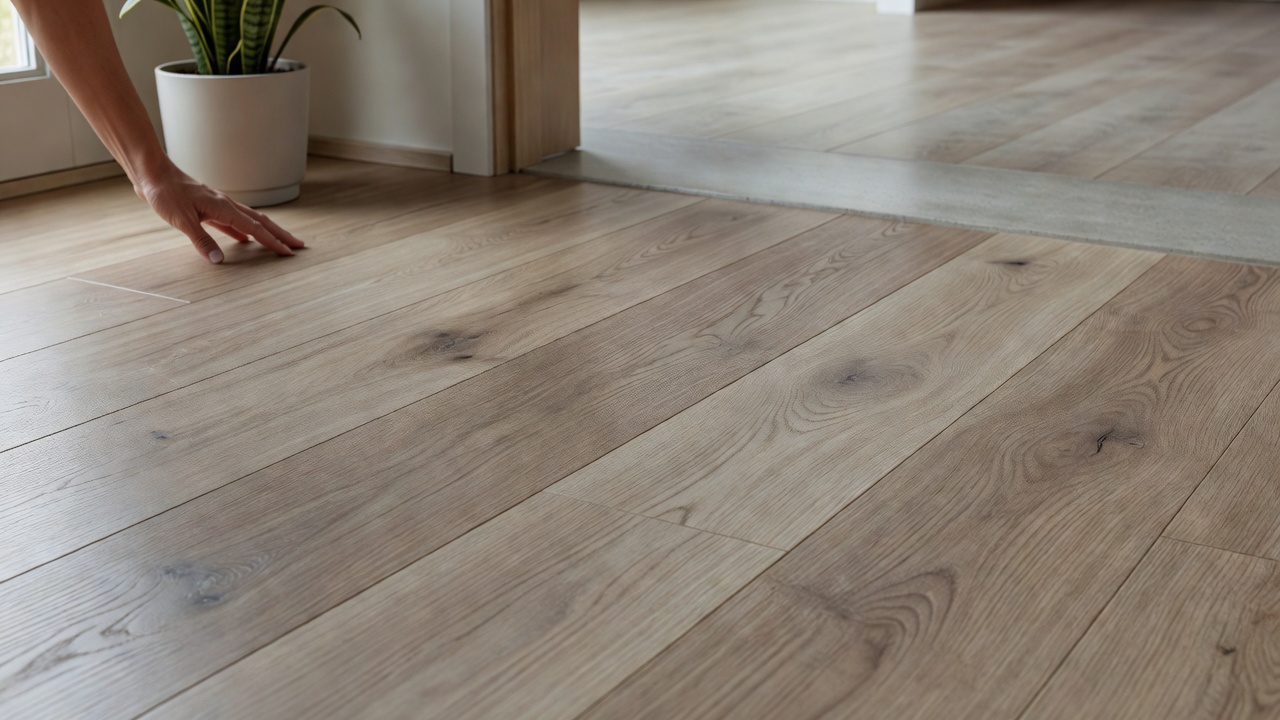
What flooring adds the most value or buyer appeal?
Appeal leader: real hardwood, refinished or new, in a light-to-medium neutral. Value-per-dollar leader for most listings I touch: well-chosen LVP in the same visual family. Tile in wet zones if it’s not dated or cracked. Carpet only if it’s brand-new, high-quality, and in bedrooms—never as the first thing a buyer steps on if you can help it.
Prioritize continuous sightlines. A patchwork of three different floors in open-concept space reads as deferred decisions. One coherent tone reads as cared-for.
Tactile and acoustic cues count. Soft, mushy underlayment that feels cheap under dress shoes? Buyers notice. Hollow click that echoes like a gym floor? They notice. Spend the extra on underlayment and proper install. It’s cheaper than a second price reduction.
FAQ
Does new flooring increase home value?
It often increases what buyers will pay and how fast they offer, especially when it removes a “big project” signal. Appraised value follows comps; offer strength follows perceived move-in readiness. Refinished hardwood and quality LVP are the usual winners on a cost-to-impact basis.
How important is flooring when selling a house?
Critical for first impressions and maintenance signaling. Buyers form a condition story within seconds of looking down, and dated or damaged floors reliably inflate their mental repair budget. Fix the floors buyers judge first—entry and main living—before you obsess over secondary bedrooms.
Should I replace flooring before selling my home?
Replace when the floor is dragging offers more than the fix costs and you can complete work before listing photos. Clean or refinish first if the bones are good; use credits only when timeline or buyer pool makes repair a losing bet.
What flooring adds the most value or buyer appeal?
Hardwood leads pure appeal; LVP often leads net ROI after install. Stick to light-to-medium neutrals, keep tones consistent across open areas, and treat entry/living as priority one.
Do buyers really overestimate flooring repair costs?
Constantly. Damaged or ugly floors trigger a whole-home neglect story, and buyers pad the number “just in case.” That’s why a $4,000 fix can erase a $15,000 haircut.
Sell the house you have, not the museum of your memories. Floors are not sacred. They’re a tool.
If you’re listing in the next two years, budget the buyer’s eyes and feet first—and only spend where it changes the offer. If you’re just living your life, do whatever makes your morning coffee taste better… because the answer changes everything I just said.