LVP Wear Layer Thickness: What Homes Really Need
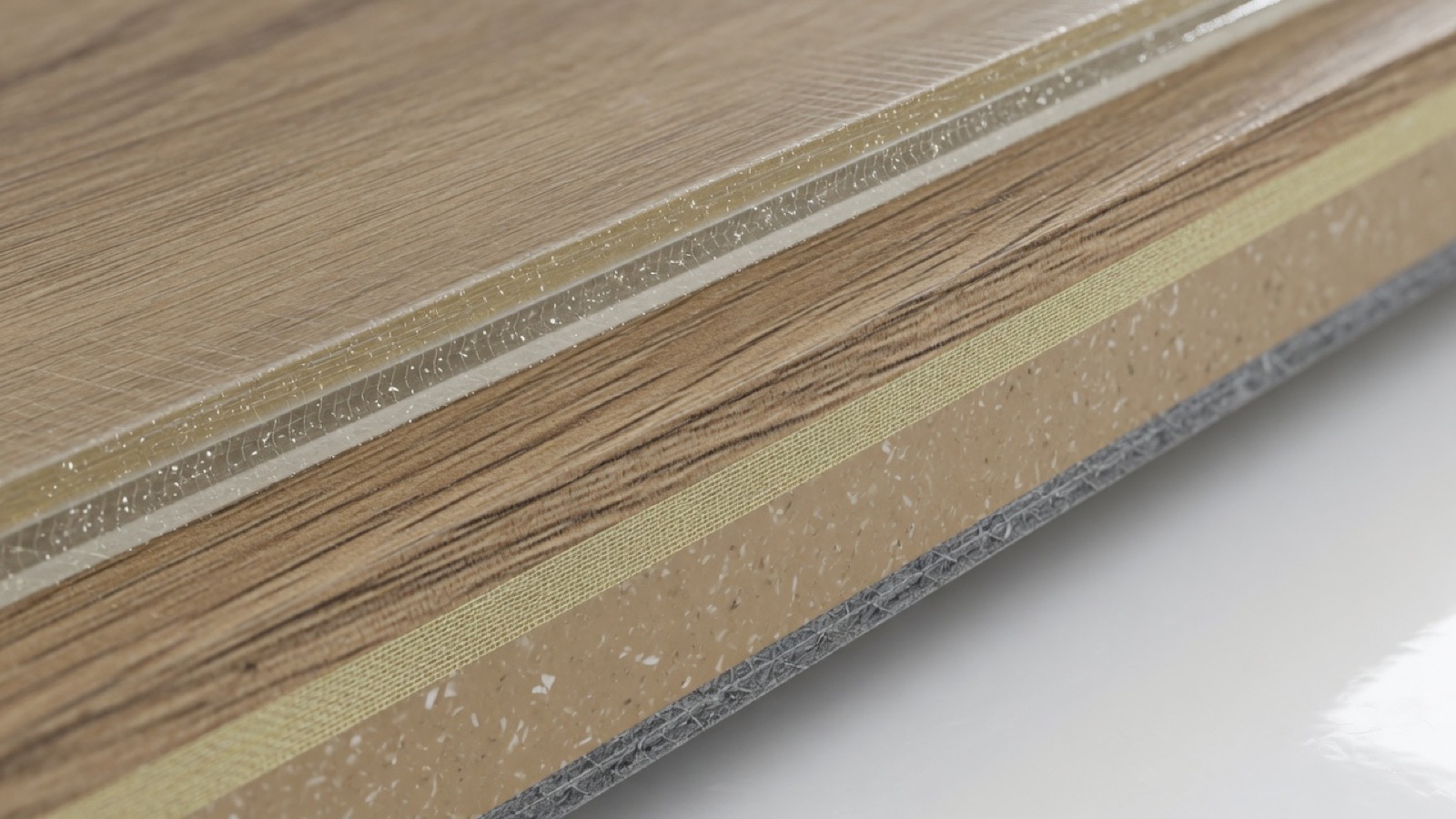 Last Tuesday my dog tracked in a constellation of grit from the sidewalk—tiny quartz bits, a few crushed leaves, whatever the wind was selling that day—and I watched him drag those particles across the hallway like a mobile sandpaper rig. That’s when the materials-nerd part of my brain lit up, because LVP wear layer thickness is the single number shoppers treat like a force field, and it’s also the number that gets misunderstood the most.
LVP wear layer thickness is the clear protective film (usually PVC or urethane-fortified PVC) laminated over the printed design layer, measured in mils—where one mil equals 0.001 inch—and it is what actually takes the abrasion, scuffs, and UV before the picture of “oak” starts to fade or blur. For most homes, a quality 12 mil wear layer is the residential sweet spot; 20 mil buys you margin for pets, kids, and entry traffic; thicker is not automatically better if the polymer chemistry or top-coat is mediocre. Overall plank thickness is a different story entirely—don’t confuse the two.
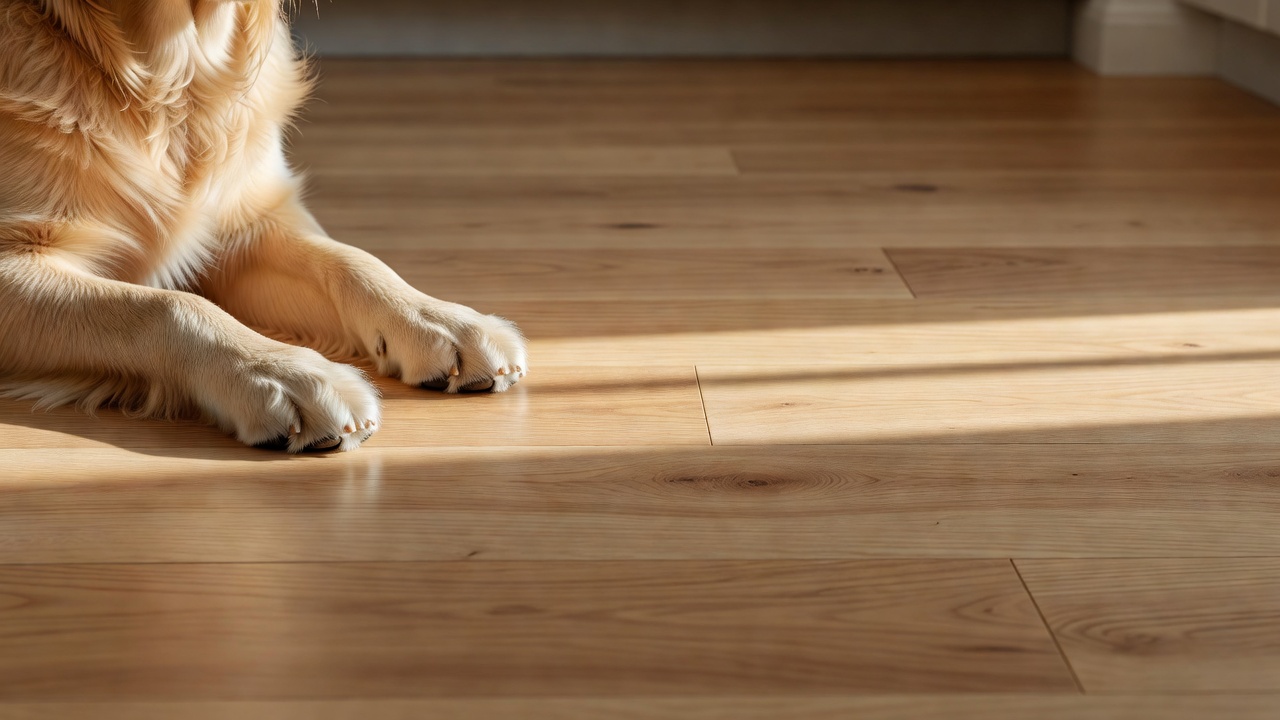
How important is the wear layer thickness on vinyl plank flooring?
Very—but not in the “buy the biggest number and stop thinking” way the aisle signage wants you to believe. The wear layer is a sacrificial shield. Underfoot grit acts like a three-body abrasive system: hard particle, floor surface, and the shoe or paw applying load. Each pass shears a microscopic amount of polymer. A thicker film simply gives you more material to lose before the print layer (the decorative film with the wood or stone image) gets scratched through.
What matters just as much is how that film is built. Many modern wear layers are UV-cured urethane with aluminum oxide or ceramic micro-beads dispersed in the top-coat. Those additives raise surface hardness and cut the rate of micro-scratching. A well-formulated 12 mil with a tough ceramic top-coat can outlast a soft, additive-light 20 mil in real household conditions. Lab abrasion tests (think Taber-style rotary abrasion, the kind manufacturers cite in tech sheets) measure cycles to a defined wear-through; they are useful, but they don’t perfectly mimic the sideways scuff of a chair leg dragging grit. Still—lab-speak for “your dog can destroy this and it’ll probably survive” is roughly what a solid residential rating is trying to tell you.
I also get asked about AC ratings versus mils. AC (Abrasion Class) is a laminate standard from the European EN 13329 family; it doesn’t map cleanly onto LVP. Vinyl brands lean on mil thickness plus their own warranty language. If a box waves an “AC rating” at you for LVP, smile politely and flip it over for the mil number and the actual wear-layer chemistry notes.
What wear layer thickness do I need for residential use?
Here’s the practical map I give friends who are mid-renovation and slightly glazed over:
- 6–8 mil — Low-traffic bedrooms, closets, guest rooms that see socks more than shoes. Fine if you’re gentle and the product’s top-coat is decent. I wouldn’t put it in a main hallway.
- 12 mil — Standard whole-house residential. Kitchens, living rooms, hallways for typical families without a pack of large dogs. This is the best wear layer for residential vinyl in the “most homes, most of the time” sense.
- 20 mil and up — High-traffic entries, homes with active kids, multiple pets, or anyone who treats the kitchen like a track meet. Also the zone where light commercial claims start showing up on boxes.
- Above ~28–30 mil — You’re mostly paying for commercial durability margins. Diminishing returns for a quiet condo unless you just like the peace of mind.
Notice I didn’t say “always jump to 20.” A 12 mil product with a dense, well-cured urethane top-coat and good UV stabilizers (hindered amine light stabilizers, or HALS, if you want the jargon—molecules that mop up the free radicals UV light creates so the film doesn’t chalk and yellow) will often look fresher longer than a bargain 20 mil that’s basically soft clear PVC. Thickness is inventory; chemistry is how fast you spend it.
And please separate wear layer vs overall thickness. A 8 mm plank with a 6 mil wear layer is still a thin shield over a thick core. The core (usually rigid SPC stone-plastic composite or WPC wood-plastic composite) handles dent resistance and stability. The wear layer handles surface erasure. I’ve seen chunky-looking planks scuff to gray haze in a year because someone shopped millimeters and ignored mils. If you’re comparing constructions, [LINK: SPC vs WPC vinyl flooring] is worth a side trip before you fall in love with a sample.
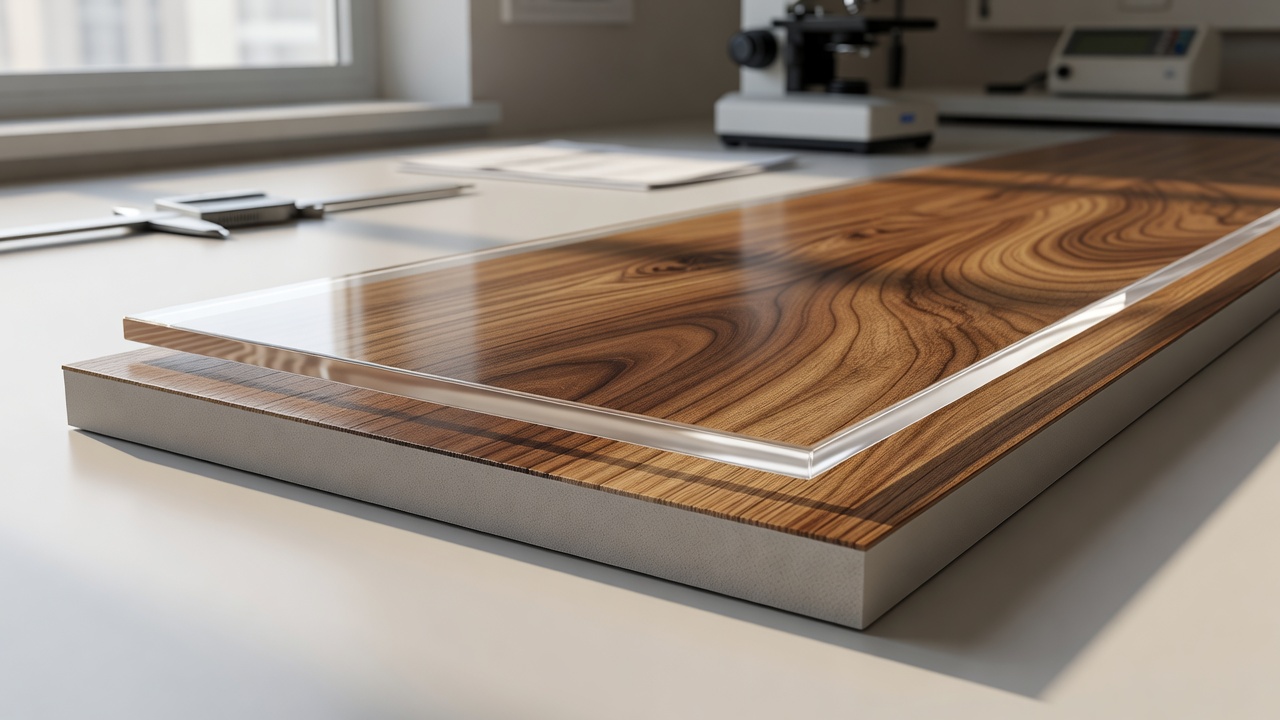
Is a thicker wear layer always better for LVP?
No. Thicker is more material, not necessarily better material. Failure modes I actually care about:
- Abrasive wear-through — grit + traffic eventually reaches the print. Thickness helps linearly here, all else equal.
- Micro-scratch haze — fine swirls that dull the gloss. Dominated by top-coat hardness and additive package, not bulk mils.
- UV yellowing / chalking — sunlight breaks polymer chains at the surface. Stabilizers and urethane quality matter more than an extra 8 mil of unstabilized PVC.
- Plasticizer migration / softening (more of a cheap flexible LVP issue) — the film gets gummy, holds dirt, looks tired. Formulation again.
- Edge and bevel wear — micro-bevels expose slightly different geometry; a thick wear layer still only protects what’s on the face.
So when you’re staring at 12 mil vs 20 mil wear layer tags, ask what else is in the stack: ceramic bead top-coat? UV package? Rigid core so the plank doesn’t trampoline and fretting-wear at the joints? Warranty that actually covers scuff and wear-through in writing? A 20 mil line from a careful brand is excellent. A 20 mil line that’s just inflated clear film over a soft print is marketing math.
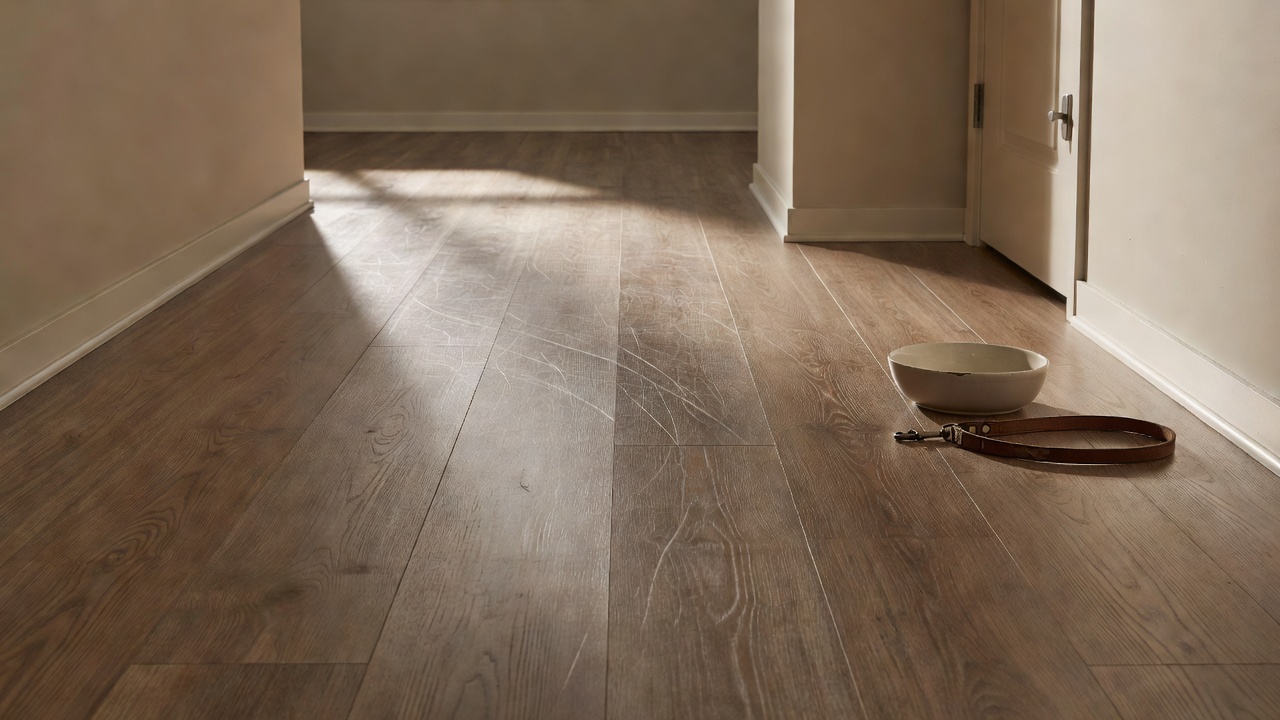
Okay, this is the part where I get a little too into it—feel free to skim. Abrasion of a filled urethane film isn’t uniform sheet loss; it’s local asperity contact. Hard particles plow furrows; softer binder smears. Aluminum oxide particles in the top-coat act as load-bearing stops so the polymer doesn’t take the full shear. That’s why two floors with identical mil ratings can diverge wildly after eighteen months of the same Labrador. End of tangent. (I did warn you.)
If you’re also sorting installation and underlayment choices that affect how much grit works into seams, [LINK: LVP installation best practices] pairs naturally with this decision.
How long will a 12 mil wear layer last?
In a normal home—shoes off or soft-soled, occasional grit, no restaurant-level traffic—a quality 12 mil wear layer commonly lasts 15–25+ years before cosmetic wear becomes obvious, which is why so many residential warranties land in that band. Harsh variables shorten the clock: street sand at the door, rolling office chairs without mats, metal pet bowls dragged daily, direct south-facing UV without curtains. Under those conditions you may want 20 mil or stricter entry habits (walk-off mats are underrated materials science: they remove the third body in the abrasion system before it arrives).
Manufacturer warranties are not lab certificates; they’re legal documents with maintenance clauses. Sweeping and damp mopping aren’t chores so much as keeping the abrasive inventory low. I say that as someone who once found a tiny piece of construction debris still living under a rug three months post-install. The floor remembered it longer than I did.
Quick comparison you can actually use
| Household profile | Sensible mil target | What I’d double-check |
|---|---|---|
| Quiet adult home, low grit | 12 mil | Top-coat + UV package |
| Kids, dog, main floor open plan | 12–20 mil | Prefer 20 at entries/kitchen |
| Multidog / heavy street sand | 20 mil+ | Mats + ceramic top-coat |
| Rental turnover / light commercial | 20 mil+ | Written wear-through terms |
Dry one-liner tax: if the sample looks identical at arm’s length, the chemistry is doing more work than your eyes are.
FAQ
How important is the wear layer thickness on vinyl plank flooring?
It is the primary defense against surface abrasion and print wear, so it matters a lot for how long the floor looks new. Importance scales with real grit and traffic, not with anxiety in the showroom. Pair the mil number with top-coat quality rather than worshiping thickness alone.
What wear layer thickness do I need for residential use?
Most homes do well with 12 mil; choose 20 mil for heavy pets, kids, or busy entries. Bedrooms can sometimes use less if traffic is truly light. Match the mil rating to the room’s worst day, not its average day.
Is a thicker wear layer always better for LVP?
No. A well-formulated thinner wear layer with ceramic or aluminum-oxide top-coat and UV stabilizers can outperform a soft, thick film. Thickness adds sacrificial material; chemistry controls how fast that material disappears.
How long does a 12 mil wear layer last?
In typical residential conditions, often 15–25 years or more before noticeable wear-through, assuming normal cleaning and modest grit control. Extreme sand, rolling loads, or harsh UV can shorten that window.
What’s the difference between wear layer mils and overall plank thickness?
Mils describe only the clear top shield; overall mm thickness describes the whole plank including core and backing. A thick plank with a thin wear layer still scuffs early on the surface.
I still catch myself watching light rake across the hallway after we sweep—looking for the faint change in gloss that means the top-coat is doing its quiet job. You might notice it too: the way afternoon sun either softens or sharpens every micro-scratch is basically a free materials demo you already own. If you start seeing your floor as a thin polymer experiment under real weather and real paws, you’ve officially spent too much time with me—and honestly, I’m delighted.