best flooring for home staging
Home Staging Flooring ROI: Worth It in 2026?
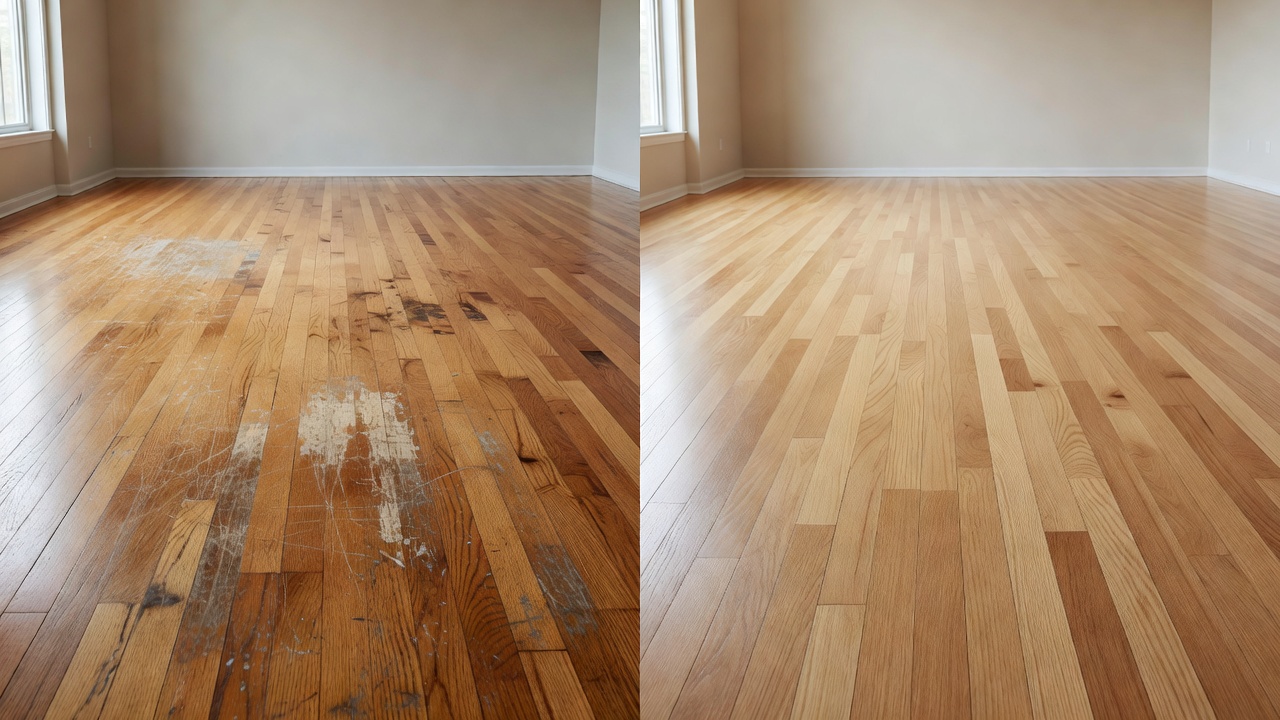
 The Henderson listing sat for 47 days with original 1998 oak that looked like a high school gym after prom. Same street, same floor plan, neighbor two doors down refinished for $3,800, staged warm matte, and went under contract in nine days at $18,500 over asking. That’s home staging flooring ROI in one ugly comparison: money you spend on floors before listing that comes back in offer strength, speed, and fewer “we’ll need a credit for the floors” lowballs.
Home staging flooring ROI is the measurable return—higher sale price, shorter days on market, stronger first-offer quality—from cleaning, repairing, refinishing, or replacing floors specifically to make a listed home appraise and feel move-in ready to buyers. In 2026 it is often worth it when condition is bad enough to trigger distrust in the first ten seconds. It is not worth it when you’re chasing a Pinterest finish that doesn’t show up on the appraisal.
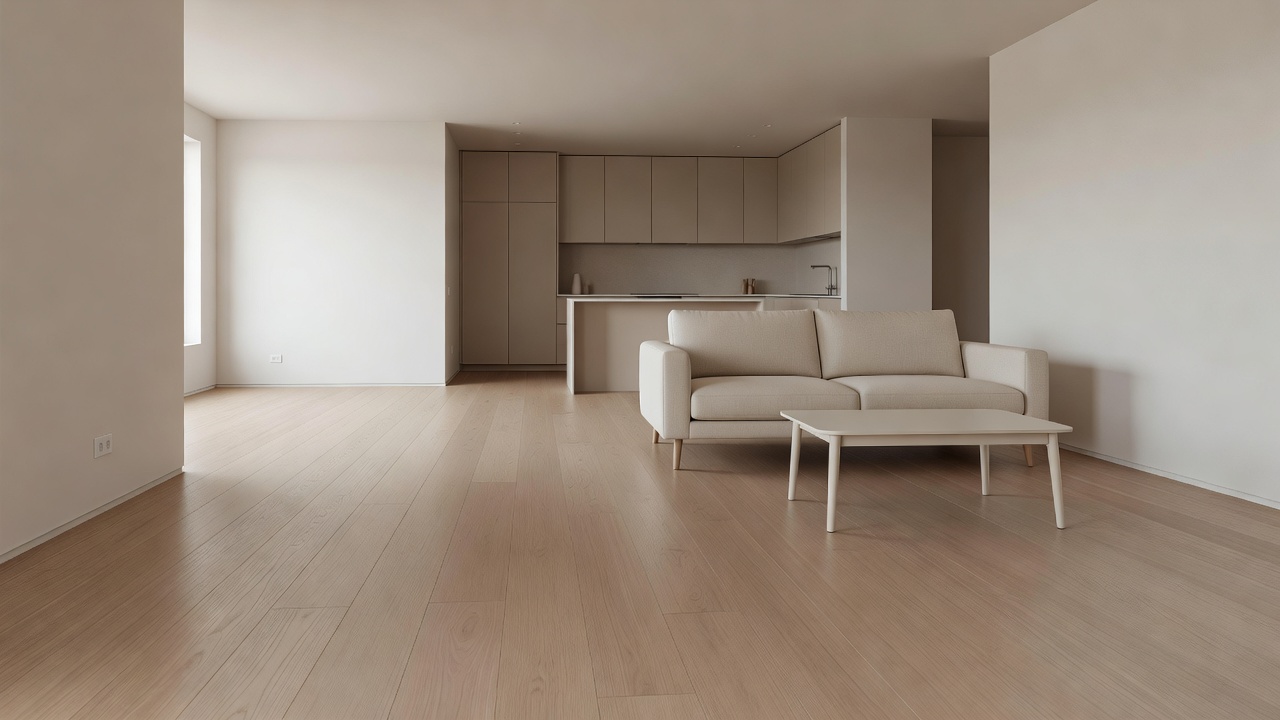
I do not care that you “love the character.” Buyers clock floor condition before they clock your crown molding. Scuffed, dated, or mismatched floors read as deferred maintenance. Deferred maintenance reads as negotiation fuel.
Does flooring really affect how quickly a property sells?
Yes. Floor condition is one of the fastest trust signals in a showing. Buyers decide in the entry and living areas whether the house feels cared for. Bad floors slow traffic, shrink the buyer pool, and invite inspection-period drama.
I’ve watched identical comps behave differently solely on floors. One three-bed in the mid-$420K range with filthy beige carpet sat 31 days and took a $12,000 credit. Sister listing swapped to mid-grade LVP for about $6,100 installed, staged clean, and closed in 11 days with no floor credit. That’s not magic. That’s removing the thing people use to justify waiting.
NAR-style staging data still points the same direction overall: staged homes often sell faster and can support price lifts in the 1–10% range depending on market and execution. Floors are not the whole staging budget. They are the part buyers literally stand on while deciding if the rest of your staging is honest.
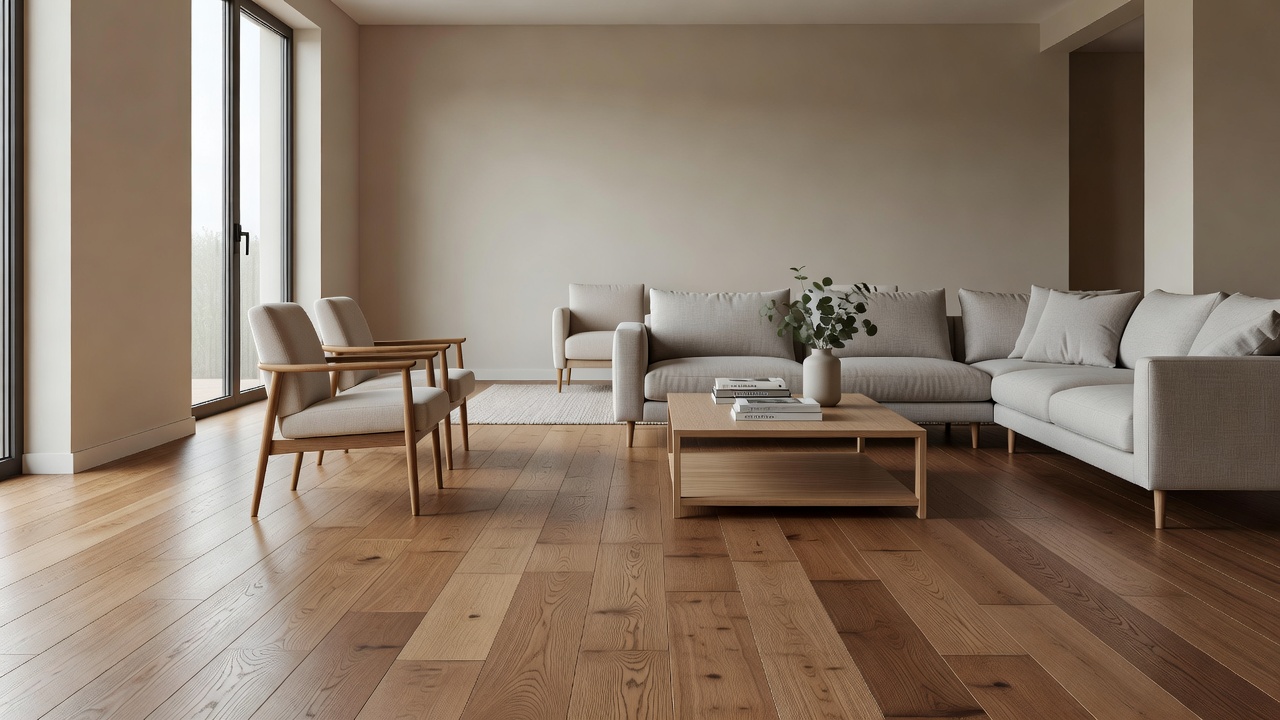
If your floors are already solid—even if they’re not trendy—deep clean, repair, and continuous visual flow usually beat a full gut. Continuity matters more than brand names. Breaks at every doorway make a house feel chopped up and smaller. [LINK: best flooring colors for resale] still holds: warm neutrals, low-gloss, same tone through the main living path.
Is it better to replace flooring or improve existing floors before selling?
Improve first. Replace only when improvement can’t erase the distrust.
Here’s the blunt decision tree I use with sellers:
- Deep clean and repair only — scratches are light, color is acceptable, no pet damage or soft spots. Cost often $200–$800. ROI is almost pure speed and fewer nitpicks.
- Refinish existing hardwood — real wood underneath, finish is orange, gray, or wrecked, but boards are sound. Typical range $3–$8 per sq ft depending on market and stairs. Refinishing ROI can still punch near the old 100–147% stories when the alternative is a buyer pricing in full replacement.
- Replace traffic zones or whole main level — carpet is shot, laminate is peaking, vinyl is from another decade, or repairs would look like patches. Budget LVP often lands $4–$9 installed per sq ft; decent engineered hardwood more like $8–$15+. You’re buying offer quality, not a forever floor for yourself.
- Do nothing cosmetic, price it — floors are fine enough and your price already reflects condition. Don’t spend to chase a design fantasy. Gorgeous does not always mean it appraises. I wish it did.
Refinish vs replace before selling is not a personality test. It’s math against your list price and local comps. On a $275K starter, a $14K engineered install can be hard to recover if buyers in that band are payment-sensitive. On a $780K remodel-ready, tired floors can leave $20K–$40K on the table because the buyer pool expects turnkey.
I had a seller insist on a dramatic dark wide-plank because “designer logic” said it photographed richer. It photographed great. Appraiser treated it like flooring, not art. They got their drama and a sale that still hinged on condition credits elsewhere. Don’t confuse listing photos with underwriting.
What type of flooring works best for property staging?
For staging resale, high-quality hardwood or engineered hardwood in a warm neutral matte still reads as the gold standard. LVP is the practical budget alternative when cost recovery is tight or the house already has moisture risk.
What works in 2026 showings:
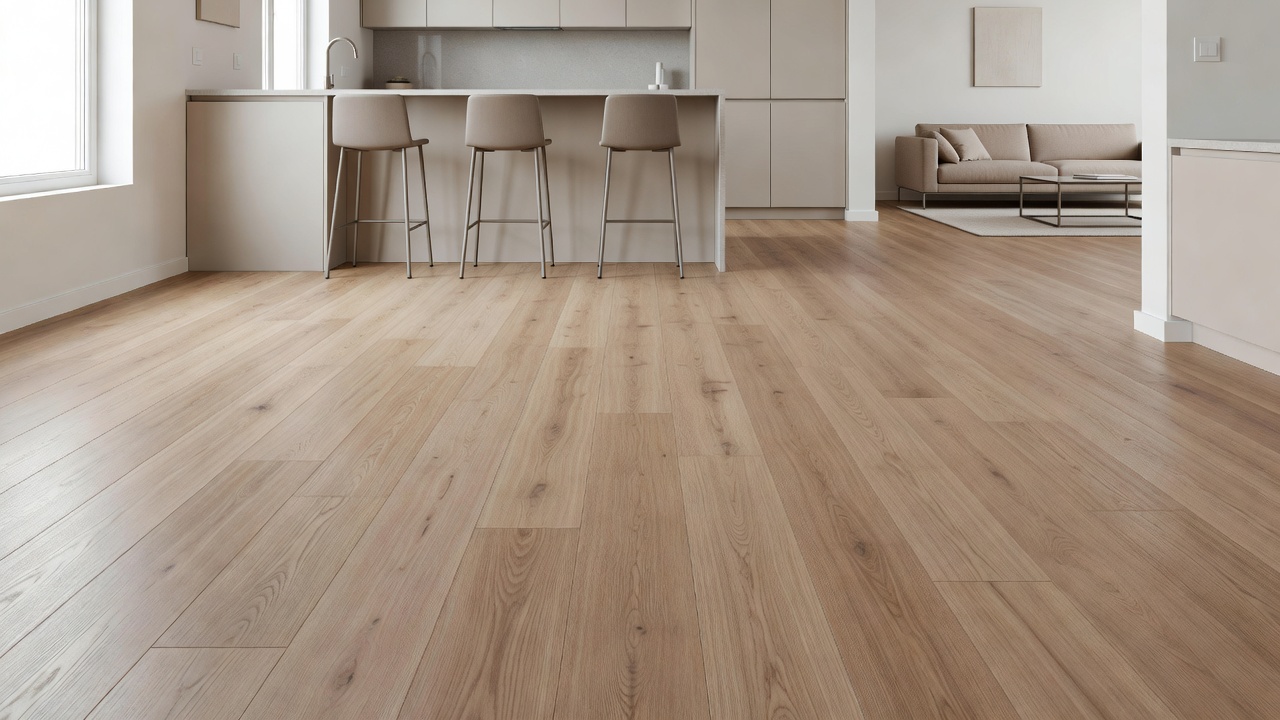
- Visual continuity through entry, living, dining, kitchen when possible
- Warm neutrals over cool gray that already feels dated in half my open houses
- Matte or low-sheen so every pet hair and scuff doesn’t scream
- Consistent height and transitions so nothing trips the eye—or the inspector’s notes
LVP vs hardwood for staging resale is simple: if the comps in your pocket are hardwood and your price assumes “updated,” fake it poorly and buyers will smell it. If the band is practical and the rest of the house is mid-tier, good LVP that looks calm and continuous often outperforms sad real wood you refused to refinish. Buyers are not grading species under a loupe in the first ten seconds. They’re grading care.
Prioritize the path: entry, living, kitchen. Bedrooms can wait longer if budget is finite. Don’t blow the staging fund on a trend plank in the guest room nobody uses to decide on the offer.
Does floor condition really affect sale price?
Yes—directly through offers and indirectly through credits, appraisal friction, and days on market that force price cuts.
Floor condition buyer perception is not subtle. Dirty or damaged floors make every other update look suspicious. Clean, continuous, neutral floors make average kitchens look more expensive. I’ve seen sellers net more by spending $4,200 on LVP and holding list price than by “saving money,” sitting 40 days, then cutting $15,000.
Is a flooring upgrade worth it to sell? Run this:
- Estimate repair/refinish/replace cost with real bids, not hope
- Look at three sold comps with better floors and three with worse
- Ask what a buyer’s inspector will flag in writing
- Decide if you’re selling in a hot pocket where condition is table stakes or a slower pocket where price is the only lever
If the upgrade cost is under roughly 1–2% of list and the floors are currently a clear objection, the home staging flooring ROI case is usually strong. If you’re spending 4%+ to install something flashy the comps don’t support, you’re decorating, not preparing to sell. Different job.
For more on when surface updates actually move numbers, see [LINK: does new flooring increase home value] and pair it with real local sold data—not national averages alone.
FAQ
Does flooring really affect how quickly a property sells?
Yes. Poor floor condition slows showings and invites lowball psychology; clean, continuous floors remove a common reason buyers hesitate. Faster sales often matter as much as the headline price.
Is it better to replace flooring or improve existing floors before selling?
Improve first with clean, repair, or refinish when the substrate is sound. Replace when damage, odor, or outdated material can’t be fixed without looking patched.
What type of flooring works best for property staging?
Warm-neutral hardwood or engineered hardwood with a matte finish is still the resale benchmark; quality LVP is the smart substitute when budget or moisture makes full hardwood a bad recovery bet.
Does floor condition really affect sale price?
It does—through stronger opening offers, fewer credits, and less pressure to cut list price after stagnant days on market. Buyers price risk the second they see neglect underfoot.
Is flooring upgrade worth it to sell in 2026?
Worth it when condition is a clear objection and cost is modest relative to list price and comps; not worth it when floors are already acceptable and the spend is pure trend-chasing.
Selling is a transaction, not a memorial service for your favorite finish. Spend where buyers pay you back. Skip where they won’t.
Selling in the next two years or just living your life? Because the answer changes everything I just said.