Why Flooring Samples Look Different in Showroom
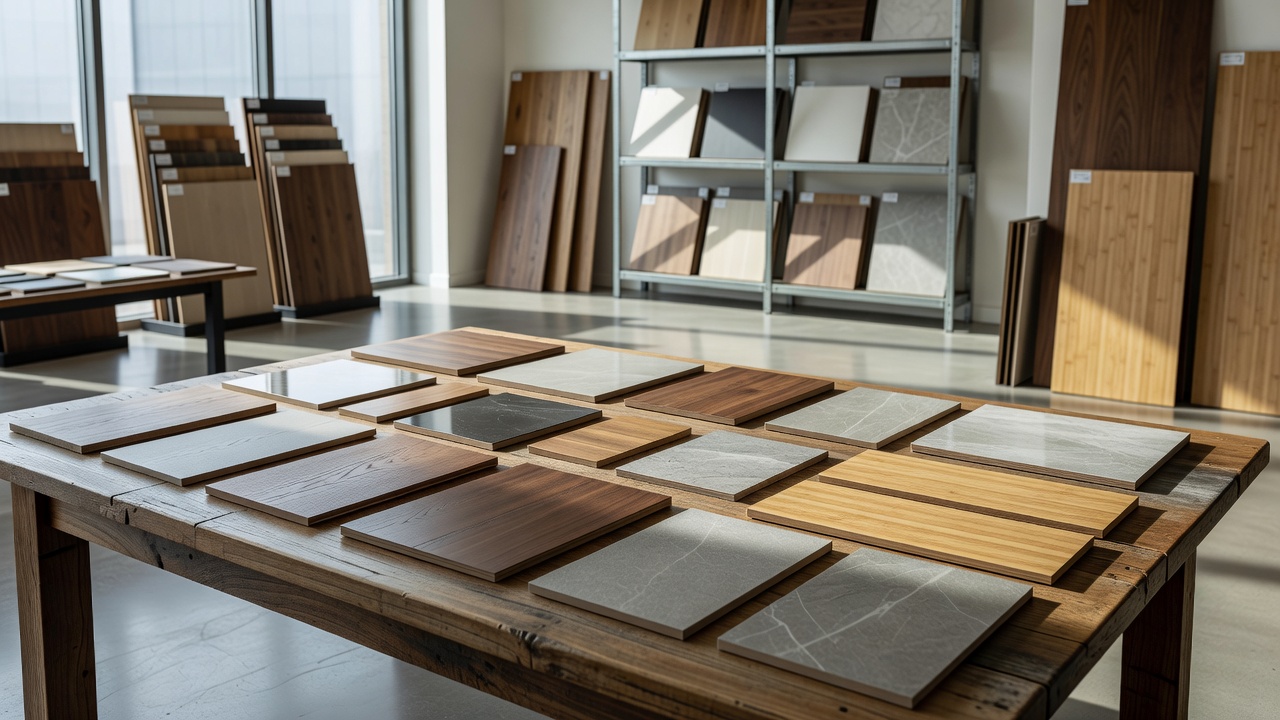 One does not simply glance at a flooring sample under showroom lights and call it destiny. One experiences the deception. Flooring samples look different in the showroom than at home because the space is a controlled stage: cool LEDs and theatrical spotlights flatten grain, warm the wrong undertones, and flatter mediocre planks the way a gallery lamp flattens a minor landscape into a “statement.” Showroom theater flooring is the deliberate staging of light, angle, and sales choreography that makes a board look richer, cooler, or more expensive than it will ever appear beside your actual sofa at 4 p.m. on a Tuesday. I have swirled enough engineered oak under those fixtures to award the entire production a stern 6.8 Insoles out of 10—technically impressive, spiritually dishonest.
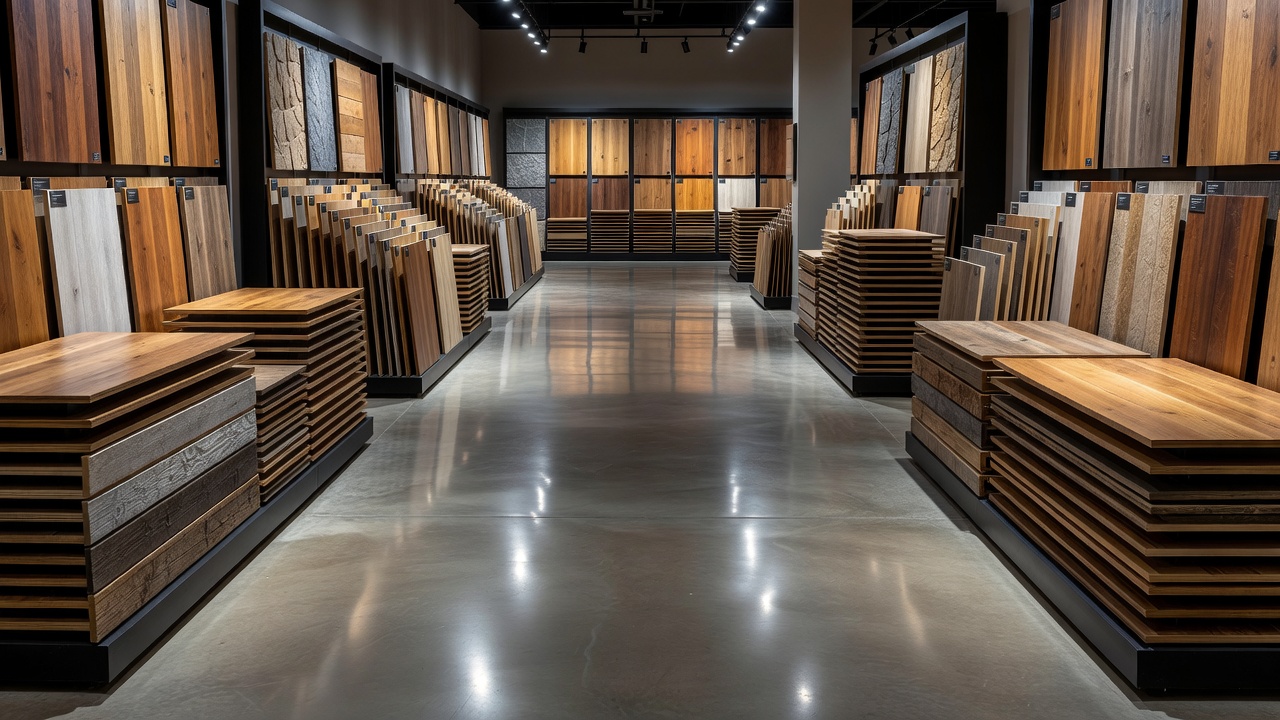
Why do flooring samples look different in the showroom than at home?
Because the showroom is not a room. It is a set.
Home light is a temperamental muse—morning north light that turns white oak faintly green, afternoon west light that paints it honey, evening lamps that drag every yellow undertone into the open like a guest who has overstayed. Showroom lighting, by contrast, is a committee of LEDs tuned to a flattering Kelvin that rarely exists in any dwelling I have rented. Cool fluorescents and high-CRI spots suppress orange cast, exaggerate “contemporary gray,” and make mid-grade laminate read as if it spent a semester in Milan. Angle compounds the fraud: samples are often propped at forty-five degrees so the bevel catches light like a cheekbone at a cocktail party. On a horizontal floor, that bevel becomes a shadow line you will later regret.
I once lingered—purely for research—in what the literature calls a flagship environment (it was, in fact, the nicer of my three habitual Floor & Décor pilgrimages) and watched a “European white oak” board perform under the spots. On the nose: faint notes of engineered ambition and citrus cleaner. On the palate: a surprising mid-tone sweetness that vanished the moment I carried the sample to the parking lot. Finish: short, slightly chalky, and deeply disappointing beside the actual daylight. That is the entire genre in miniature.
The science is not mystical. Different color temperatures shift how your eye reads undertone. Specular highlights from polished showroom floors bounce extra light into the sample’s face. Surrounding displays—those endless walls of coordinated rugs and “lifestyle vignettes”—create simultaneous contrast that your living room will never replicate. For a clearer sense of how light behaves once the board is installed, see my notes on [LINK: how lighting affects hardwood color at home]. The showroom will not volunteer this. One must insist.
Should I take flooring samples home before buying?
Yes. Emphatically. Theatrical applause is optional; the samples are not.
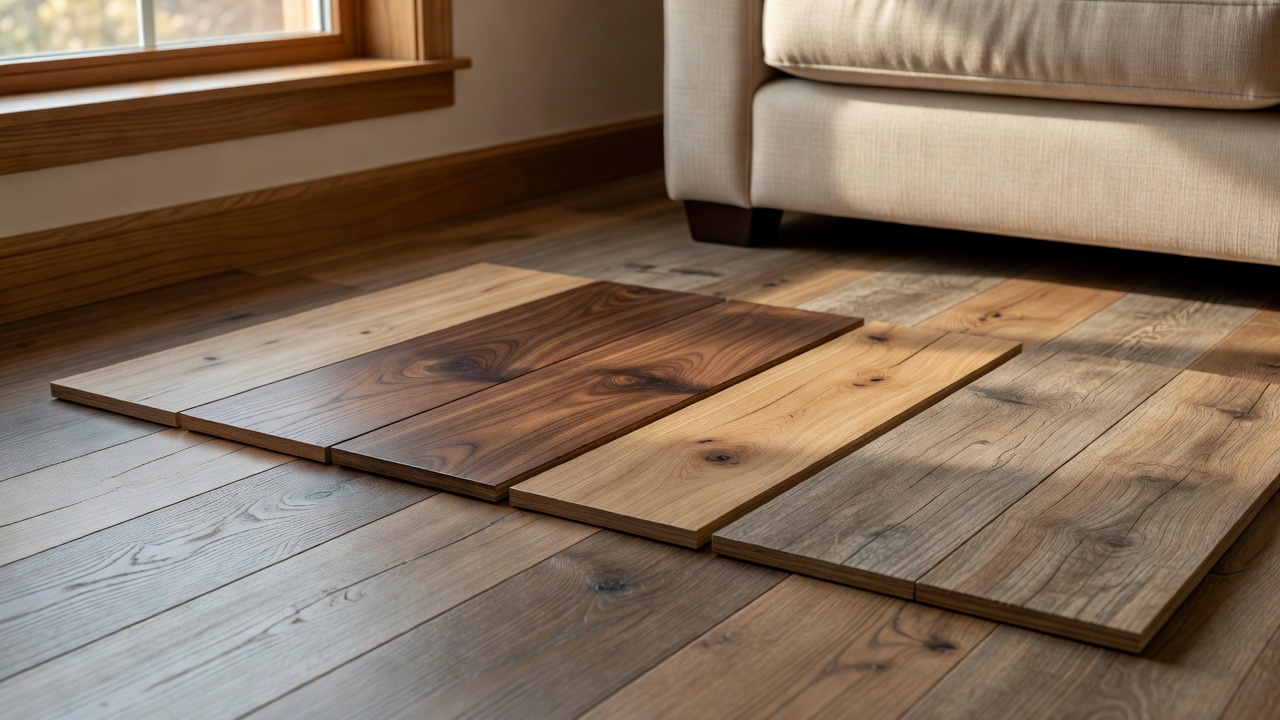
Any retailer who sighs when you request a full plank or a generous swatch is auditioning for a lesser role in your renovation. Take them home. Place them on the actual subfloor or existing finish. View them morning, noon, and under the lamps you already own—not the designer floor lamp the showroom wheeled over like a prop. Leave them for forty-eight hours if you can bear the suspense. Watch how the “greige” you adored under cool LEDs turns beige-beige beside your warm baseboards. Note how the “matte” sheen becomes a traffic-lane mirror when the afternoon sun hits it at the wrong angle.
I have performed this ritual in a one-bedroom whose square footage would make certain budget-conscious flooring content creators—Marnie Delgado among the more industrious settlers—declare the exercise “extra.” Extra is precisely the point. The sample that survives your real light, your real dog hair, and your real 7 a.m. judgment is the only one worth committing to. Online swatches photographed in a studio suffer the same disease, merely with better retouching; the discipline of physical samples remains non-negotiable. Pair the exercise with a hard look at [LINK: engineered hardwood vs laminate for real homes] before you let anyone upsell you into a species you cannot pronounce after two glasses of something indifferent.
How do I avoid common flooring sales gimmicks?
Recognize the choreography, then refuse to dance.
The classics never retire. “Free installation” with an asterisk that excludes furniture moving, old-floor removal, and anything resembling a threshold. BOGO offers that require you to buy the premium line twice and the padding thrice. “Today-only” pricing that resets every morning like a poorly written soap opera. Hidden labor fees that surface only after you have emotionally committed to a particular plank’s story. The performative sample reveal—salesperson sliding a board from a velvet-lined drawer as if presenting a grand cru—is simply the overture.
Ask for the installed price per square foot, all-in. Ask what the warranty actually excludes. Ask whether the “waterproof” claim survives a slow leak under the dishwasher or merely a theatrical splash for the camera. If the answers arrive wrapped in lifestyle language rather than numbers, smile the thin smile of a man who has googled “what is a mil thickness” five minutes before entering and already knows more than the script allows. Showroom theater thrives on urgency and flattery. Your countermeasure is time and a notepad. I rate most of these gimmicks a brisk 3.2 Insoles—technically legal, aesthetically exhausting.
Is it better to buy flooring in a showroom or online?
It depends on whether you require the spectacle or merely the board.
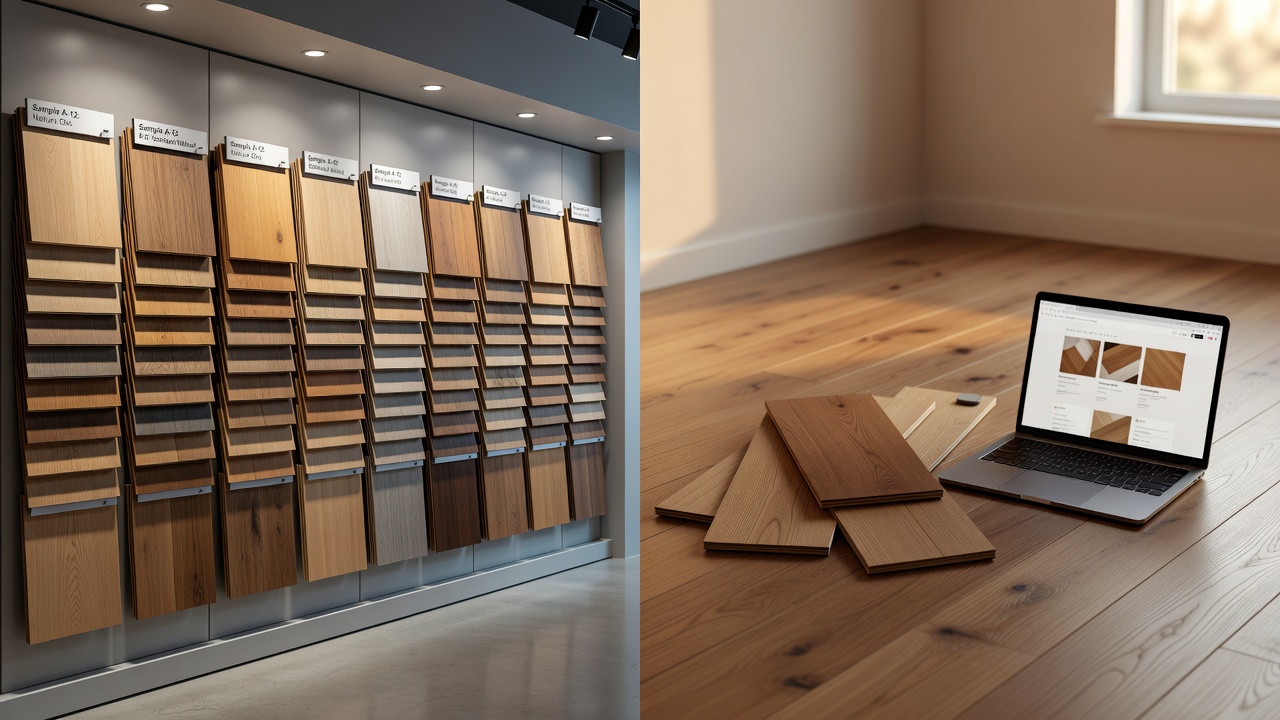
A competent showroom offers tactile truth, immediate returns, and a human who can (occasionally) answer a question about underlayment without reading from a tablet. It also offers overhead, markups, and the lighting conspiracy already dissected. Online channels—direct brands, liquidators, the better marketplaces—often deliver equivalent or superior product at less theatrical pricing, provided you order samples first and accept that your living room will become the showroom. I have purchased both ways. The showroom wins when you need to feel the bevel with your own sole and negotiate face-to-face. Online wins when you have already done the homework and refuse to subsidize someone else’s recessed lighting grid. Hybrid is ideal: sample in person or by mail, buy where the net number makes sense, install with someone whose reviews do not read like fan fiction.
The discerning move is never pure loyalty to either channel. It is loyalty to the light in your space and the number on your invoice.
FAQ
Why do flooring samples look different in the showroom than at home?
Showroom LEDs and spotlights use cooler, more controlled color temperatures and angles than typical home daylight and lamps, which shifts undertones and sheen. The surrounding displays also create artificial contrast. Always re-check samples in your actual rooms at multiple times of day.
Should I take flooring samples home before buying?
Yes. View full planks or large swatches on your floor under morning, afternoon, and evening light beside existing finishes. Forty-eight hours of observation prevents most expensive regrets and costs nothing but patience.
How do I avoid common flooring sales gimmicks?
Demand an all-in installed price per square foot, read warranty exclusions, and ignore same-day pressure and asterisked “free” offers. If the pitch relies on lifestyle adjectives more than measurements, walk.
Is it better to buy flooring in a showroom or online?
Showrooms win for tactile comparison and immediate help; online often wins on price once you have physical samples. Order or borrow samples either way, then purchase where the total cost and return policy are clearest.
What is the fastest way to test a sample at home?
Place it horizontally in the main traffic path, photograph it in natural and artificial light, and live with it through at least one full day-night cycle. If it still pleases you next to your baseboards and sofa, it has earned consideration.
In the end, the showroom is an opera of commerce—spotlights, arias of “limited stock,” a chorus of coordinated throw pillows—and one may applaud the craft without mistaking it for truth. Buy the floor that survives your north window and your actual lamp, not the one that performed admirably under someone else’s Kelvin. I have rendered my verdict across eleven flagship experiences and counting; the boards that endure are the ones that never needed the theater.
Now if you will excuse me, the sample on my kitchen linoleum has been judging me for three days, and the landlord’s carpet in the hall is beginning to look, against my will, almost honest.