is luxury vinyl plank worth it
Luxury Vinyl Plank Reviews: Discerning Guide 2026
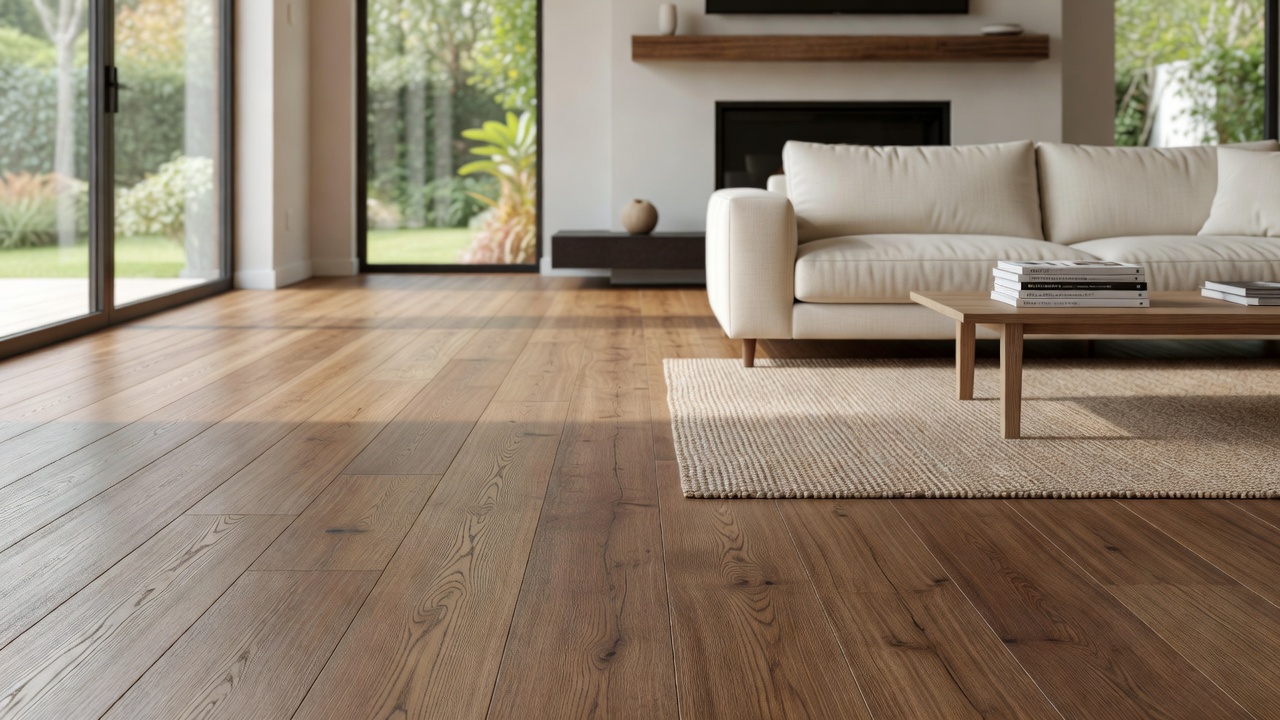 One does not simply walk on a floor of this caliber. One experiences it—heel first, then a measured swirl of the sole, as if the plank might release a secondary aroma of quietly engineered oak. After years of rigorous luxury vinyl plank reviews across eleven flagship showrooms (three of them, if we are being brutally honest, Floor & Décor), my verdict is settled: luxury vinyl plank is worth it when the wear layer is serious, the embossing is registered, and the marketing copy has been ignored with prejudice. Luxury vinyl plank, or LVP, is a multi-layer synthetic flooring product—typically a rigid or flexible core topped with a photographic wood (or stone) layer and a clear protective wear layer—engineered to mimic hardwood while resisting water, scratches, and the casual contempt of everyday life. Everything else is showroom theater.
Is luxury vinyl plank worth it?
Worth, of course, is a word that has been brutalized by people who measure value solely in cost-per-square-foot. I measure it in dignity per decade.
Honest luxury vinyl plank reviews in 2026 must begin with the admission that good LVP has stopped apologizing for not being oak. The better rigid-core products—those crowned, year after year, in the COREtec, Shaw, Karndean, and Mohawk roundups—deliver waterproofing that actual hardwood can only envy from across a flooded laundry room. Install is often DIY-friendly click-lock. Price typically lands well below comparable solid or engineered hardwood once you stop pretending the “lifetime” warranty on a $2.49 plank means anything without a receipt and a notary.
Where it earns the luxury moniker is not the brochure’s lifestyle couple laughing over a charcuterie board. It is the quiet refusal to cup, swell, or scream when a Labrador tracks in half the yard. For renters who will never own the subfloor (one speaks from experience) and for homeowners who refuse to treat their kitchen like a museum, LVP is frequently the more intelligent choice. The question is not whether vinyl can be luxurious. The question is whether you can stop shopping exclusively by the thickness of the salesperson’s smile.
I have watched budget-conscious flooring content creators—certain parties who shall remain Marnie—declare an entire category “fine” after a single weekend install video. Fine is for cafeteria trays. We are discussing floors.
What is the best wear layer for LVP?
Here the tasting notes become non-negotiable. The wear layer is the clear coat between your life and regret. Thickness is measured in mils; anything under 12 mil for a busy household is an act of optimism I cannot endorse. Twenty mil and above is where I begin to take a sample seriously. Commercial-grade 22–28 mil products exist for those who host both children and vendettas.
But mils alone are a crude metric—rather like judging a Burgundy solely by alcohol percentage. One must also assess:
- Scratch and scuff resistance under actual chair legs, not a lab’s polite stylus
- UV stability, lest your “European white oak” become “Florida garage yellow” by year three
- Registered embossing, so the texture aligns with the printed grain instead of floating above it like a bad toupee
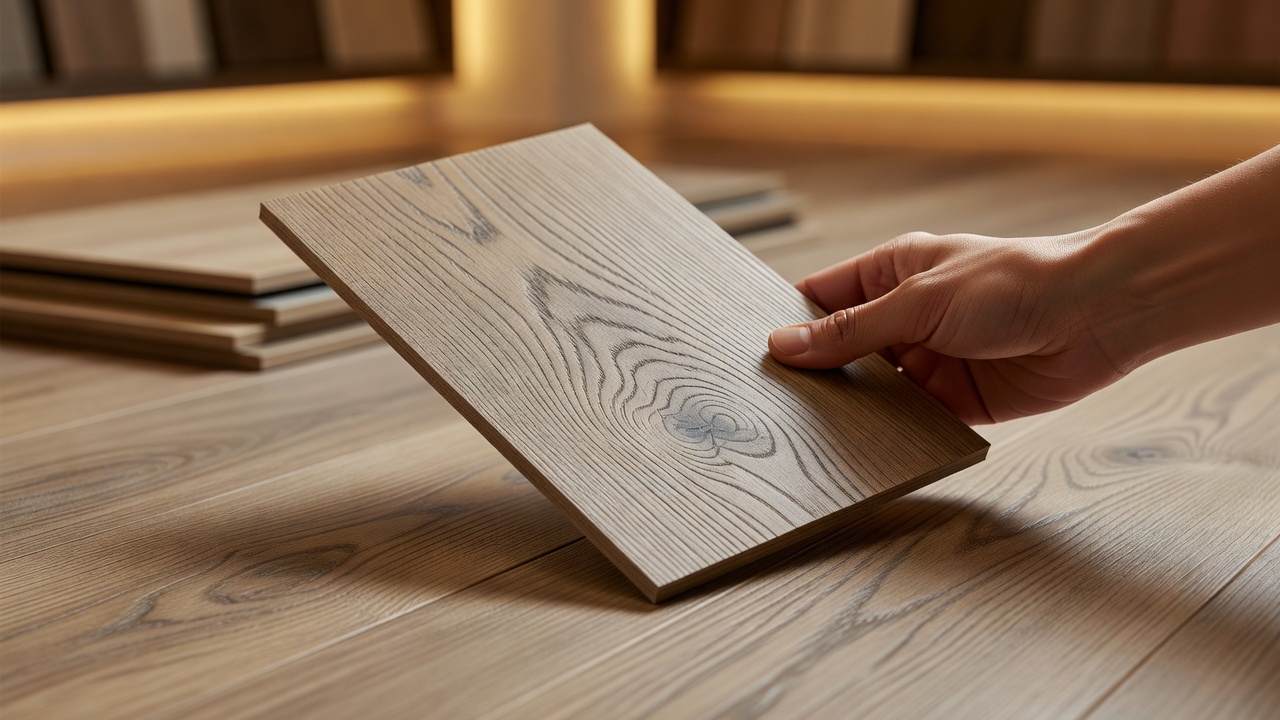
When I evaluate flooring samples, I do not merely glance. I perform the full ritual. On the nose: faint polymer, a suggestion of plasticizer fading into something almost woody if the print layer is competent. On the palate—metaphorically, one hopes—the click of a rigid core should feel decisive, not hollow. Finish: a wear layer that does not telegraph every grit of sand as a personal insult.
My working scale remains the Insoles rating, out of ten. A 6-mil peel-and-stick special from a bin near the exit? 2.0 Insoles. A well-built 20-mil rigid core with tight tolerances and honest graining? 8.5 Insoles, and I will say so without irony.
For a deeper treatment of construction layers and what the numbers actually mean underfoot, see my notes on [LINK: LVP wear layer thickness explained]. Pair that with a clear-eyed [LINK: vinyl plank flooring pros and cons] ledger before you let a showroom associate “hold a pallet.”
What are the disadvantages of vinyl plank flooring?
Satire requires honesty, and honesty requires the list no brand wants laminated beside the display.
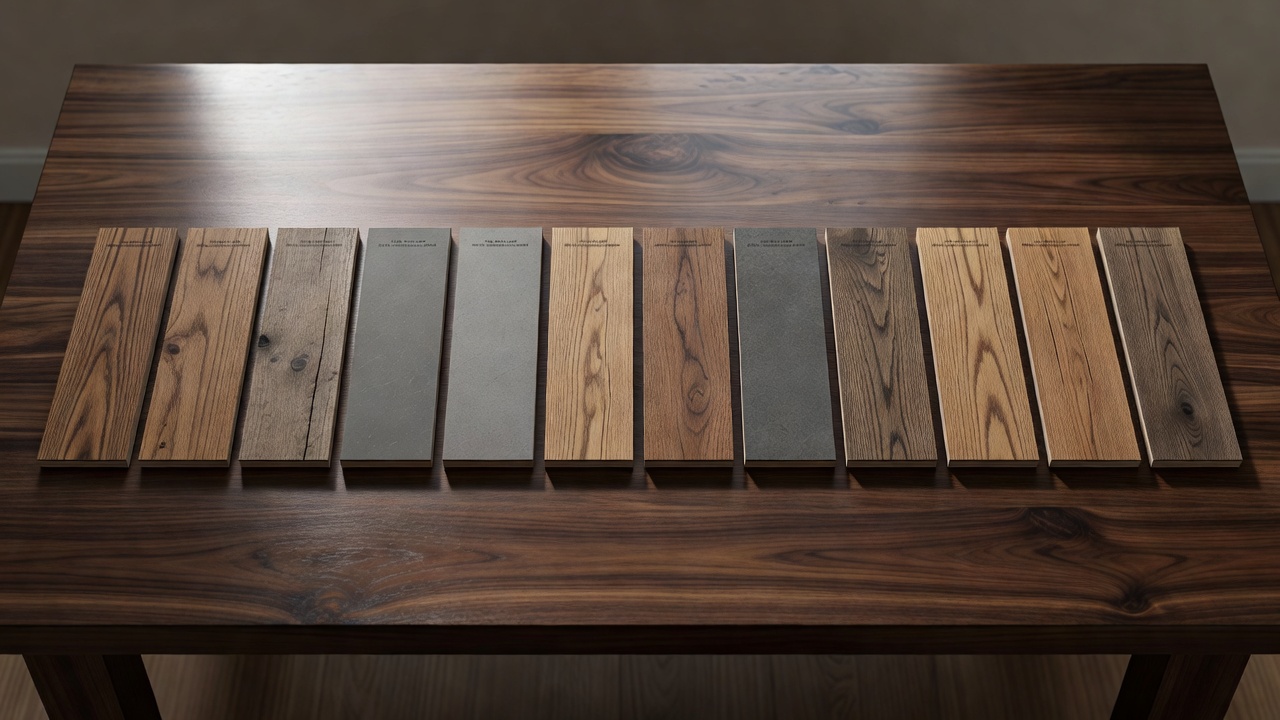
LVP can look almost like wood until it does not—usually at the edges of a large open plan where the repeating print pattern begins to rhyme with itself like a mediocre sonnet. Soft underfoot is a myth sold to people who have never stood on quality cork; many rigid cores feel closer to a polite laminate. Resale snobs in certain ZIP codes still perform a little shudder, as if vinyl might lower the neighborhood’s collective Bordeaux score. Repair is plank-by-plank rather than sand-and-refinish; you are not “refreshing the finish” in year twelve—you are hunting a dye lot that no longer exists.
And then there is the thermal honesty: LVP over a cold slab without underlayment will remind your bare feet that chemistry is not timber. Radiant heat compatibility varies; always verify rather than trust the adjective “compatible” uttered near commission time.
None of this makes the category unworthy. It makes uncritical luxury vinyl plank reviews unworthy. The disadvantages are real, specific, and survivable if you enter the aisle with your sensory faculties intact and your expectations calibrated to engineered resilience rather than ancestral forest.
How to evaluate flooring samples without becoming the showroom’s mark
Bring daylight if you can—literally a sample home to the room that will host it. Check for:
- Pattern repeat obviousness across six or more planks
- Bevel quality (painted bevels age like cheap highlighter)
- Core rigidity versus flex in the hand
- The underside: foam attached or separate underlayment required
- Whether the “oak” still looks like oak at 5 p.m. western light, not only under the showroom’s flattering LEDs
I once googled “what is a mil” in the parking lot before a tasting. Growth, as they say, is continuous.
How long does vinyl plank flooring last?
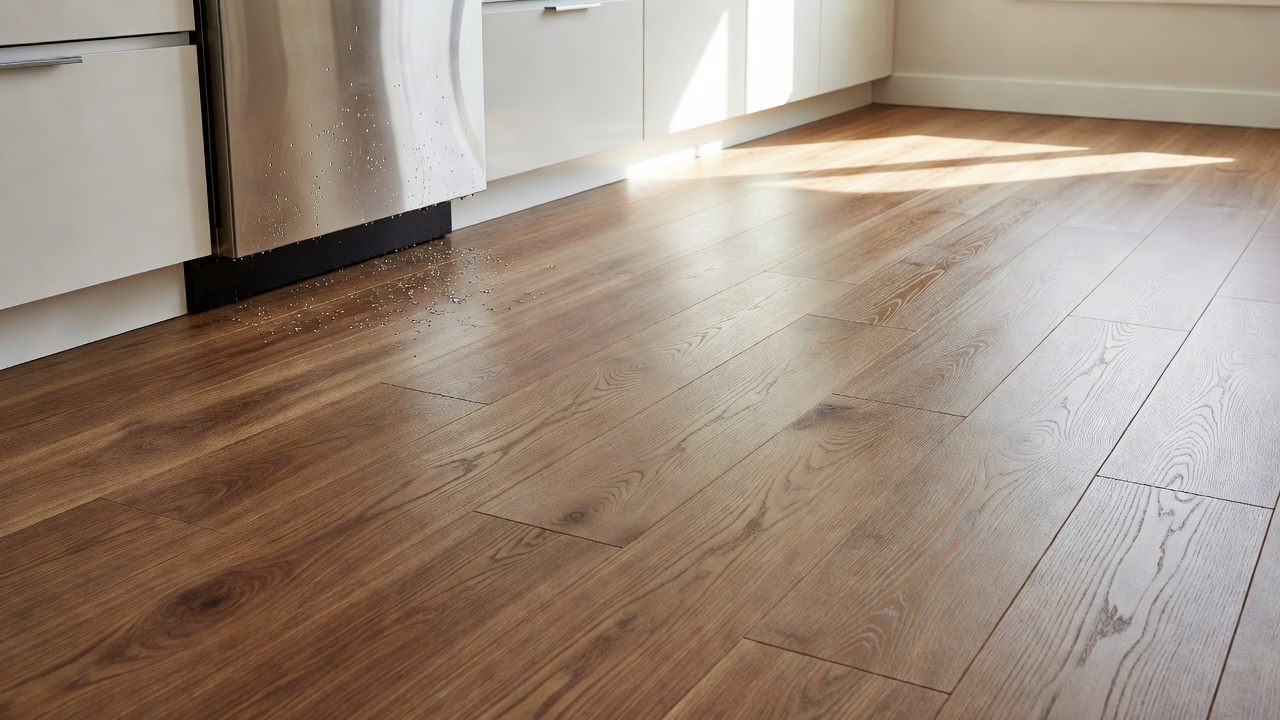
With a competent wear layer, correct underlayment, and owners who understand that “waterproof” is not a dare involving standing water left for a long weekend, quality LVP commonly delivers 15–25 years of respectable service in residential settings. Commercial ratings stretch further under different traffic math. The limiting factors are usually UV fade, abrasion through the wear layer in choke points (kitchen sink runway, pet door corridor), and the moment you simply tire of the particular “smoked hickory” you found so visionary in 2026.
Warranties of 25 years to lifetime are theater unless you keep documentation and follow the care script. I rate longevity not in marketing centuries but in whether the floor still looks intentional when the sofa is finally replaced.
Best LVP brands 2026 — a brief, unbought note
I do not accept pallets in exchange for adjectives. That said, the names that repeatedly survive both laboratory abrasion theater and my own heel-swirl methodology include the usual serious houses: COREtec for rigid-core confidence, Shaw when the design team remembers restraint, Karndean for those who want the print layer to feel considered, Mohawk when the construction specs match the price without apology, and the better Armstrong and Pergo lines when you actually read the wear-layer number instead of the lifestyle tagline. “Best” remains situational—kitchen versus basement versus the rental one hopes to leave looking unimpeachable.
FAQ
Is luxury vinyl plank worth it?
Yes, for most wet-area and high-traffic residential uses when you buy adequate wear-layer thickness and stop expecting it to be heirloom hardwood. It is waterproof, often easier to install, and typically costs less than comparable wood while surviving real life. Whether it is worth your money depends on whether you value performance over pedigree theater.
What are the disadvantages of vinyl plank flooring?
Visible pattern repeats, limited refinishing options, a cooler or harder feel than wood or cork, and lingering resale prejudice in some markets. Cheap wear layers also scratch and haze faster than marketing suggests. None of these are secret; they are simply omitted from the brochure’s laughing couple.
How long does vinyl plank flooring last?
Quality residential LVP with a 20-mil-class wear layer often lasts 15–25 years under normal use. Lifespan shortens with thin wear layers, harsh UV, grit, and neglect. Treat “lifetime” warranties as literature until proven otherwise with paperwork.
What is the best wear layer for LVP?
For busy homes, 20 mil and above is the practical standard; 12 mil is a minimum only for light-use spaces. Thicker is generally better for scratch resistance, but embossing quality and UV stability matter alongside the number. Match the mil rating to actual traffic, not to the salesperson’s optimism.
How should I read luxury vinyl plank reviews?
Ignore pure lifestyle staging and hunt for wear-layer thickness, core type, water testing notes, and whether the reviewer paid for the product. Sensory detail helps; unpaid honesty helps more. If every brand is “stunning,” you are reading a catalog with paragraph breaks.
So the floor, in the end, is not a status object. It is a surface that must endure your life without composing a tragedy about it. Choose LVP the way one chooses a weekday wine: for clarity, structure, and the refusal to embarrass you when guests arrive unannounced. I have pronounced entire collections undrinkable—metaphorically—and I sleep soundly on that record.
Tonight I shall continue my notes from the folding chair in the one-bedroom, sample planks leaned against the baseboard heater, because the “eleven showrooms” closed at eight and the good desk lamp is also the only lamp.