hardwood flooring resale value
Best Flooring for Resale Value: 2026 ROI Guide
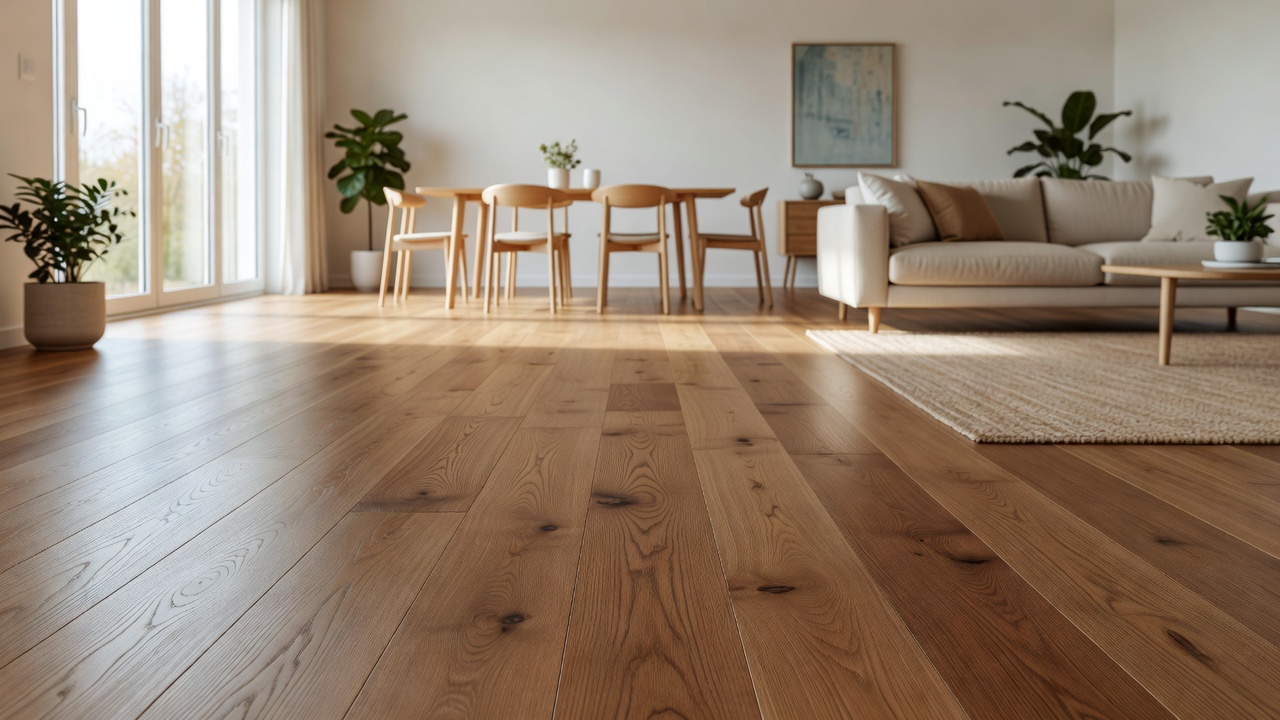 The Parkers on Elm Street listed their 1978 colonial with original shag carpet that smelled like wet dog and old popcorn. Forty-seven days on market. Zero offers. We ripped it out, installed prefinished red oak for $7,100, and closed three weeks later at $19,400 over asking.
The best flooring for resale value is hardwood. It delivers 70-80% ROI and can add up to 2.5% to your final sale price. Best flooring for resale value simply means the surface that returns the most net dollars after cost and gets buyers writing offers faster—not the one that looks best on a mood board.
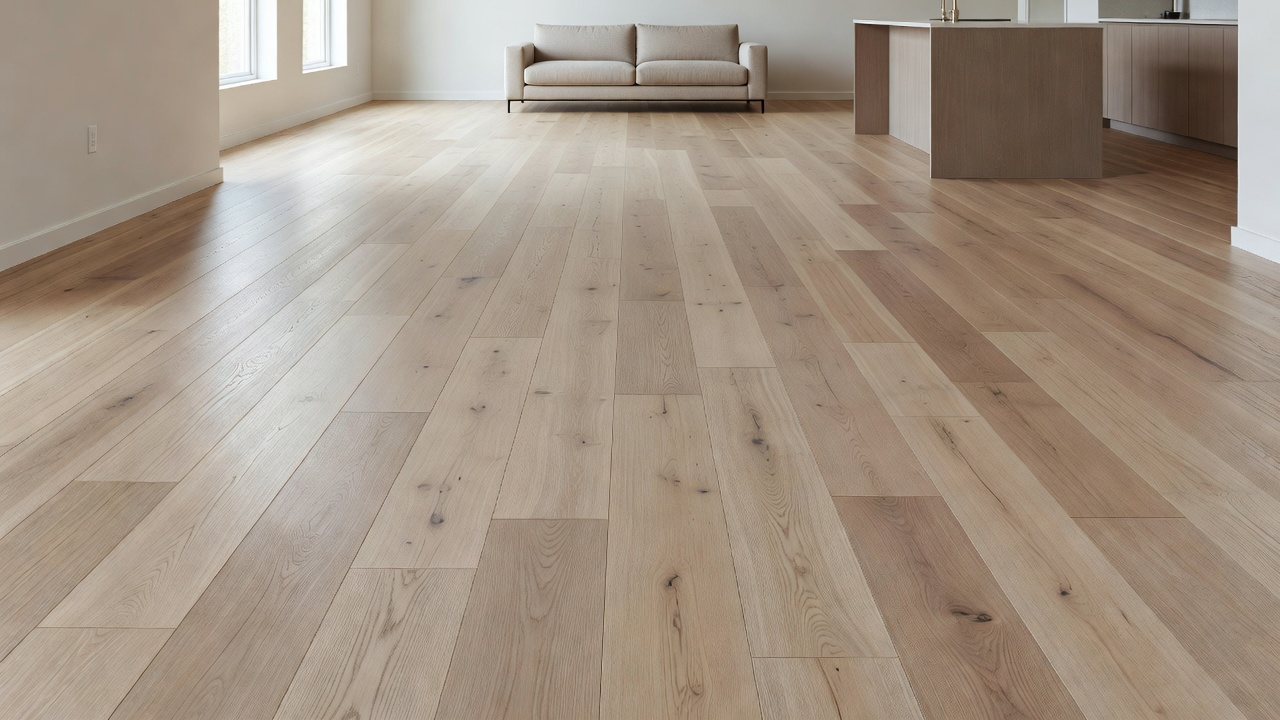
I have staged 200-plus homes. I do not care what you love under your bare feet on Sunday morning. I care what the appraiser writes and what the buyer’s agent whispers in the driveway. Flooring is one of the first three things buyers clock when they walk in. Get it wrong and you leave money on the table. Get it right and you shorten days on market.
What flooring increases home value the most?
Hardwood. Full stop. Solid or quality engineered—buyers do not split hairs the way installers do. Industry numbers I see year after year put hardwood at 70-80% cost recovery. In hotter markets I have watched it push 2–2.5% higher sale prices on otherwise identical comps. Refinish existing hardwood instead of replacing it and you can hit 100-147% recovery because the bones are already there.
Luxury vinyl plank (LVP) is the practical runner-up for mid-range houses and rentals. Lower install cost, waterproof, and buyers now accept it as “nice enough.” It rarely matches hardwood’s price lift, but it beats stained carpet every single time. Tile wins in humid climates and wet zones (kitchens, baths, laundry) where wood can cup or swell. Carpet is fine in bedrooms only—never main living if you want top dollar.
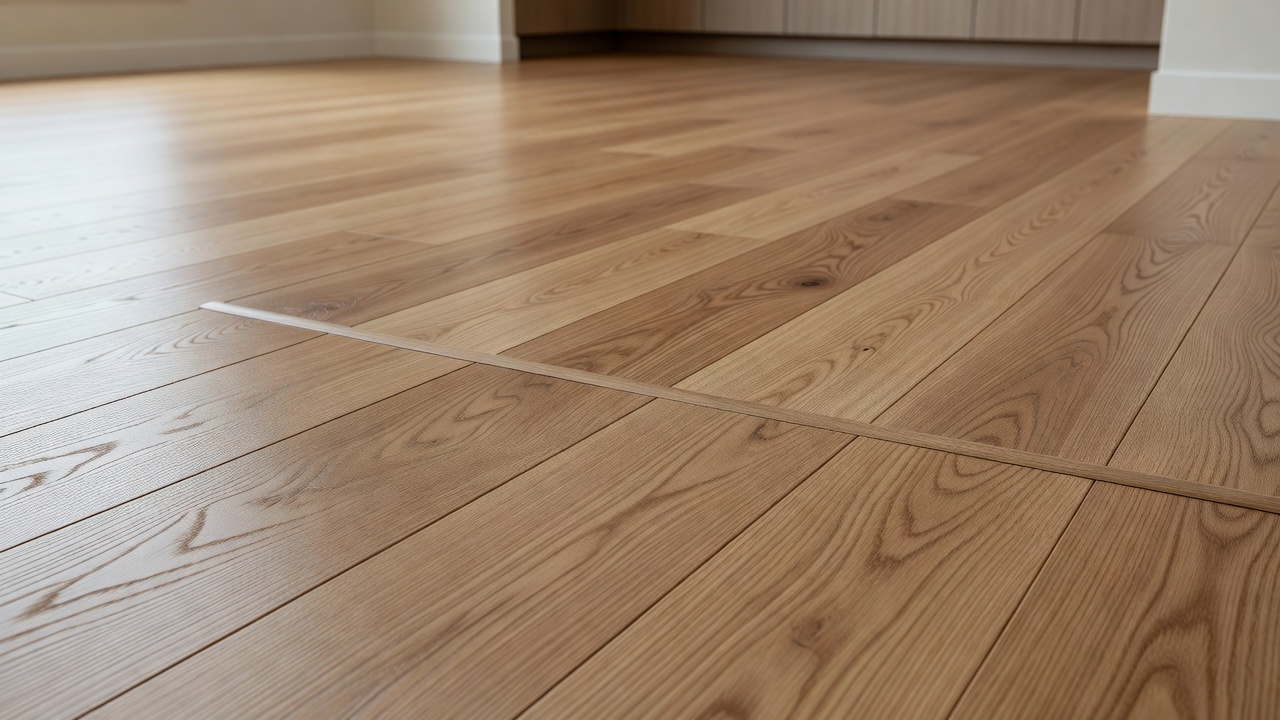
Consistency matters more than people think. One continuous hard surface from entry through kitchen and great room photographs better and feels more expensive. Patchwork floors make buyers nervous; they start subtracting.
I once watched a seller insist on pouring $14,000 into those ultra-wide white-oak planks that every designer Instagram account is currently swooning over. Gorgeous. Appraised the same as the standard 3.25-inch red oak next door. Gorgeous does not always mean it appraises. I wish it did.
Does new flooring increase home value?
Yes—when you pick the right product and stop before you over-improve the neighborhood. Fresh flooring signals “move-in ready.” Buyers mentally subtract less for repairs and staging. In my listings, swapping tired carpet for LVP or hardwood before photos routinely adds $4,000–$12,000 to the final offer depending on square footage and price point.
The catch: new flooring only helps if the rest of the house is not falling apart. Do not drop $18,000 on white oak if the roof is 22 years old and the HVAC is original. Buyers and appraisers are not stupid. They will enjoy the floors and still lowball you on the big-ticket items.
Room priority is simple:
- Entry, living, dining, kitchen—hard surfaces only.
- Hallways that connect those rooms—same material for flow.
- Primary bath and laundry—tile or waterproof LVP.
- Secondary bedrooms—carpet is acceptable and cheaper.
- Basement—LVP or polished concrete; never carpet if moisture is even a rumor.
Climate notes: in the Southeast and Gulf Coast I push tile or high-quality waterproof LVP harder than solid hardwood. Humidity fights wood. In dry mountain or desert markets, hardwood shines and holds value longer.
How much value does hardwood flooring add to a home?
Real numbers from recent deals I have closed or staged:
- 1,400 sq ft ranch, carpet to prefinished oak, cost $8,200. Sold $11,500 over the highest carpeted comp. Net gain after cost: roughly $3,300 plus 19 fewer days on market.
- 2,100 sq ft two-story, existing hardwood refinished for $3,400. Appraiser noted “updated finishes.” Final price 2.1% above similar unrefinished houses on the same street.
- Mid-century with pink tile everywhere. We kept the tile in wet areas, floated LVP in living zones for $5,900. Buyer paid $7,800 more than the last identical floor plan that still had the pink.
Hardwood flooring resale value is strongest when the rest of the house is already competitive. It is not magic. It is a multiplier.
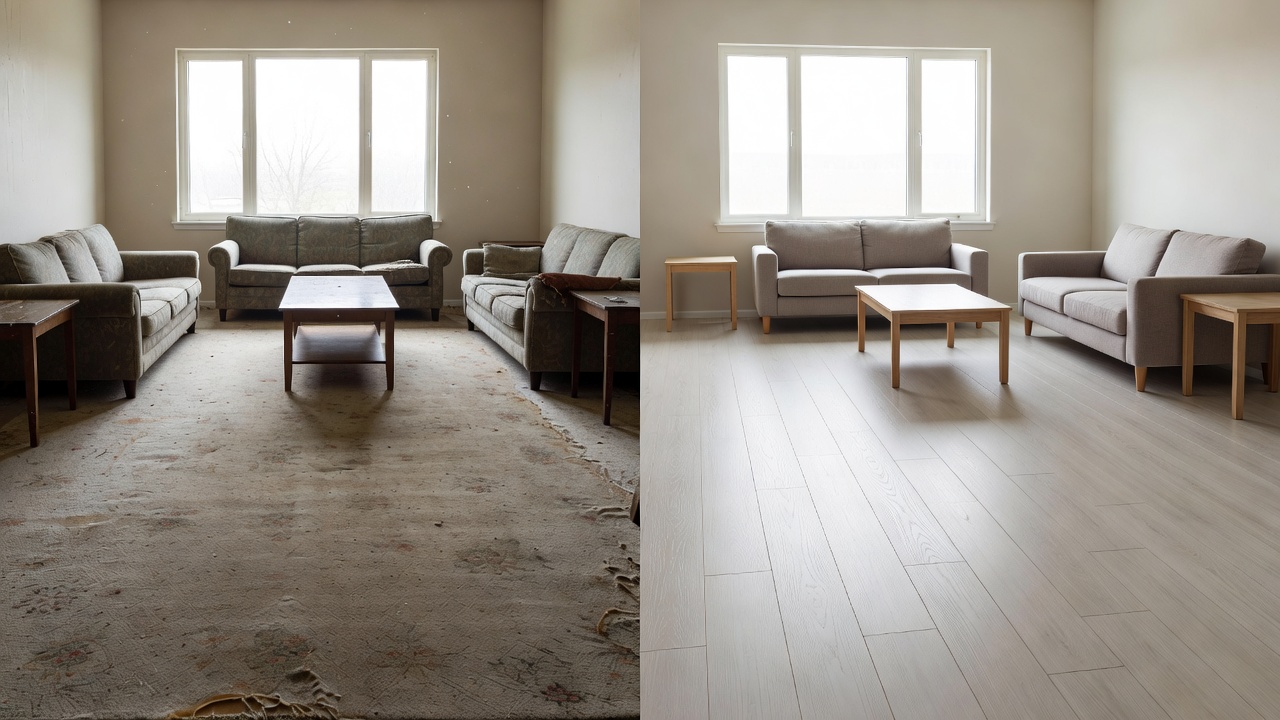
For sellers on a budget, refinishing existing hardwood almost always beats full replacement on pure ROI. Sand, stain a popular medium tone, apply a durable finish, and you just erased decades of wear for a fraction of the cost of new material. I have seen refinished floors photograph better than cheap new installs.
LVP vs hardwood for resale comes down to price tier. Under $400k list price, good LVP often delivers better net dollars because install is faster and cheaper. Over $550k, buyers start expecting real wood and will ding you if they feel you cheaped out. Know your comps before you spend.
Is hardwood flooring worth it for resale?
If you are selling inside 24 months, yes—provided you do not choose the trendiest, most expensive option on the rack. Stick to classic widths, medium tones, and low-sheen finishes. Those photograph well, feel familiar to the broadest buyer pool, and do not scream “2024 Pinterest phase.”
If you are staying five-plus years, buy what you actually want to live on and maintain it. The resale calculation changes when you get daily use out of the product.
Staging readiness is half the battle. Even perfect hardwood looks cheap if it is covered in pet hair, scuffed baseboards, or clutter. Clean it, repair any loose boards, and keep large rugs rolled up for photos and first showings. Buyers need to see the continuous run.
I still run into sellers who want the latest designer look because “it feels elevated.” Elevated is nice. Appraised value is nicer. Spend the difference on lighting and paint if the floors are already solid.
FAQ
What flooring increases home value the most?
Hardwood—solid or engineered—consistently tops the list with 70-80% ROI and the strongest buyer preference. Refinishing existing hardwood can recover even more of the cost.
Does new flooring increase home value?
Yes, when it replaces damaged or outdated surfaces in main living areas. Expect faster offers and a measurable price bump, often 1.5–2.5%, if the rest of the house is market-ready.
How much value does hardwood flooring add to a home?
Typical lift is 2–2.5% of sale price plus high cost recovery. On a $450,000 house that can mean $9,000–$11,250 before subtracting install cost.
Is hardwood flooring worth it for resale?
If you are listing within two years and choose a classic, mid-range product, yes. Over-spending on trendy wide planks or exotic species rarely pays back dollar-for-dollar.
Should I choose LVP or hardwood when selling?
Hardwood for higher price points and dry climates; quality LVP for mid-range homes, rentals, or moisture-prone areas. Both beat old carpet. Match the neighborhood comps—[LINK: LVP vs hardwood cost comparison] and [LINK: refinishing hardwood before listing] will show you the exact math for your square footage.
Selling in the next two years or just living your life? Because the answer changes everything I just said.