questions to ask flooring contractor
What Flooring Installers Wish Homeowners Knew
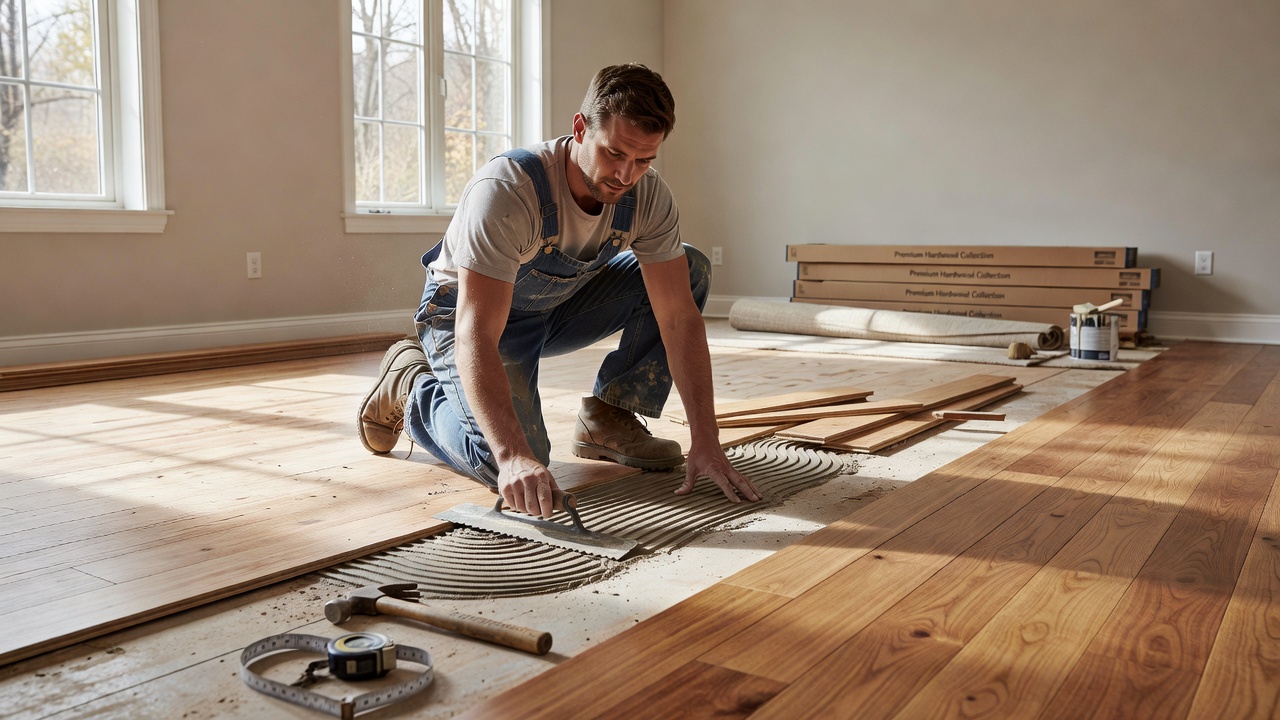 I was on my knees in a McLean kitchen last Tuesday when the homeowner pointed at cupping LVP and asked why her "premium" floor failed in six weeks. What flooring installers wish homeowners knew is this: most floors don't fail because of the material — they fail because of the slab, the skipped moisture test, the rushed prep, and the contractor who bid low enough to skip all three. Installer reality is the unglamorous truth that a floor is only as good as what sits under it and whether anybody bothered to check the numbers before the first plank went down. Never trust a floor that "looks fine" in the showroom lighting. That sample board under perfect LEDs has nothing to do with your damp basement or the out-of-level plywood in the upstairs hall.
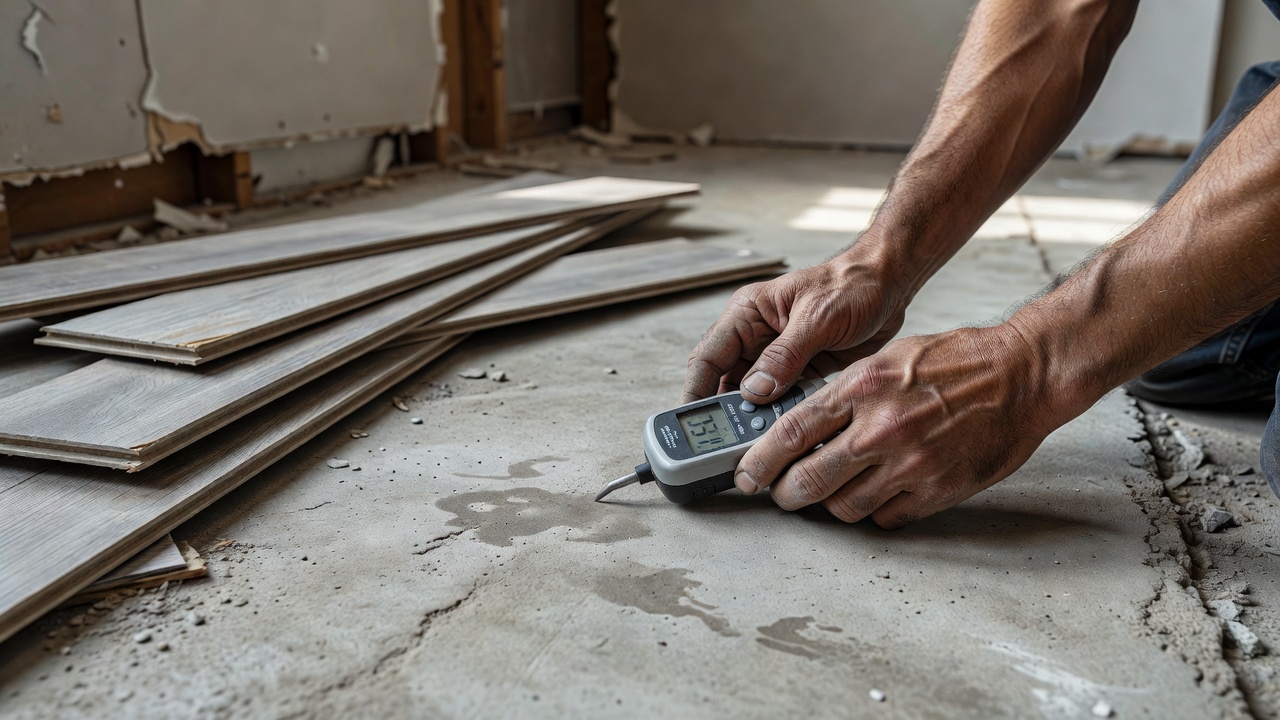
I drank two gas-station coffees that morning waiting for the moisture meter to confirm what I already smelled. The previous guy had glued straight to a slab that read 14 pounds on the calcium chloride test. Manufacturer max is usually 3 to 5. That's not a gray area. That's a callback with my name on it if I don't rip it all out.
Why is subfloor preparation and moisture testing so important?
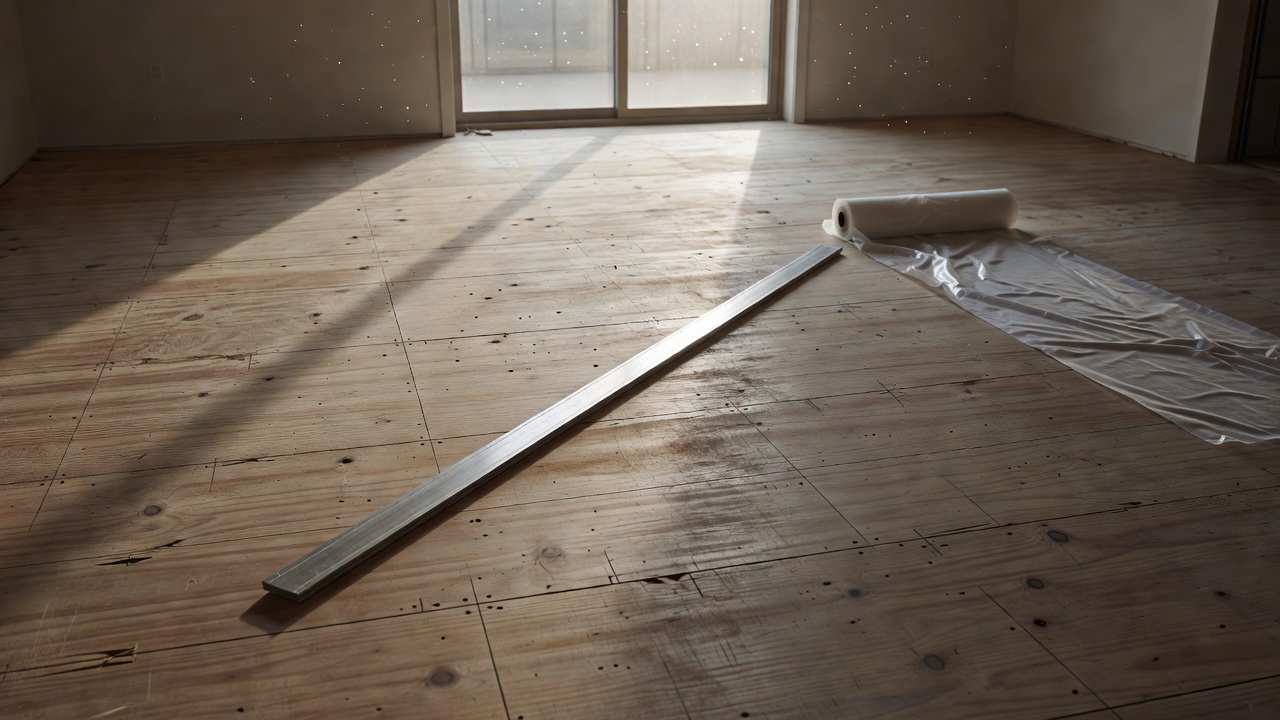
Subfloor prep is 80% of the job and nobody wants to pay for it. I say that on every estimate and watch half the homeowners flinch. They want the pretty part. They do not want to hear that their "solid" plywood has a 3/8-inch dip across ten feet or that the slab needs a full moisture mitigation system before anything floating or glued goes down.
Moisture testing is not optional theater. I carry a pin meter, a pinless meter, and calcium chloride kits because one reading in one spot means nothing. I once did a whole-house engineered hardwood job in Arlington for a couple who swore the basement "had always been dry." We tested anyway. Slab was fine in the middle. Along the exterior wall it was a swamp — 18 pounds per thousand square feet. They argued. I walked. Six months later their "other guy" had to tear out $14,000 of white oak that had cupped so hard you could trip on the edges. The cupping started at the wall, exactly where the meter screamed. That floor still lives in my head every time somebody says "it looks dry to me." Moisture does not care about your timeline or your Pinterest board. It cares about vapor drive, temperature differentials, and whether the installer was too cheap or too rushed to spend the extra day.
Acclimation matters too. Wood and most rigid-core products need days in the actual house, not the garage, not the truck. Expansion gaps are not suggestions. I still see people butting planks tight to the baseboard because they hate the look of a quarter-round. Then summer hits and the floor tents like a circus.
If you want the long version of how we actually flatten and dry a floor before product goes down, read the full breakdown on [LINK: subfloor prep before flooring installation]. It is not glamorous. It is the difference between a floor that lasts and one I get called back to bury.
What are the biggest red flags when hiring a flooring installer?
Lowball bids that undercut everybody by 30 percent. Vague contracts that say "install flooring" with no mention of prep, moisture testing, or disposal. Demands for 50 percent or more upfront before a single tool hits the truck. No proof of insurance or license when you ask. Anybody who tells you the subfloor "looks fine" without pulling a meter or a straightedge. Anybody who shrugs when you ask about the manufacturer's required relative humidity range.
I had a guy in Falls Church once who hired the cheapest crew he found on a app. They showed up in a minivan, no moisture kit, no leveling compound, and finished a whole first floor of click-lock in a day and a half. Floor failed in four months. He called me to fix it. I charged him more than the original install because now we had tear-out, haul-away, proper mitigation, and a real install. The cheap job is almost never the cheap job.
Watch for the ones who push the trend of the month — ultra-matte black wide planks in a sunroom with no UV discussion, or that polished-concrete-look vinyl everywhere because some magazine called it "industrial" — without talking about what the substrate actually needs. Pretty pictures do not equal a dry slab.
What questions should I ask a flooring contractor before hiring?
Ask these in this order and write the answers down:
- Will you moisture-test the subfloor and give me the numbers in writing before any product is ordered?
- What specific prep is included in this price — leveling, patching, vapor barrier, existing floor removal — and what is extra?
- Can I see your certificate of insurance and the manufacturer installation requirements you plan to follow?
- How long will the material acclimate on site and who is responsible if the job runs long because of it?
- What does your warranty actually cover versus the product warranty, and who do I call in year three?
If they dodge any of those, keep looking. Good installers are not offended by the list. We are relieved. It means you might actually let us do the job right instead of fighting over a change order later. For more on how quotes should read, see [LINK: questions to ask flooring contractor].
Is professional flooring installation worth the cost vs DIY?
Yes, when the floor is anything other than a simple floating LVP over a known-flat, known-dry surface in a single room with no transitions. DIY fails I get called to fix almost always share the same sins: no moisture numbers, no acclimation, wrong underlayment, tight perimeter, and furniture dragged back on too soon. The material cost is the same. The tear-out and redo is not. Professional installation is worth it because you are paying for the boring parts that keep the floor down — the meters, the compounds, the patience, and the guy who has already made the mistake you are about to make and does not want to make it again on your dime.
I have fixed enough "we watched the video" jobs to know the video never shows the slab that reads wet or the hallway that is out of level by half an inch. Pay for the prep. Pay for the test. Or pay twice.
FAQ
What questions should I ask a flooring contractor before hiring?
Ask about written moisture test results, exactly what prep is in the bid, proof of insurance, acclimation plan, and who handles warranty callbacks. Get the answers in writing before you sign. Anything less is how callbacks get born.
What are the biggest red flags when hiring a flooring installer?
Bids far below everyone else, big money demanded upfront, no insurance proof, contracts that skip prep details, and anyone who refuses to moisture test. Those five predict failure more reliably than the brand of flooring.
Why is subfloor preparation and moisture testing so important?
Because the finished floor only performs if the substrate is flat, clean, and dry to the manufacturer's numbers. Skip either one and you own the cupping, peaking, or adhesive failure later. Prep is most of the real work.
Is professional flooring installation worth the cost vs DIY?
For anything beyond basic floating floors on perfect subfloors, yes. The money you save on labor usually gets spent on fixing moisture and flatness mistakes the video tutorials skip. Hire the person who owns a meter and knows how to use it.
How long should flooring acclimate before installation?
Most wood and rigid-core products need 48 to 72 hours in the actual rooms, stacked properly, at normal living temperature and humidity. Garage time does not count. Rushing this is a classic installation mistake contractors see every season.
Anyway. Call somebody before you rip anything out. Doesn't have to be me. Should probably be me.