best flooring for resale value
Should I Replace Flooring Before Selling? 2026 ROI
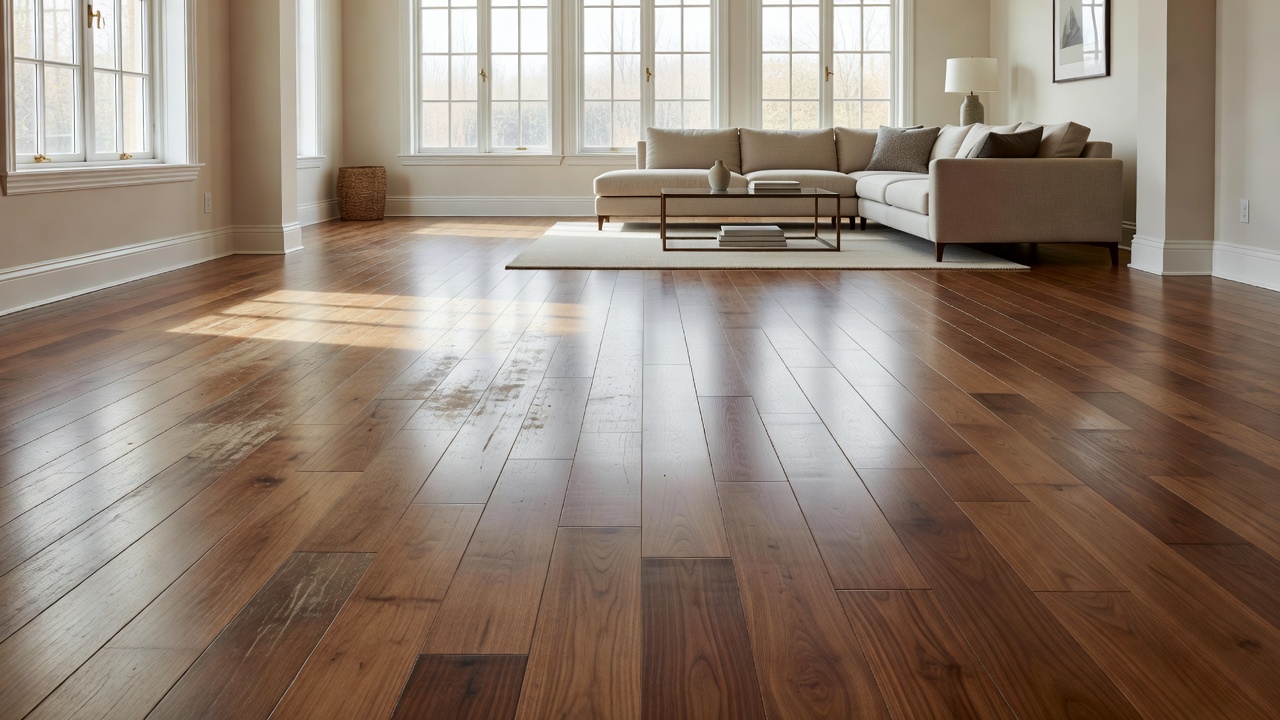 The Reyes listing on Birch sat 61 days with zero offers. Stained beige carpet in the living room, a warped laminate hallway, and a “make your own flooring decision” note in the remarks. We pulled it, installed mid-grade LVP in the main living areas for $6,800, relisted, and it went pending in 11 days at $14,500 over the adjusted ask. That’s the whole game.
Should I replace flooring before selling? Yes—if the existing floors are damaged, outdated, or carpet in primary living zones and the net ROI pencils out for your price band. No—if a deep clean, refinish, or targeted allowance gets you the same buyer pool without the cash outlay. Replacing flooring before selling is a pre-listing upgrade that removes objections, shortens days on market, and lifts final offer price; it is not a passion project.
I have staged floors so ugly I wanted to write the buyers an apology note. I do not care that your carpet “still has life.” I care what appraises and what makes a buyer stop calculating a discount in their head at the front door.
Does new flooring increase home value?
It can. It does not always.
NAR and Angi data still hold in 2026: hardwood refinishing can return up to 147%, new solid or engineered hardwood lands roughly 70–118%, and quality LVP typically recovers 50–80% of cost at resale when it replaces worn carpet or broken laminate in the rooms buyers actually walk first. Those percentages are averages. Your net is what matters after install, disposal, and carrying costs while the work happens.
In a $375k–$550k starter or move-up, swapping tired carpet for consistent LVP in living, dining, and hallways routinely adds $8k–$18k to the winning offer and shaves 2–4 weeks off market time. Above $800k, buyers expect real hardwood or a convincing engineered look; cheap LVP there can actually ding perceived quality. Below $300k, a heavy clean plus a flooring allowance often wins because buyers are stretching and want cash flexibility.
Gorgeous does not always mean it appraises. I wish it did. Trend-forward herringbone in a color that photographs like a mood board but scares half the buyer pool is a staging failure dressed up as design.
Is it worth replacing carpet before selling?
Almost always in the main living areas. Almost never in every single bedroom if the carpet is clean, neutral, and less than eight years old.
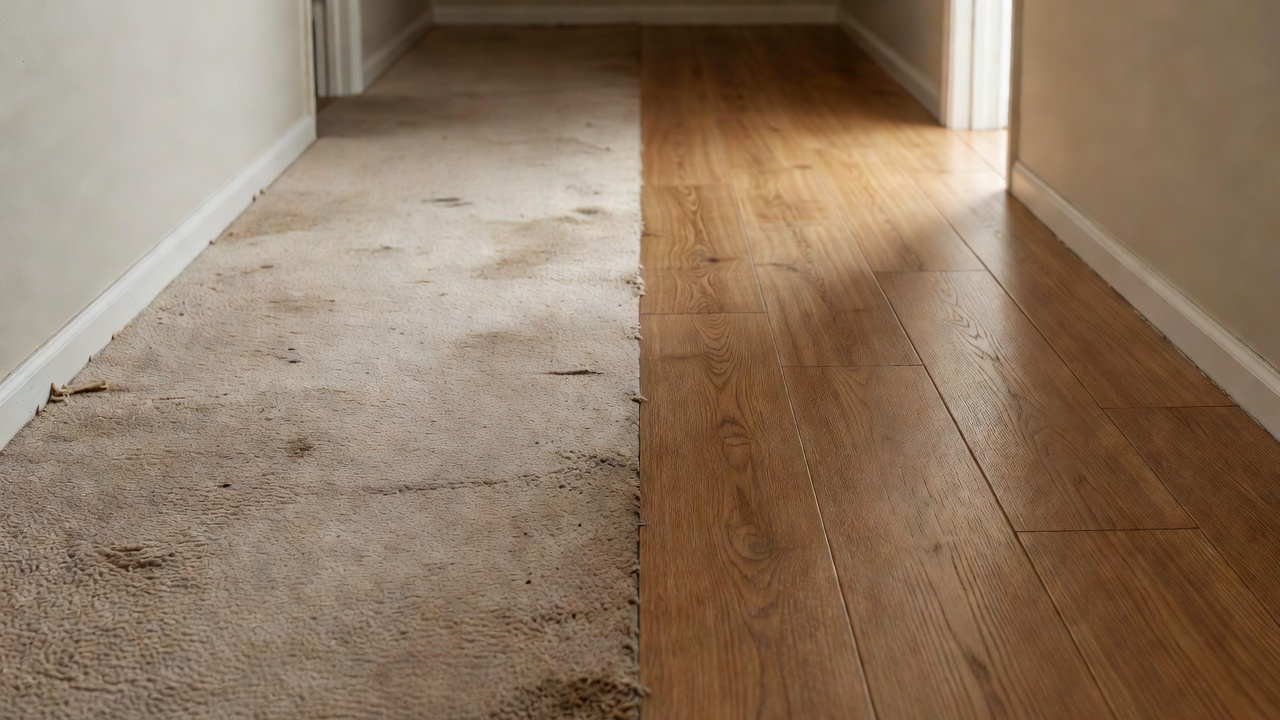
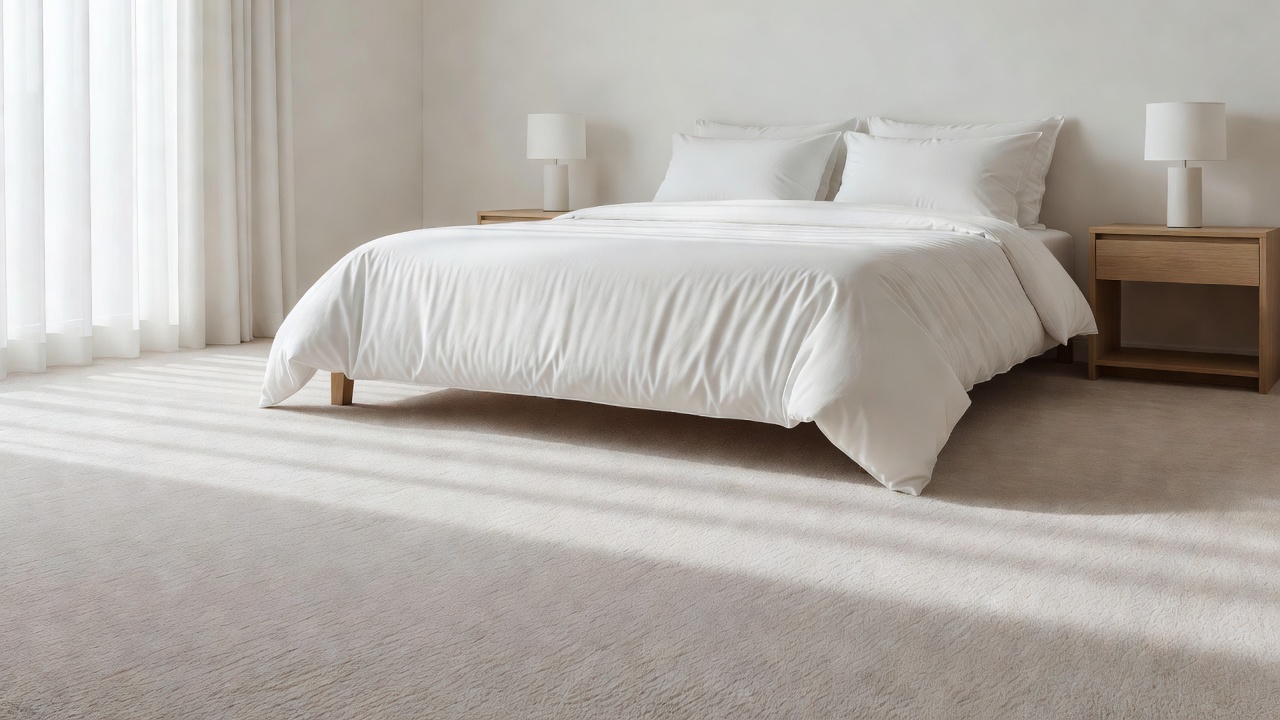
Carpet is the fastest way to trigger the “what else is wrong” spiral. Pet odor, traffic paths, and that gray-beige that every 2014 builder loved turn into line-item deductions. I had a three-bed in the West End where we left the bedrooms carpeted (professionally cleaned, $420 total) and only replaced the downstairs and stairs with waterproof LVP. Net cost $5,100. Appraiser noted “updated flooring throughout main level.” Sold $9,800 over list in nine days. The buyers still replaced the bedroom carpet six months later—with their own money and their own taste. That is the correct outcome.
If the carpet smells like dog even after cleaning, replace it. If it is pink or sculpted like a 1990s hotel, replace it. If it is light gray, low-pile, and stain-free, clean it and move on. [LINK: best flooring for resale value] is not always the most expensive option; it is the one that stops the mental math.
Should I refinish or replace hardwood before listing?
Refinish first. Always run the numbers on refinishing before you tear anything out.
Existing hardwood in decent shape is still the highest-ROI play in most markets. A full-screen refinish on 800–1,200 sq ft usually runs $3.50–$6.50 per foot installed depending on species and sheen. That job routinely returns more than 100% because buyers walk in and feel “original character, already done.” Replacement with new hardwood can run $12–$22 per foot and only makes sense if the boards are cupped, missing, or covered in irreversible pet damage.
Engineered hardwood that is too thin to refinish again gets treated like LVP in my pricing models—replace with better LVP or a thicker engineered product only if the surface looks tired and the rest of the house is updated. I will take consistent mid-tone LVP over patchy mixed hardwood any day of the week for a clean appraisal.
One more number drop because people keep asking: in the last 18 months my listings that did a full main-level flooring refresh (LVP or refinished hardwood) averaged 23 days on market versus 41 days for comparable homes that offered a flooring allowance instead. Allowances feel generous on paper. In practice they feel like homework. Buyers want to move in, not schedule contractors.
The only decision framework I actually use
- Walk the house the way a buyer does—front door, living, kitchen sightline, primary suite. Anything that makes you wince in those first 90 seconds is a candidate.
- Price the work three ways: clean/refinish only, replace main living only, full replace. Get real bids, not internet averages.
- Subtract cost from expected lift. If net is under $2,000 or the work pushes your list price into the next tax bracket of comps, stop.
- Check consistency. Mixed flooring types in open sightlines kill momentum faster than slightly dated but uniform floors.
- Decide allowance vs replace by buyer pool. First-time buyers and investors like allowances. Move-up and luxury buyers treat allowances like a red flag that you skipped work.
I still see agents push full-house white oak when the kitchen is original 1998 oak cabinets. That is designer logic without resale math. Match the level of the rest of the house. Over-improving floors while the baths still have cultured marble is how you donate money to the next owner.
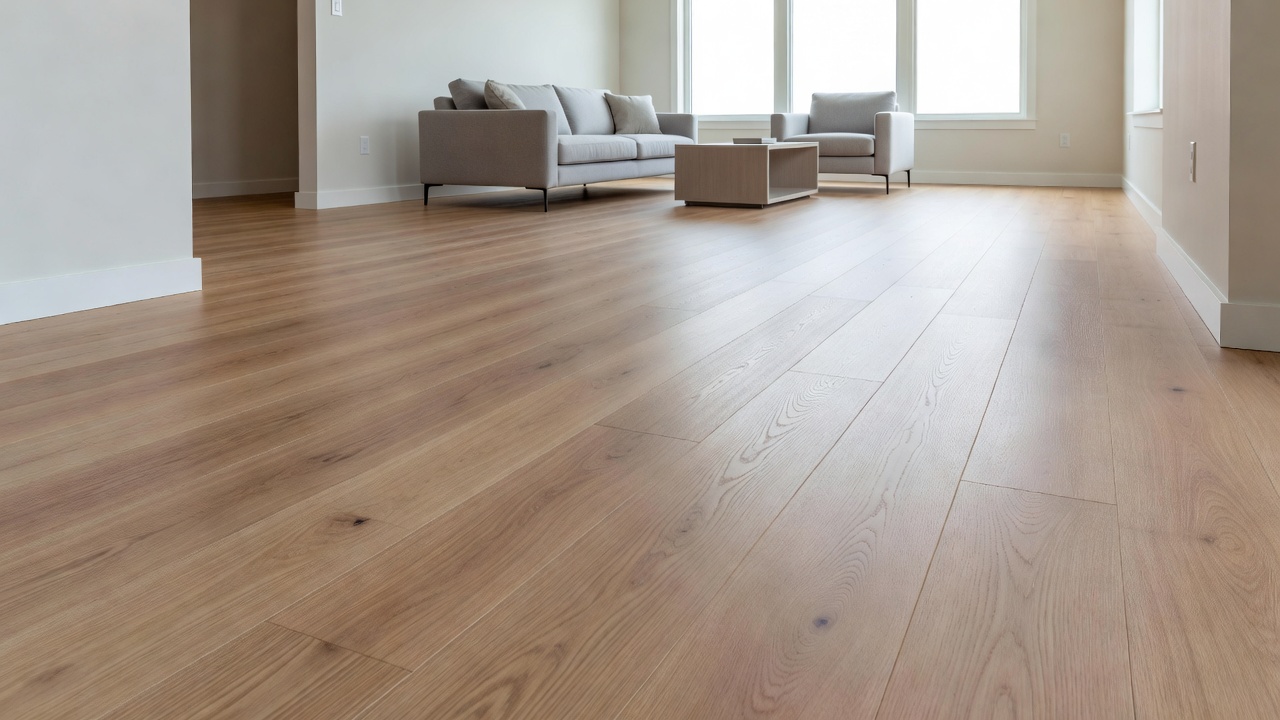
For most 2026 sellers in the middle of the market, LVP remains the cost-impact sweet spot over worn carpet. It photographs clean, handles pets and kids during showings, and appraisers have finally stopped treating it like a downgrade when the planks are thick enough and the install is tight. Hardwood still wins pure emotional connection and top-tier price points. Vinyl sheet and cheap peel-and-stick still lose. Every time.
If you are debating [LINK: flooring allowance vs replace], default to doing the work when the floors are in the first three rooms a buyer sees. Offer the allowance when the only issue is bedroom carpet the buyer will change anyway, or when your timeline is under ten days and you literally cannot get installers.
FAQ
Should I replace flooring before selling my home?
Replace when floors are damaged, smelly, or visually dated in main living areas and the projected offer lift exceeds cost by a meaningful margin. Clean or refinish when the bones are good. An allowance is a last resort for speed, not a strategy.
How much value does new flooring add?
Expect 50–80% cost recovery on quality LVP replacing carpet, higher on hardwood refinishing (sometimes over 100%), and highly variable results on full hardwood replacement. Net after install and time is the only number that counts.
Is LVP or hardwood better for selling in 2026?
LVP wins on cost, speed, and water resistance for most mid-market homes. Hardwood or high-end engineered still wins above roughly $750k or in historic neighborhoods where buyers expect it. Match the house, not the Instagram feed.
Should I refinish or replace hardwood before listing?
Refinish if the boards are sound. Replace only if they are structurally shot or too thin for another sanding. Refinishing almost always delivers better ROI and keeps the character buyers pay for.
When is a flooring allowance smarter than replacing?
When your only soft spot is secondary bedroom carpet, when installers cannot start for three weeks and rates are dropping, or when you are priced at the absolute top of comps and any added cost breaks the appraisal. Otherwise, do the work.
You are not installing floors for your future self. You are removing reasons for a stranger to lowball you. Run the actual bids. Walk the house cold. Then decide.
Selling in the next two years or just living your life? Because the answer changes everything I just said.