Refinishing Hardwood Floors ROI: Is It Worth It?
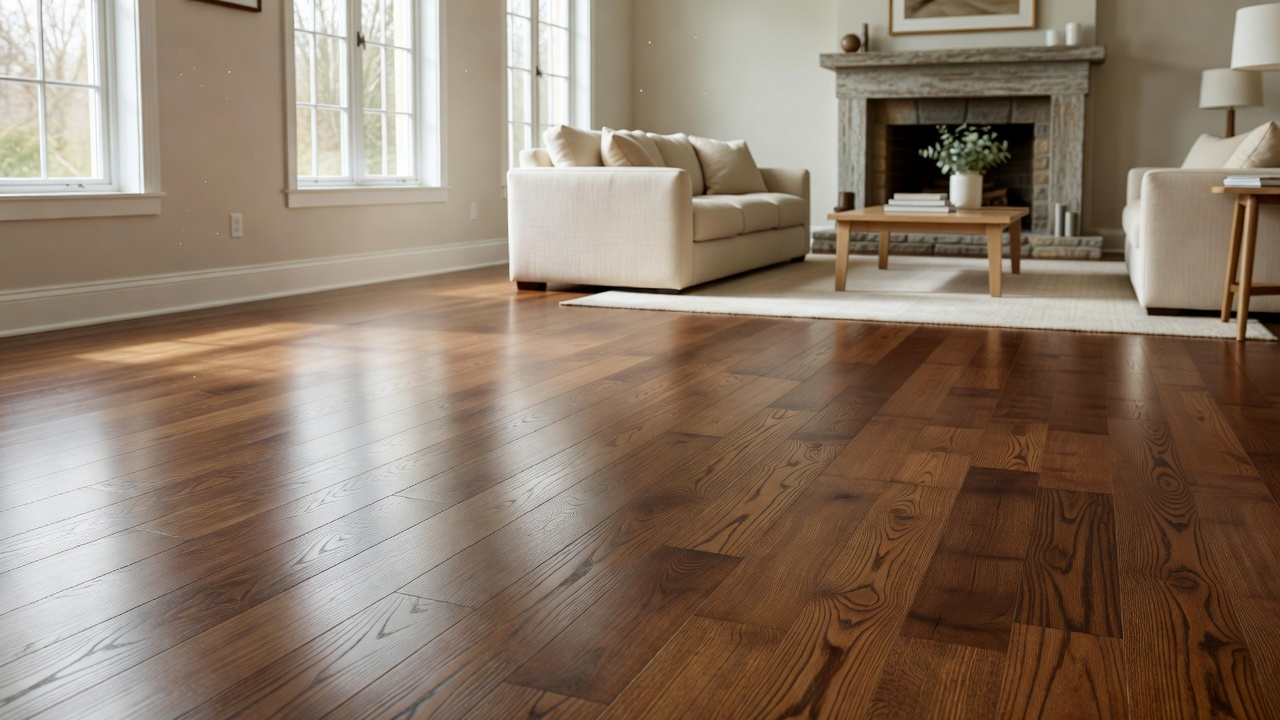 The Marquez colonial sat 47 days. Buyers loved the bones. They hated the orange-tinted, dog-scratched oak that screamed 1998. We pulled it, spent $4,200 refinishing the main level, relisted. Under contract in six days at $12,500 over the adjusted ask. That is refinishing hardwood floors ROI in actual dollars, not a brochure. 2025-2026 data still pegs it as high as 147%—you get more back than you spent when the boards are solid. Refinishing hardwood floors ROI is the resale value added divided by the cost to sand, stain, and seal existing hardwood. If the wood is sound, this is usually the single highest-return flooring move before you list.
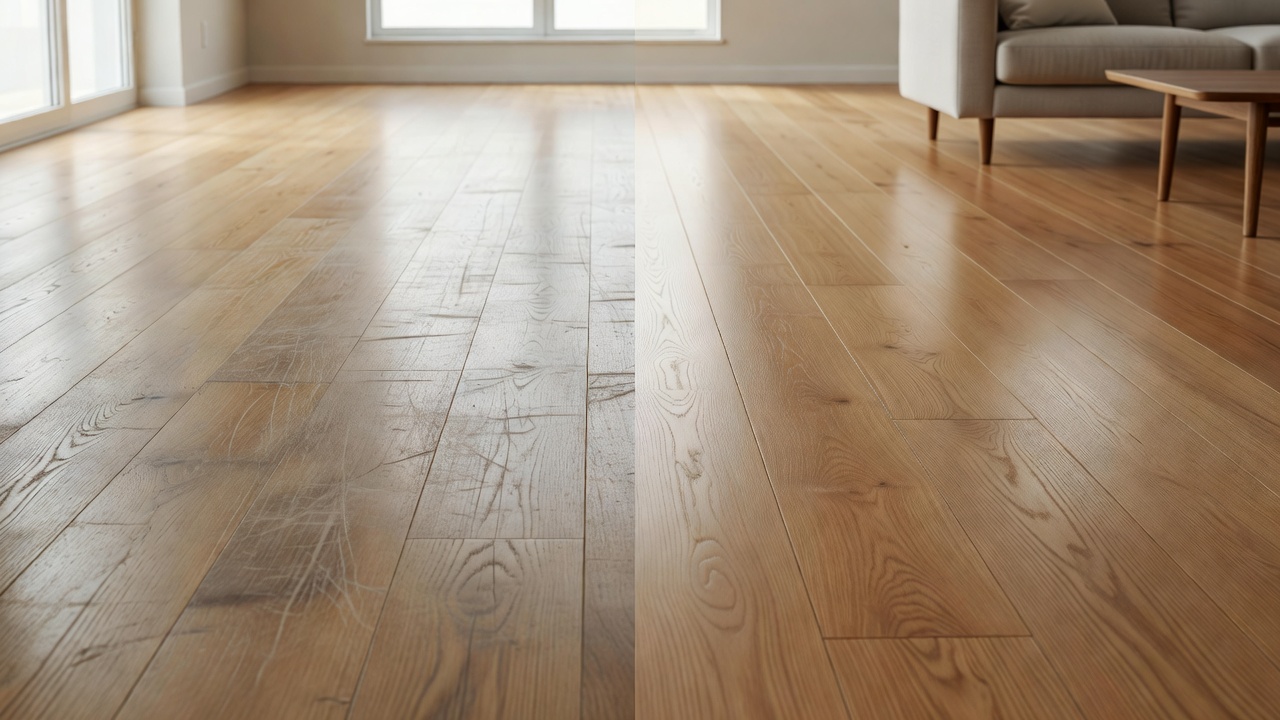
Is refinishing hardwood floors worth it before selling?
Usually yes—if the hardwood is real, thick enough for another sanding, and not water-ruined. I have watched sellers pour $18,000 into brand-new wide-plank white oak only to net less lift than a $5,100 refinish on the original strip oak. Appraisers and buyers both treat “freshly refinished original hardwood” as a feature, not a repair.
The math only works when you stay in the realistic band. Average full-house refinish (1,200–1,800 sq ft main living) runs $3.50–$7.50 per sq ft in most metro markets right now, so $4,200–$13,500 all-in for sanding, two coats of poly, and basic stain. Hit the mid-range and the 147% figure is achievable when the rest of the house is staged clean and priced right. Go designer-custom with hand-scraped looks or exotic dark stains and you start burning the ROI. Gorgeous does not always mean it appraises. I wish it did.
Buyer psychology is blunter than design blogs admit. They walk in, look down first, and decide in under eight seconds whether the house feels “cared for” or “project.” Scratched, yellowed, or mismatched floors telegraph deferred maintenance even if the roof is new. A neutral, evenly finished floor removes that objection and lets them focus on square footage and light. That is why I push refinishing harder than most agents push new LVP when the original wood is salvageable. See my notes on [LINK: staging floors for listing photos] if you are prepping next month.
When it is not worth it: cupping from past leaks, boards already sanded to the tongue, or a house that needs a full gut anyway. In those cases you are better off with a clean LVP install and a lower price. Do not romanticize the wood if it is toast.
Which flooring type has the best ROI for resale?
Here is the ranking I actually use with sellers, not the one that looks pretty on Pinterest:
- Refinished existing hardwood — up to 147% ROI when done mid-grade and neutral. Lowest cash out, highest buyer preference signal.
- New solid or engineered hardwood in a timeless species/width — roughly 70–100% ROI. Costs more upfront ($12–$22 per sq ft installed), so the percentage drops even if absolute value added is solid.
- Quality LVP (rigid core, realistic wood look, mid-tone) — 50–75% ROI. Cheap to install, durable, but buyers still mentally discount it versus real wood. Fine for basements, rentals, or heavy-traffic ranch houses.
- Porcelain tile that looks like stone or wood — 40–65%. Great in wet zones, overkill and cold-feeling in living rooms for most markets.
- New carpet — often under 50% and sometimes negative if you pick a trendy color. Only use it in bedrooms if the rest of the house is hard surface.
The gap between #1 and everything else is why I fight sellers who want to rip out tired but viable oak for the latest gray LVP trend. You are spending more to get less appraisal love and a smaller pool of traditional buyers. Climate matters too: humid markets punish solid hardwood if it was never acclimated; dry mountain markets love it. Match the floor to what already sells on your block, not what a designer just posted. For the full cost-side comparison I keep updating, check [LINK: LVP vs hardwood ROI].
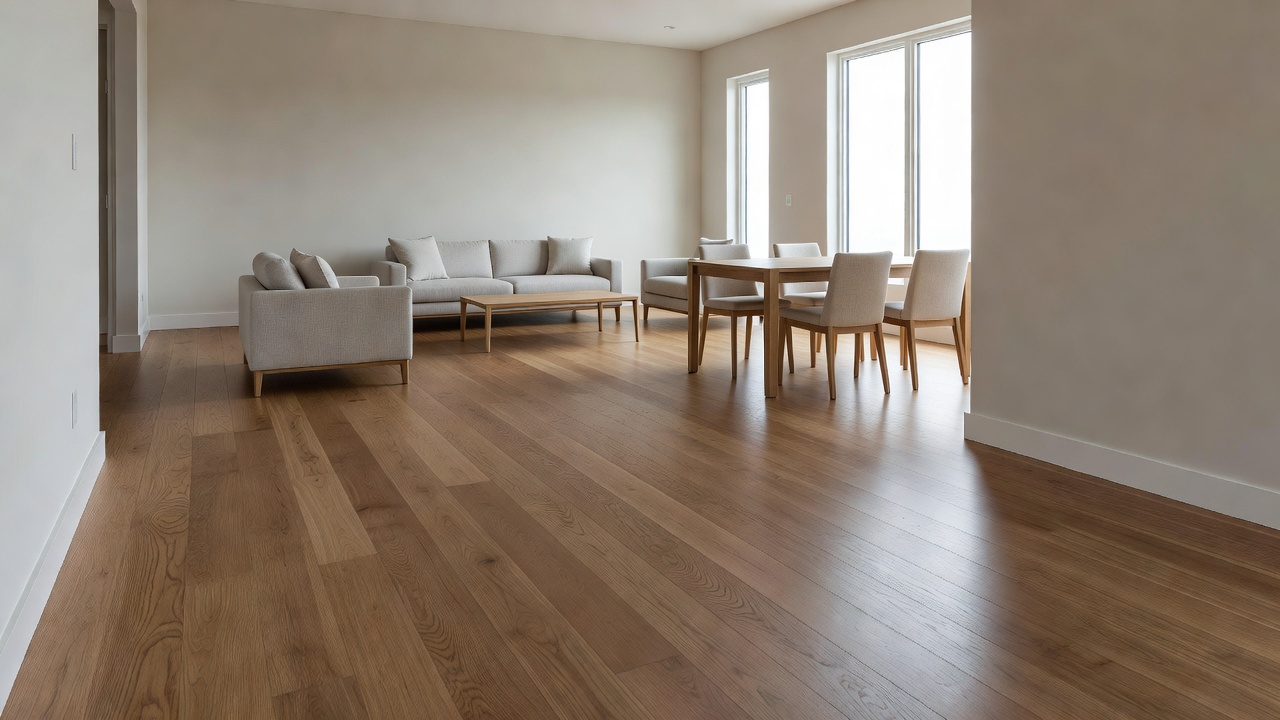
Does new flooring increase home value?
Yes, but the type and the condition it replaces decide how much. Fresh flooring is one of the few interior upgrades that still moves both appraised value and offer strength in 2025-2026 data. NAR-linked studies and the big resale reports keep showing hard-surface floors (especially hardwood) as a top buyer demand item—often beating kitchen cosmetic refreshes for pure ROI when the old floors were the weak link.
The lift is not automatic. I staged a tidy ranch last fall where the owners had installed gorgeous herringbone engineered oak in only the living room and left the hallway in the original beaten laminate. Buyers fixated on the transition. The appraisal came in light. Continuity beats drama. If you are going new, keep the same species and tone through the main living areas or you create visual cuts that read as “unfinished project.” Neutral mid-tones still photograph and show best; heavy gray or near-black floors polarize and can shave days on market in family neighborhoods.
Refinishing almost always beats full replacement on pure ROI because the substrate is already paid for. Replacement only wins when the old floor is structurally dead or when you are changing the entire layout. Budget the difference carefully: that $8,000–$15,000 you save by refinishing instead of replacing can stay in your pocket or go toward the exterior paint and lighting that actually frame the floors in listing photos.
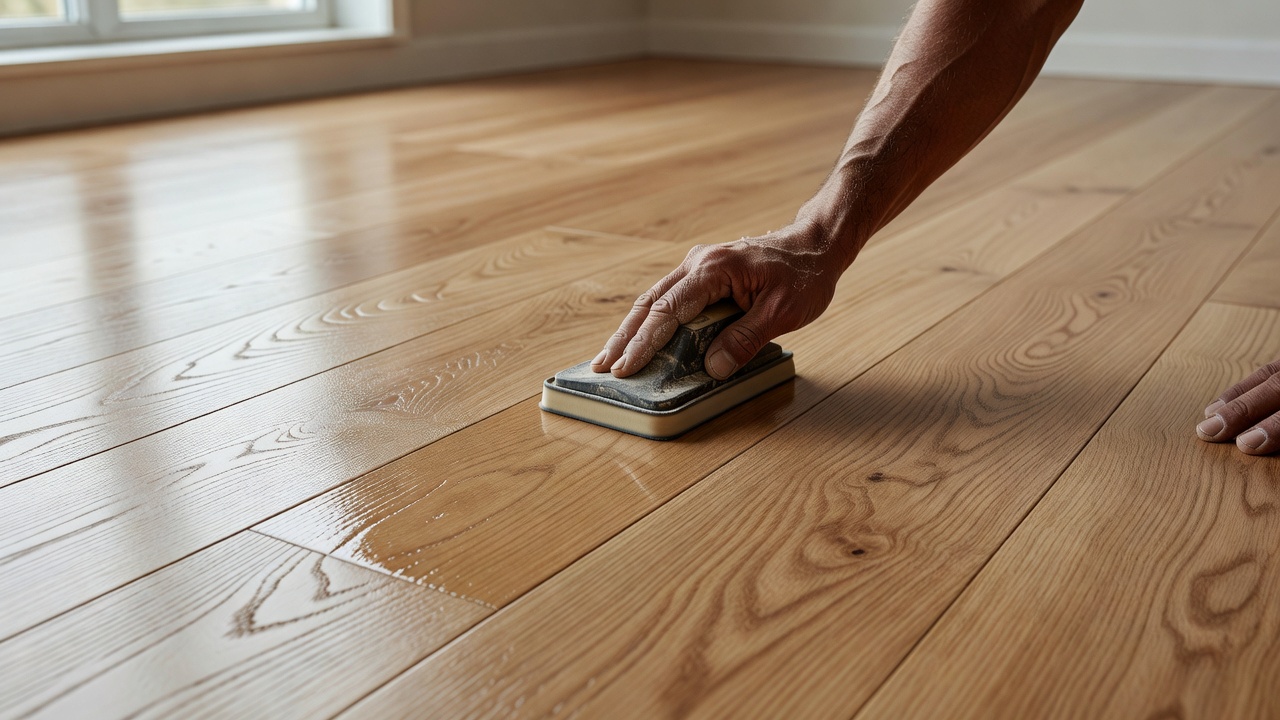
One more reality check before you call the crew. I have lost count of the open houses where a seller spent on trendy wide-plank white oak with a matte black stain because it looked “current,” then watched buyers ask if the floors could be lightened. Trend-forward floors that do not match neighborhood comps sit longer. Appraisers pull comps with similar finishes; if nothing nearby has your dramatic choice, you eat the premium. Keep it boring. Boring sells.
FAQ
What is the ROI on hardwood floors?
Refinishing existing hardwood still posts the highest interior number—up to 147% in current 2025-2026 roundups—while new hardwood installs typically land between 70% and 100% depending on material grade and market. You recoup more of a smaller check with refinishing than you do with a full tear-out. That is the entire game for most sellers.
Is refinishing hardwood floors worth it before selling?
Yes when the boards have life left and the finish is the only problem; the $4,000–$10,000 range commonly returns more than it costs in both offer strength and days on market. Skip it only if the wood is too thin, water-damaged, or the house needs heavier systems work first. Everything else is just preference.
Does new flooring increase home value?
It does when it replaces something buyers hate (worn carpet, damaged vinyl, uneven transitions) and stays neutral enough to photograph well. Expect stronger lifts from continuous hard surfaces than from partial upgrades or bold design statements that limit the buyer pool.
Which flooring type has the best ROI for resale?
Refinished original hardwood leads, followed by new mid-grade hardwood, then quality LVP. Carpet and high-design tile trail unless the room type demands them. Match what already closes in your zip code.
How soon before listing should I refinish?
Four to six weeks minimum so the finish fully cures and you can complete staging and professional photos without rush marks. Last-minute jobs show dust in the baseboards and smell like poly on tour day—both kill the “move-in ready” feeling.
Selling in the next two years or just living your life? Because the answer changes everything I just said.