Most Durable Flooring for High-Traffic Areas: Pro Ranking
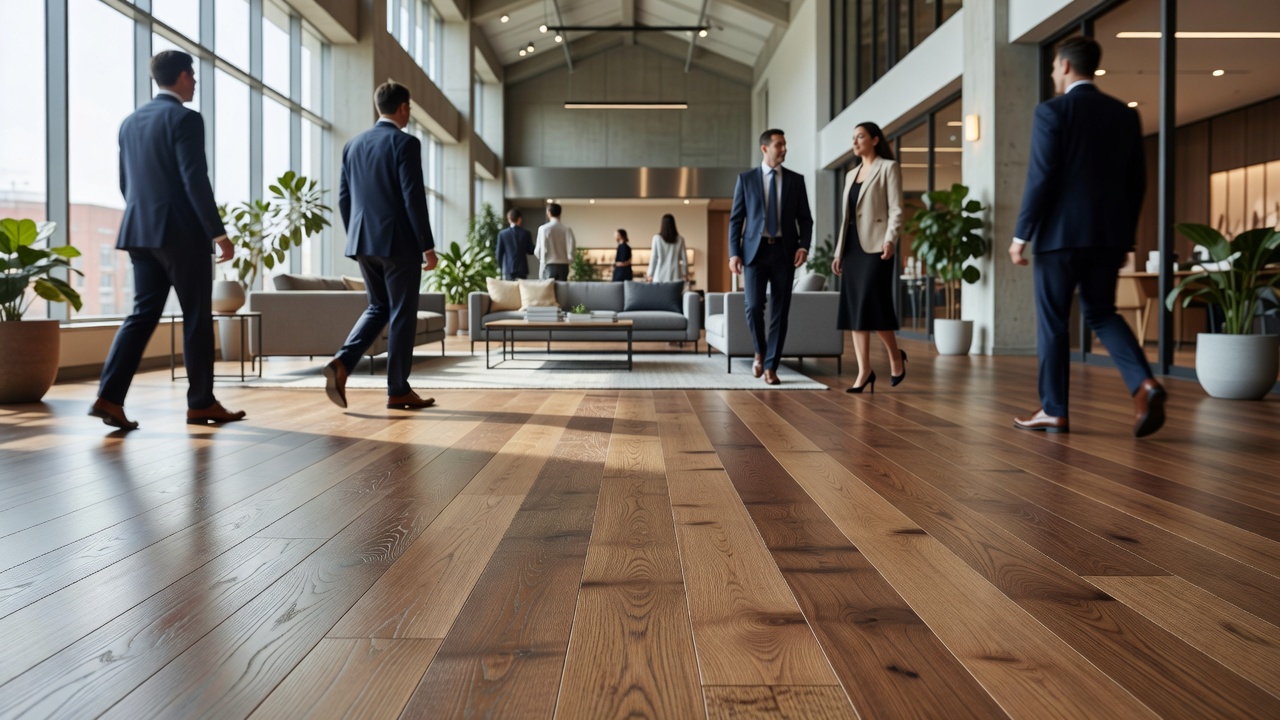 The Martinez kitchen still smells like burnt coffee in my head. I told them three times the slab needed a full moisture check before we touched a single box, and they waved me off because the previous "installer" said the concrete looked dry. Two winters later the cheap floating floor cupped like a potato chip. The most durable flooring for high-traffic areas is porcelain tile installed over a solid, dry, properly prepped subfloor—period. After that you get commercial-grade LVP and high-AC laminate if the underlayment and transitions are done right. Most durable flooring for high-traffic areas means the surface that still looks honest after kids, dogs, dropped cast iron, and twenty years of real abuse—not the one that wins a lab abrasion test under perfect showroom light.
I have been on my knees since Clinton's first term. The floors that last are not the ones with the prettiest Instagram photos. They are the ones nobody rushed.
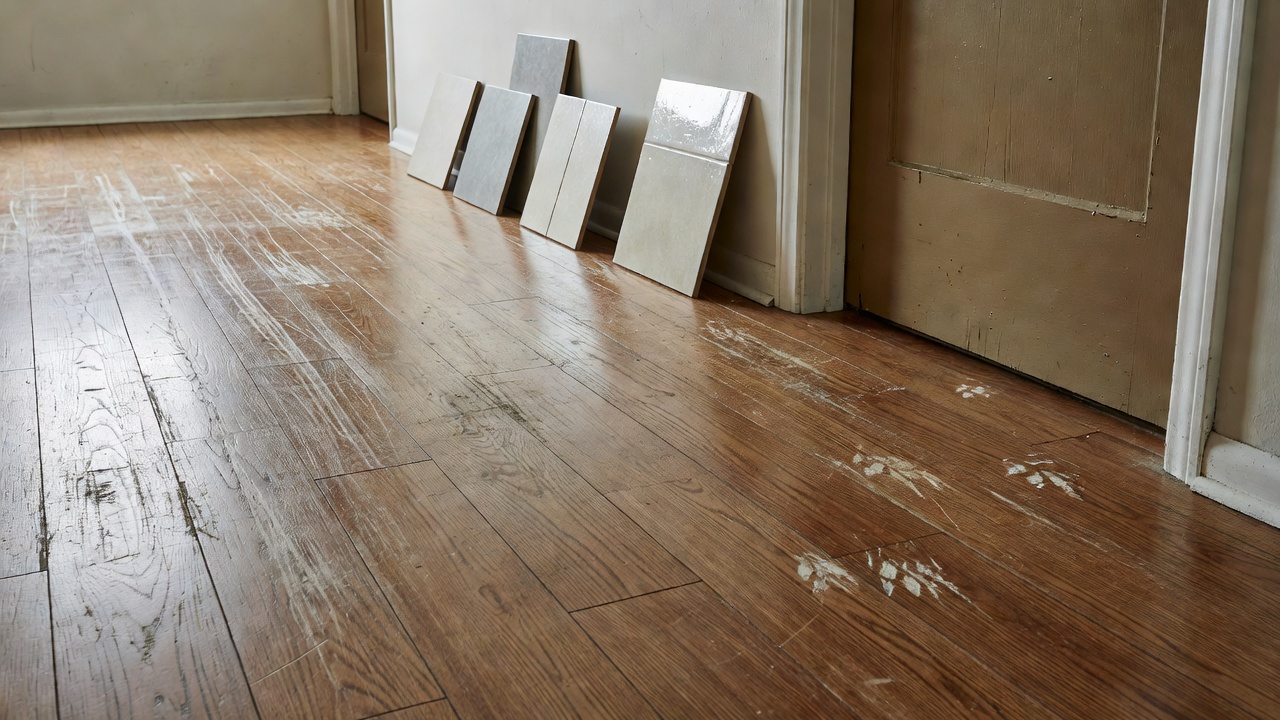
What is the most durable type of flooring?
Porcelain tile. Not ceramic. Porcelain. Body-colored, through-body if you can get it, PEI 4 or 5, set in thinset on a flat, dry substrate with the right membrane where the slab demands it. I have walked porcelain floors I set in the late nineties that still take full family traffic—dog nails, roller chairs, the works—and the only damage is the grout someone scrubbed with the wrong acid. Refinishing is not the point. Survival is.
People love to crown LVP next because the wear layer numbers look impressive on a box. Fair enough—20 mil commercial LVP holds up better than most homeowners expect if the subfloor is flat within the manufacturer's tolerance and you do not treat the locking system like a puzzle for toddlers. But LVP still fails at the edges and transitions when moisture or movement shows up. Laminate with a real AC4 or AC5 rating can hang in a hallway if you keep standing water off it, yet I have replaced more swollen laminate edges than I care to count after one bad dishwasher leak.
Hardwood? Beautiful. Refinishable. And it dents. Real-world hardwood durability in a busy house with labs and skateboards is a different conversation from the one the showroom wants to have. Engineered helps with stability, but the wear layer still has to be thick enough to sand, and water still wins eventually. If you want the long version on how hardwood actually behaves under kids and pets, read my notes on [LINK: hardwood durability real world] before you write the check.
Subfloor prep is 80% of the job and nobody wants to pay for it. I will say that until they put it on my stone.
What is the most scratch-resistant flooring?
Porcelain again, if we are talking claws, chair legs, and grit tracked in from the driveway. A good glazed porcelain laughs at most of what a German shepherd can throw at it. LVP with a heavy wear layer and aluminum oxide topcoat comes second—scratches show less on the right visual, and you can usually replace a single plank if the locking system still cooperates. Laminate scratches more visibly once the wear layer is breached; the photo layer underneath is not forgiving. Hardwood scratches and dents, full stop. You can buff some of it out on a solid board with enough meat left, but that is maintenance, not immunity.
I watched a couple last spring pick a pale wide-plank look because it photographed like a magazine spread under those purple showroom LEDs. Never trust a floor that "looks fine" in the showroom lighting. Six months of real life and every grit mark read like a highway. They called me back angry. I was not surprised.
Is engineered hardwood durable enough for a busy family?
Sometimes. If the wear layer is 3–4 mm or better, the core is stable, the finish is commercial-grade, and—this is the part everyone skips—you control moisture like it owes you money. Engineered hardwood can handle a busy family better than solid in some climates because it moves less, but it is still wood. Dropped cans leave souvenirs. Standing water from a pet bowl or a slow fridge leak will telegraph. I will install it in a dining room or bedroom hallway without much argument. I push back hard on kitchens and mudrooms unless the client has already accepted the maintenance reality.
The fad right now is treating every surface like it should look like unfinished European oak while performing like a warehouse floor. That combination exists mostly in marketing copy. Shade intended.
What actually kills floors in high-traffic houses
Moisture testing. Here is the rant I give every single time and half the clients still try to skip. I show up, meter the slab, and the reading is high enough to fog a windshield. They say it "feels dry." I explain calcium chloride or relative-humidity probes, the manufacturer's warranty language, and what happens when vapor drives up through a floating floor in February. They nod. Then they ask if we can just "go ahead because the movers come Friday."
I still remember the Henderson job off Route 9—open-concept ranch, two goldens, three kids under ten, brand-new "waterproof" vinyl plank the husband bought on a flash sale. Slab read 12 pounds on the calcium chloride test. I wrote it on the proposal in block letters. They hired the other guy who did not test. Fourteen months later the planks were telegraphing every joint in the concrete, edges peaking, and the smell under the baseboards was the exact sour note of trapped vapor and cheap underlayment. I pulled it up on a change-order they hated paying for. The replacement porcelain is still perfect. That floor lives in my head every time someone tells me their concrete "looks fine." Moisture does not care about your closing date or your Pinterest board. Test it, remediate it, or plan on seeing me again under worse circumstances.
Dry, flat, stable subfloor. Sound underlayment where the product calls for it. Transitions that actually allow for movement instead of the decorative metal strip someone caulked solid. Those details beat any wear-layer brag on the carton. If you want the practical side-by-side on how LVP holds up when the prep is right versus when it is not, I already wrote it down under [LINK: LVP durability high traffic].
Here is the only ranking I will stand behind after thirty years of callbacks:
- Porcelain tile on a prepped, dry substrate — longest real lifespan, best scratch and water story, grout is the only ongoing argument.
- Commercial LVP (20 mil+ wear layer) over flat subfloor with correct underlayment and expansions — excellent for most busy homes if you respect the locking system and keep heavy rolling loads honest.
- High-AC laminate (AC4/AC5) in dry areas with ruthless spill discipline — cheaper, serviceable, but water is still the enemy at the seams.
- Thick-wear-layer engineered hardwood in moderate-traffic dry rooms — refinishable if you bought enough wood above the core, dents are part of the deal.
- Everything sold as "pet proof" or "indestructible" without a PEI, AC, or mil rating you can verify — marketing, not a specification.
Price reality, not fantasy: quality porcelain installed right often lands $12–25 per square foot depending on layout and membrane needs. Good LVP installed properly runs less up front and still delivers ten to twenty years in a real house when the slab cooperates. The bargain bin material that skips prep costs you twice.
FAQ
What is the most durable flooring for pets and kids?
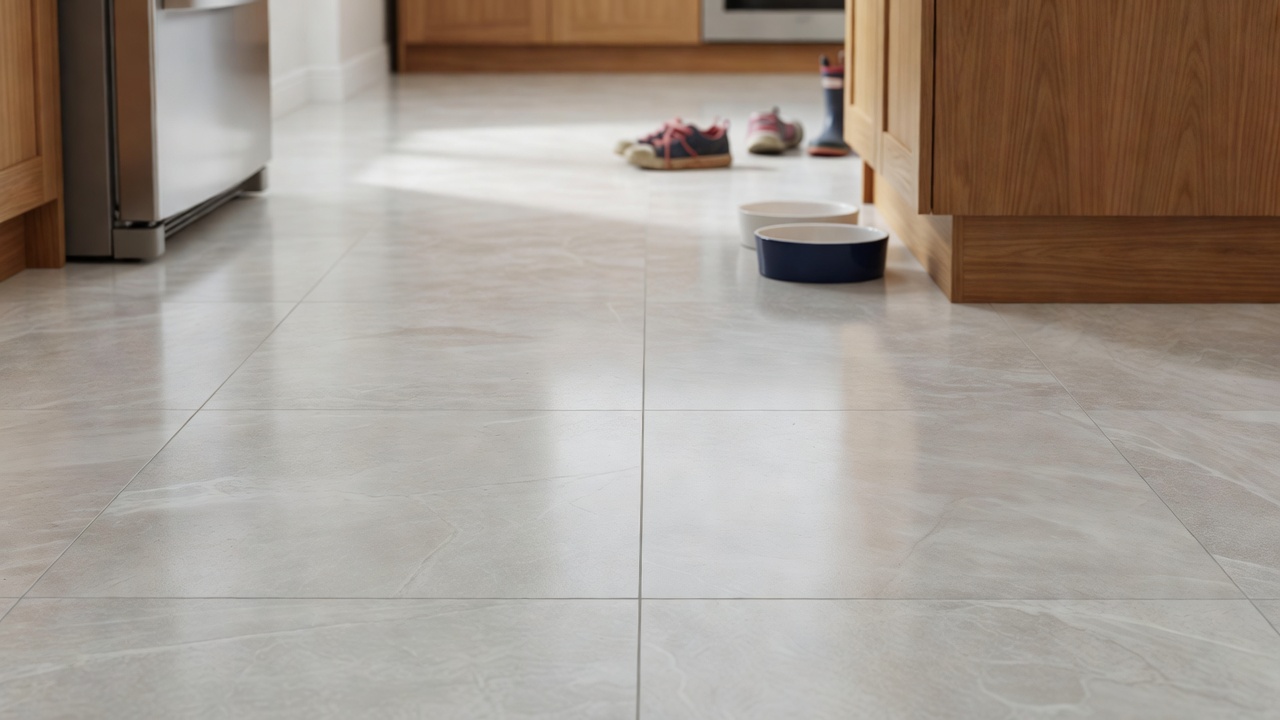
Porcelain tile over a dry, flat subfloor. It shrugs off claws, spilled juice, and dropped toys better than anything else I install on a regular basis. LVP with a thick wear layer is the practical second choice when you want warmer underfoot and faster install.
Does a higher wear layer always mean better durability?
No. A 20 mil wear layer on a warped, wet, or uneven subfloor still fails at the joints and transitions. Spec the wear layer, then spend the real money on prep.
Can I put luxury vinyl over my old floor and call it durable?
Only if the existing floor is flat, sound, and moisture-safe per the manufacturer. Floating new problems over old ones is how I stay busy on callbacks.
How long should durable flooring actually last in a busy house?
Porcelain done right: decades. Commercial LVP with honest prep: 15–25 years in high traffic before it looks tired. Laminate and mid-grade vinyl: often under 12 when kids and pets are constant. Warranties assume perfect worlds. Your hallway is not one.
Is refinishing a durability advantage?
For solid or thick-wear engineered hardwood, yes—you can reset the surface a few times. For everything else, durability means resisting the need to refinish or replace in the first place.
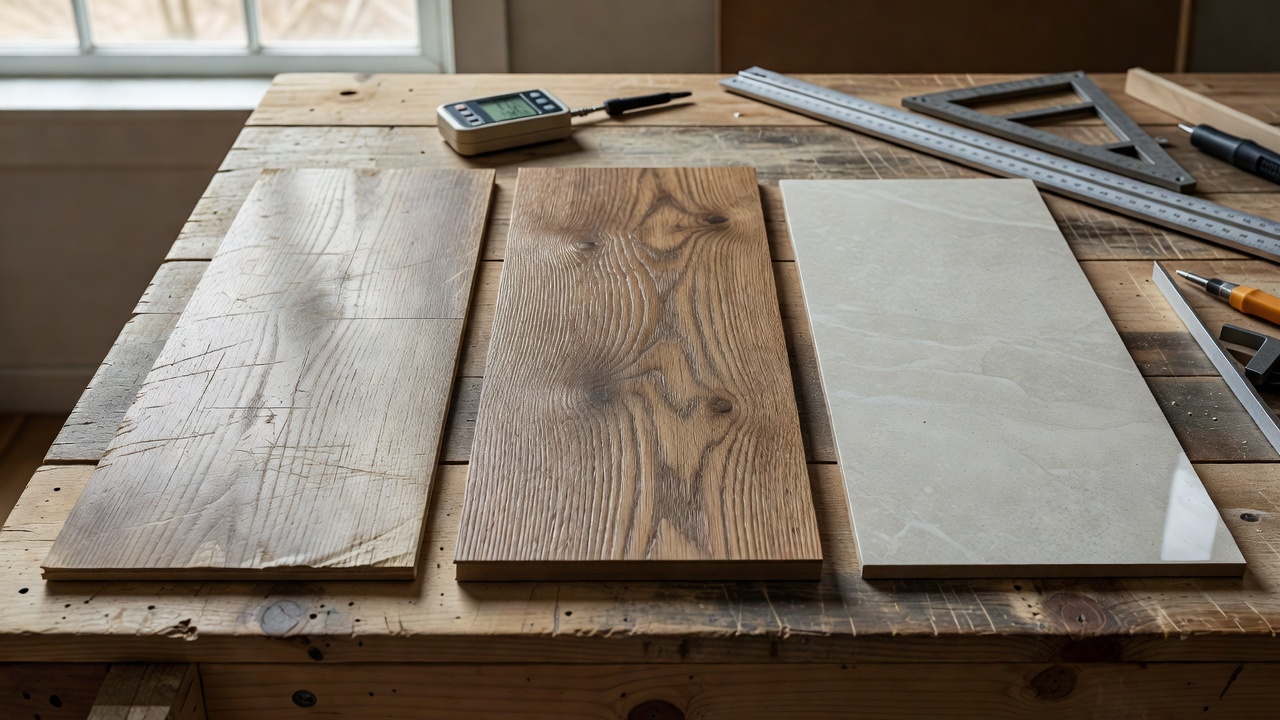
Anyway. Call somebody before you rip anything out. Doesn't have to be me. Should probably be me.