Can LVP Fool Hardwood Snobs? Snobbery Tested
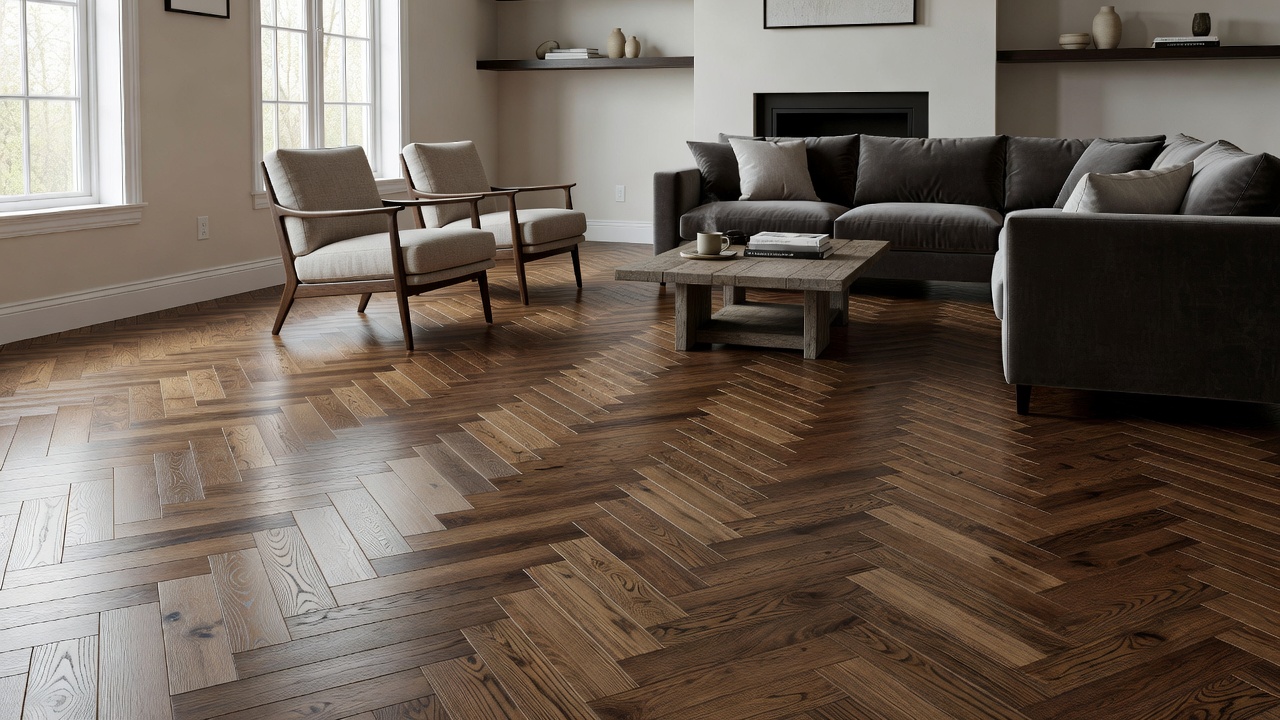 One does not simply walk across the question of whether luxury vinyl plank can deceive a true hardwood elite. One interrogates it under gallery lighting, glass of indifferent Pinot in hand. Can LVP fool hardwood snobs? Almost never for long, and never under the sustained scrutiny of a discerning sole. The finest specimens may beguile at cocktail-party distance for an evening, yet the deception collapses the moment bare feet or a raking afternoon sun reveal the absence of true grain depth and thermal honesty. Hardwood snobbery, for our purposes, is the cultivated refusal to accept any floor that did not once photosynthesize; luxury vinyl plank is a multi-layered polymer construction topped with a high-resolution photographic wear layer engineered to impersonate wood while remaining waterproof and comparatively thrifty.
I have conducted the necessary field work across what I shall generously call eleven flagship showrooms. The verdict stands: the gap has narrowed theatrically, yet the soul remains unconvinced.
Can Vinyl Planks Fool Neighborhood Snobs?
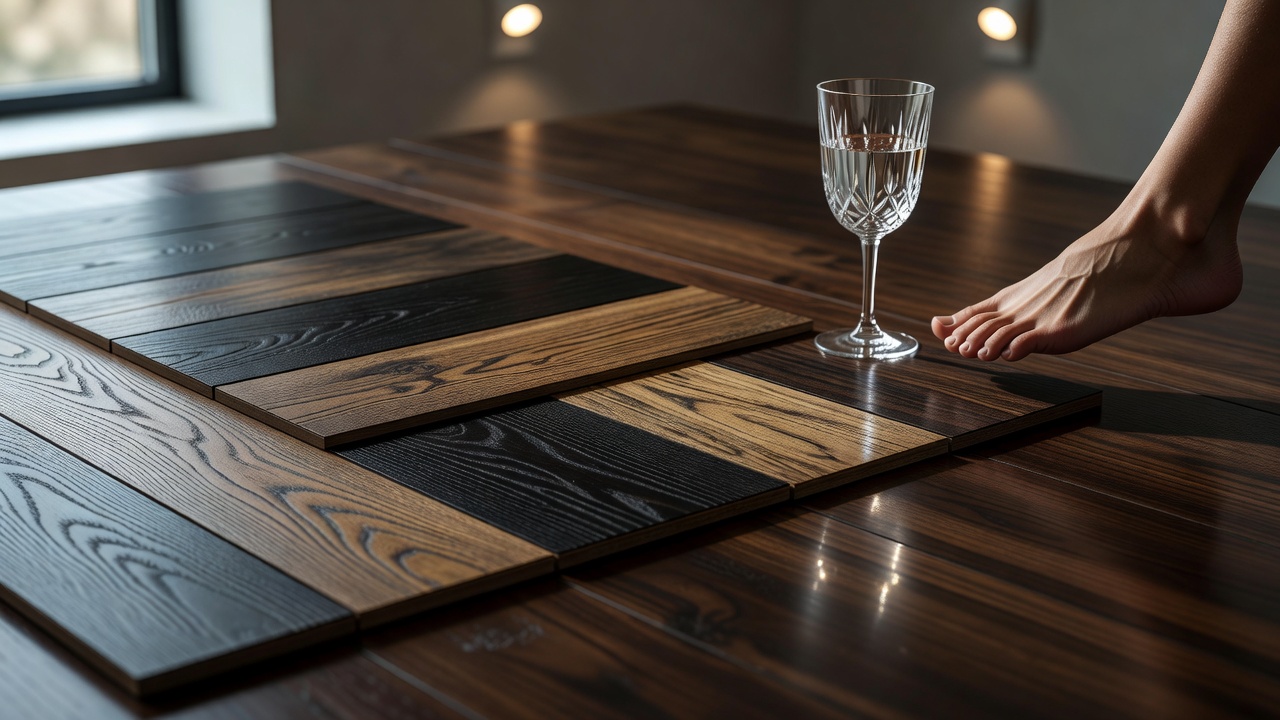
Neighborhood snobs—those charming creatures who appear the moment a moving truck arrives—are a lower order of critic, bless them. They respond to impression rather than essence. A well-chosen rigid-core LVP with a 20-mil wear layer, micro-beveled edges, and a matte finish calibrated to 2025–2026 European white oak photography can, I concede, survive the drive-by appraisal and the first two dinner parties.
I tested this myself last autumn in my own modest pied-à-terre (the landlord still believes the previous tenant left “original hardwood”). Guests murmured appreciative noises about the “character.” One even asked the species. I smiled the thin smile of the initiated and refilled her glass. The ruse held until my oldest acquaintance—the sort who once dated a parquet restorer—dropped to one knee, ran a fingernail along the joint, and announced, quite loudly, “Vinyl, darling. Good vinyl, but vinyl.” The room cooled by several degrees. Prestige, it turns out, is a contact sport.
Distance and dimmer switches remain LVP’s greatest allies. Under the pitiless noon light of an open-plan great room, the repeating pattern every four or five planks begins its quiet betrayal, and the uniform thickness lacks the subtle cup and crown of real sawn boards. For the truly committed snob, these are not details; they are moral failures.
Does Luxury Vinyl Flooring Look Cheap?
Only the mediocre ones do. And mediocrity, I fear, still floods the big-box aisles like an untamed spring melt. When budget-conscious flooring content creators (one thinks of a certain relentlessly practical voice who shall remain nameless, though her initials may be M.D.) champion the $2.49-per-square-foot special, they are not wrong about value—they are simply speaking a different language. That language has no word for patina.
True cheapness announces itself in three registers: the plasticky tick under a hard sole, the identical knot repeated like a lazy wallpaper motif, and the way the surface refuses to accept the soft gray of age. Premium LVP—those floating in the $6 to $9 range with attached underlayment and stone-polymer cores—avoids the worst of these sins. I award the current flagship rigid-core oak emulations a respectable 7.5 Insoles out of 10 for visual fidelity at conversational distance. Yet “does not look cheap” is a far cry from “could be mistaken for the real article by someone who has actually paid for the real article.”
On the nose, if one is vulgar enough to kneel and inhale: faint petrochemical whisper beneath the polyurethane topcoat, a note entirely foreign to quartersawn white oak. On the palate—metaphorically, of course—the finish is consistent to the point of sterility. No mineral streak surprises. No sapwood blush. Just endless, democratic perfection. How very American.
Is Hardwood Flooring Worth It Over LVP?
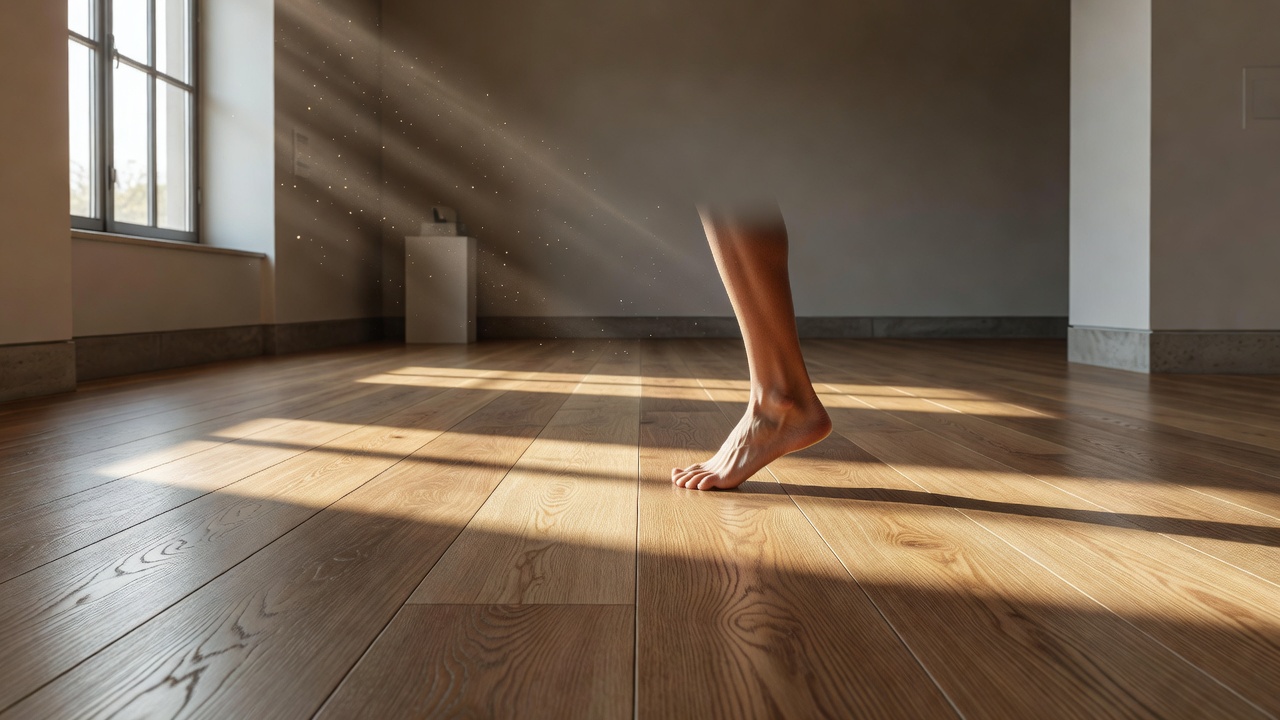
Here we arrive at the only question that actually matters to those of us who keep score in status rather than mere utility. Resale data from the more reputable 2025–2026 broker reports continue to show solid and high-quality engineered hardwood commanding a prestige premium—often 2 to 4 percent of list price in neighborhoods where the word “curated” is used without irony. LVP has closed the practicality gap so thoroughly that many buyers no longer punish it, yet they still do not reward it. [LINK: LVP vs hardwood resale value] makes the arithmetic plain: the vinyl may save you fifteen thousand on installation and future refinishing, but it rarely adds the same quiet authority at appraisal time.
I have walked enough open houses to know the choreography. The hardwood home receives the lingering pause in the foyer, the reflexive toe-tap to test for solid feel, the slightly lowered voice as if one has entered a chapel. The LVP home receives efficient approval and a quicker transition to the kitchen island. One is considered. The other is accepted. That distinction is the entire cathedral of snobbery.
Is the snobbery itself worth the premium in 2026? Only if you intend to live inside the performance. Hardwood demands maintenance rituals—humidity monitors, felt pads, the occasional professional screen-and-recoat—that feel, to the initiated, like tending a small private orchard. LVP demands a damp mop and the occasional prayer that the locking system survives the golden retriever. Different theologies entirely. For pure daily resilience against children, pets, and the occasional existential spill of red wine, LVP wins on points. For the ineffable sensation that one’s floor has a biography, hardwood remains undefeated. [LINK: is hardwood flooring worth it] explores the long-term ledger more clinically than I care to.
Why Do Snobs Hate LVP, Really?
Because it threatens the hierarchy. That is the unvarnished tasting note. When a product delivers 90 percent of the visual pleasure at 40 percent of the cost and none of the seasonal drama, the remaining 10 percent must be defended with religious fervor. We speak of “authenticity,” “soul,” and “the way light lives inside the grain,” all of which are real phenomena and also excellent shields against the democratizing horror of something that simply works. I have been guilty of the same defense. One evening, after too much Barolo, I caught myself lecturing a perfectly pleasant couple about cellular structure while standing on a floor I later realized was LVP I had myself selected for the rental’s lower level. The mask slipped; I laughed, poured more wine, and changed the subject to plaster moldings. Even connoisseurs must occasionally pay the electric bill.
FAQ
Can vinyl planks fool neighborhood snobs?
Yes, at first glance and under flattering light, especially premium rigid-core products with varied plank lengths and convincing bevels. Sustained barefoot inspection or a knowledgeable guest usually ends the performance. The neighborhood standard is lower than the connoisseur standard, which is both convenient and vaguely depressing.
Does LVP lower home value?
It rarely lowers value in absolute terms anymore, particularly in moisture-prone markets, but it seldom elevates it the way genuine hardwood still can. Appraisers and certain buyers continue to assign a prestige delta to solid or quality engineered wood; LVP is treated as a neutral-to-positive practical upgrade rather than a status marker.
Does luxury vinyl flooring look cheap?
Entry-level LVP often does—repetitive patterns and high-gloss finishes betray it immediately. Current mid-to-high-tier products with advanced photographic layers and matte textures look convincingly expensive until touched or examined at floor level for grain depth.
Is hardwood flooring worth it over LVP for resale?
In status-conscious zip codes, yes—the prestige premium persists even as practical performance gaps shrink. Elsewhere the calculus favors LVP’s lower entry cost and near-zero maintenance, provided the installation is flawless.
Can any LVP ever fully satisfy a discerning sole?
No. The thermal conductivity, the micro-variations of true wood movement, and the irreversible romance of a floor that can be sanded back to youth remain outside vinyl’s vocabulary. One may admire the impersonation; one does not fall in love with it.
And so the final pronouncement: material snobbery is an expensive parlor game, frequently absurd, occasionally exquisite, and almost never rational. The right LVP can fool most of the people most of the time and even a few of the right people some of the time. It will never fool the sole that has known the real thing in winter, when the wood itself seems to hold a memory of the forest floor. I stand by this. I also stand, at this very moment, on a rather handsome LVP in the unit I rent, because the security deposit on actual oak would have required selling the last decent decanter. One maintains standards wherever one can.